In this article
What you’ll learn
- Modern robot vacuums now offer up to 22,000 Pa suction and 75-day hands-free maintenance.
- Rubber-coated wheels and bristle-less rollers are essential for preventing hardwood scratches.
- 2025 trends include stair-climbing capabilities and 100°C steam sanitization for mop pads.
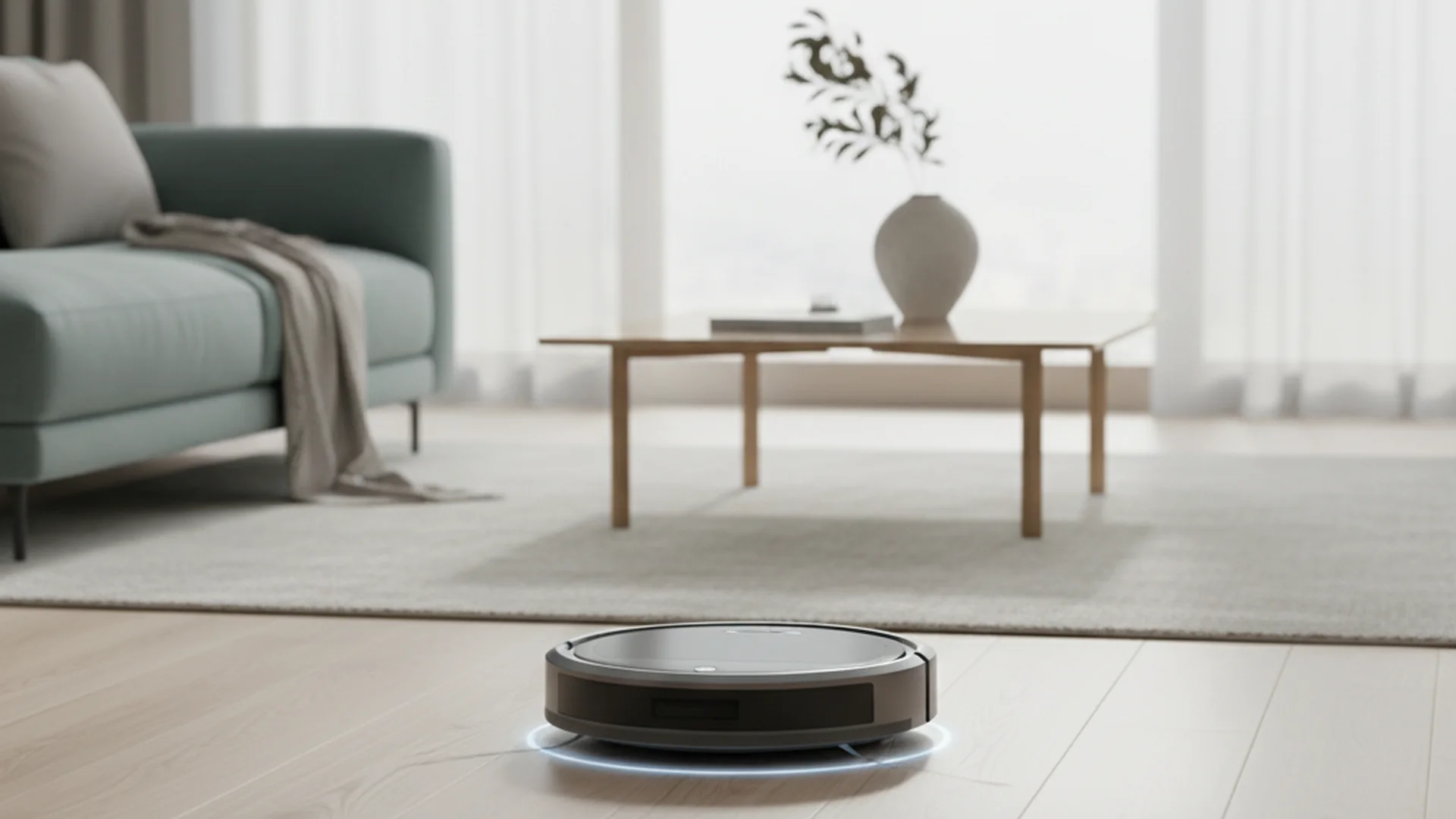
Finding the perfect robot vacuum hardwood solution has historically been a balancing act between power and preservation. If the suction is too low, dust lingers in the grain; if the brushes are too stiff, you risk micro-scratching a pristine finish. As we move into the 2025–2026 cleaning season, the technology has reached a tipping point where these compromises are finally a thing of the past.
This growth is driven by massive leaps in navigation and specialized floor care. For homeowners with oak, walnut, or bamboo flooring, the newest generation of robots offers "smart water control" and "Flex-arm" edge cleaning that finally outperforms manual mopping. In this guide, we will break down the latest robot vacuum hardwood reviews and help you choose a device that keeps your floors gleaming without the elbow grease.
Why Hardwood Requires Specialized Robotic Care
Hardwood floors are an investment. Unlike carpet, which can hide a multitude of sins, hardwood reveals every streak, scratch, and speck of dust. In 2025, the consumer priority has shifted heavily toward sustainability and floor longevity, with more buyers looking for energy-efficient models that won't damage their home's surfaces.
The challenge with older robot vacuums was their "one-size-fits-all" approach. Aggressive nylon bristles designed to beat dust out of carpets act like sandpaper on soft wood finishes. Furthermore, the wheels on budget models were often made of hard plastics that could trap grit and drag it across the floor.
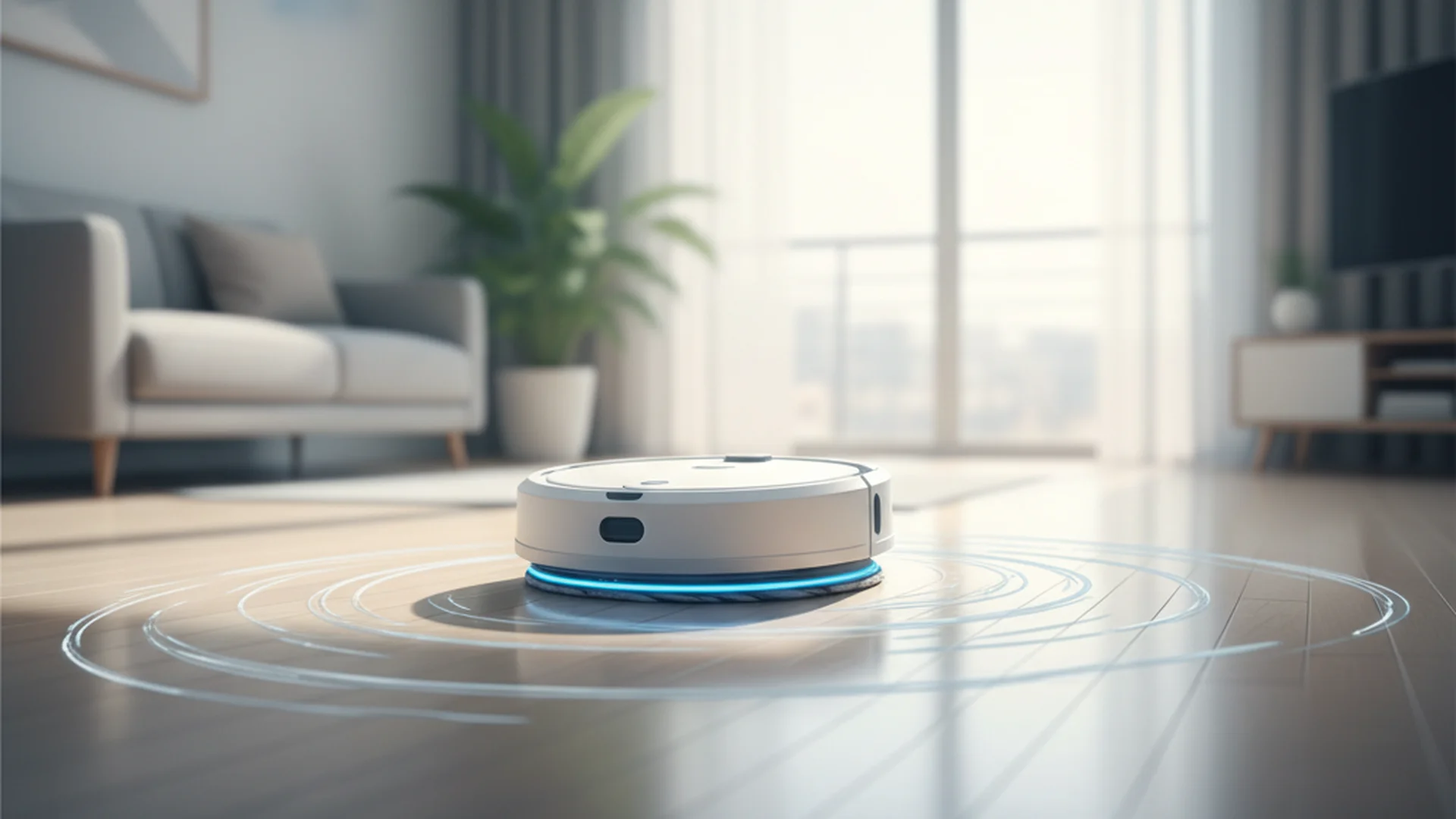
Note: Modern high-end robots now use AI sensors to detect floor types instantly, automatically retracting mop pads or adjusting brush height when moving from a rug to a hardwood plank.
Top Recommendations for 2025-2026
The current market is saturated, but a few standout models have dominated the robot vacuum hardwood 2025 landscape. Here is a breakdown of the models that handle wood floors best.
Best Overall: Roborock Saros 10R
The Saros 10R has set the benchmark for elite navigation. On hardwood, its primary advantage is the ultra-slim profile and the "Flex-arm" side brush. While circular robots often miss the 90-degree angles where hardwood meets the baseboard, the Saros 10R extends its brush to sweep every grain of dust into the vacuum path.
Best Mop-Hybrid: Ecovacs Deebot X8 Pro Omni
While most hybrids use a flat microfiber pad, the X8 Pro Omni features a revolutionary "roller mop." This mimics a traditional power-mop, constantly rotating to scrub sticky spills. For sealed hardwood, this is a game-changer because it uses significantly less water than a dragging pad, ensuring your floors dry within seconds.
Best for Pet Hair: Shark PowerDetect 2-in-1
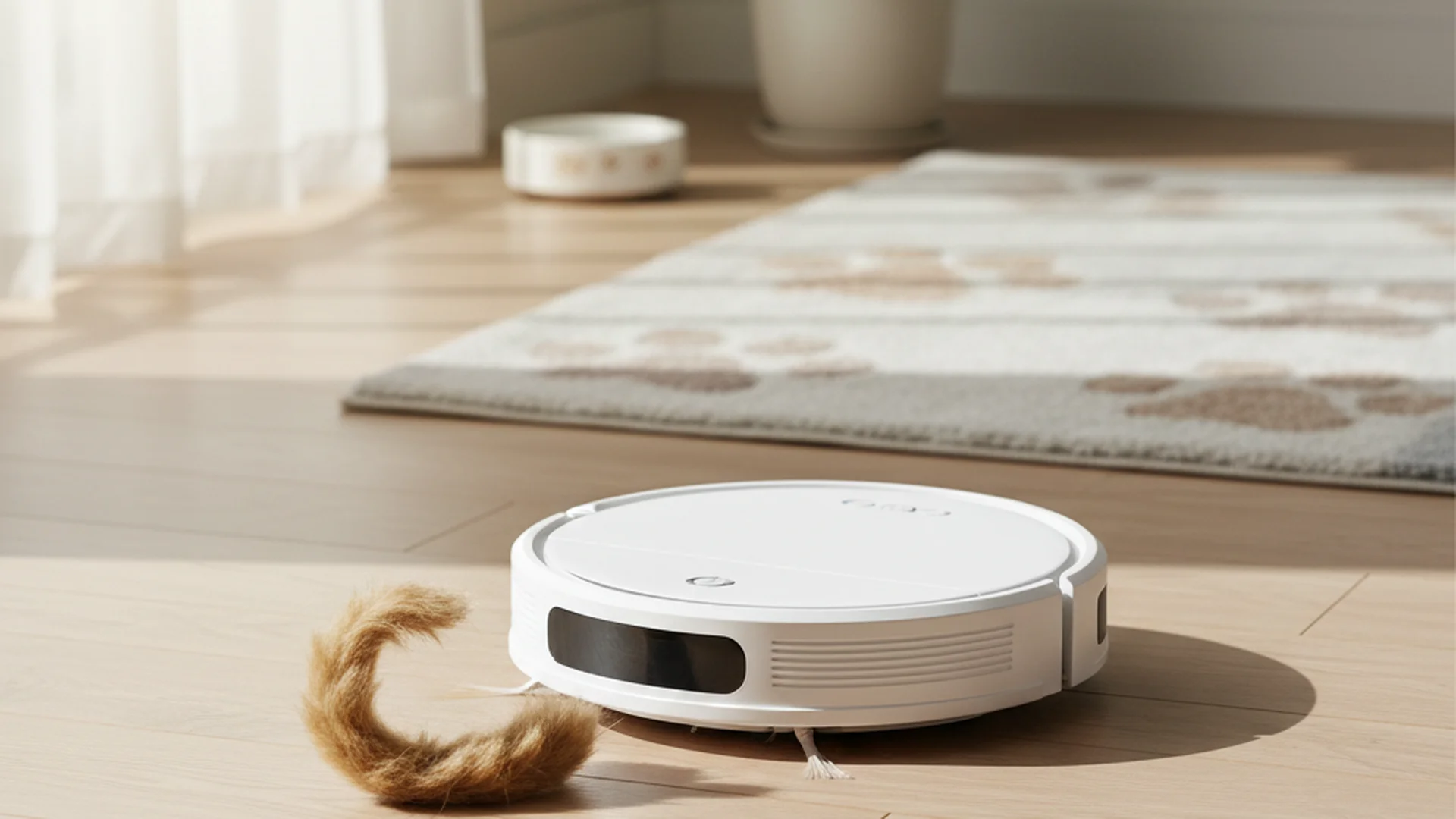
Pet hair on hardwood is notorious for "drifting" due to the airflow of the vacuum itself. Shark’s PowerDetect tech uses sensors to identify hair clumps and increases suction before the robot reaches them, preventing the hair from being blown into hard-to-reach corners. It also features a "NeverTouch" base that handles debris for up to two months.
Best Budget: iRobot Roomba Vac Essential
You don’t always need a $1,000 machine. The Roomba Vac Essential focuses on the basics: dual multi-surface rubber brushes and a simple, effective navigation algorithm. It lacks the AI obstacle avoidance of the flagships but is remarkably gentle on wood finishes.
| Model | Suction Power (Pa) | Navigation Tech | Best For |
|---|---|---|---|
| Roborock Saros 10R | 12,000 | LiDAR + RGB AI | All-around performance |
| Ecovacs X8 Pro Omni | 13,000 | AIVI 3D 2.0 | Sticky messes/Mopping |
| Shark PowerDetect | 10,000 | Vision-based | Pet owners |
| Dyson 360 Vis Nav | 22,000 | 360-degree Vision | Deep crevice cleaning |
Protecting Your Floors: Best Practices
Even the most advanced robot vacuum hardwood cleaner can cause damage if used incorrectly. To ensure your floors remain in showroom condition, follow these protocols.
Use "Bristle-less" Rubber Rollers
If your robot uses a traditional brush roll with stiff nylon bristles, you are essentially "dry-brushing" your floor's finish every day. We recommend models with dual-rubber rollers. These don't scratch the wood and are far more effective at picking up fine dust and pet hair without tangling.
Tip: Always inspect the robot's wheels before its first run of the week. A small pebble trapped in the rubber tread is the #1 cause of deep, permanent scratches on hardwood.
Verify Your Floor's "Sealed" Status
Before engaging any mopping features, you must know if your hardwood is sealed (polyurethane) or unsealed (oil/wax).
- Sealed Floors: Safe for robot mops using "Smart Water Control."
- Unsealed Floors: Avoid mopping entirely. Moisture can seep into the wood, causing warping or "cupping."
Warning: Never add bleach or generic acidic floor cleaners to your robot's water tank. These chemicals can degrade the internal seals of the machine and strip the protective finish off your hardwood.
The 2025-2026 Innovation Wave
The "Domestic Efficiency Specialist" community has seen more innovation in the last 18 months than in the previous decade. Here are the trends currently transforming the market:
1. Stair-Climbing Technology
The "final frontier" of robot vacuums is the staircase. Models like the Dreame CyberX are now hitting the market with "bionic legs" or QuadTrack systems that allow them to climb standard household stairs. For multi-story homes with hardwood hallways, this eliminates the need to buy multiple units.
2. 100°C Steam Sanitization
A major trend for 2026 is the integration of steam into the docking station. Stations now heat water to 100°C to sanitize the mop pads after a run. This is particularly effective for hardwood in kitchens, where grease and bacteria can accumulate in the floor's microscopic texture.
3. Matter Integration
The industry has finally moved toward a universal standard. Most 2025/2026 flagships support Matter, allowing you to control your vacuum through Apple Home, Google Home, and Amazon Alexa simultaneously without proprietary bridge lag.
4. Zero-Tangle "DuoSpiral" Brushes
For those with long-haired pets, the new DuoSpiral designs use internal cutters to slice hair before it reaches the bin, ensuring the brush remains in constant contact with the hardwood surface for a better seal and higher pickup rate.
Success: One of our testers with three Golden Retrievers found that switching to a zero-tangle brush reduced their manual maintenance time from 20 minutes a week to zero.
Common Mistakes to Avoid
Even with the best technology, human error can lead to lackluster results or damaged equipment.
- The "More Suction is Better" Myth: Many users set their robot to "Max Suction" on hardwood. This is counterproductive. High suction on a hard surface can actually scatter light debris (like cat litter) rather than sucking it up. Standard or Eco mode provides the best balance of battery life and pickup on wood.
- Neglecting the Cliff Sensors: Hardwood is often highly reflective. If the sensors on the bottom of the robot get dusty, the "cliff sensors" may misinterpret a reflection or a dark rug shadow as a drop-off, causing the robot to stop or circle aimlessly.
- The "Set and Forget" Fallacy: Modern docks are amazing, but they aren't magic. You must empty the dirty water tank every 2-3 days. If left longer, bacteria will grow, and your "clean" robot will start spreading a "sour mop" smell across your entire home.
Frequently Asked Questions
Are robot vacuums safe for hardwood floors?
Can robot mops damage wood floors?
Do they actually clean corners on hard floors?
Is a high Pa (suction) rating necessary for hardwood?
How often should I change the mop pads?
Conclusion
The era of choosing between a clean home and a protected floor is over. The robot vacuum hardwood market in 2025 has reached a level of maturity where AI navigation, rubberized components, and smart moisture control work in harmony to preserve your flooring. Whether you opt for the high-end Roborock Saros 10R or a budget-friendly Shark, the key is to prioritize floor-safe brushes and regular sensor maintenance.
By avoiding the common pitfalls of excessive suction and improper cleaning solutions, your robot will become the most valuable tool in your domestic arsenal, keeping your hardwood floors spotless for years to come.
Success: Consistent use of a robot vacuum on hardwood reduces the amount of "grit" on the floor, which is the primary cause of finish wear from foot traffic.
Cleaning that keeps score
Every task earns points, every streak multiplies them, and Premium adds a household leaderboard plus a monthly Dustagorgon to beat.
- Free forever
- 30 badges to earn
- Up to 6 in a household
No card needed. Set up your rooms in a couple of minutes.