In this article
What you’ll learn
- Focus on high-impact visual resets rather than deep cleaning perfection.
- Use the 2025 "Power-Hour Split" to maintain momentum through four 15-minute phases.
- Pre-treating surfaces and using a "Basket Method" are essential for speed.
We have all been there: the weekend is approaching, guests are coming over in an hour, or the clutter has simply reached a breaking point where your mental clarity is suffering. In these moments, you don't need a deep-cleaning checklist that takes eight hours to complete. You need power hour cleaning. This high-intensity, time-bound strategy is designed to reset your home in exactly 60 minutes, focusing on speed and high-impact results rather than total perfection. By shifting your mindset from "deep cleaning" to "functional resetting," you can reclaim your space without losing your entire Saturday.
Power Hour Cleaning Explained: Why It Works
The concept of a power hour is rooted in Parkinson’s Law: the idea that work expands to fill the time available for its completion. If you give yourself all day to clean the house, it will take all day. However, when you set a hard 60-minute limit, your brain shifts into a high-efficiency mode.
Over a lifetime, the hours spent with a vacuum or a scrub brush in hand add up to an enormous amount of time. By adopting a power hour cleaning guide, you are essentially "buying back" some of it. Beyond just time savings, the physical exertion of a vigorous cleaning session is genuinely active work—closer to a moderate workout at the gym than most people expect.
The psychological benefits are even more profound. Plenty of people quietly close doors to hide clutter from guests, a habit tied to "clutter-induced" stress, and housework is one of the most common things couples bicker about. Implementing a structured power hour can act as a "relationship saver" by establishing a clear, predictable system that ensures the home remains functional and welcoming.
Tip: Put your phone on "Do Not Disturb" before you start. Any notification is a potential distraction that can derail your 60-minute momentum.
The 2025 Power-Hour Split Method
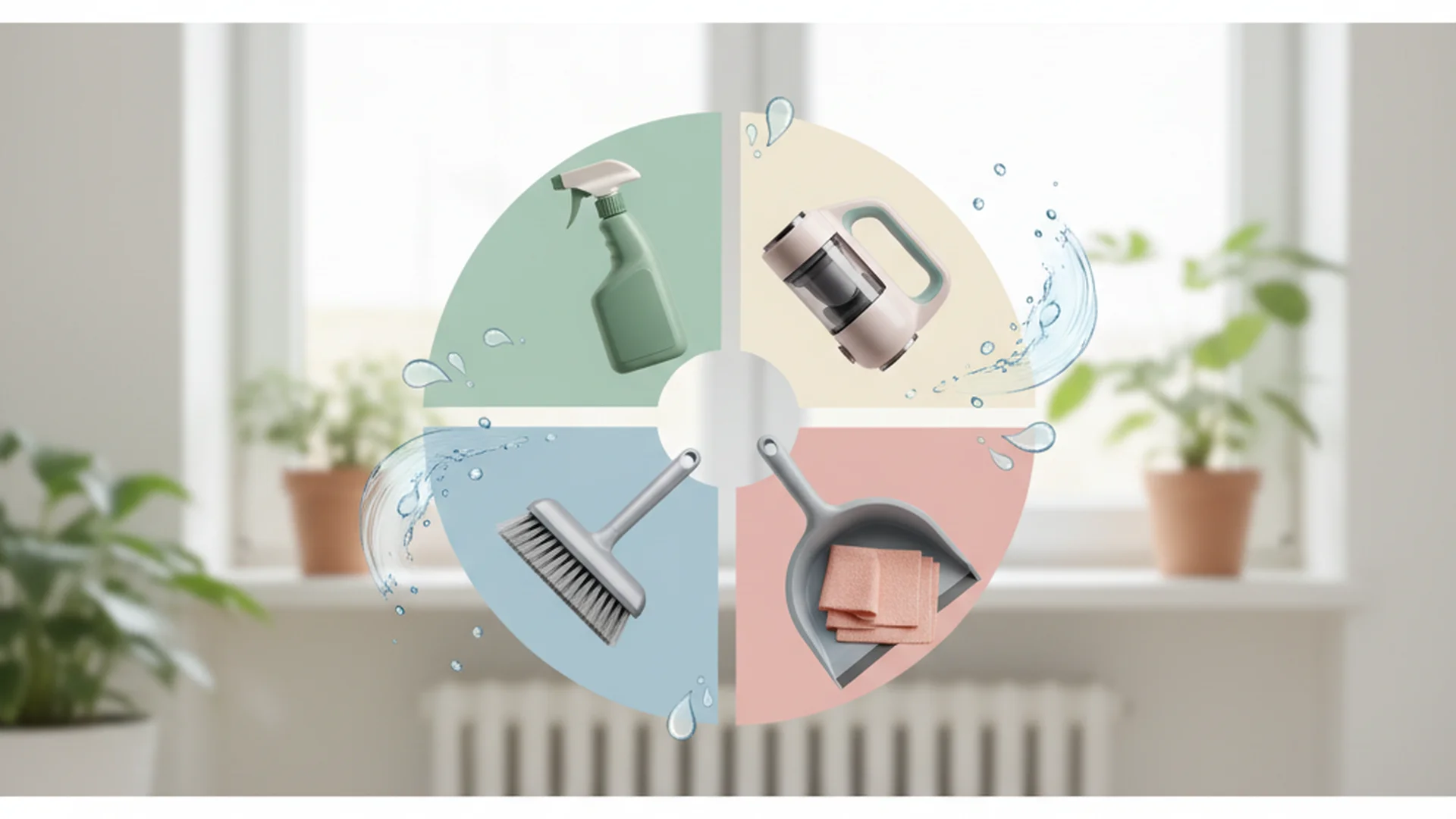
In 2025, the standard power hour has evolved. A popular refinement is the "Power-Hour Split," which breaks the 60 minutes into four distinct 15-minute segments. This prevents "cleaning fatigue" and ensures that no single task consumes the entire hour.
Phase 1: Trash, Dishes, and Laundry (0-15 Minutes)
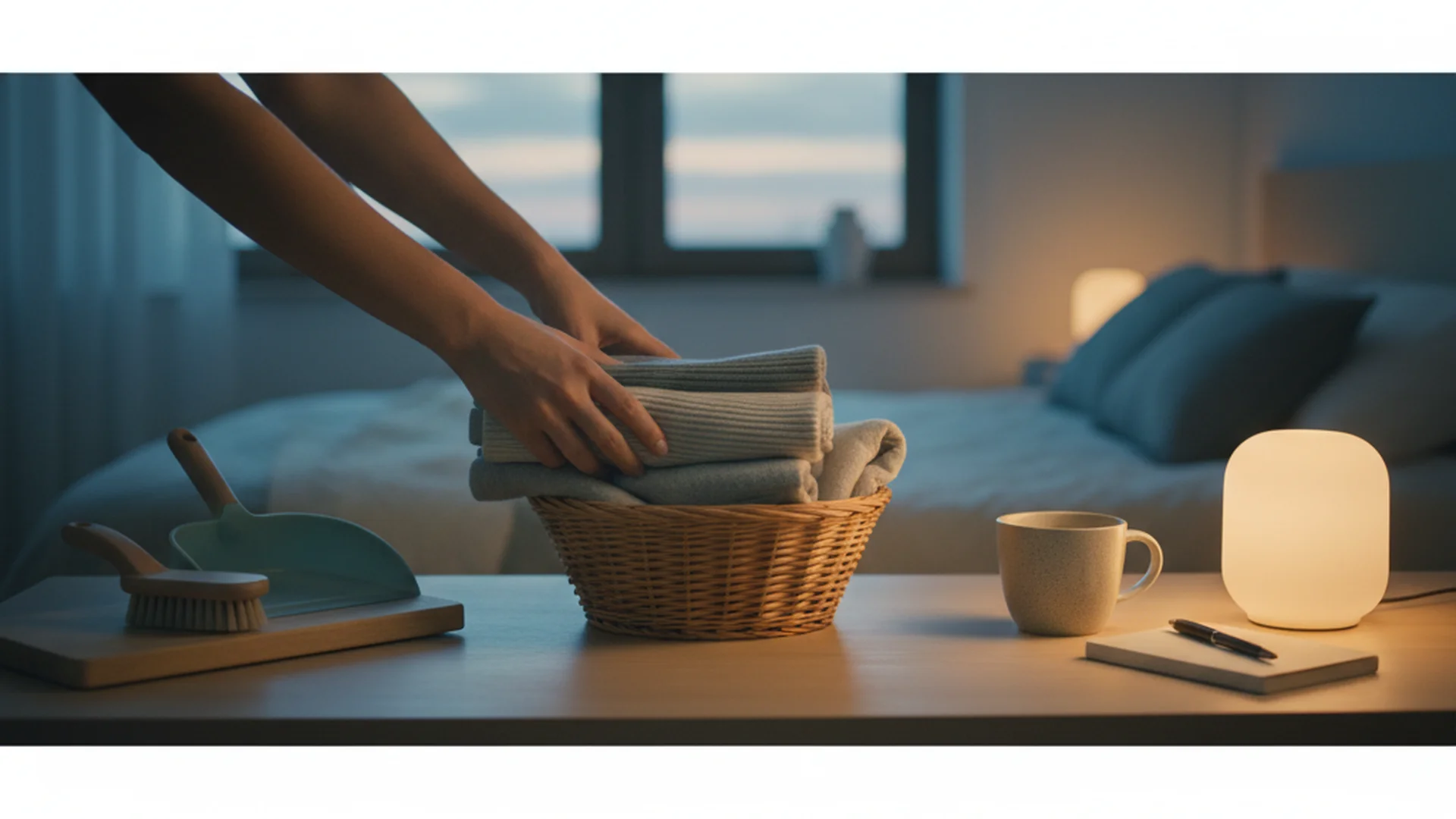
The first 15 minutes are about removing the "obvious" mess. Walk through every room with a trash bag and a laundry basket.
- Collect all trash and take it to the outside bin immediately.
- Gather dirty dishes and get the dishwasher running.
- Start one load of laundry.
Phase 2: Surface Decluttering (15-30 Minutes)
This phase focuses on "flat surfaces." Use the Basket Method here. As you move through the house, place any items that don’t belong in a specific room into a laundry basket. Do not stop to put them away in their proper homes yet—that is a trap that leads to "rabbit-holing." Simply clear the surfaces so you can see the counters and tables again.
Phase 3: Focused Room Reset (30-45 Minutes)
Now that the clutter is gone, focus on the "Big Three": the kitchen, the living room, and the main bathroom. Wipe down the counters you cleared in Phase 2. Clean the mirrors and the toilet in the main bathroom. Fluff the pillows in the living room. This phase provides the biggest visual "win."
Phase 4: Finishing Touches and Floors (45-60 Minutes)
In the final 15 minutes, tackle the floors. Vacuum high-traffic areas and do a quick "swiffer" or damp mop in the kitchen. Finally, walk through the house and put away the items from your "Basket Method" basket, or simply hide the basket in a closet if you have run out of time.
Note: The goal of the split method is rhythm. If you finish a phase early, move immediately to the next one to bank extra time for the floors.
| Phase | Duration | Focus Area |
|---|---|---|
| Trash/Laundry | 15 min | Removal of waste and starting cycles |
| Surface Declutter | 15 min | Clearing all flat surfaces (Tables/Counters) |
| Focused Reset | 15 min | Kitchen/Living Room/Bathroom wipe-downs |
| Floors/Finishing | 15 min | Vacuuming and final basket distribution |
Expert Tips for Maximum Efficiency
To truly master power hour cleaning, you need to move like a professional. Professionals don't walk back and forth to the supply closet; they bring the supplies with them.
The "Top-Down" Rule
Always clean surfaces from top to bottom. Dust ceiling fans and high shelves first so that the dust falls onto the uncleaned floors. If you vacuum first and then dust, you will have to vacuum again, wasting precious minutes of your hour.
Standardized Supplies and the Cleaning Caddy
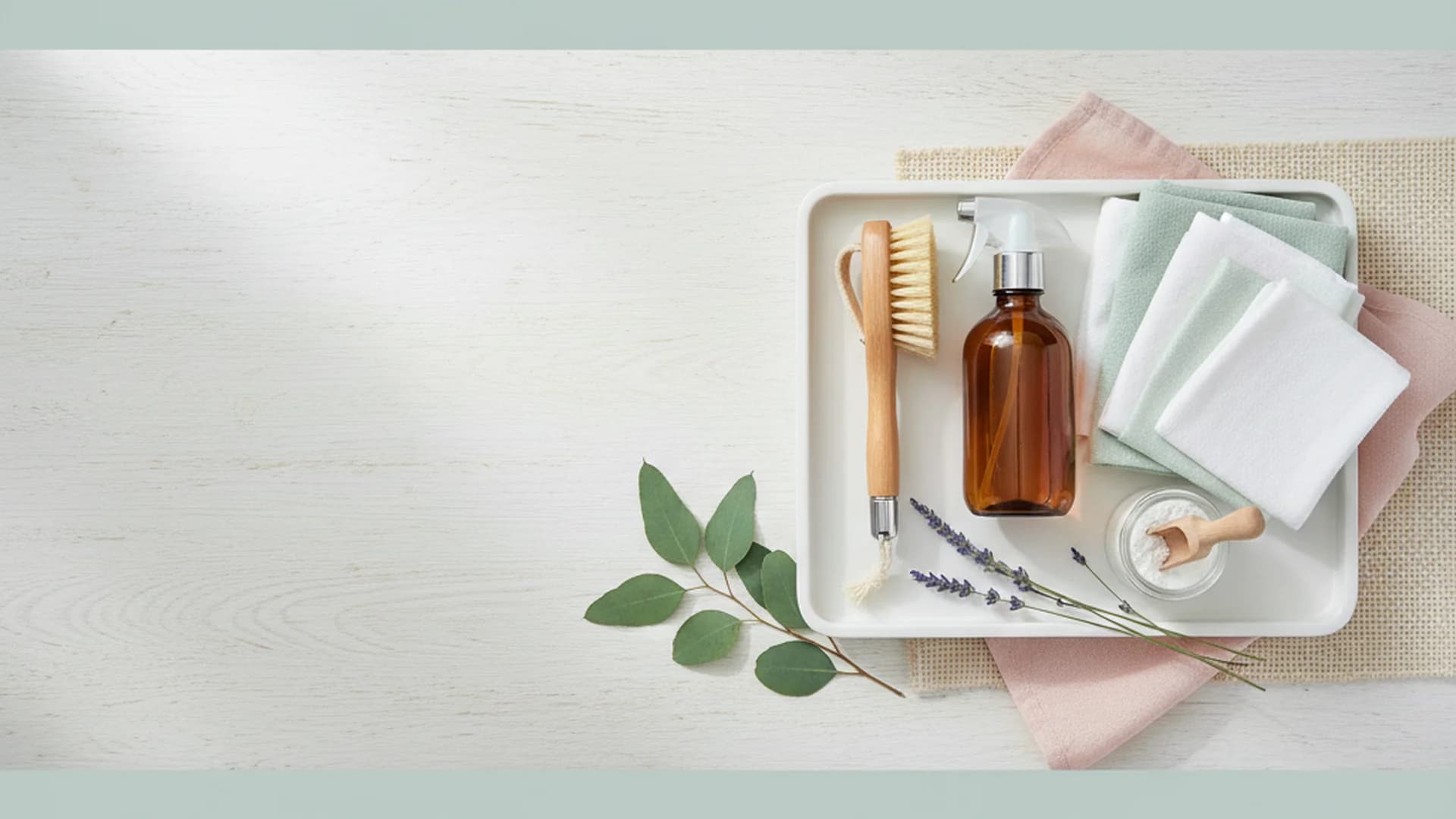
Stop hunting for bottles. A standard cleaning caddy should include:
- A high-quality multi-purpose cleaner.
- Glass cleaner.
- A stack of 5-10 microfiber cloths.
- A scrub brush.
- Small trash liners.
The Power of Pre-Treating
At the very start of your hour (during Phase 1), spray down the shower, the bathroom sink, and the stovetop. Let the chemicals sit and break down the grime while you are doing other tasks. By the time you reach Phase 3, you won't need to scrub; you can simply wipe the dirt away.
Warning: Never mix cleaning chemicals, especially bleach and ammonia-based products, as this can create toxic fumes.
Real-World Examples of Power Hour Cleaning
Example 1: The Busy Professional’s Friday Reset
James, a software engineer, uses the power hour every Friday at 5:00 PM. By dedicating 60 minutes to a "home reset," he ensures that his weekend starts in a clean environment. He uses "body doubling" by listening to a "Clean With Me" podcast, which helps him stay on pace without checking the clock constantly.
Example 2: The Pre-Guest Panic
The Millers are hosting a dinner party and realized the house is a wreck. Instead of arguing about who does what, they split the power hour. One partner handles the "Task-by-Task" dusting and vacuuming, while the other handles the "Room-by-Room" kitchen and bathroom reset. They prioritize the "Shiny Sink" rule, ensuring the kitchen sink is empty and gleaming, which psychologically makes the whole kitchen feel cleaner to guests.
Example 3: The Family Team Power Hour
The Thompson family involves their two children by gamifying the hour. They use an AI-based cleaning app that assigns "speed tasks" like "The Blue Toy Hunt" or "The Sock Roundup." By assigning age-appropriate tasks, the parents can focus on high-impact areas like the bathrooms while the kids handle the floor-level clutter.
2026 Trends: Wellness and Technology in Cleaning
Looking ahead to 2026, the way we approach a power hour cleaning guide is shifting toward "wellness-focused" cleaning.
- Sensory Cleaning: Younger shoppers in particular are driving demand for high-quality fragrances. During a power hour, using scents like eucalyptus or citrus isn't just about the smell; it’s about boosting confidence and mood through aromatherapy.
- Probiotic Cleaners: We are seeing a rise in "microbiome-friendly" cleaners. These bio-based products contain beneficial bacteria that continue to "eat" dirt and grime for up to 72 hours after you finish your power hour. This makes your 60-minute effort last significantly longer.
- AI & Smart Scheduling: Smart home systems are now beginning to offer "Power Hour Mode," where the lights brighten and upbeat music plays automatically to signal the start of the cleaning session, helping to overcome the "motivation gap."
Success: Using bio-based cleaners can keep your surfaces cleaner for 3 days longer than traditional chemical cleaners, maximizing the ROI of your power hour.
Common Mistakes to Avoid
Even with the best intentions, it is easy to fail at a power hour if you fall into these common traps:
- Treating it like a Deep Clean: If you find yourself scrubbing baseboards with a toothbrush or cleaning behind the refrigerator, you have failed the power hour. Those are "Project Day" tasks. Stay focused on the surface-level reset.
- Cleaning Room-by-Room: For many, it is faster to do "task-by-task." For example, dusting every room in the house at once, then vacuuming every room. This minimizes the time spent switching tools and mental gears.
- Waiting for Motivation: You don't need to feel like cleaning to start a power hour. The "snowball effect" is a real psychological phenomenon where the act of starting—and seeing immediate progress—generates the motivation to finish.
- Neglecting the "Shiny Sink": Never leave the kitchen sink full of dishes. A clear, clean sink provides the biggest mental "win" and serves as the visual anchor for a clean home.
Frequently Asked Questions
Can I really clean my whole house in one hour?
What should I prioritize if I only have 30 minutes?
Is Power Hour cleaning better than daily cleaning?
How do I involve my kids without slowing down?
Conclusion
The power hour cleaning method is more than just a chore list; it is a strategic approach to home management that respects your time and mental health. By using the 2025 Split Method, maintaining a standardized cleaning caddy, and avoiding the "perfectionist trap," you can keep your home in a state of constant readiness. Remember, a clean home isn't about the hours you spend scrubbing—it's about the systems you have in place to keep the chaos at bay.
Success: Consistently performing one power hour a week keeps cleaning stress from piling up, leaving you more time for the things that truly matter.
Cleaning that keeps score
Every task earns points, every streak multiplies them, and Premium adds a household leaderboard plus a monthly Dustagorgon to beat.
- Free forever
- 30 badges to earn
- Up to 6 in a household
No card needed. Set up your rooms in a couple of minutes.