In this article
What you’ll learn
- Digital apps can noticeably reduce household conflict.
- Paper charts offer superior cognitive benefits and habit formation for children under 7.
- The 'Hybrid Approach' using a stationary tablet is the most effective solution for 2026.
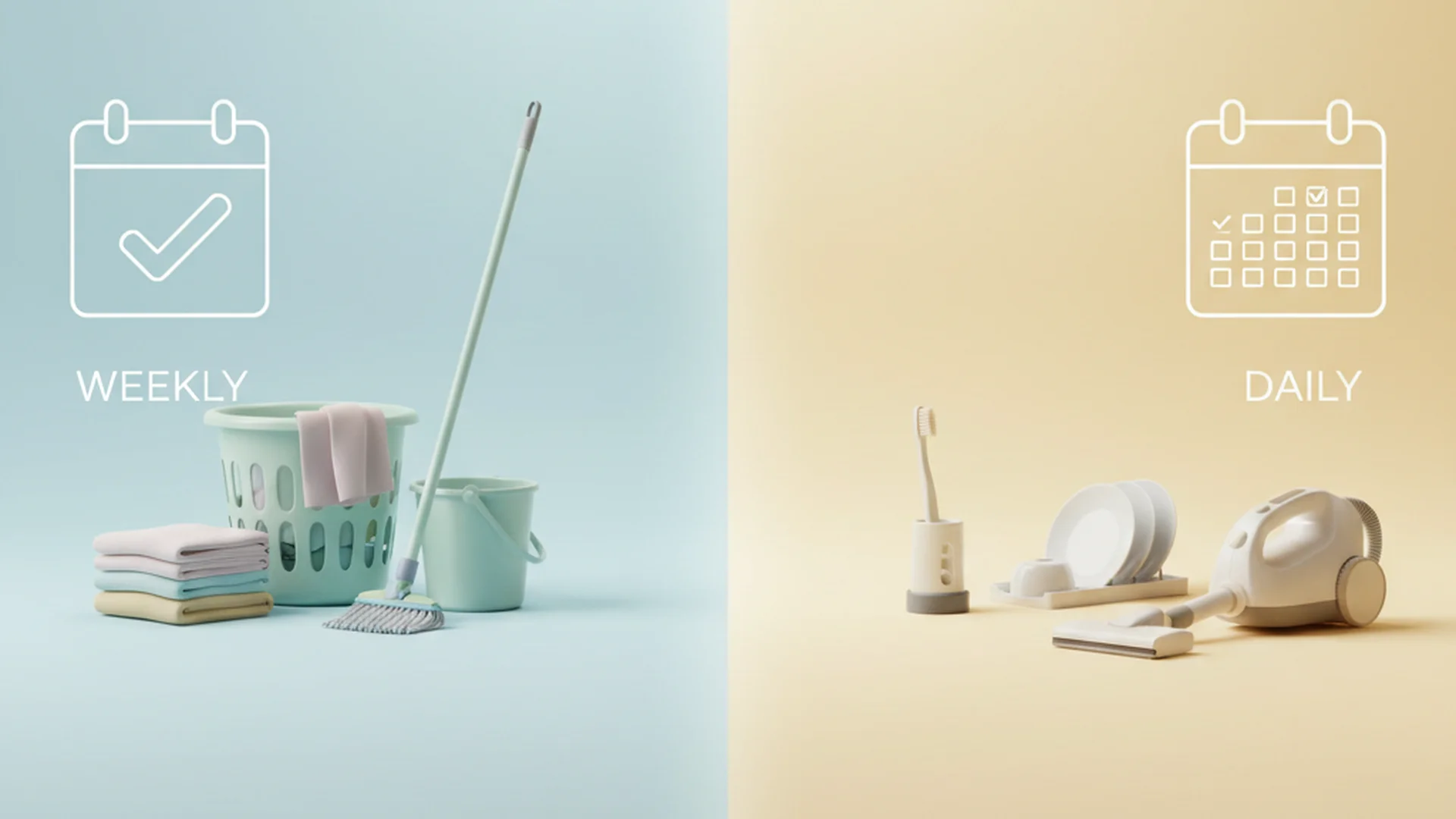
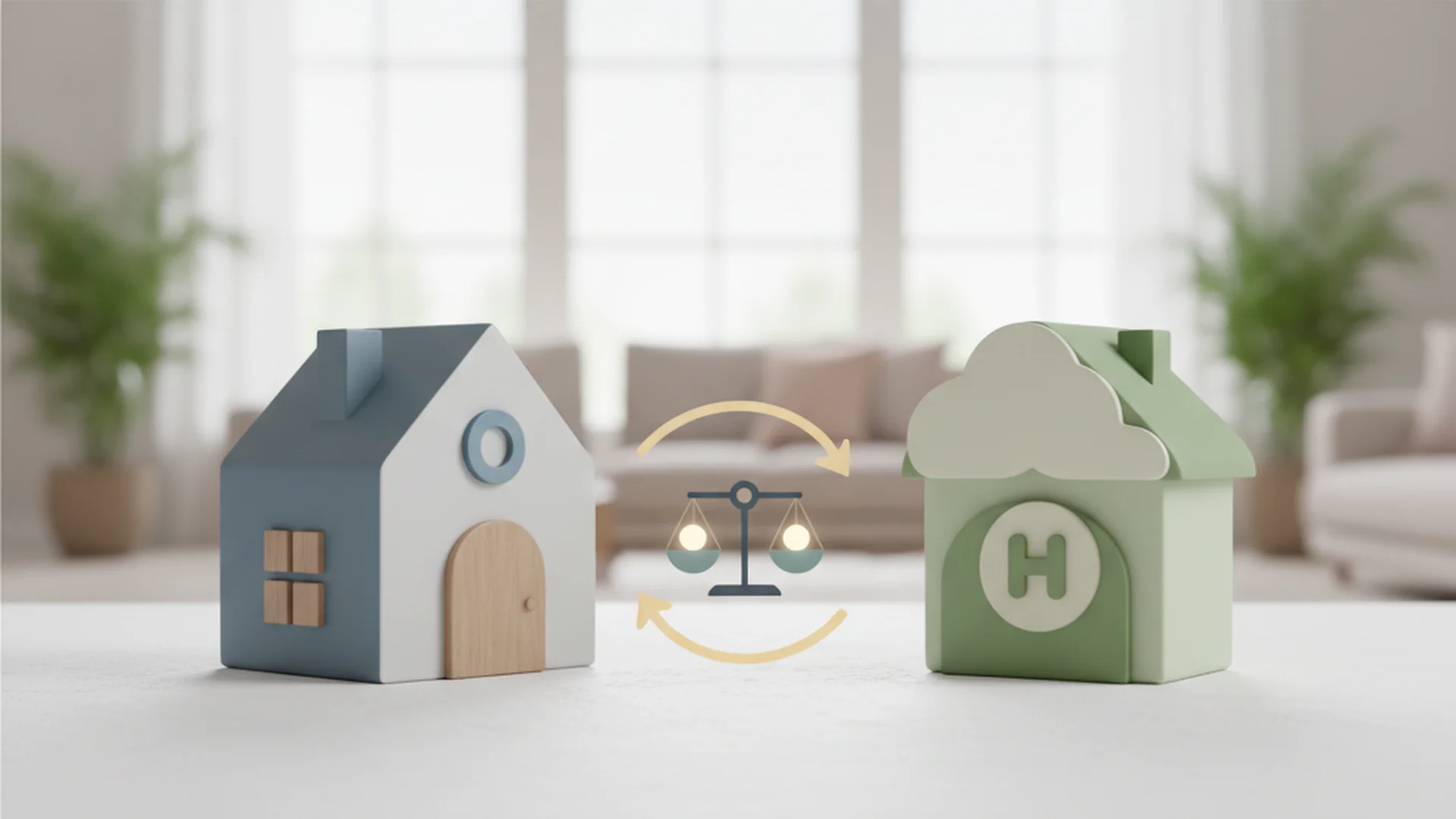
In the modern household, the struggle to manage daily tasks often feels like a second full-time job. This "mental load"—the invisible labor of tracking, assigning, and reminding family members of their responsibilities—is a primary source of domestic stress. When deciding between a paper vs digital chore chart, parents often find themselves torn between the nostalgic, tactile simplicity of a fridge-mounted list and the automated, high-tech efficiency of a smartphone app. As a professional cleaning consultant, I have seen families thrive and fail with both systems.
Choosing the right tool isn't just about checking boxes; it’s about choosing the system that actually gets the dishes done without a shouting match. In this guide, we will dig into the psychology of habit formation and the latest 2026 trends to help you decide which is better: paper vs digital chore chart for your unique family dynamic.
The Case for Paper: Tactile Learning and Cognitive Development
While we live in an increasingly digital world, the humble paper chore chart remains a powerhouse for a specific demographic: young children. There is a good reason why a sticker on a chart feels more rewarding to a five-year-old than a notification on an iPad.
Marking something by hand on physical paper tends to stick in the memory far better than tapping a screen. For a child learning the "habit" of a chore, the physical act of marking a "check" or placing a magnetic star is a reward grounded in tactile reality.
Why Paper Wins for Toddlers and Early Elementary
For children aged 3 to 7, the "out of sight, out of mind" rule is absolute. A digital app buried on a parent's phone doesn't exist to a toddler. A paper chart taped to the refrigerator, however, is a constant visual reminder of expectations.
- Immediate Feedback: The physical reward of a sticker is immediate and tangible.
- Visual Persistence: The chart is always "on." It doesn't have a lock screen or a dead battery.
- Ownership: Allowing a child to decorate their own paper chart creates a sense of "buy-in" that a pre-designed app interface cannot replicate.
Tip: If using a paper chart, place it at the child's eye level. Accessibility is the first step toward accountability.
Real-World Example: The "Sticker Economy"
Consider the Miller family. With two children under the age of six, they struggled with "morning chaos." By implementing a simple, color-coded paper chart on the pantry door, the kids could see exactly what was needed: brush teeth, put on shoes, and pack the backpack. The physical act of placing a "gold star" on the chart each morning transformed a chore into a game. The Millers found that the visual presence of the chart cut out most of the morning nagging within the first month.
The Digital Revolution: Automation and Conflict Reduction
As children grow older and the complexity of the household increases, the limitations of paper become clear. This is where the digital transition begins to show its strength. Families who switch to digital organization tools often find that household-related conflicts drop away sharply.
The reason? Digital apps remove the "Parent as Nag" dynamic. Instead of a mom or dad reminding a teenager for the fifth time to take out the trash, the app sends a push notification. The "bad guy" is the phone, not the parent.
The Power of "Mathematical Fairness"
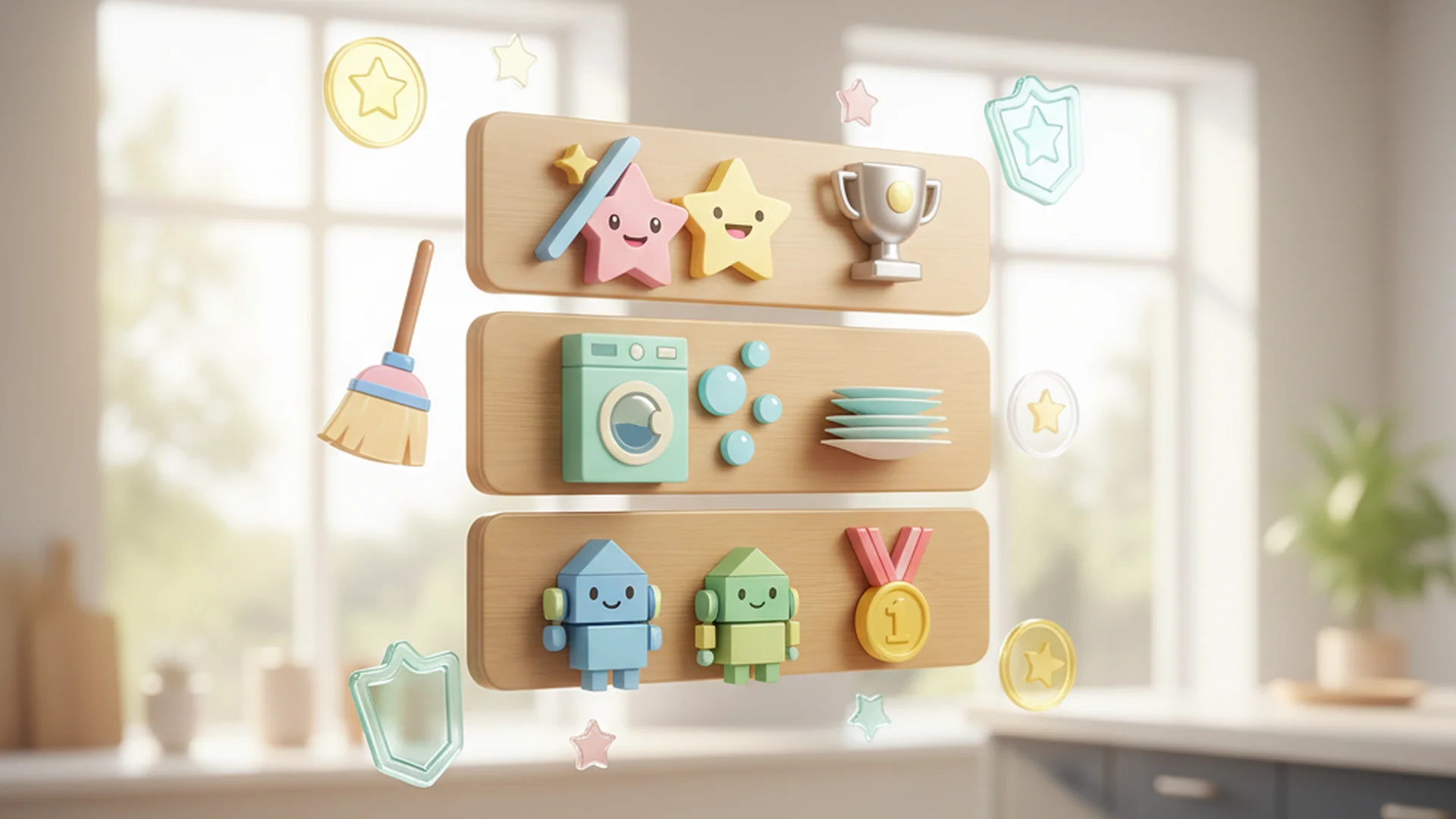
One of the most significant trends entering 2026 is the rise of "fairness algorithms" in apps like FairChore. These platforms allow families to assign "weights" to tasks.
- High-Weight Task: Deep cleaning the bathroom (50 points).
- Low-Weight Task: Emptying the kitchen trash (5 points).
This data-driven approach addresses the gender gap in domestic labor. Women still perform the lion's share of domestic tasks, and digital apps make that invisible labor visible. It’s hard to argue about who does more when the app lays both point totals side by side.
Note: Digital apps are excellent for "Proof of Work." Many 2025-era apps now require a photo upload of the completed chore before the points are awarded.
Real-World Example: Gamifying the Teen Years
The Thompson family had a classic problem: their 14-year-old son was "blind" to the overflowing laundry basket. They switched to a gamified app called Joon, which functions like a Role-Playing Game (RPG). By folding laundry in real life, the son earned "mana" to level up his digital avatar. The transformation was instant. The "boring" task became a necessary step in his gaming progress, shifting his perspective from "doing a favor for Mom" to "advancing my character."
Age-by-Age Guide: When to Switch?
Choosing between a paper vs digital chore chart often depends on the developmental stage of your children. Here is a practical breakdown:
| Age Group | Recommended Tool | Primary Benefit |
|---|---|---|
| 3–7 Years | Paper / Stickers | Tactile feedback and brain development |
| 8–12 Years | Digital Apps | Gamification and early independence |
| 13+ Years | Digital / Neobank | Link between labor and financial reward |
The "Sweet Spot" (Ages 8-12)
This is the transition period. Children in this age bracket are tech-savvy enough to enjoy an app but still need guidance. This is the perfect time to introduce "Parental Approval" toggles in apps, where a chore is marked "pending" until a parent verifies the work.
The Independence Phase (Ages 13+)
Teens value autonomy. Digital apps that sync directly with "neobank" cards (like Greenlight or GoHenry) are the gold standard for 2026. This automates the "work-to-pay" pipeline. When the chore is done, the allowance is deposited. No more "I'll pay you next week when I have cash."
Warning: Do not tie every chore to money. Keep "baseline chores" (like cleaning one's own room) unpaid to foster a sense of family duty.
2026 Trends: AI Assistants and the Hybrid Model
As we move into 2026, the debate of paper vs digital chore chart is being settled by a third option: The Hybrid Approach.
AI Chore Assistants
New platforms like Hearth Helper are changing the game. These AI-driven systems look at the entire family's digital calendar. If Tuesday is packed with soccer practice and music lessons, the AI automatically "load-balances" the chores, moving the heavy cleaning tasks to a lighter Wednesday. This prevents burnout and ensures the system remains realistic.
Stationary Digital Tablets
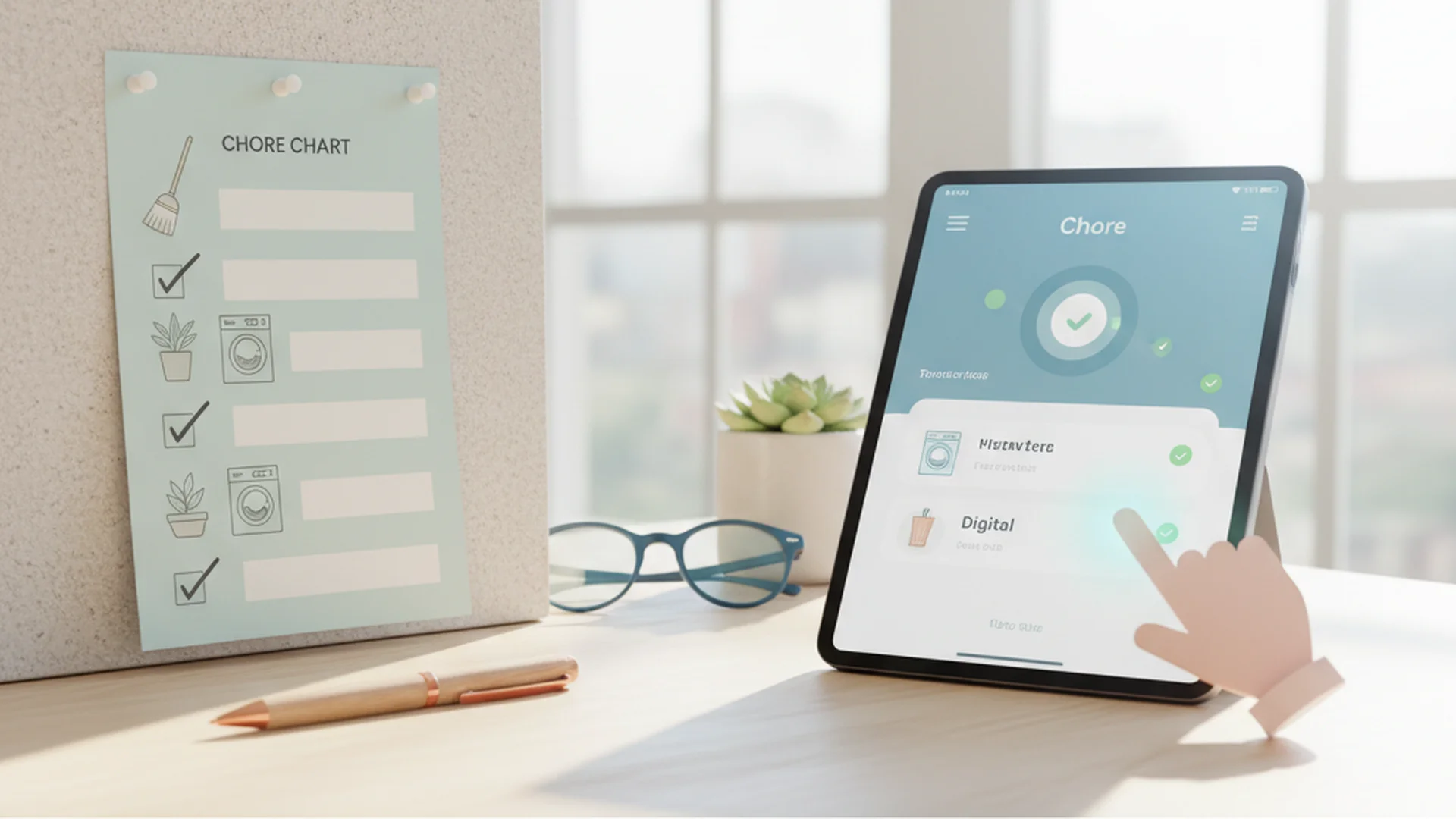
The "Hybrid Model" often utilizes a stationary wall-mounted tablet (such as Skylight). This provides the "centralized visibility" of a fridge-mounted paper chart but includes the automated reminders and syncing capabilities of a mobile app. It is the best of both worlds: it cannot be lost under a pile of mail, and it updates in real-time.
Success: A central wall-mounted digital hub is the setup families tend to stick with the longest.
Common Mistakes to Avoid
Even the best system will fail if implemented poorly. Here are the five most common pitfalls I see in professional consultations:
- The "Set It and Forget It" Trap: No tool replaces communication. You must hold a weekly family meeting to review the chart, discuss what’s working, and adjust tasks.
- The Pinterest-Perfect Mistake: Many parents spend hours creating a beautiful, hand-lettered paper chart or a complex digital hierarchy, only to have the family abandon it in two weeks because it's too high-maintenance. Keep it simple.
- The Reward Economy Overload: If kids only work for rewards, they learn to negotiate every single task. Make it clear that some things are done simply because "we live here."
- Waiting Too Long: Don't wait until your child is 10 to start. Start at age 2 or 3 with "micro-chores" like putting one toy in a bin to build the identity of a "contributor."
- Lack of Mastery Training: Don't just add "Clean Bathroom" to an app and expect it to be done correctly. Follow the Rule of Three:
-
- You do it, they watch.
-
- You do it together.
-
- They do it, you watch.
-
Frequently Asked Questions
At what age should I switch from paper to a digital app?
Will my kids just "cheat" on a digital app and mark chores as done?
Does tying chores to money actually work?
Are digital chore apps just more "bad" screen time?
How do I handle a child who refuses to do chores regardless of the system?
Conclusion: Finding Your Family's Flow
In the debate of paper vs digital chore chart, there is no single "winner," but there is a "right" choice for your current season of life. If you have toddlers, stick to the tactile joy of paper and stickers. If you are managing a household of busy teens and trying to balance the mental load between partners, the data-driven fairness of a digital app is unmatched.
For most modern families in 2026, the Hybrid Approach—a central digital hub in the kitchen—offers the highest success rate. It provides the visibility of paper with the intelligence of AI, ensuring that the burden of household management is shared equally and transparently.
Success: Reducing your mental load starts with a single step. Choose a system today, keep it simple, and watch your family's productivity soar.
Cleaning that keeps score
Every task earns points, every streak multiplies them, and Premium adds a household leaderboard plus a monthly Dustagorgon to beat.
- Free forever
- 30 badges to earn
- Up to 6 in a household
No card needed. Set up your rooms in a couple of minutes.