In this article
What you’ll learn
- Starting chores young, at age 3 or 4, sets children up well for adulthood.
- Distinguish between personal responsibilities and family contributions.
- Modern strategies like 'FAFO' and 'Sittervising' reduce parental burnout.
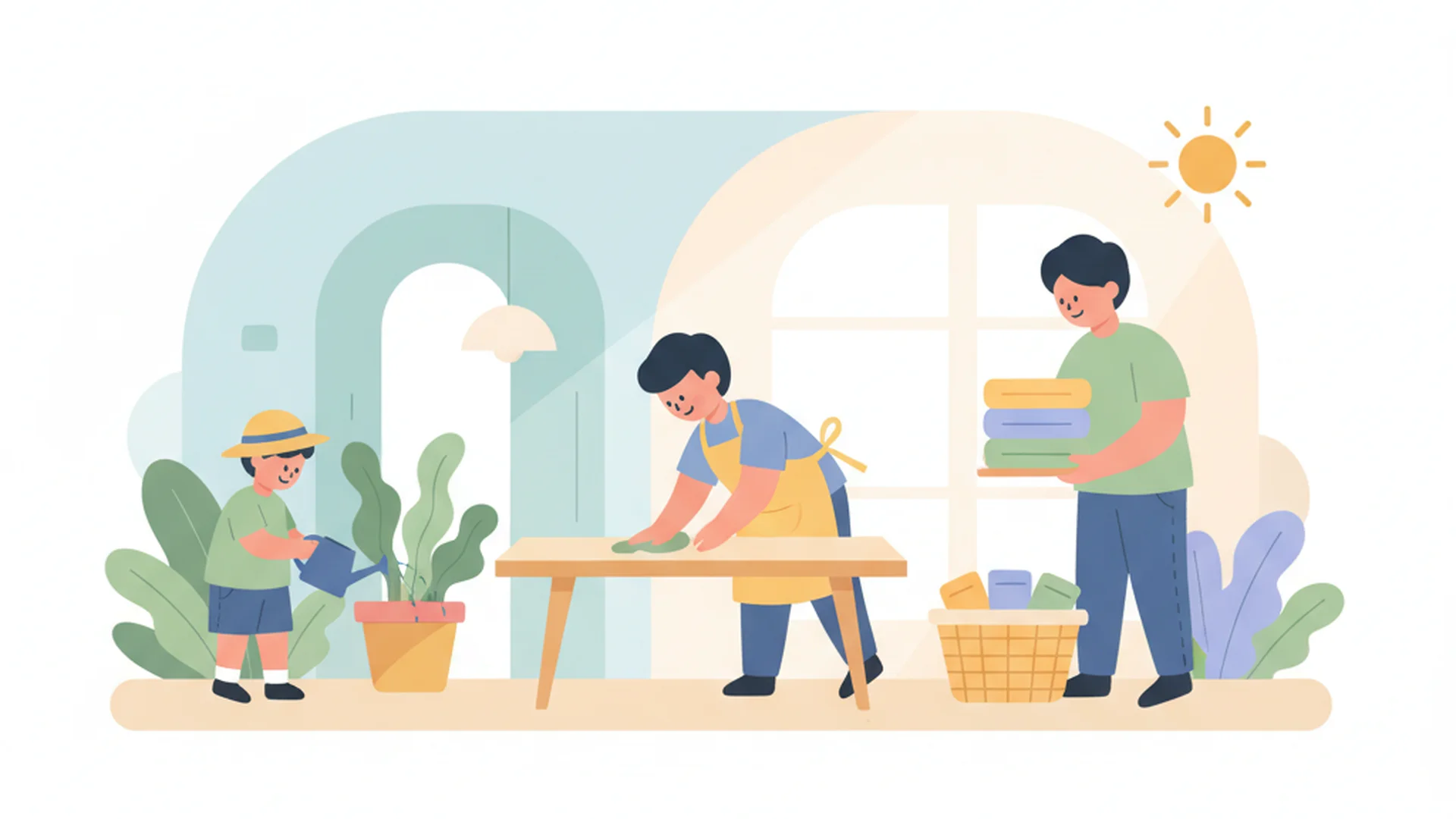
If you have ever found yourself staring at a mountain of laundry while your teenager plays video games, or tripped over a stray LEGO for the tenth time today, you know the "chore war" is real. However, reframing the conversation from "helping out" to implementing non negotiable chores kids must complete is one of the most powerful things you can do for your child's future.
It is easy to view chores as a way to lighten your own load, but they are much more than that. They are the building blocks of executive function, empathy, and resilience. By establishing a clear non negotiable chores kids list, you are not just cleaning your house—you are raising a capable adult.
The Science of the "Early Start"
The argument for giving kids chores isn't just about keeping a tidy home; the benefits carry a long way into adulthood. Children who begin pitching in at age 3 or 4 tend to arrive in their mid-20s better equipped for the things that matter—finishing their education, finding a career path, and holding down healthy relationships.
Those who don't start until their teens usually find the habit far harder to build. There seems to be a "developmental window" for cultivating a "pitch-in" mindset, and it opens early.
Success: Children who perform regular chores build stronger working memory and self-control—essential components of executive function.
Defining "Non-Negotiable" vs. "Extra" Chores
To end the daily power struggles, parents must distinguish between what is an expected part of living in a household and what qualifies as an "extra" effort.
Personal Responsibilities (The True Non-Negotiables)
These are tasks that relate directly to the child’s own existence. In my house, we call these "the cost of admission" to the family. If you wear clothes, you help manage them. If you eat, you clear your plate. These are never tied to an allowance because you shouldn't be paid for basic self-care.
Family Contributions (The Teamwork Tasks)
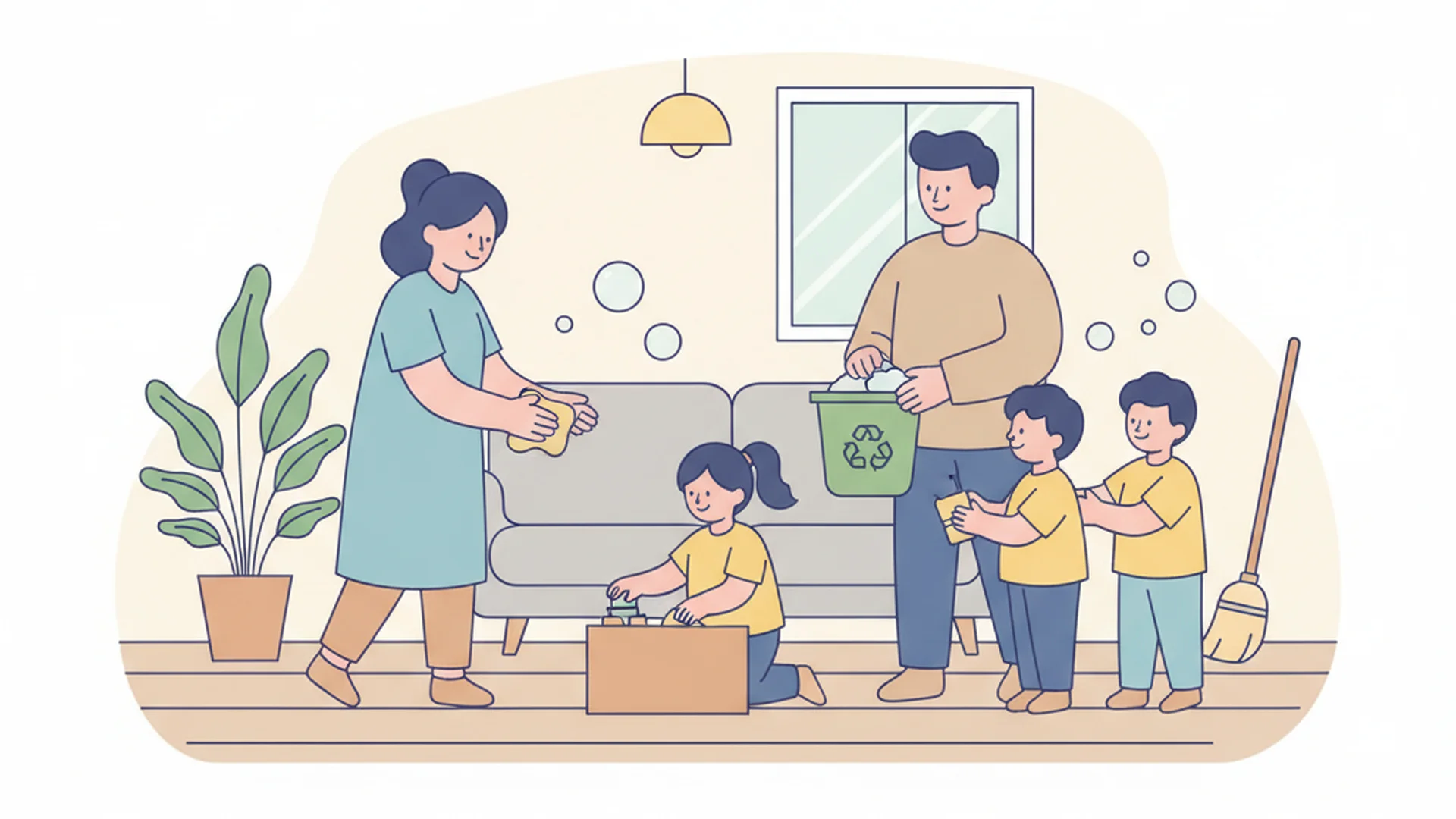
These tasks benefit everyone and teach the child that the home requires collective effort to function. While still often non-negotiable, these are the areas where you might allow some choice (e.g., "Do you want to take out the recycling or vacuum the rug?").
Note: Basic household chores should not be tied to an allowance. This teaches children that they are part of a "team" where everyone contributes to a shared space.
The Non-Negotiable Chores Kids List by Age
When looking for non negotiable chores kids ideas, it is vital to match the task to the developmental stage. Below is a breakdown of what you can realistically expect from your children as we head into 2026.
| Age Group | Personal Responsibilities | Family Contributions |
|---|---|---|
| Ages 3-5 | Putting toys in bins, clearing plate | Matching socks, dusting (with a sock on hand) |
| Ages 6-9 | Making bed, packing school bag | Emptying dishwasher, setting the table |
| Ages 10-12 | Doing own laundry, room "walkable" | Vacuuming common areas, taking out trash |
| Teens 13+ | Managing digital hygiene/charging | Preparing one simple meal a week, yard work |
Real-World Example: The "Digital Hygiene" Sunday
In 2026, chores have evolved. For my 13-year-old, a non-negotiable part of Sunday evening is "Digital Hygiene." This includes organizing charging cables at the central station, deleting old apps that take up storage, and ensuring school files are backed up. It’s a modern life skill that treats tech management like a physical chore.
Modern Strategies for 2025-2026: FAFO and Sittervising
If you are tired of being the household nag, it is time to embrace the latest parenting trends that focus on autonomy and natural consequences.
The FAFO Trend (Natural Consequences)
The "FAFO" (Find Out) trend has gained massive traction in 2025. Instead of lecturing your child about a messy room or unwashed sports jersey, you step back. If the non-negotiable chore was "laundry in the hamper by Friday" and the child forgets, the "consequence" is simply having no clean jersey for the game on Saturday. You don't get angry; the situation provides the lesson.
Sittervising for Chores
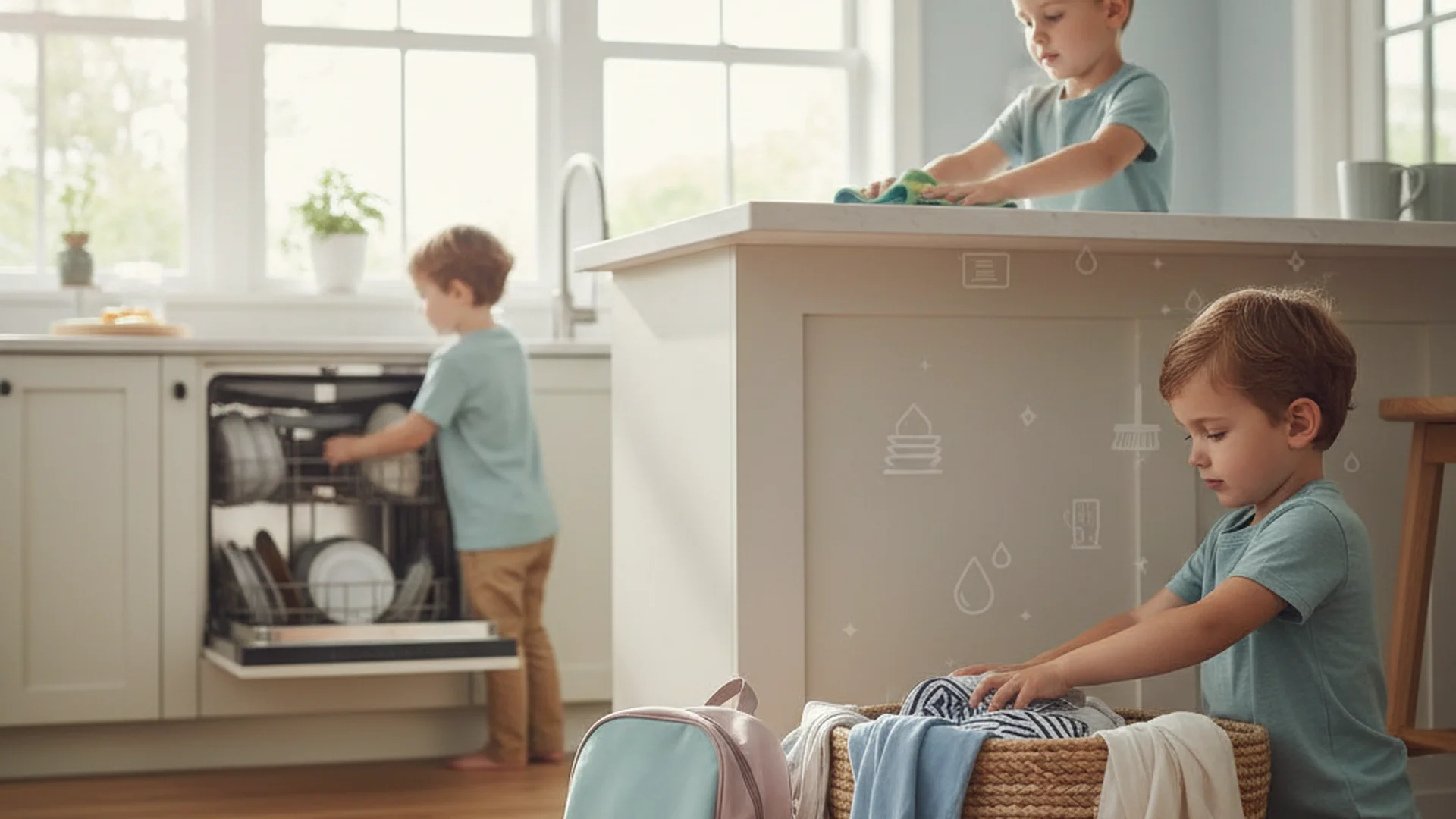
"Sittervising" is the art of strategic non-intervention. When your 7-year-old is struggling to load the dishwasher, resist the urge to jump in and do it "the right way." Instead, sit nearby with your coffee. This builds grit. You are present if they have a question, but you aren't hovering or taking over.
Tip: The quality of the chore is less important than the initiative taken by the child. Avoid re-doing their work in front of them!
Common Mistakes to Avoid
Even with the best intentions, it is easy to fall into traps that kill a child's motivation to contribute.
- Using Chores as Punishment: If you tell a child to "go wash the windows" because they hit their brother, you are teaching them that work is a "sentence." Chores should be framed as a contribution, not a penalty.
- The Perfectionism Trap: If you re-fold the towels your toddler just struggled to stack, you signal that their effort wasn't good enough. This is a surefire way to ensure they never want to help again.
- Waiting for the "Right" Age: Many parents wait until age 10 because "they can do it right then." By then, you’ve missed the window where toddlers actually want to mimic you.
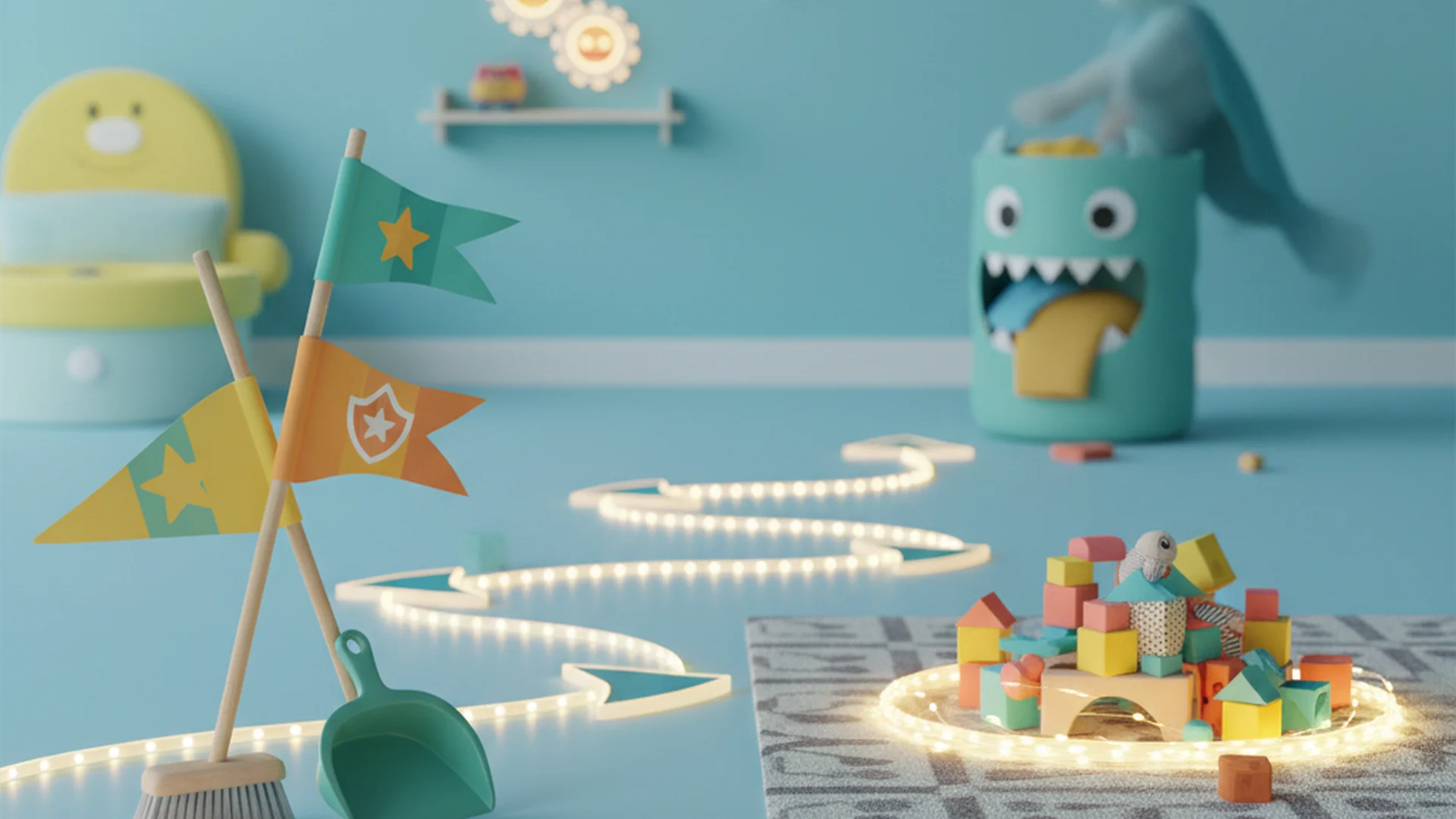
- Vague Instructions: "Clean your room" is overwhelming for a child. Use "micro-tasks" like "Put all the LEGOs in the blue bin."
Real-World Example: The Dishwasher "Disaster"
A friend of mine recently allowed her 8-year-old to take over the dishwasher as a non-negotiable family contribution. The first three times, bowls were nested together and didn't get clean. Instead of taking the chore away, she used "Sittervising" to ask, "Why do you think the water couldn't reach the inside of that bowl?" The child solved the problem himself, and now he is the household expert.
Warning: Never mix bleach with ammonia-based cleaners when teaching kids about bathroom chores. Always supervise the use of cleaning chemicals.
Frequently Asked Questions
Should I pay my kids for chores?
At what age can kids actually be helpful?
What if my child refuses to do their non-negotiable chores?
How do I handle the "I'll do it later" excuse?
Conclusion: Playing the Long Game
Implementing non negotiable chores kids are responsible for isn't about having a "Pinterest-perfect" home. In fact, in 2026, the trend is shifting toward "Good Enough Homemaking"—prioritizing the child's initiative over the aesthetic result.
When you insist on these daily contributions, you are teaching your children that they are capable, that their effort matters, and that they are an essential part of a community. You aren't just raising a child who can fold a shirt; you are raising an adult who sees a need and fills it.
Cleaning that keeps score
Every task earns points, every streak multiplies them, and Premium adds a household leaderboard plus a monthly Dustagorgon to beat.
- Free forever
- 30 badges to earn
- Up to 6 in a household
No card needed. Set up your rooms in a couple of minutes.