In this article
What you’ll learn
- Monthly cleaning improves indoor air quality and mental health.
- Using a "Zone" method prevents burnout and ensures deep-cleaning consistency.
- Modern trends in 2026 focus on microbiome-friendly and sustainable cleaning.
Maintaining a home can often feel like a never-ending cycle of laundry and dishes. However, there is a significant difference between daily tidying and the deep-level maintenance required to keep a household running efficiently. Implementing a consistent monthly cleaning checklist is the secret weapon for homeowners who want to balance a pristine environment with a busy lifestyle.
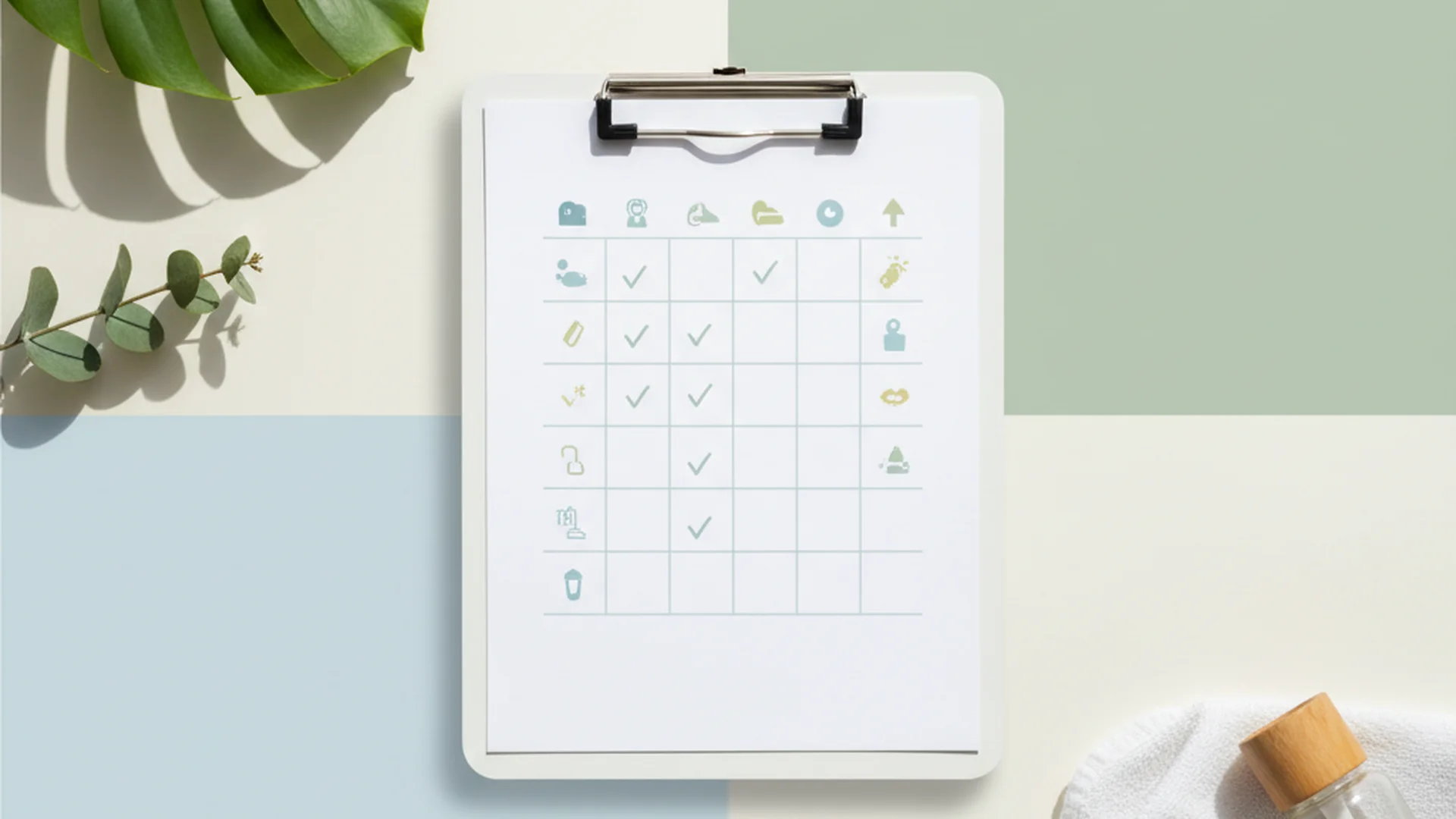
In this guide, we will break down the essential tasks that often fall through the cracks of weekly chores. By the end of this article, you will have a clear roadmap to transform your living space, improve your indoor air quality, and reclaim your weekends. Whether you are looking for a monthly cleaning checklist printable to stick on your fridge or a digital monthly cleaning checklist template to track your progress, we have you covered for 2026 and beyond.
The Science of a Clean Home: Why Monthly Maintenance Matters
Before we dive into the "how," let’s look at the "why." Plenty of people find that a clean and organized home sets the tone for everything else they do. It’s not just about aesthetics; it’s about mental health and physical well-being.
A lot of people notice a genuine lift in mood when they are living in a tidy space, and a corresponding slide into anxiety or stress when they are surrounded by clutter. Beyond the mental aspect, the air inside a home can easily end up dirtier than the air outside it. This is largely due to dust and allergens trapped in carpets, vents, and upholstery—areas that are frequently missed during daily or weekly wipes but are core components of a monthly deep clean.
Note: Dust isn't just "dirt." It is a complex mix of skin cells, pollen, and microscopic fibers that can aggravate allergies if not addressed monthly.
Weekly vs. Monthly Cleaning: What’s the Difference?
A common question many homeowners ask is, "What is the difference between a weekly and monthly cleaning checklist?"
The answer lies in the depth of the task. Weekly cleaning focuses on maintenance—think vacuuming high-traffic floors, wiping down bathroom surfaces, and clearing out the trash. Monthly cleaning, however, targets "deep-seated" dirt and the long-term maintenance of your expensive home appliances.
For example, while you might wipe the front of your dishwasher weekly, a monthly task involves cleaning the internal filter and running a descaling cycle. This doesn't just keep the kitchen smelling fresh; it extends the life of the appliance, saving you thousands in repairs over time.
The Ultimate Monthly Cleaning Checklist by Zone
To make this manageable, we recommend the "Zone Method." Instead of spending an entire Saturday exhausted by chores, assign one room or a group of related tasks to each week of the month.
The Kitchen: The Heart of the Home
The kitchen is the highest-traffic area in most homes and requires the most technical cleaning.
| Task | Methodology | Expert Tip |
|---|---|---|
| Dishwasher Filter | Remove the bottom rack, twist out the filter, and rinse under hot water. | Use a soft toothbrush to scrub the spray arms for better water flow. |
| Refrigerator Coils | Vacuum the coils at the back or bottom of the unit. | This can improve energy efficiency by up to 10-15%. |
| Microwave Interior | Steam clean by boiling a bowl of water and lemon slices for 5 minutes. | The steam loosens food, allowing you to wipe it away without scrubbing. |
| Oven Deep Clean | Apply a paste of baking soda and water; let sit overnight. | Avoid using the self-clean cycle in summer to prevent overheating your kitchen. |
Warning: Never mix bleach with vinegar or ammonia. The chemical reaction creates toxic chloramine gas.
The Living Room & Common Areas
These spaces are where you relax, but they are also magnets for dust and pet dander.
- Vacuum Upholstery: Don’t just vacuum the floor. Use the upholstery attachment to get deep into the crevices of sofas and armchairs.
- Dust High Points: Use a microfiber duster on ceiling fans, the tops of bookshelves, and door frames.
- Clean Electronics: Wipe down remote controls and game controllers with a 70% isopropyl alcohol solution.
Tip: Slide an old pillowcase over ceiling fan blades to catch dust, preventing it from falling onto your furniture.
The Bathroom: Sanitization Focus
While the bathroom gets cleaned weekly, the monthly deep clean focuses on the areas that harbor mold and mineral buildup.
- Scrub Grout: Use a 1:1 mix of baking soda and water. Apply the paste, let it sit for 10 minutes, and scrub with a stiff brush.
- Soak Showerheads: If your showerhead has uneven spray, it’s likely mineral buildup. Fill a plastic bag with white vinegar, tie it around the showerhead with a rubber band, and let it soak overnight.
- Wash Bath Mats: Throw fabric mats and shower curtains (if machine-washable) into the wash on a high-temperature setting to kill bacteria.
Success: Regularly soaking your showerhead can restore full water pressure and prevent the growth of Biofilm.
Expert Strategies for Efficiency
To get the most out of your monthly cleaning checklist template, follow these tried-and-tested best practices:
1. The Top-to-Bottom Rule
Always start at the highest point of a room and work your way down. Gravity ensures that any dust or debris disturbed during the cleaning of a ceiling fan or shelf will fall to the floor. If you vacuum first and then dust the fan, you’ll have to vacuum all over again.
2. Let the Product Work (Dwell Time)
One of the biggest mistakes people make is spraying a surface and wiping it immediately. Give your cleaner some "dwell time." Spray it on the shower tiles or the greasy stovetop and let it sit for 5 to 10 minutes. This allows the chemicals to break down the grime, reducing the amount of "elbow grease" you need to apply.
3. Color-Code Your Cloths
Prevent cross-contamination by using specific colors for specific tasks. For example, use Blue cloths for glass and mirrors, Red for bathrooms, and Yellow for the kitchen. This ensures you aren't using a cloth that just cleaned a toilet to wipe down your kitchen counters.
Trends in 2026: The Future of Cleaning
The cleaning industry is evolving rapidly. In 2025 and 2026, we are seeing a shift away from "harsh" sanitation toward more holistic home maintenance.
- The Microbiome-Friendly Home: Instead of killing 99.9% of all bacteria, many homeowners are switching to probiotic cleaners. These leave behind "good" bacteria that naturally compete with harmful germs for up to 72 hours.
- Scent-Scaping: Cleaning is now tied to wellness. Modern checklists often include "rotating scents"—using calming lavender for bedroom deep cleans to promote sleep, and energizing citrus or eucalyptus for the kitchen and home office.
- AI & Smart Maintenance: If you have a smart home, your appliances likely now alert you when a filter needs cleaning. Integrate these digital notifications into your monthly routine for a data-driven approach.
Common Mistakes to Avoid
Even the most diligent cleaners can fall into traps that make their work less effective.
- Spraying Directly on Surfaces: Spraying liquid directly onto wood, electronics, or stone can cause moisture to seep into cracks, leading to damage or sticky residue buildup. Correction: Always spray your microfiber cloth first, then wipe the surface.
- Using Too Much Product: Using an excessive amount of soap or cleaner doesn't mean a surface is "cleaner." In fact, it creates a film that actually attracts more dust and dirt over time.
- Over-reliance on Vinegar: While vinegar is a great natural cleaner, its acidity can ruin natural stone (like marble or granite) and can eventually degrade the rubber seals in your dishwasher or washing machine.
- Neglecting High-Touch Points: Many people spend hours on the floors but forget the light switches, door handles, and cupboard pulls—these are the primary hotspots for germ transmission.
Frequently Asked Questions
How long should a monthly deep clean take?
Which appliances need cleaning every month?
Do I really need to wash my walls monthly?
What is the best way to clean window tracks?
Conclusion
A monthly cleaning checklist is more than just a list of chores; it is a commitment to your home's longevity and your family's health. By breaking down deep-cleaning tasks into manageable zones and utilizing modern techniques like "dwell time" and "scent-scaping," you can maintain a high-standard home without feeling overwhelmed.
Remember, the goal is progress, not perfection. Even if you only tackle one zone this weekend, you are already ahead of everyone who has never once cleaned their curtains! Start small, use a monthly cleaning checklist printable to stay organized, and enjoy the mental clarity that comes with a truly clean home.
Success: By following this monthly routine, you cut the time your annual "Spring Cleaning" takes down dramatically.
Cleaning that keeps score
Every task earns points, every streak multiplies them, and Premium adds a household leaderboard plus a monthly Dustagorgon to beat.
- Free forever
- 30 badges to earn
- Up to 6 in a household
No card needed. Set up your rooms in a couple of minutes.