In this article
What you’ll learn
- Performing chores builds the accountability and initiative adulthood demands.
- Transition from teaching "tasks" to teaching "household management" systems.
- Modern life skills include digital security, financial literacy, and sustainability.
As parents, we often prioritize SAT scores, sports trophies, and extracurricular resumes. However, the skills that carry a young person furthest are rarely academic—they are the life skills chores teens master at home. In a world where "adulting" has become a buzzword for a generation feeling unprepared for reality, teaching your teenager how to manage a household is the greatest gift of independence you can provide.
The Science of Responsibility: Why Chores Matter
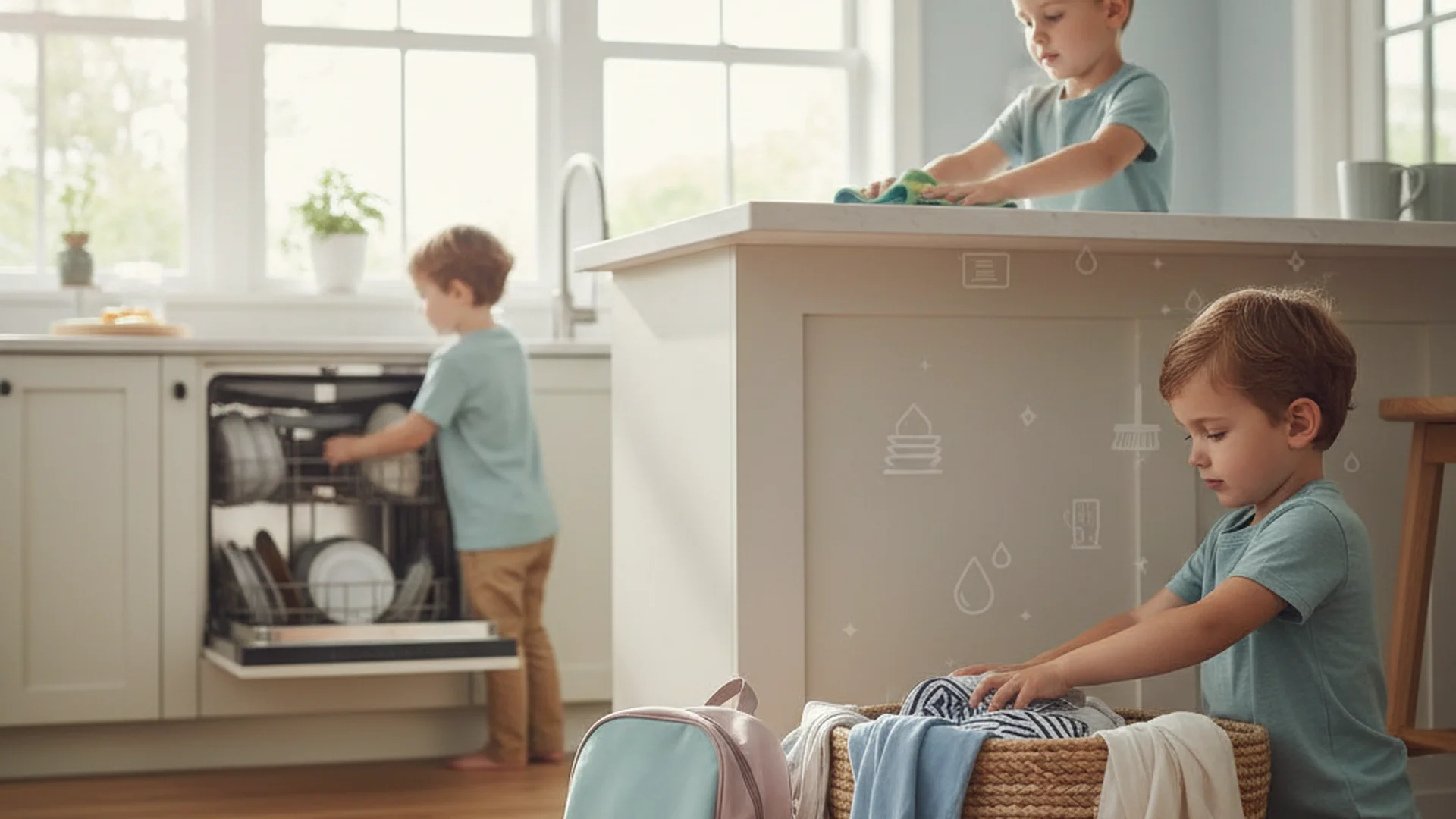
The value of chores extends far beyond a clean kitchen. Children who grow up genuinely pitching in around the house tend to carry that habit straight into their working lives. They develop a "can-do" mindset, a sense of accountability, and the ability to see what needs to be done without being asked.
Starting early matters, too. Children brought into household tasks from as young as three are far more likely to arrive in their mid-twenties already competent at running a home. Despite this, a great many young adults say they feel unprepared for independent living, specifically citing "household management" as a major hurdle. By focusing on life skills chores teens ideas, we can bridge this competence gap.
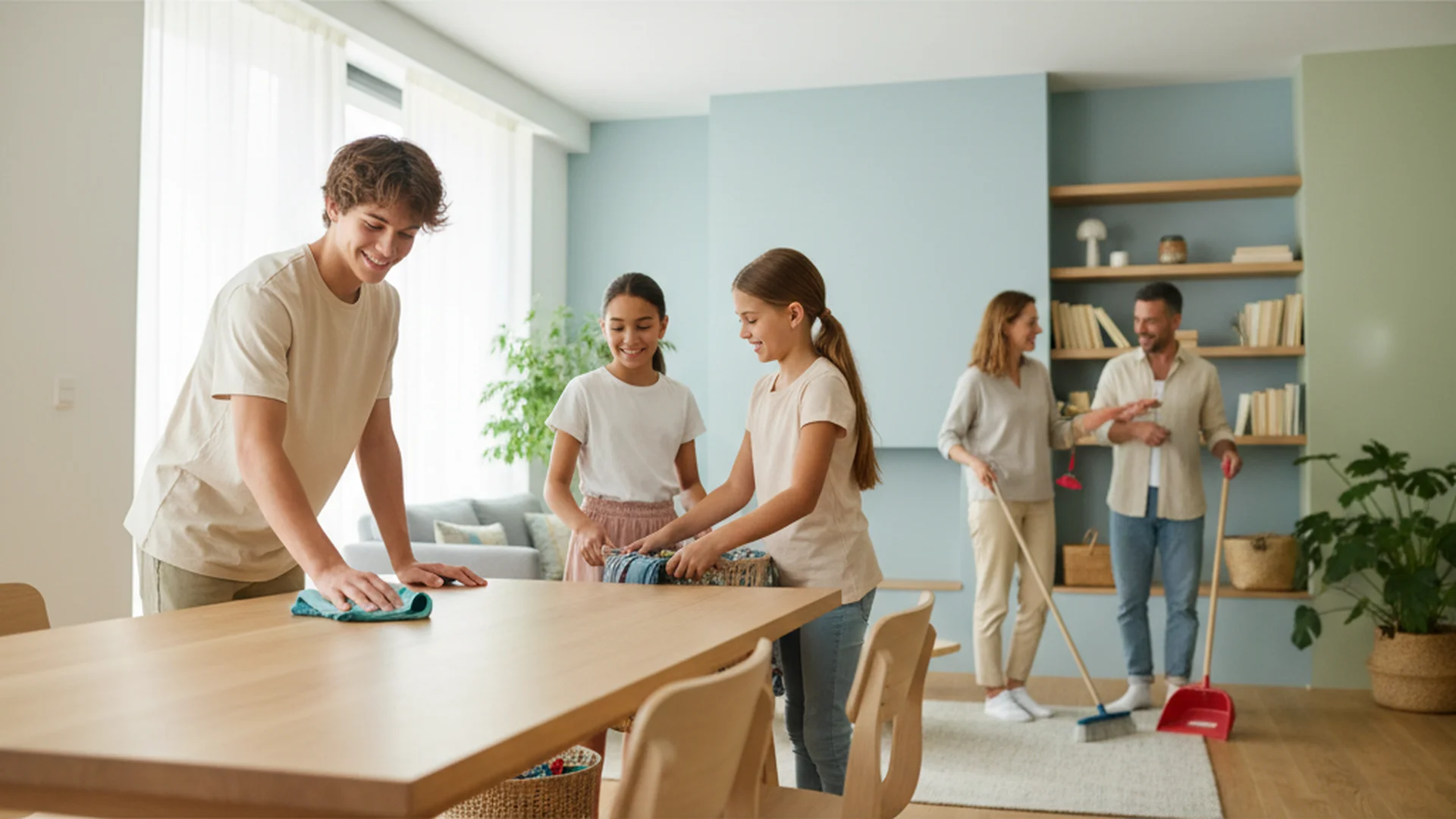
Success: Teens who contribute to household tasks tend to feel more capable and to have a deeper sense of belonging at home.
Transitioning from "Tasks" to "Management"
The biggest mistake parents make is treating chores as a one-off list of commands. To turn a chore into a life skill, you must shift from "commanding" to "consulting." A chore is cleaning the bathroom; a life skill is managing the bathroom.
The "I Do, We Do, You Do" Method
This simple framework ensures your teen actually masters the skill rather than just mimicking the motion:
- I Do: You perform the task (e.g., cleaning the oven) while your teen observes. Explain the "why" behind the products and tools you use.
- We Do: Work together. Let them take the lead on certain steps while you provide real-time guidance.
- You Do: The teen performs the task solo. Your role shifts to giving feedback at the end.
Managing the Mental Load
Instead of saying "Clean the kitchen," teach them to manage the kitchen environment. This includes checking for expired milk, updating the grocery list, and noticing when the dishwasher pods are running low.
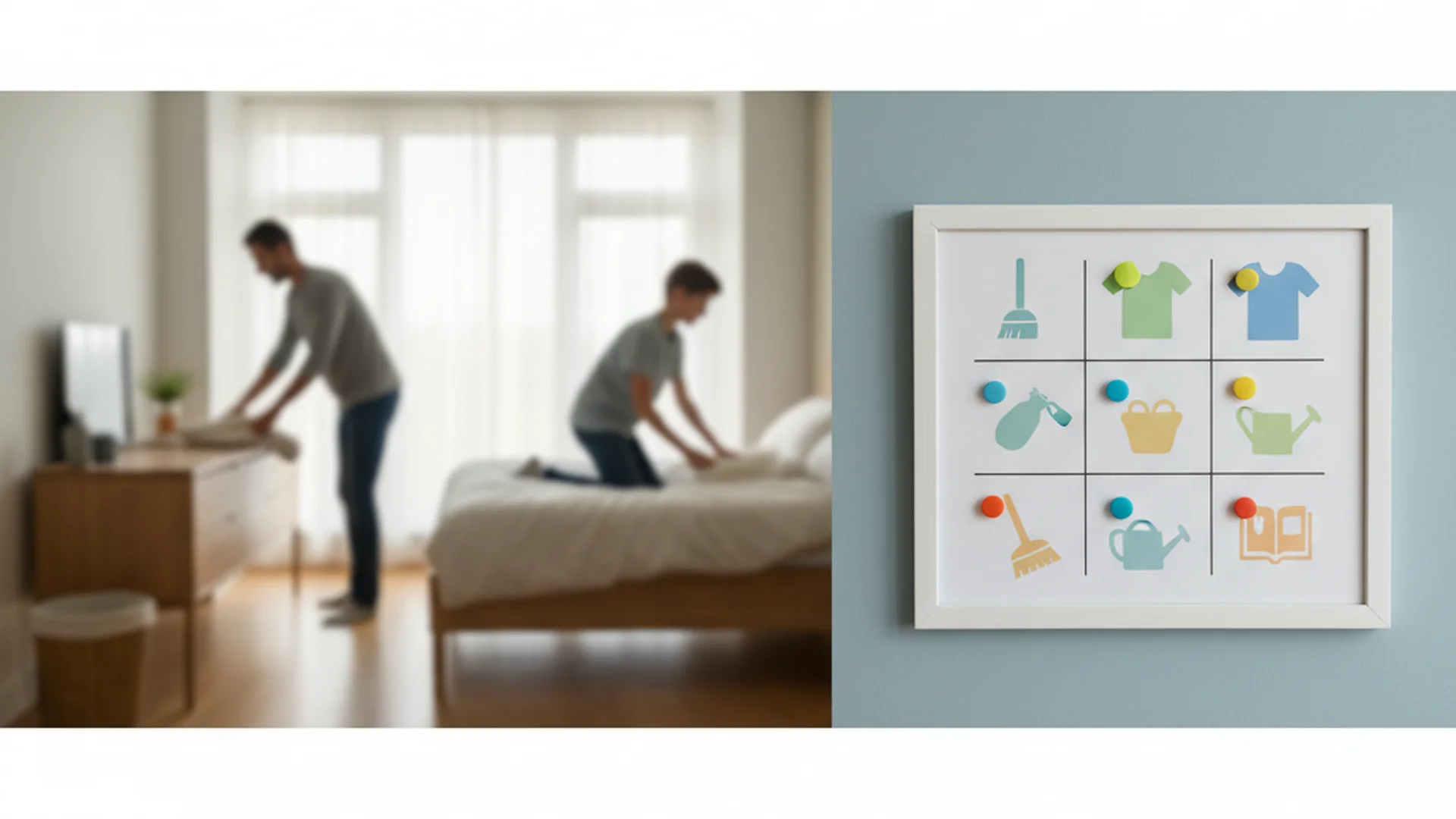
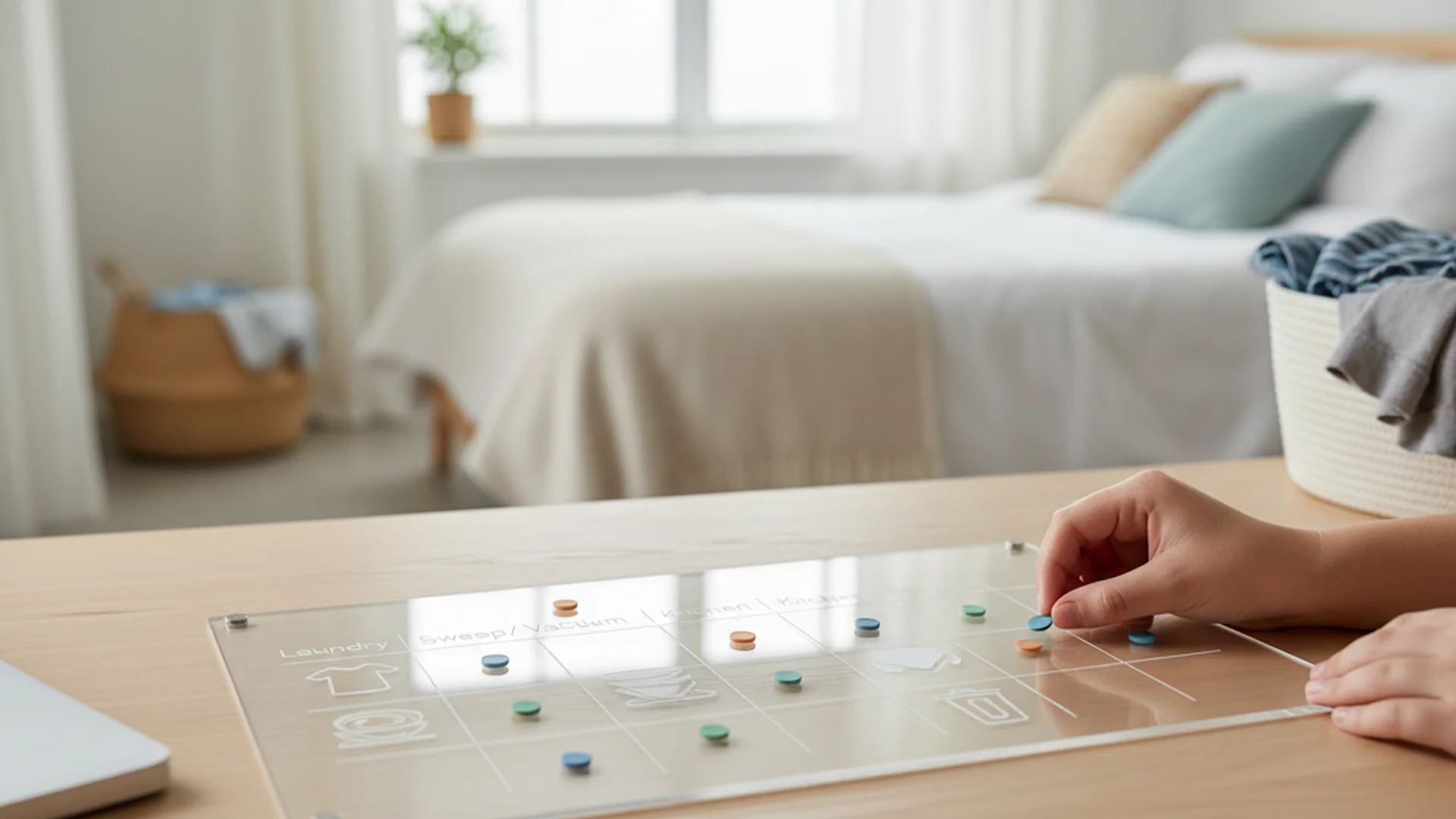
Tip: Provide a standardized checklist for "completed" tasks. Teens often have a different definition of "clean" than parents. A checklist removes the ambiguity.
The Ultimate Life Skills Chores Teens List for 2025
The modern world requires more than just knowing how to sweep. Today’s life skills chores teens list must include digital, financial, and sustainable responsibilities to reflect the 2025–2026 landscape.
| Category | Essential Skills | Modern Update (2025) |
|---|---|---|
| Kitchen | Meal planning, basic cooking, dishwashing | Managing grocery delivery apps & budget |
| Laundry | Sorting, washing, folding, ironing | Sustainable fabric care & mending |
| Maintenance | Changing lightbulbs, unclogging drains | Wi-Fi router resets & smart home updates |
| Finance | Basic budgeting, saving | Managing digital wallets & subscriptions |
| Admin | Making appointments, filing forms | Cyber-hygiene & password management |
1. Kitchen Mastery
A teen should graduate high school knowing how to prepare at least 5 to 7 signature meals. This includes understanding cross-contamination, safe knife skills, and how to shop for groceries on a budget.
Warning: Always teach fire safety and how to use a fire extinguisher before letting a teen master the stovetop solo.
2. Laundry and Wardrobe
By age 14, every teen should be responsible for their own laundry. This isn't just about the machine; it's about fabric care.
- Real-World Example: If a teen forgets to wash their soccer jersey and has to play in a dirty, smelly one, don't "rescue" them by doing a midnight load. The natural consequence of an unpleasant game day teaches the importance of a laundry schedule better than any lecture.
3. Home and Tech Maintenance
In 2025, home maintenance includes the digital realm.
- Cyber-Hygiene: Teach your teen to manage family shared account passwords and back up important data.
- Hardware Care: Show them how to clean laptop fans and phone ports to extend the life of their devices.
4. Sustainable "Green" Chores
Environmental management is a crucial 2025 life skill. This includes waste sorting 2.0 (composting and e-waste disposal) and "repair culture"—teaching them to sew a button or fix a loose screw rather than discarding the item.
Common Mistakes to Avoid
Even with the best intentions, parents often fall into traps that undermine the learning process.
The Perfectionism Trap
Many parents redo the chore immediately after the teen finishes. This is a "competence killer." It signals that the teen’s effort wasn't good enough and discourages them from trying again. If the job isn't perfect, use it as a teaching moment during the "We Do" phase next time.
Using Chores as Punishment
When chores are used as a penalty for bad grades or poor behavior, the teen develops a negative association with household contribution. They begin to see work as a burden rather than a necessary part of being a member of a community.
The "Too Busy" Misconception
Modern teens have packed schedules, but removing chores entirely is a disservice.
- Real-World Example: Think of "Micro-chores." A 15-minute daily block (emptying the dishwasher or taking out the trash) maintains the habit of contribution without overwhelming their AP class schedule.
Note: Avoid gendered chores. To be truly prepared for adulthood, all teens—regardless of gender—need to know how to both cook a meal and check the oil in a car.
Implementing a Reward System
A common question is whether to pay for chores. A "split" system works best, teaching both community responsibility and financial literacy.
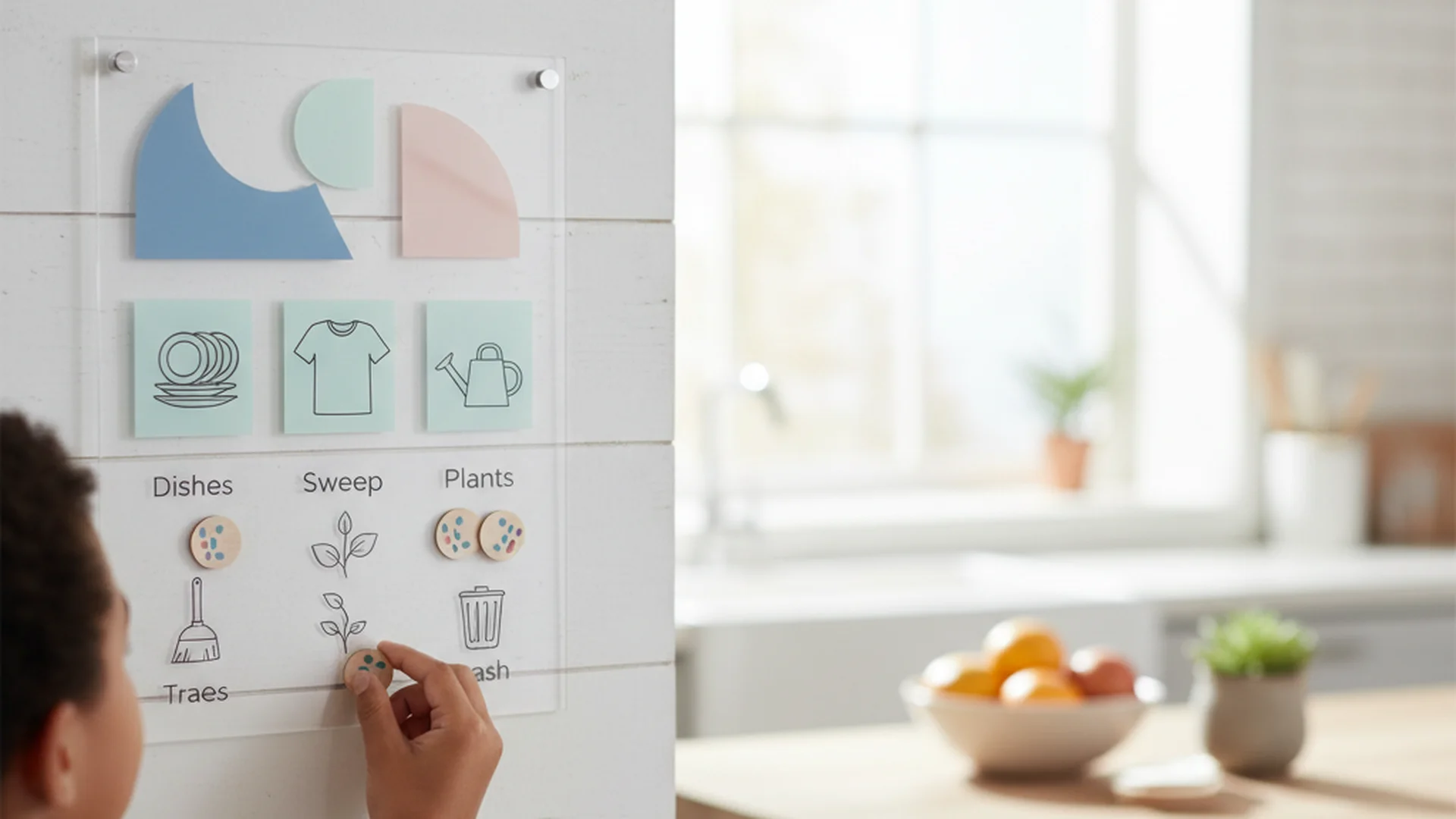
- Routine Chores (Unpaid): Tasks that keep the household running (making their bed, dishes, cleaning their room) should be unpaid. These are "the price of admission" for living in the home.
- Extra Chores (Paid): Larger, non-routine tasks (washing the car, deep cleaning the garage, mowing the lawn) can be tied to an allowance. This allows them to practice using banking apps and managing a "digital wallet."
Success: Using family apps to track chores and digital payments helps teens understand the connection between labor, time, and financial reward.
Frequently Asked Questions
Should I pay my teen for doing routine chores?
How do I deal with a teen who flat-out refuses to do chores?
Are my teen's academics more important than chores?
What are "digital chores"?
Conclusion
Teaching life skills chores teens need isn't about getting free labor; it’s about raising a capable, confident adult. By moving from simple tasks to total household management, and incorporating modern needs like digital hygiene and sustainability, you are ensuring your teenager won't just survive when they leave home—they will thrive. Start small, be consistent, and remember that the goal is progress, not perfection.
Success: A teen who can manage their own laundry, cook a healthy meal, and troubleshoot a Wi-Fi router is a teen who is ready for the world.
Cleaning that keeps score
Every task earns points, every streak multiplies them, and Premium adds a household leaderboard plus a monthly Dustagorgon to beat.
- Free forever
- 30 badges to earn
- Up to 6 in a household
No card needed. Set up your rooms in a couple of minutes.