In this article
What you’ll learn
- Starting chores as early as age 3 builds long-term self-esteem and independence.
- A visual kids chore chart template takes much of the heat out of household conflict.
- Move from a "reward economy" to intrinsic motivation for long-term success.
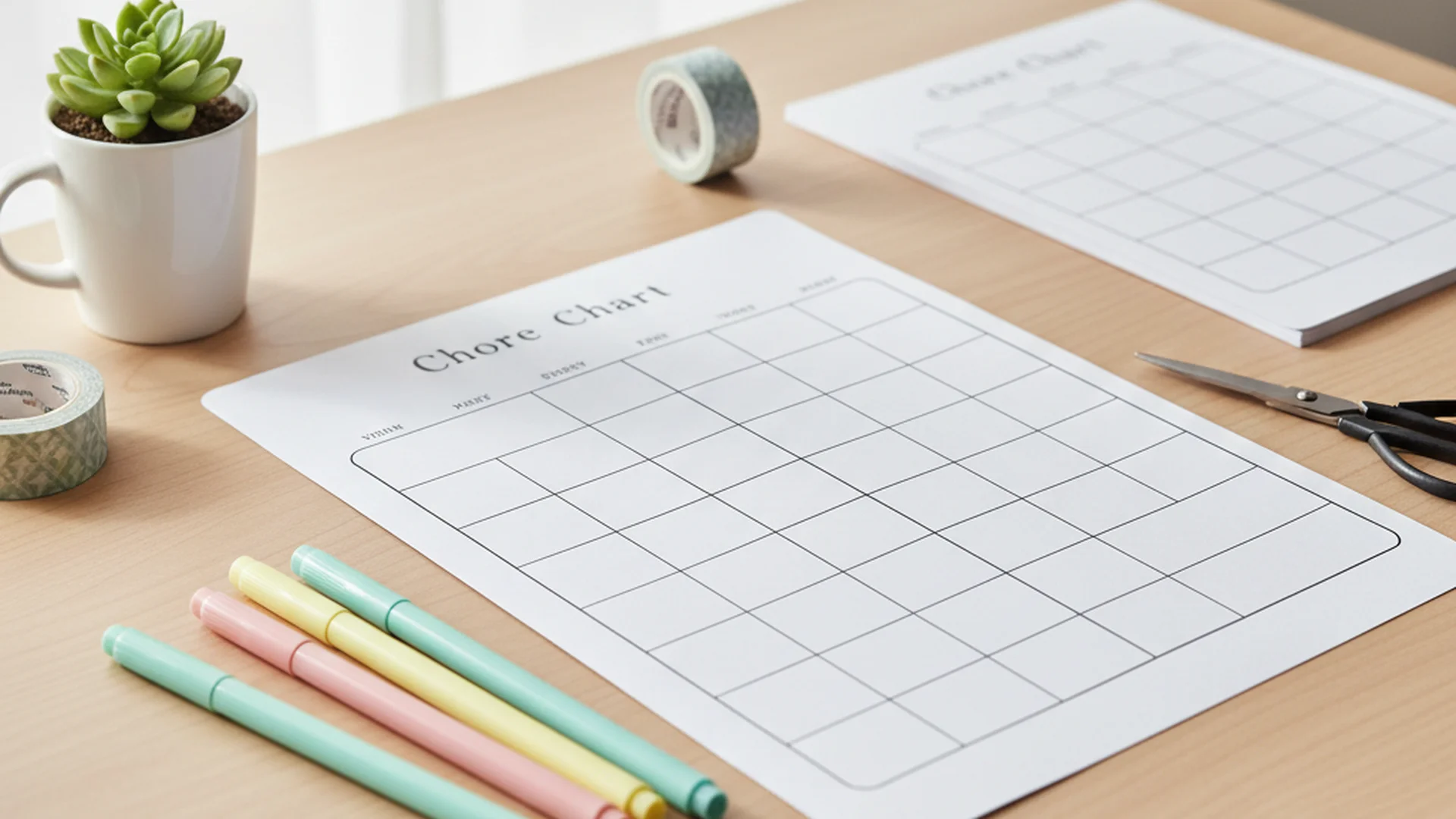
In the modern parenting landscape of 2025, the "mental load" has become more than just a buzzword—it is a daily reality that many families struggle to balance. Parents routinely lose hours every week to household maintenance alone. If you find yourself constantly nagging or feeling like the only person holding the "to-do" list, a kids chore chart template might be the single most effective tool in your organizational arsenal. By implementing a structured, visual system, you aren't just getting the floor swept; you are teaching your children the essential life skills they need for a successful future.
Why Every Modern Home Needs a Kids Chore Chart Template
The transition from a chaotic home to an organized one often starts with a single piece of paper—or a digital screen. While some parents worry that chores might "take away from childhood," the opposite tends to be true. Children who begin contributing to the household at ages 3 or 4 often grow into adults with more self-assurance and stronger relationships.
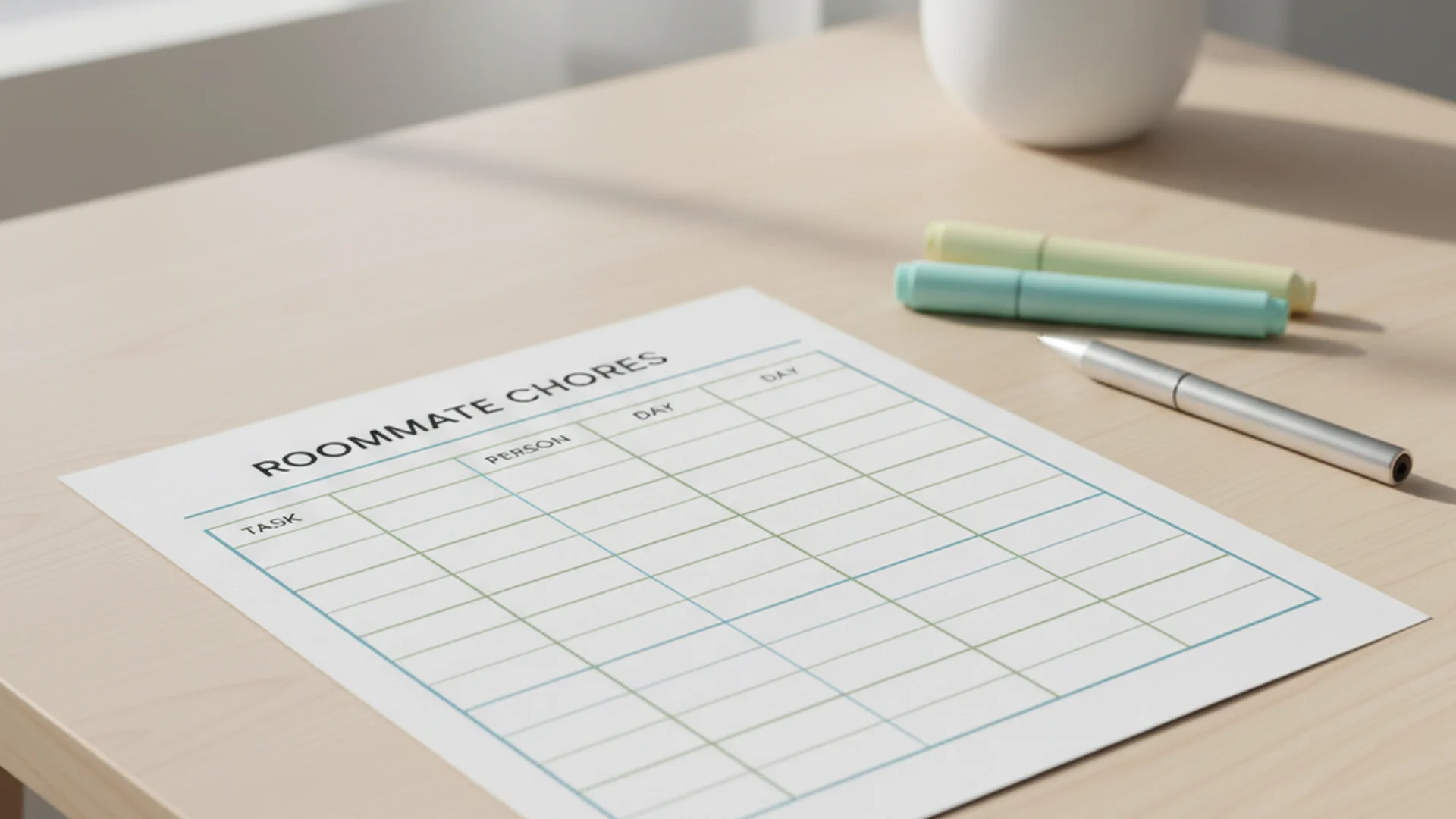
A free kids chore chart template serves as more than just a checklist; it acts as a neutral third party. Instead of you being the "bad guy" who demands the toys be picked up, the chart becomes the authority. This shifts the dynamic from a power struggle to a shared responsibility.
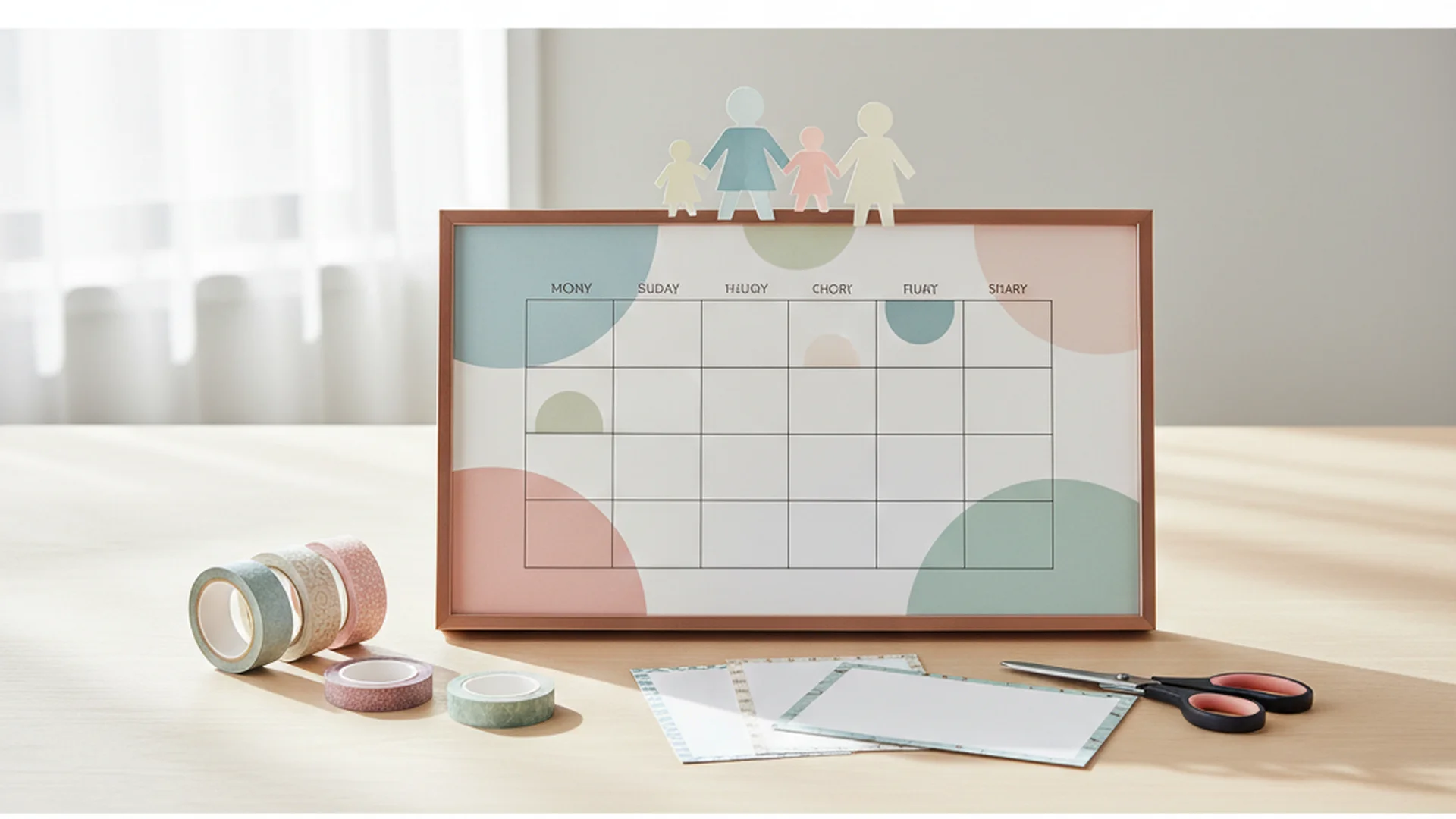
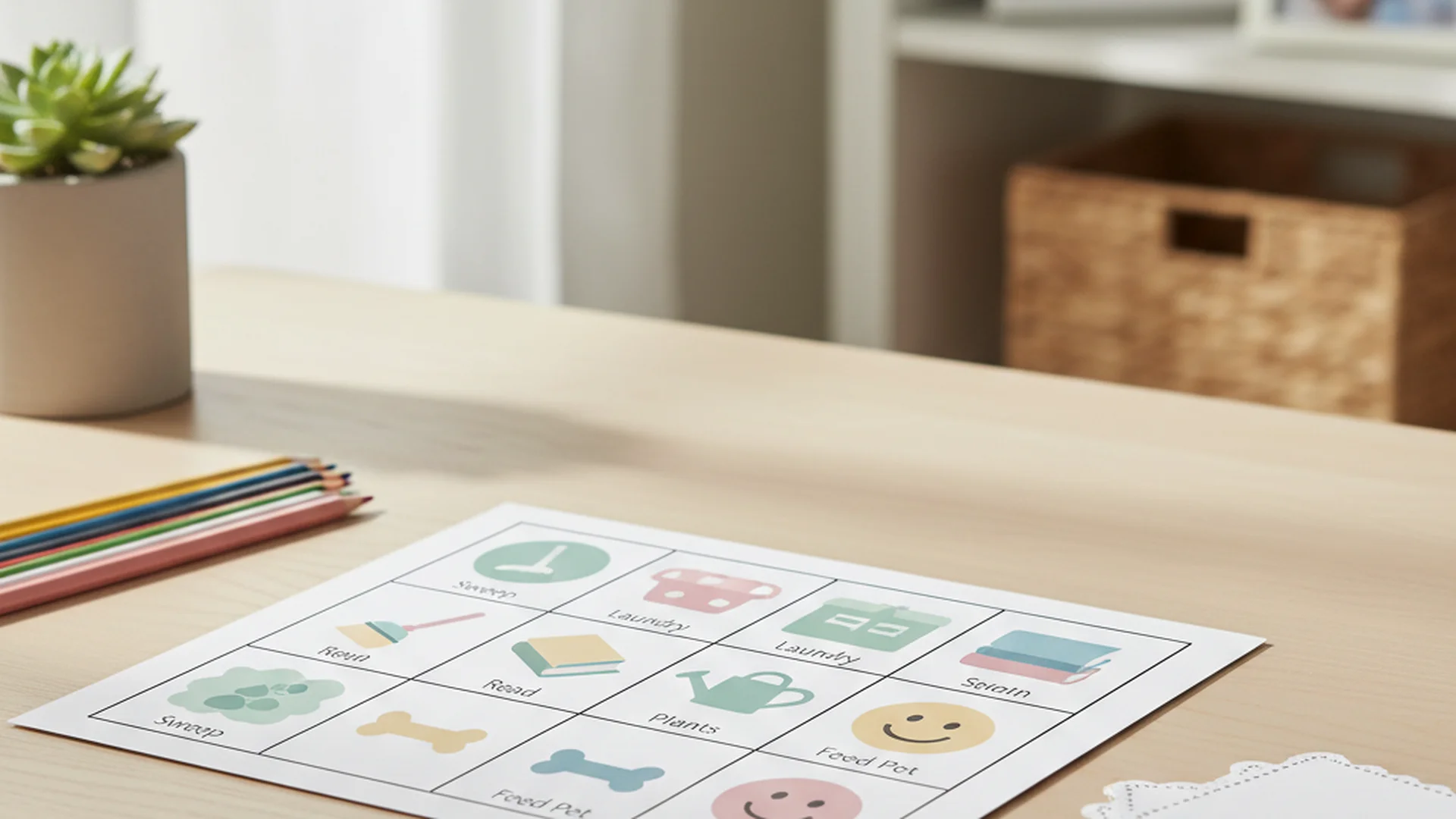
Tip: Place your kids chore chart template printable at your child’s eye level in a high-traffic area, such as the refrigerator or a dedicated family command center, to ensure it stays top-of-mind.
Age-Appropriate Tasks: What Should Your Kids Be Doing?
One of the biggest hurdles for parents is knowing how much to expect. Assigning a task that is too difficult leads to frustration, while tasks that are too easy lead to boredom. In 2026, the trend is moving toward "quality over quantity," focusing on a few tasks done well rather than a long list of half-finished chores.
| Age Group | Recommended Tasks | Target Quantity |
|---|---|---|
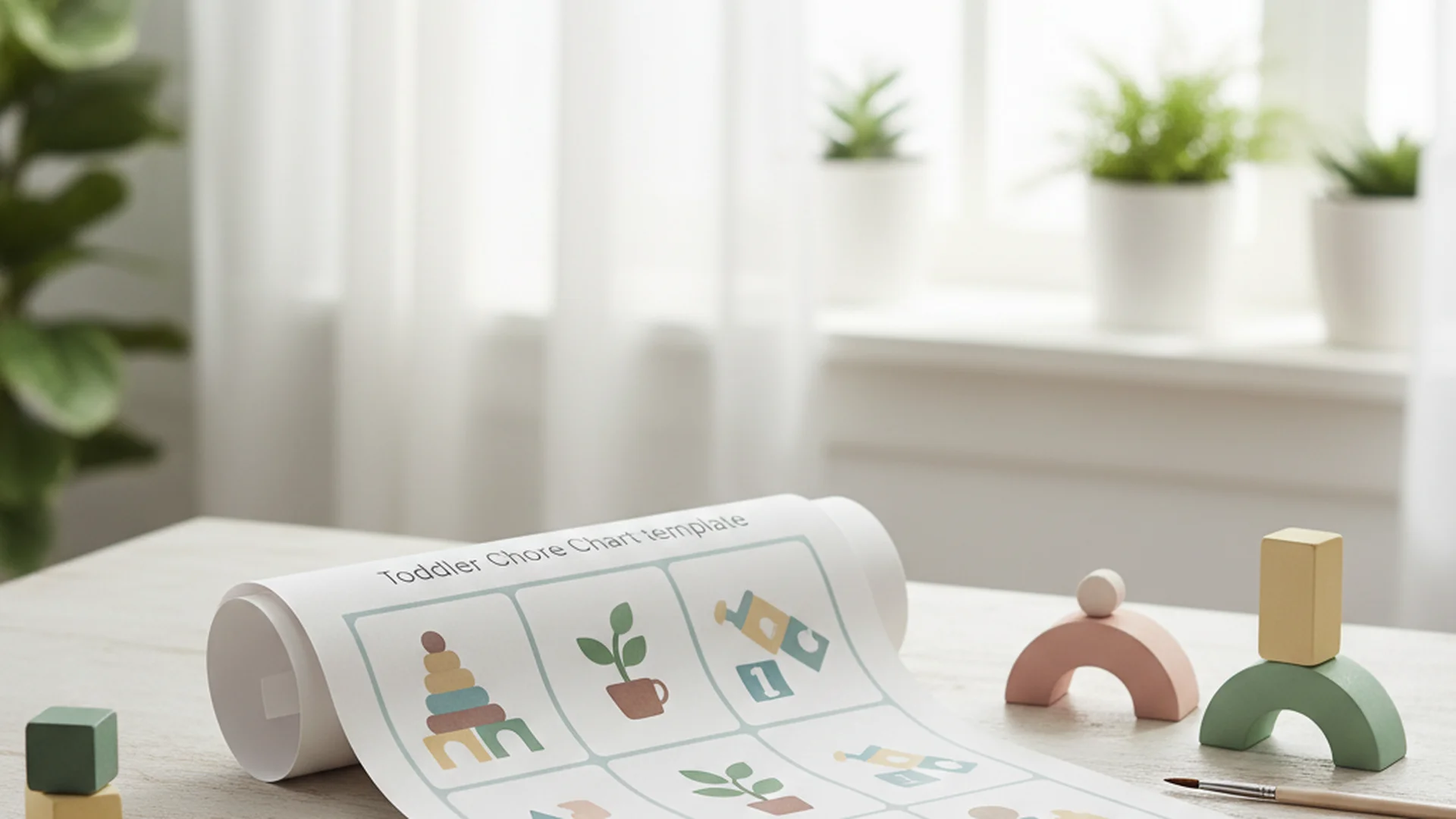
| Toddlers (2–5) | Putting toys in bins, helping set the table, matching socks | 1–3 tasks |
| School-Age (6–12) | Feeding pets, loading the dishwasher, vacuuming, folding laundry | 3–5 tasks |
| Teens (13+) | Cooking a family meal, yard work, cleaning the bathroom, grocery help | 5+ tasks |
Note: For toddlers, the goal isn't a perfectly clean room; it's the habit of participation. Use the "I do, we do, you do" method to transition them into independent task completion.
Real-World Example: The "Saturday Reset"
The Miller family uses a kids chore chart template printable specifically for Saturday mornings. Instead of a daily grind, they have a "Family Reset" where everyone—including the 4-year-old—has three specific tasks. The toddler handles "pillows and stuffed animals," the 10-year-old handles "trash and recycling," and the parents handle the heavy cleaning. Because the expectations are clear and visual, the work gets done in 45 minutes instead of a day-long struggle.
2026 Trends: From Minimalist Aesthetics to AI Integration
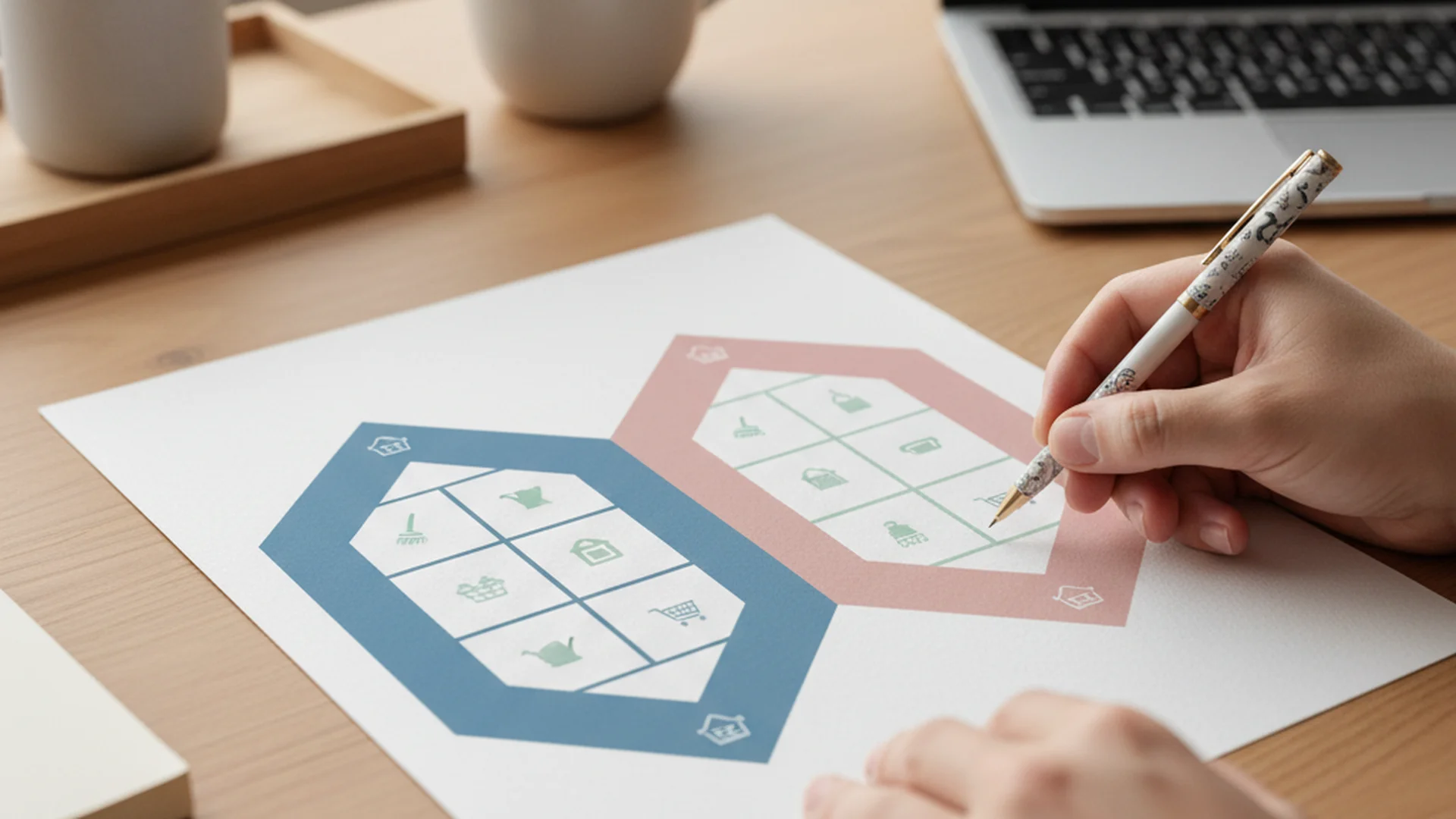
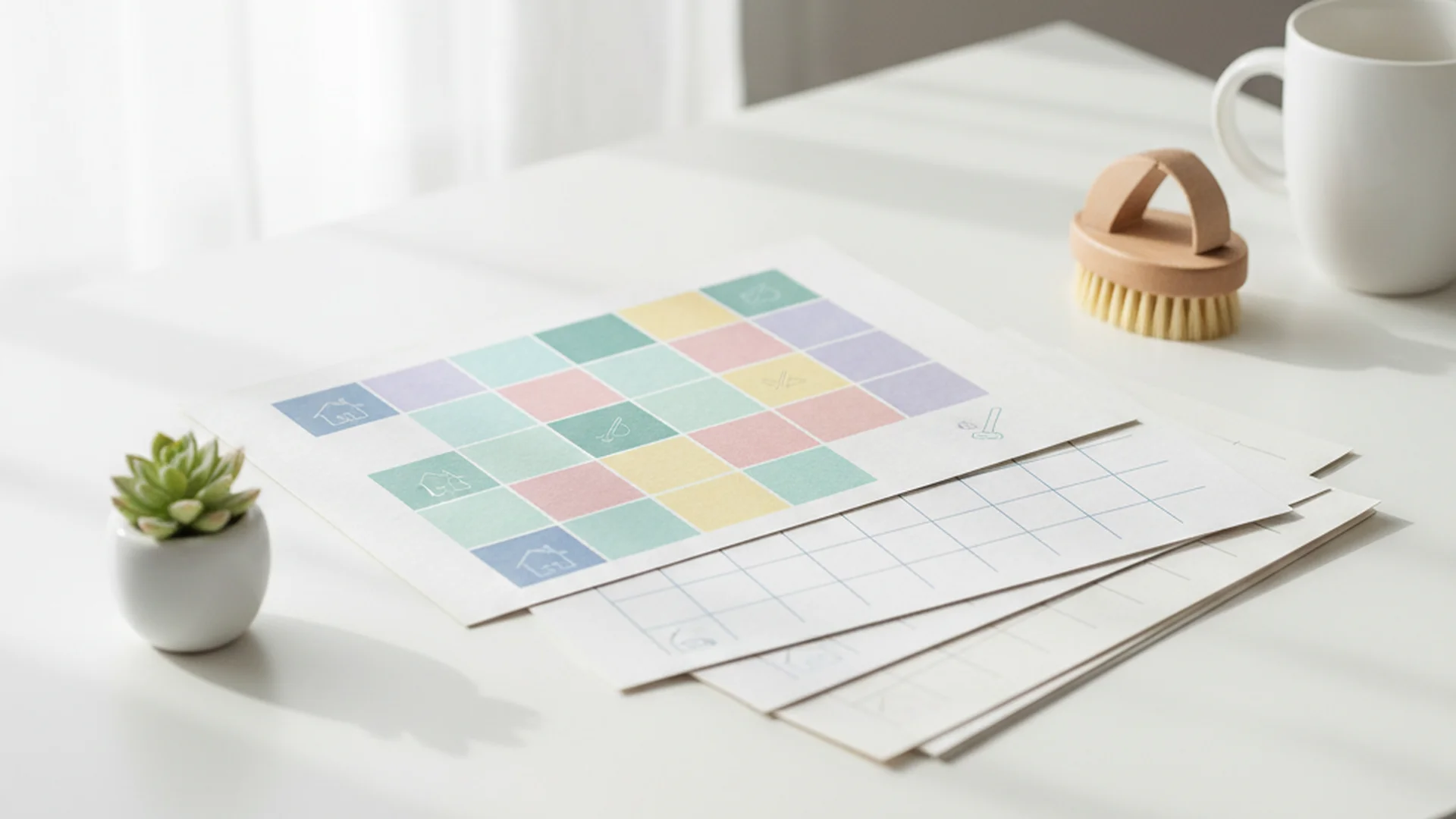
Gone are the days of neon-colored, "childish" charts that clash with your interior design. The 2025-2026 parenting aesthetic is all about "Neutral Boho" and "Sage Green Minimalist" designs. Parents are seeking a kids chore chart template that blends seamlessly into their modern home decor.
Beyond aesthetics, we are seeing a massive shift toward "Dopamine-driven" systems. These involve:
- Gamified Rewards: Instead of just money, kids earn "Experience Points" (XP) or badges.
- Smart Home Integration: Systems that notify a child’s tablet when the smart dishwasher is done.
- AI-Powered Assignment: Apps that analyze the family calendar and assign chores during the gaps between soccer practice and homework.
Warning: While digital tools are rising in popularity, they can lead to "notification fatigue." If your child is already spending significant time on screens for school, a physical kids chore chart template printable is often more effective for building focus.
Common Mistakes to Avoid
Even the best kids chore chart template will fail if the implementation is flawed. Here are the most common pitfalls parents encounter:
1. The "Reward Economy" Trap
If you pay your child for every single task, you risk destroying their "intrinsic motivation." They may eventually refuse to help unless there is a financial incentive. It works far better to separate "base chores" (things you do because you live in the house) from "extra chores" (high-effort tasks that earn an allowance).
2. Expecting Perfection
Nothing kills a child’s motivation faster than a parent re-folding the laundry they just finished. If the task was done with effort, accept the result. Focus on the habit first; the technique will improve with time.
3. Making Chores a Punishment
If you only assign extra cleaning when a child is "in trouble," they will develop a lifelong negative association with maintaining their environment. Chores should be framed as a contribution to the family "team," not a penalty.
Success: Families who hold a weekly "Family Meeting" to let kids choose some of their own chores find that far more of those chores actually get finished. Collaborative planning creates "buy-in."
Frequently Asked Questions
At what age should I start using a chore chart?
Should I pay my kids for doing their chores?
What if my child refuses to do their chores?
How do I choose between a printable and an app?
Building Lasting Habits
A kids chore chart template is just the beginning. The real magic happens when the "newness" wears off and the habit takes over. By consistently using a visual system, you are reducing your own mental load and giving your children the gift of responsibility.
Real-World Example: The "Dopamine Hit"
The Garcia family found that their 7-year-old was motivated by "virtual badges." They used a template that allowed her to trade 10 "completed task" stickers for a "30-minute later bedtime" pass on Friday night. This turned a chore into a goal-oriented game.
Real-World Example: The Training Phase
Instead of just handing over a vacuum, the Thompson family used the "Training Phase." For the first week, the dad vacuumed while the son watched. The second week, they did it together. By the third week, the son was listed on the kids chore chart template for the living room vacuuming, and he felt confident doing it alone.
Success: Following a structured chore system not only keeps your house cleaner but significantly reduces household-related conflicts by providing clear expectations for everyone.
Cleaning that keeps score
Every task earns points, every streak multiplies them, and Premium adds a household leaderboard plus a monthly Dustagorgon to beat.
- Free forever
- 30 badges to earn
- Up to 6 in a household
No card needed. Set up your rooms in a couple of minutes.