In this article
What you’ll learn
- Focus on clearing trash and dishes first to reduce immediate mental fog.
- Utilize "functional zoning" to make organization intuitive and sustainable.
- Incorporate 2025 trends like tech-integrated storage and human-centric lighting.
For many parents and teenagers alike, the bedroom door can often feel like a portal to another dimension—one filled with stray socks, empty snack wrappers, and a desk buried under a mountain of tech cables. If you are wondering how to clean teen room spaces without it turning into a multi-day battle of wills, you aren’t alone. In 2025, the bedroom has become more than just a place to sleep; it is a sanctuary, a gaming hub, a study hall, and a primary setting for self-care.
Cleaning this multifunctional space requires more than just a vacuum; it requires a strategy that respects the teen's growing need for autonomy while providing the structural support their developing brains need. In this guide, we will break down the ultimate teen room cleaning checklist and explore how to turn a "disaster zone" into a mindful retreat.
The Psychology of the "Messy" Teen Room
Before we dive into the physical labor, it is essential to understand why teen rooms become cluttered in the first place. In plenty of households with tweens and teens, cleaning the bedroom is the least popular task on the list. This isn't just "laziness." Neurologically, the prefrontal cortex—the part of the brain responsible for executive functions like organization and planning—is still under construction during the teenage years.
What looks like a chaotic mess to an adult can feel like an overwhelming, insurmountable wall of decisions to a teenager. This is often referred to as "decision fatigue." Deciding whether a single hoodie belongs in the hamper, on a hanger, or back in the drawer can be the "one thing too many" after a long day of school and social navigation.
Furthermore, there is a significant link between environment and mental health. Young adults living in cluttered environments often describe more procrastination and a lower sense of wellbeing day to day. Conversely, a lot of Gen Z now view "staying in" and maintaining an aesthetic, clean space as a vital form of self-care.
Note: A messy room is often a symptom of an overwhelmed mind, not a lack of character. Approaching the task with empathy rather than frustration is the first step toward a cleaner home.
Preparation: Setting the Stage for Success
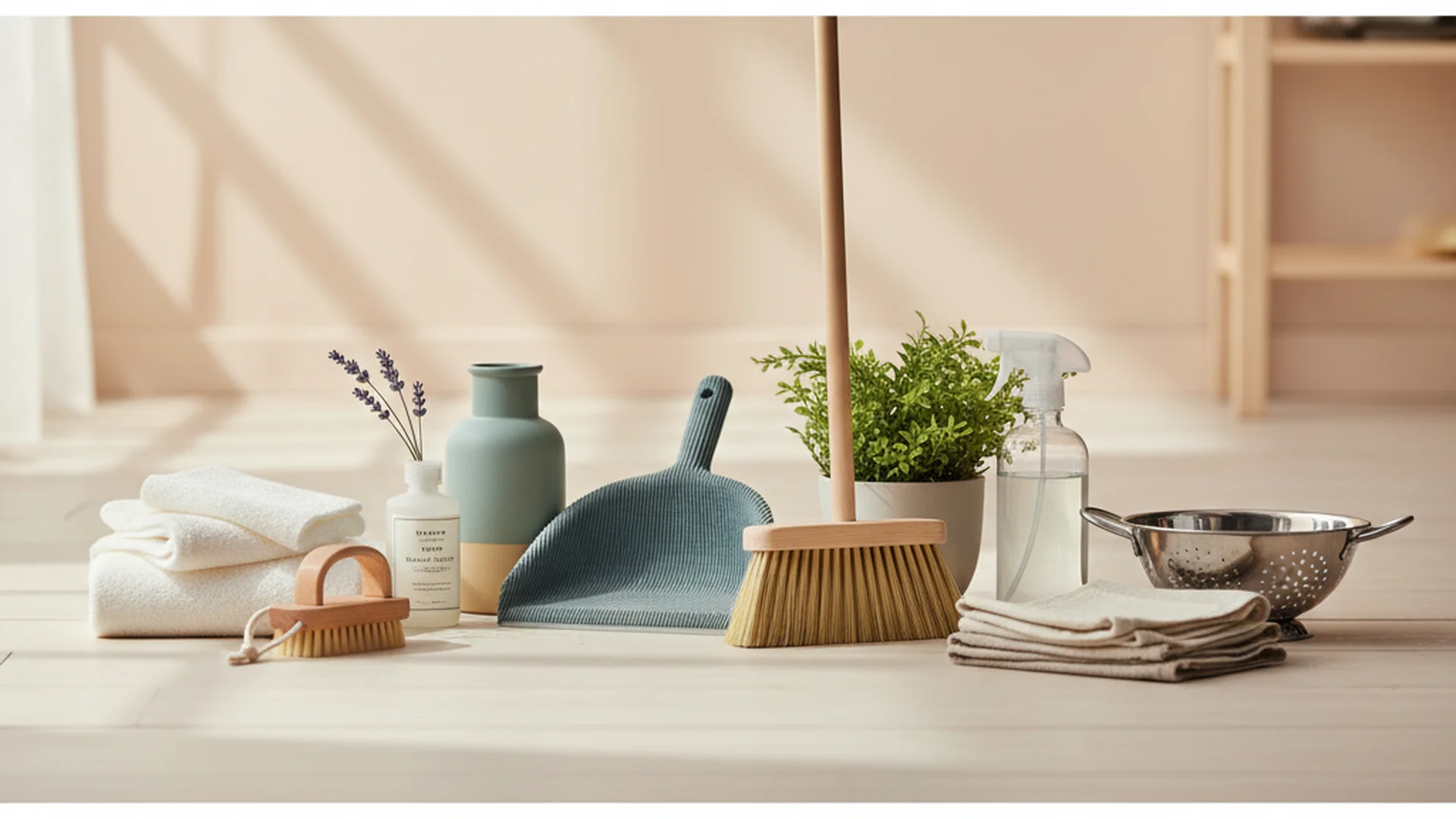
You wouldn’t start a workout without warming up, and you shouldn't start a deep clean without the right tools. To make the process of how to clean teen room environments smoother, gather your supplies beforehand so you don't lose momentum.
The Essential Cleaning Kit
- A large trash bag (for immediate clutter).
- A laundry basket (for the "Floor Minefield").
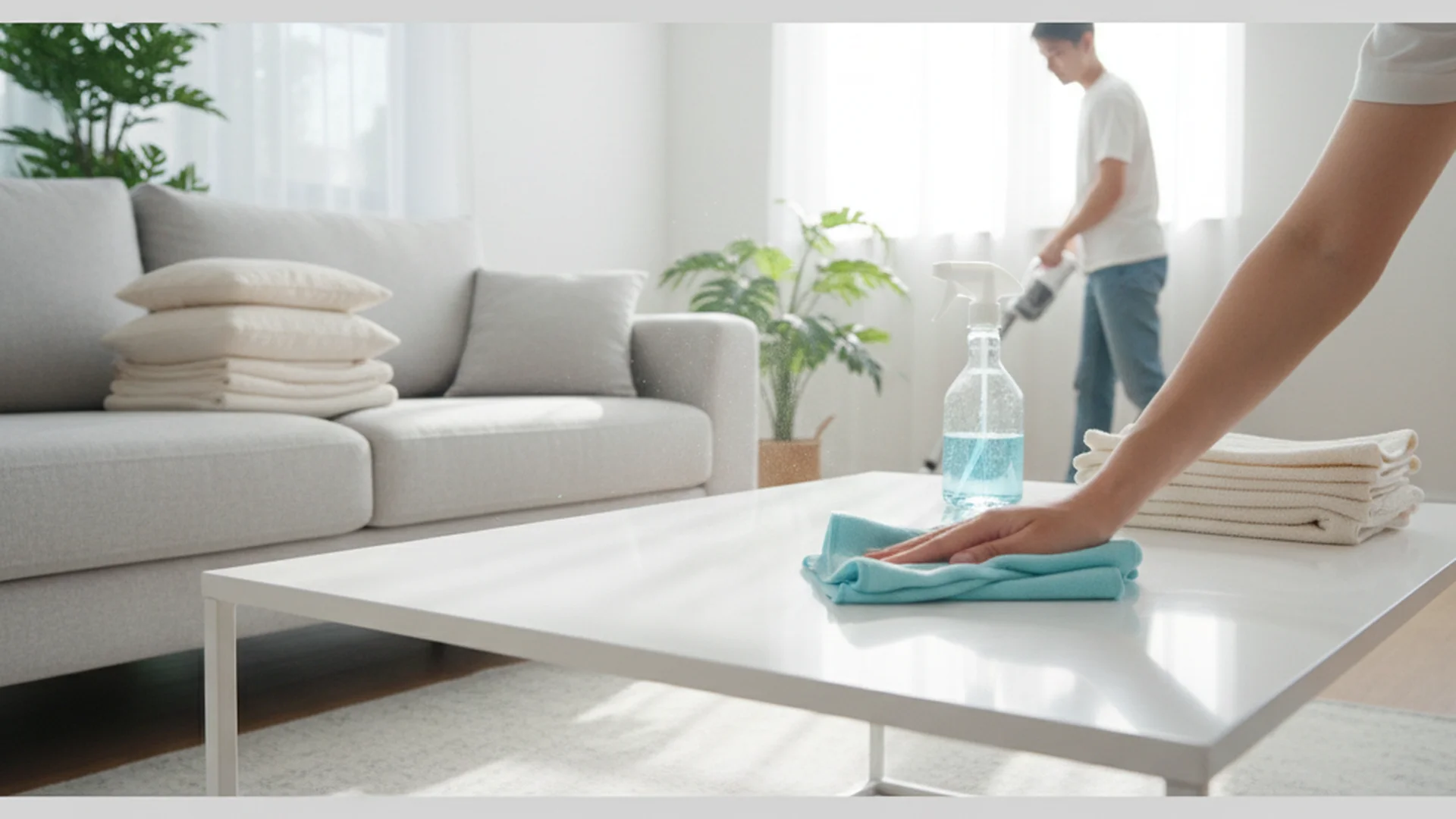
- Microfiber cloths and an eco-friendly all-purpose cleaner.
- A vacuum with a hose attachment for reaching behind gaming setups.
- Glass cleaner for mirrors and screens.
Tip: In 2025, eco-conscious cleaning is a major trend. Using refillable and bio-based products from brands like Blueland or Grove is not only better for the planet but serves as a "mindful" lifestyle choice that many teens take pride in.
The "Step-by-Step" Success Formula
When a room is a disaster, the biggest hurdle is knowing where to start. Follow this "Top-Down" method to ensure you aren't cleaning the same area twice.
Step 1: The Trash and Dish Sweep
The first goal is to clear the "mental fog." Nothing makes a room feel dirtier than old food wrappers and empty cups.
- Action: Grab a trash bag and move clockwise around the room. Pick up every piece of trash.
- The Dish Run: Gather every stray plate, glass, and bowl.
- The Rule: In 2025, the standard rule for many households is: No dishes stay in the room overnight. This prevents mold and pests, which can become a major health hazard in a bedroom.
Step 2: The Floor "Minefield"
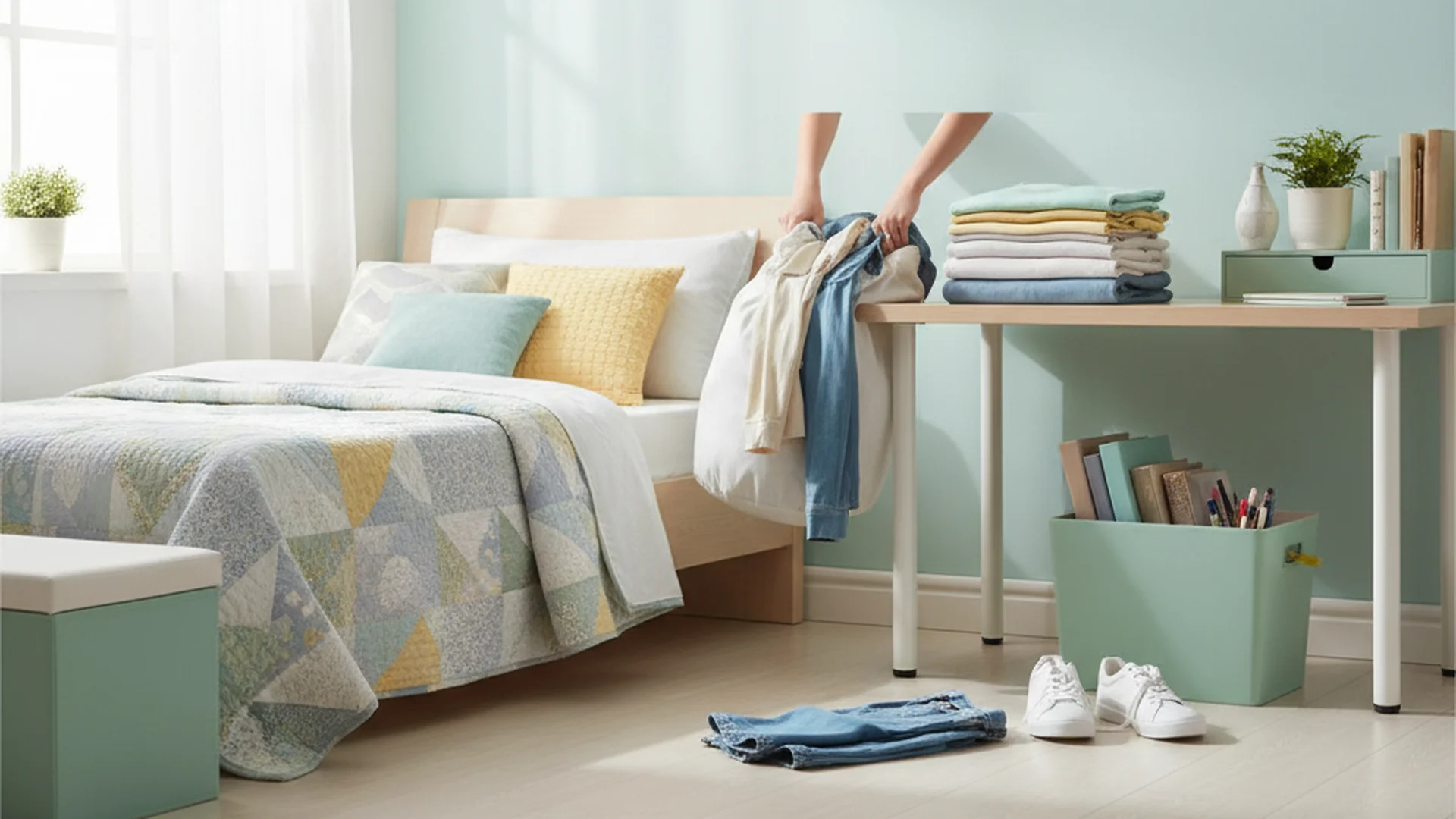
Once the trash is gone, you can finally see the floor. This is where most teen rooms fail. Use the "Three-Pile Method" to sort everything currently living on the carpet.
- Clean Laundry: If it’s clean but just not folded, put it on the bed to be dealt with later.
- Dirty Laundry: Everything else goes directly into the hamper.
- The "Doesn't Belong Here" Bin: This is for items that belong in the kitchen, living room, or someone else's space.
Step 3: Surface Reset and the Two-Minute Rule
Clear off the tops of nightstands and desks. If an item can be put in its proper place in under two minutes, do it immediately. If it's a larger organization project, set it aside for the "zoning" phase.
Warning: Never spray cleaning liquid directly onto electronic screens or gaming consoles. Always spray the microfiber cloth first to avoid moisture damage to expensive tech.
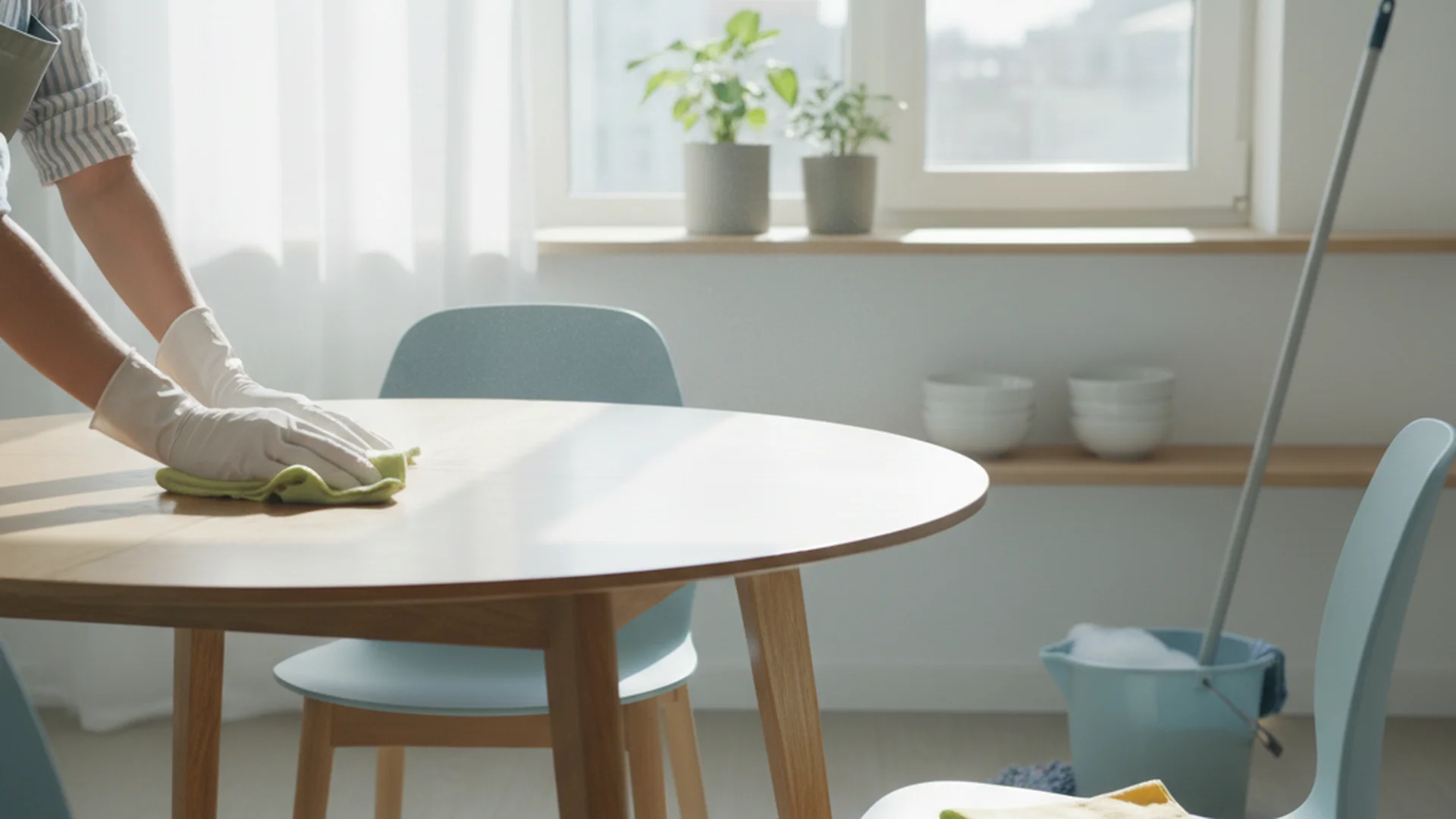
Step 4: Dusting and Floor Care
Always dust from top to bottom. Start with ceiling fans and high shelves, then move down to the desk and nightstand. This ensures that any dust you kick up lands on the floor, which you will vacuum last.
| Surface Type | Cleaning Tool | Frequency |
|---|---|---|
| Tech Screens | Dry Microfiber | Daily |
| Desk/Shelves | Damp Cloth | Weekly |
| Window Sills | All-purpose | Monthly |
| Carpet/Floor | Vacuum/Mop | Weekly |
Functional Zoning: The Secret to Long-Term Organization
One of the best teen room cleaning tips is to stop viewing the room as one big box and start seeing it as a series of "Functional Zones." By organizing the room according to how it is used, it becomes much easier for a teen to maintain the space.
The Sleep Zone
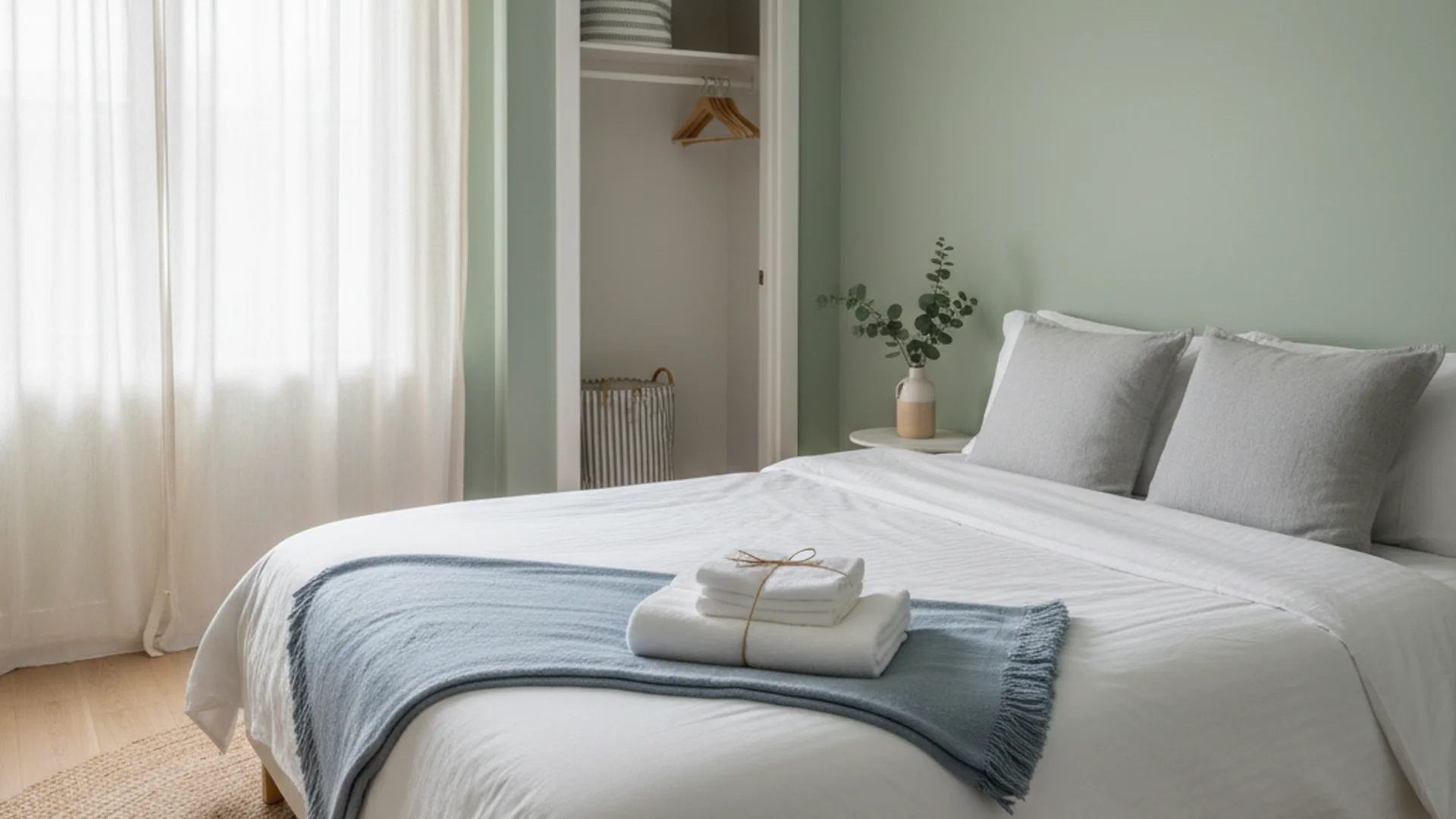
This area should be dedicated to rest. People who make their beds every morning often say they sleep better at night, and a tidy bed makes the whole room feel calmer.
- 2025 Trend: Circadian & Mood Lighting. Use smart LED strips that mimic natural sunlight to help regulate sleep-wake cycles.
- Action: Change linens once a week and keep the bedside table clear of everything except a lamp and a book.
The Study Zone
With the rise of digital learning, the desk is often a chaotic hub of wires.
- Tech Integration: Use gaming desks with built-in ventilation and cable management. This prevents "dust bunnies" from clogging up cooling fans and causing hardware failure.
- Lighting: Ensure there is focused task lighting to reduce eye strain.
The Lounge/Social Zone
Whether it's for gaming or hanging out with friends, this area needs "Drop Zones."
- Action: Use hooks for backpacks and "catch-all" bins for controllers and headsets.
- Example: Imagine a "Gaming Chair Laundry Pile." By placing a dedicated bin next to the chair, the "drop" becomes an "organized storage" action rather than a mess.
Success: Dividing a room into zones makes it easier to do a "10-Minute Reset" each evening, focusing on one zone at a time.
2025–2026 Trends in Room Maintenance
The way we look at teen rooms is evolving. Here are the latest trends that can make cleaning and organizing more appealing to Gen Z and Alpha.
- Smart Furniture: 2025 has seen a surge in nightstands with integrated wireless charging. This eliminates "cord clutter" on surfaces, making them much easier to wipe down.
- Personalization Without Permanence: Using peel-and-stick wallpaper or magnetic organizer panels allows teens to change their room's "vibe" as they grow, without leaving a mess of adhesive or holes in the wall.
- Eco-Conscious Status Symbols: Using glass spray bottles and sustainable cleaning tablets has become a trend on social media platforms like TikTok, turning a chore into an "aesthetic" routine.
Common Mistakes to Avoid
Even with the best intentions, parents and teens often fall into traps that make room cleaning more stressful than it needs to be.
1. The "Nagging" Loop
Continually asking "When are you going to clean?" often triggers a defiance response in the teen brain.
- Solution: Use "Logical Consequences." For example, "I can't wash your favorite hoodie until it's in the hamper by 6 PM." This puts the responsibility back on the teen.
2. Violating Privacy
Snooping while "helping" to clean is a quick way to destroy trust.
- Real-World Example: "The Secret Drawer." Every teen has a place for their private thoughts or items. Unless there is a safety concern (like moldy food or danger), respect their boundaries. A room is their sanctuary.
3. High-Intensity "Marathon" Cleaning
Forcing a teen to spend eight hours on a Saturday deep-cleaning leads to resentment and burnout.
- Solution: The "10-Minute Reset" method. Encourage a daily 10-minute sweep to keep the room manageable, preventing the need for a marathon session.
Warning: Ignoring hidden areas like under the bed can lead to dust mite buildup and worsened allergies. Make sure "under the bed" is part of the monthly deep-clean checklist.
The Ultimate Teen Room Cleaning Checklist
To make things easy, here is a condensed checklist that can be printed or saved to a phone.
- Trash: Clear all wrappers, old food, and scraps.
- Dishes: Move all cups and plates to the kitchen.
- Laundry: Sort floor items into clean and dirty piles.
- Bed: Strip the sheets (if it's laundry day) or make the bed.
- Surfaces: Clear and wipe down the desk, nightstand, and dresser.
- Electronics: Dust screens and organize charging cables.
- Windows/Mirrors: Wipe away fingerprints and smudges.
- Floors: Vacuum or mop, including under the bed and behind the door.
Frequently Asked Questions
Is it normal for my teen's room to look like a disaster zone?
Should I just clean the room for them to avoid the fight?
How often should a teen room be deep cleaned?
What is the "Two-Minute Rule"?
Conclusion
Learning how to clean teen room environments doesn't have to be a source of constant household friction. By understanding the psychological hurdles teens face and implementing modern, tech-friendly organization strategies, you can transform a messy bedroom into a functional, peaceful sanctuary. Remember, the goal isn't perfection; it's about building sustainable habits that support mental health and independence.
Success: A clean room leads to better sleep, higher productivity, and a significant reduction in daily stress for the entire household.
Cleaning that keeps score
Every task earns points, every streak multiplies them, and Premium adds a household leaderboard plus a monthly Dustagorgon to beat.
- Free forever
- 30 badges to earn
- Up to 6 in a household
No card needed. Set up your rooms in a couple of minutes.