In this article
What you’ll learn
- Always prioritize a 'dry-first' cleaning approach to preserve the nap.
- Modern suede care in 2026 focuses on eco-friendly, water-based protectors.
- Never use high heat or washing machines for genuine suede items.
Suede is a timeless material that exudes luxury, warmth, and sophistication. Whether it is a pair of designer loafers, a vintage jacket, or a high-end handbag, suede offers a texture that standard leather simply cannot match. However, for many owners, the anxiety of a single rainstorm or a spilled latte can be overwhelming. Learning how to clean suede properly is the difference between a lifetime investment and a ruined garment.
Because suede is made from the underside of animal hide, it possesses a "nap"—a surface of soft, raised fibers. This open-fiber structure makes it incredibly soft but also highly porous, meaning it absorbs liquids and dust like a sponge. In this guide, we will explore the best way clean suede using modern 2026 standards, ensuring your favorite pieces remain supple and vibrant for years to come.
The Modern Suede Toolkit
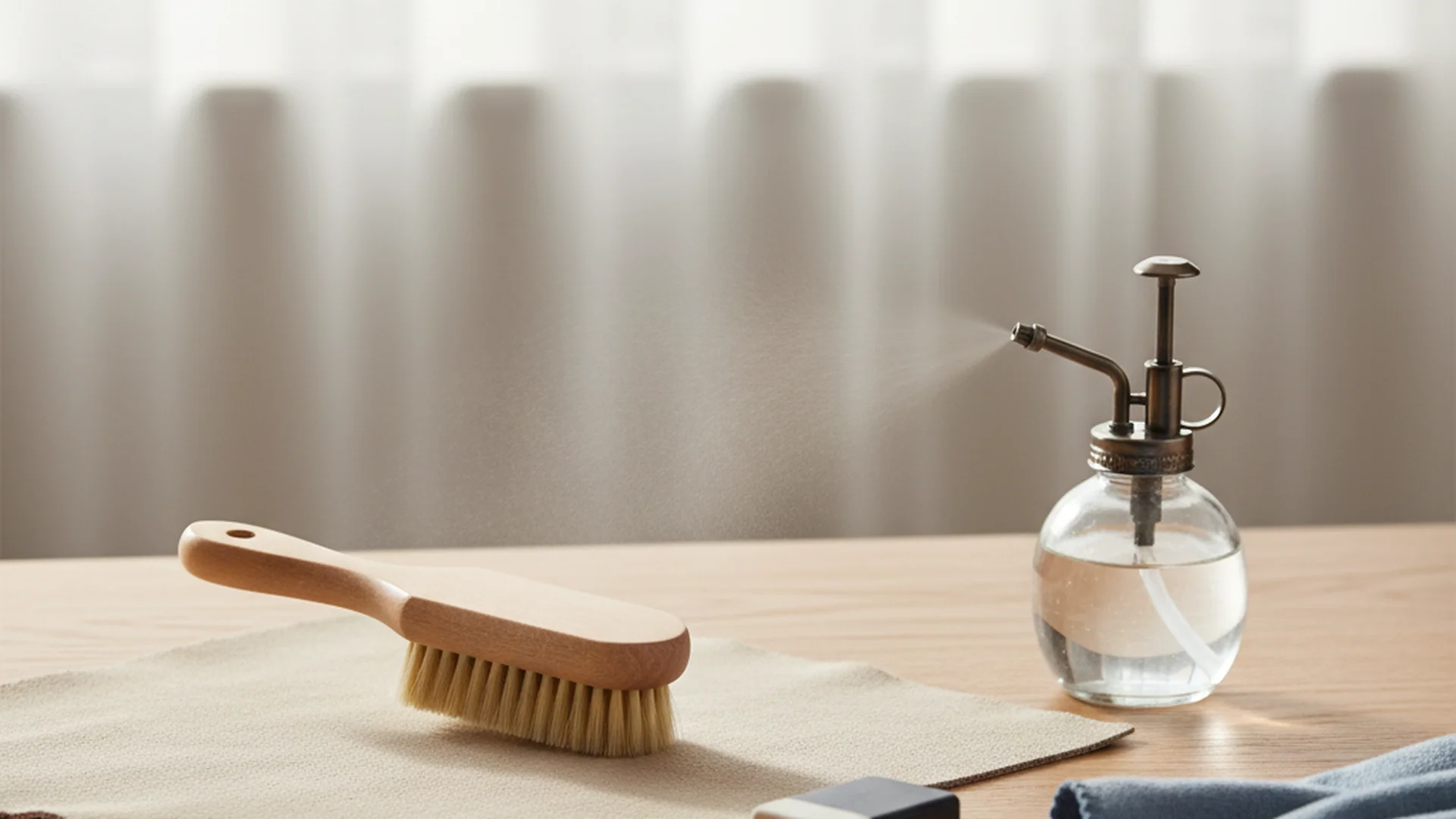
Before you begin to clean suede at home, you must gather the right tools. In 2025 and 2026, the industry has moved away from harsh, solvent-based chemicals toward more sustainable, fiber-friendly options.
Essential Supplies for 2026
| Tool | Purpose | Modern Alternative |
|---|---|---|
| Suede Brush | Lifts the nap and removes surface dust | Sustainable wood-handle horsehair brush |
| Suede Eraser | Removes localized scuffs and dried stains | Natural rubber or Gommadin |
| White Vinegar | Breaks down salt and water stains | 70% Isopropyl alcohol (for fast evaporation) |
| Microfiber Cloth | Blotting and gentle surface cleaning | Recycled PET microfiber |
| Protector Spray | Prevents future stains and water damage | VOC-free, water-based nanoparticles |
Note: Suede’s characteristic texture comes from its open-fiber structure. This makes it more breathable than top-grain leather but also a magnet for liquids.
Step-by-Step Guide: How to Clean Suede Like a Pro
To achieve professional results, you must follow a disciplined routine. Cleaning suede is less about scrubbing and more about "resetting" the fibers.
Step 1: The Preliminary Dry Brush
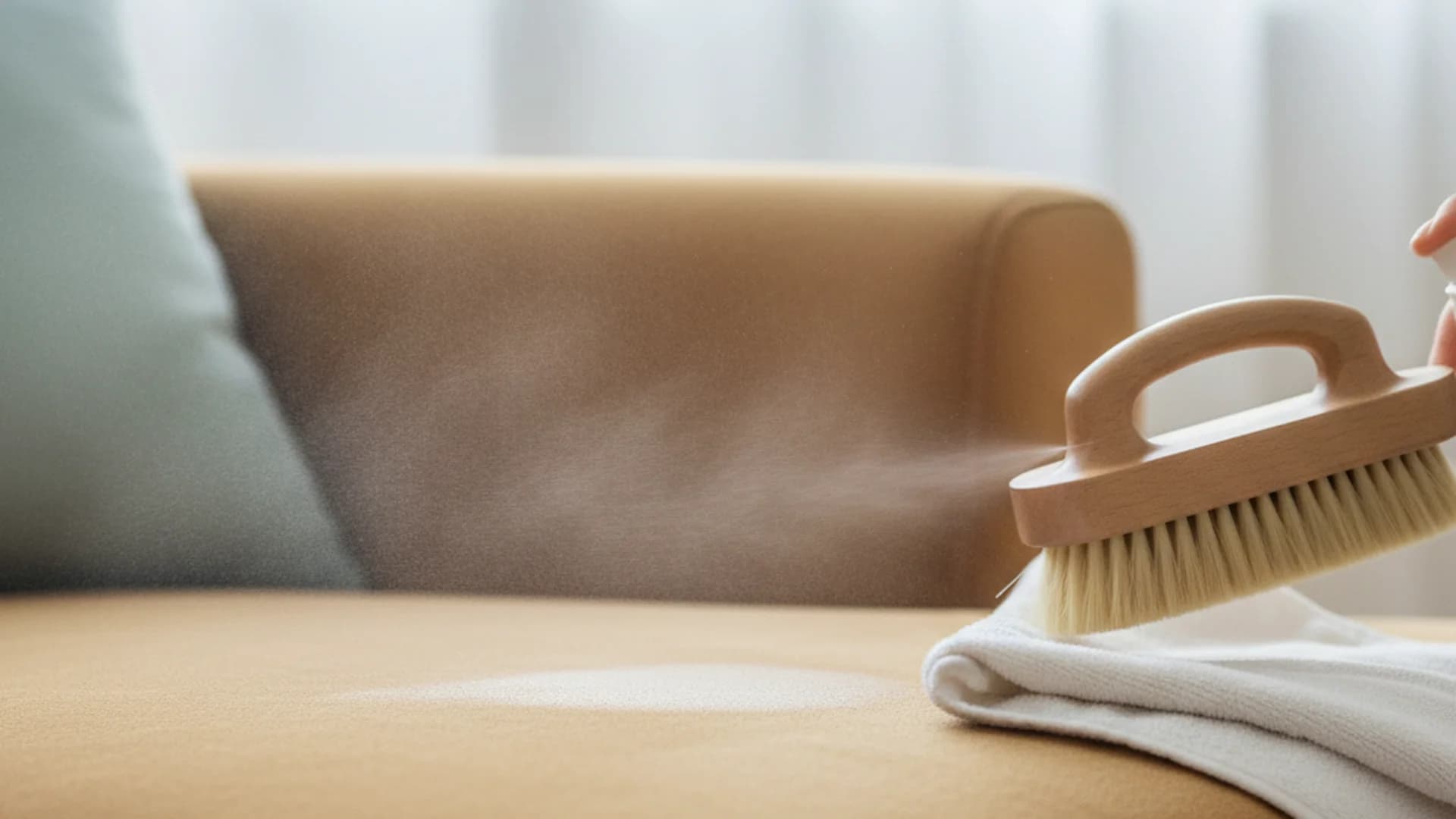
Always start with a dry item. Use your suede brush to gently stroke the surface in a single direction. This removes loose dirt and "unlocks" the nap so that any subsequent cleaning agents can reach the base of the fibers.
Tip: For regular maintenance, always brush in the direction of the grain. To restore a flattened nap after a deep clean, use gentle circular motions.
Step 2: Erasing Scuffs
For localized marks—like the dark scuffs often found on the heels of shoes—use a suede eraser. Apply moderate pressure and "rub out" the stain. Much like a pencil eraser, it will crumble as it picks up the dirt. Brush away the crumbs once finished.
Step 3: Dealing with Tougher Stains
If you are dealing with something more stubborn than dust, it is time for a liquid agent. Since you are looking for the best way clean suede without a professional kit, reach for white vinegar or rubbing alcohol.
Pour a small amount onto a clean cloth and blot the area. Do not soak the material. The goal is to dampen the fibers just enough to lift the stain. Because vinegar and alcohol evaporate much faster than water, they are less likely to leave those dreaded "water rings."
Warning: Never put genuine suede in a washing machine. The agitation and water saturation will ruin the hide, turning it stiff and "cardboard-like."
Step 4: The Steam Trick for Flattened Nap
If your suede looks "shiny" or flat, it’s likely because the nap has been crushed. Hold the item 6–12 inches away from a garment steamer or a boiling tea kettle for a few seconds. Once the fibers are slightly dampened by the steam, use your brush immediately to lift them back up.
How to Handle Suede Disasters
Sometimes, daily maintenance isn't enough. Here is how to handle the "big three" suede enemies:
1. Water Spots
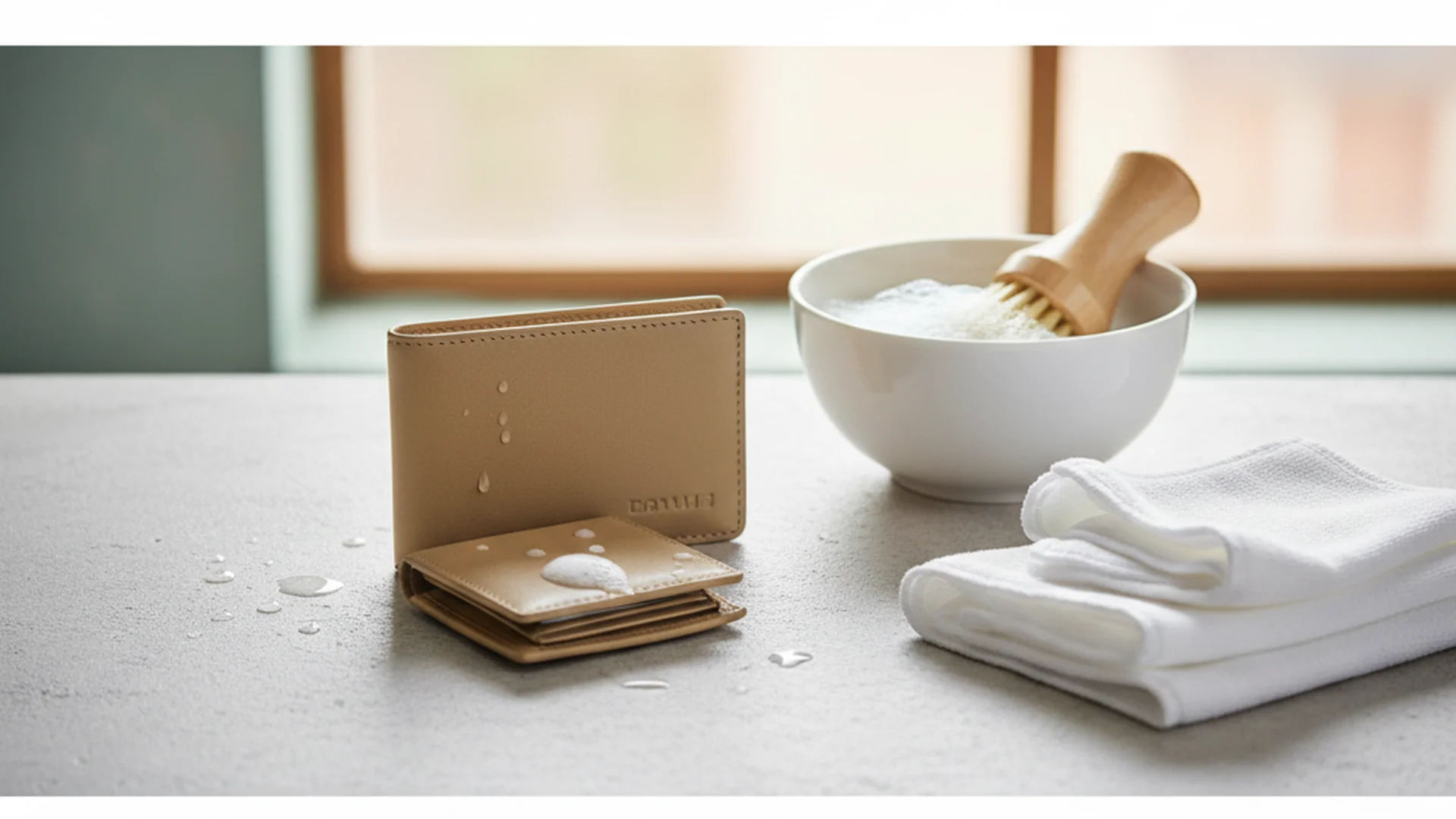
If you get caught in the rain, do not panic. Blot the excess water with a clean towel immediately. If the item is already partially wet, it is actually better to lightly dampen the entire surface evenly so it dries at the same rate. This prevents localized water spots.
2. Oil and Grease Stains
Oil is the most difficult substance to remove from suede. If you catch the stain while it's fresh, cover it with cornstarch or talcum powder. Let it sit for at least 6 hours (or overnight) to soak up the grease, then brush it away.
3. Mud and Dirt
Unlike most materials, you should never clean wet mud off suede. Wait for it to dry completely until it becomes "crusty." Once dry, you can simply break the mud off with your fingers or a stiff brush, leaving the underlying fibers intact.
Success: Using unprinted paper or cedar shoe trees to stuff your items while they dry prevents shrinkage and maintains the original silhouette.
The 2026 Shift: Eco-Friendly and Tech-Driven Care
As we move through 2025 and 2026, the way we clean suede at home is changing. There is a major shift toward plant-based, biodegradable, and VOC-free cleaning agents. New water-based cleaners are replacing traditional solvent-heavy sprays, offering protection without the chemical smell.
Furthermore, luxury brands are now integrating technology into suede care:
- AI-Driven Care Labels: Many new garments feature QR codes. When scanned, an AI assistant provides specific cleaning steps based on whether you have lambskin, calf, or goat suede.
- Ultrasonic Cleaning: While difficult to do at home, professional "sneaker laundries" now use ultrasonic vibrations to shake dirt out of suede fibers without using a drop of water.
Common Mistakes to Avoid
- Applying Heat: Using a hairdryer or placing suede near a radiator will cause the leather to shrink or become brittle. Always air dry at room temperature.
- Scrubbing Too Hard: Aggressive scrubbing can "bald" the suede by tearing away the delicate nap.
- Skipping the Patch Test: Always test your vinegar or cleaner on an inconspicuous area (like the inside of a heel or an interior seam) to check for dye migration.
- Improper Storage: Storing suede in plastic bags traps moisture and can lead to mold. Always use breathable cotton dust bags.
Frequently Asked Questions
Can suede get wet?
How do I clean suede without a "proper" kit?
Why is my suede looking "flat" or shiny?
Is faux suede cleaned the same way?
Conclusion: Prevention is the Best Cure
While knowing how to clean suede is a vital skill, the "Golden Rule" of suede care is prevention. In today's market, the quality of water-repellent sprays has reached an all-time high. Applying a high-quality, eco-friendly protector every 2–4 weeks will create an invisible barrier that allows liquids to bead off rather than soak in.
By following the "dry-first" approach and using the modern tools outlined in this guide, you can enjoy the luxury of suede without the fear of permanent damage. Treat your suede with respect, and it will return the favor by looking pristine for decades.
Success: Following a preventative routine can extend the life of your suede items by up to 300%.
Cleaning that keeps score
Every task earns points, every streak multiplies them, and Premium adds a household leaderboard plus a monthly Dustagorgon to beat.
- Free forever
- 30 badges to earn
- Up to 6 in a household
No card needed. Set up your rooms in a couple of minutes.