In this article
What you’ll learn
- Clean your case weekly to remove bacteria and prevent permanent staining.
- Material matters; use 70% isopropyl alcohol for plastic but never for leather.
- Deep yellowing on clear cases is often irreversible chemical oxidation.
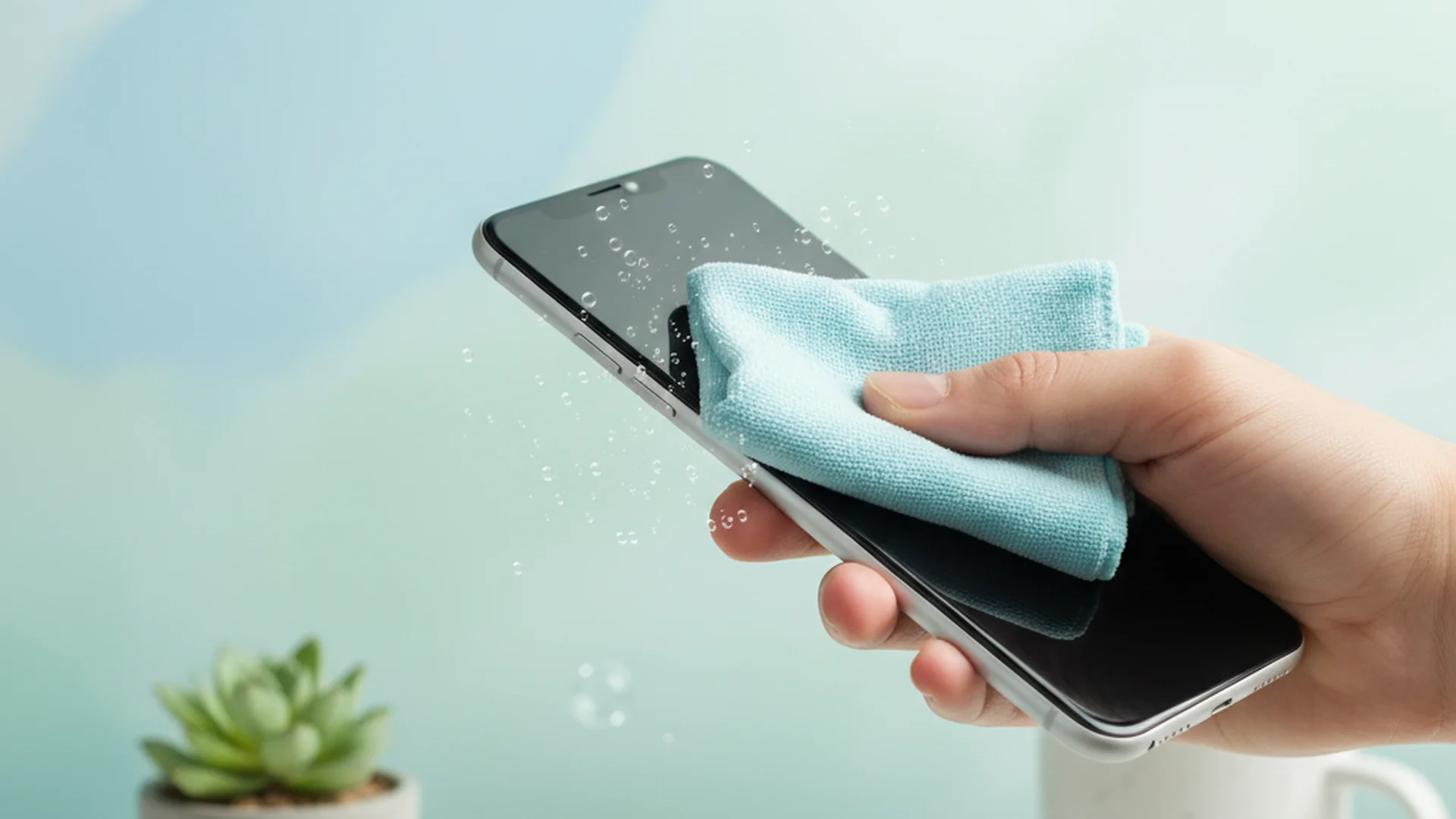
In 2026, our smartphones are more than just communication tools; they are essential hubs for our lives, health tracking, and digital identities. However, they are also what microbiologists call our "third hand." We wash our hands dozens of times a day, yet we touch our devices thousands of times, transferring bacteria back and forth. If you are wondering how to clean phone case surfaces effectively, you are not just maintaining an accessory—you are practicing vital personal hygiene.
Recent studies have shown that the average smartphone harbors over 25,127 bacteria per square inch. To put that in perspective, that is roughly 20 times dirtier than a public toilet seat. With 1 in 6 phones testing positive for fecal matter and antibiotic-resistant bacteria like MRSA, finding the best way clean phone case materials is a health priority for the modern home.
Why Your Phone Case is a Germ Magnet
Before we dive into the steps to clean phone case at home setups, it is important to understand what we are up against. Because we carry our phones into bathrooms, onto public transit, and to the gym, the case acts as a porous shield that traps oils, dead skin cells, and microscopic debris.
In 2025 and 2026, the rise of "Maximalist" case designs—featuring 3D textures, charms, and intricate ridges—has made cleaning more complex. These crevices are perfect breeding grounds for pathogens. Furthermore, the "Third Hand" effect means that even if you use hand sanitizer, touching a dirty phone case immediately re-contaminates your skin.
The Best Way to Clean Phone Case by Material
Not all cases are created equal. Using the wrong cleaning agent on a premium material can lead to cracking, warping, or discoloration. Here is how to handle the most common materials found in 2026.
Silicone and TPU Cases
Silicone and Thermoplastic Polyurethane (TPU) are the most popular materials due to their shock absorption. They are also the easiest to clean.
- Remove the case: Never clean the case while it is on your phone.
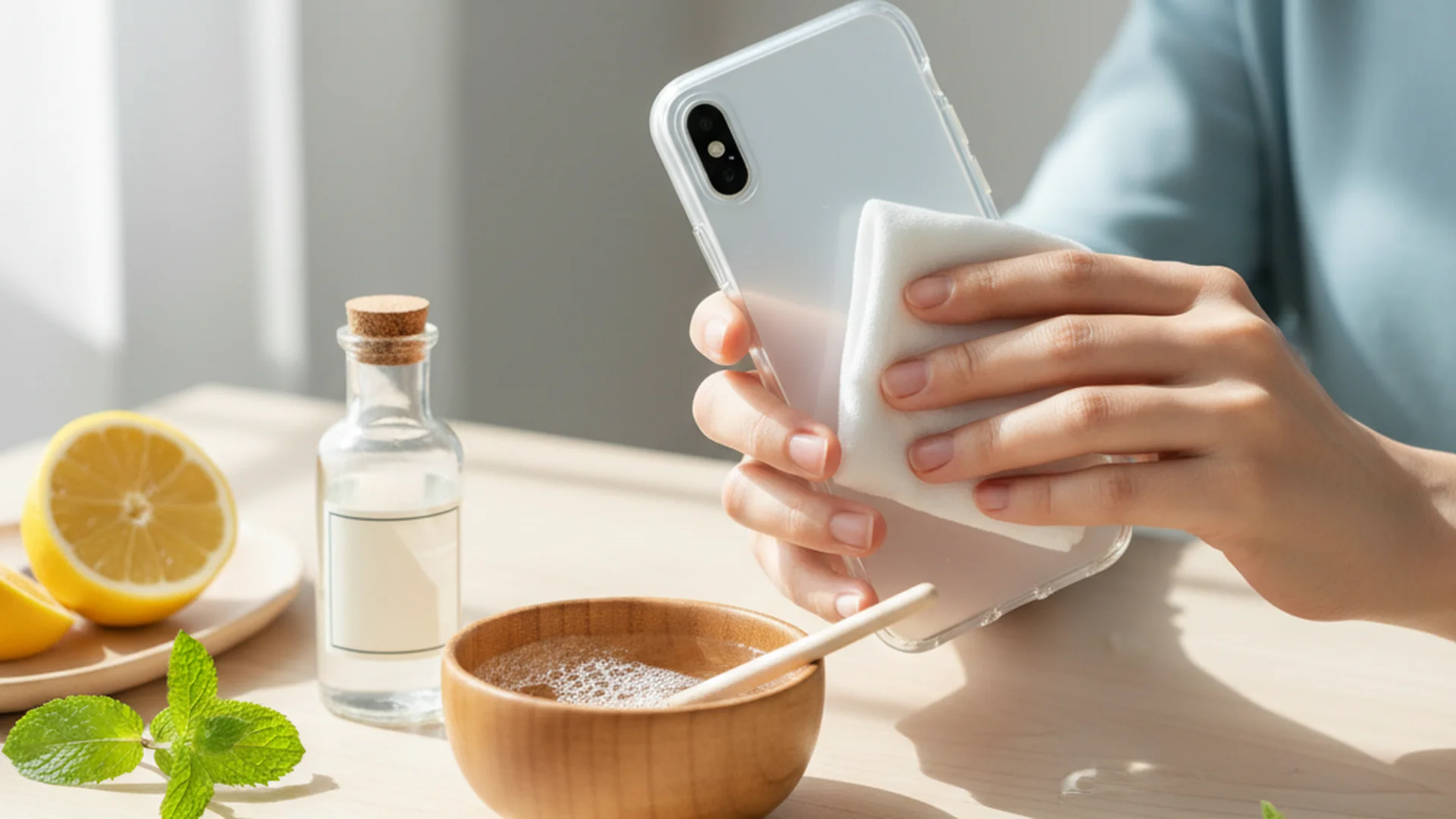
- Mix a solution: Use warm water and a drop of mild dish soap.
- Scrub: Use a soft-bristled toothbrush to scrub the corners and port cutouts where dust accumulates.
- Disinfect: For a 99.9% germ kill rate, wipe the surface with a 70% isopropyl alcohol wipe.
- Dry: Air dry completely before reassembling.
Tip: Use compressed air to blow out dust from the tiny speaker and button cutouts before you apply any liquid.
Leather and Vegan Leather
Leather cases require a delicate touch. In 2026’s high-heat climates, leather is particularly prone to drying out and cracking if treated with harsh chemicals.
- Avoid: Never use rubbing alcohol or bleach on leather. It strips the natural oils.
- The Method: Use a slightly damp (not wet) microfiber cloth with a dedicated leather cleaner.
- Condition: Always follow up with a high-quality leather conditioner to keep the material supple.
Wood and Natural Materials
Wood cases are beautiful but porous. If they get too wet, they can warp or grow mold.
- The Method: Use a dry microfiber cloth for daily dust. For stains, use a cloth dampened with a very small amount of wood-safe cleaner.
- Warning: Never submerge a wood case in water.
Eco-Friendly and Compostable Cases
Brands like Pela have popularized compostable materials. These are often more porous than plastic.
- The Method: Use a quick wipe with mild soap and water. Avoid soaking these cases, as they are designed to break down over time and excessive moisture can accelerate degradation.
The Clear Case Dilemma: How to Fix Yellowing
The most common question I receive as a home organization expert is: "How do I get the yellow out of my clear case?"
There are two types of yellowing. The first is surface grime and skin oils. This can often be lifted using a paste made of baking soda and water. Rub the paste onto the case, let it sit for five minutes, and scrub with a toothbrush.
The second type is chemical oxidation caused by UV light. This is a structural change in the polymer.
Note: If your clear case has turned a deep tea-brown or yellow due to sun exposure, no amount of cleaning will return it to its original clarity. In 2026, many brands offer "Case Recycling Programs" where you can trade in these oxidized cases for credit toward a new one.
Advanced 2026 Cleaning Trends
As we move through 2026, technology has provided new ways to keep our devices pristine without the mess of soaps and water.
UV-C Sanitizers
High-tech home cleaning kits that use UV-C light are now a household staple. These devices use specific wavelengths of light to disrupt the DNA of bacteria and viruses, killing them in minutes without heat or liquids.
Ultrasonic Cleaners
For those with complex, textured, or "maximalist" cases, ultrasonic cleaners are the gold standard. They use "cavitation"—microscopic bubbles created by high-frequency sound waves—to shake loose debris from spots a toothbrush simply cannot reach.
Self-Healing Polymers
If you have a high-end 2026 smartphone like the iPhone 17 or Samsung S26, your case might feature a "self-healing" coating. These coatings fill in micro-scratches when exposed to ambient heat. This makes the case significantly easier to clean because there are fewer "pockets" for dirt to hide in.
Common Mistakes to Avoid
Even with the best intentions, you can accidentally ruin your expensive accessory. Here are the top "cleaning blunders" to watch out for:
- The Bleach Blunder: Using bleach on white silicone may seem like a good idea, but it often causes the material to become brittle and eventually turn a sickly shade of yellow or brown.
- Submerging MagSafe Cases: Most modern cases contain magnets. Soaking these cases can weaken the adhesives holding the magnets in place, potentially ruining the MagSafe functionality.
- The Dishwasher Myth: Never put a phone case in the dishwasher. The high heat, even on "Eco" modes, will warp the precision fit, making the case loose and unsafe for your device.
- Paper Towel Scratches: Using paper towels or napkins can leave microscopic scratches on glossy or clear cases. Over time, this makes the case look cloudy.
- Cleaning While Powered On: Always remove the case. Liquid seeping into the charging port or speakers during cleaning is a leading cause of accidental device damage.
Warning: Never mix bleach with ammonia-based glass cleaners when trying to "extra-clean" a case; the resulting fumes are toxic.
Real-World Examples of Phone Case Maintenance
To help you visualize the process, here are three common scenarios:
- The Gym Goer: If you use your phone at the gym, your case is likely covered in sweat and salt. A daily wipe with a 70% isopropyl alcohol wipe is mandatory to prevent bacterial buildup and odors.
- The Parent: If toddlers handle your phone, your case likely has food residue. A weekly deep scrub with dish soap and a toothbrush is the best way to ensure sticky residues don't become permanent stains.
- The Professional: If you use a high-end leather folio, avoid all liquids. Use a dry microfiber cloth daily and a leather balm once a month to maintain the professional patina without the germs.
| Material | Best Cleaner | Risk Factor |
|---|---|---|
| Silicone | Soap & Water | Low |
| Plastic | 70% Alcohol | Low |
| Leather | Leather Balm | High |
| Wood | Dry Cloth | Medium |
Frequently Asked Questions
How often should I clean my case?
Can I use rubbing alcohol on my case?
Is dish soap safe for all cases?
Why does my clear case turn yellow so fast?
Conclusion
Cleaning your phone case is no longer just about aesthetics; it is a fundamental part of staying healthy in a connected world. By understanding the specific needs of your case's material—whether it's silicone, leather, or a modern 2026 eco-polymer—you can extend the life of your accessory and protect yourself from the "third hand" bacteria trap.
Establish a "Sunday Scrub" routine where you remove the case, deep clean the crevices, and disinfect the surfaces. Your skin, your health, and your phone will thank you.
Success: Regular maintenance not only keeps your phone looking brand new but also significantly reduces your exposure to daily pathogens.
Cleaning that keeps score
Every task earns points, every streak multiplies them, and Premium adds a household leaderboard plus a monthly Dustagorgon to beat.
- Free forever
- 30 badges to earn
- Up to 6 in a household
No card needed. Set up your rooms in a couple of minutes.