In this article
What you’ll learn
- Adopt the 'Closing Shift' nightly reset to maintain daily order.
- Prioritize wellness-driven hygiene with probiotic and bio-based cleaners.
- Follow the 'Top-to-Bottom' rule to ensure efficiency and maximum cleanliness.
Maintaining a pristine kitchen is no longer just about aesthetics; in 2025 and 2026, the focus has shifted toward wellness-driven hygiene and smart efficiency. Whether you are looking for a quick daily reset or a deep seasonal overhaul, understanding exactly how to clean kitchen surfaces effectively is the foundation of a healthy home. In this era, we aren't just wiping away crumbs; we are managing microbial environments and optimizing our homes for better air quality and sustainability.
The Evolution of Kitchen Hygiene (2025–2026)
The way we approach our homes has fundamentally changed. As of 2025, 45% of consumers prioritize hygiene attributes like antibacterial properties and non-toxic ingredients when selecting home care products.
We are seeing a "Green Revolution" where probiotic and bio-based cleaners—which use beneficial bacteria to consume grime—are becoming mainstream. These cleaners offer a lasting "clean" that continues to work long after you have put the spray bottle away.
The Rise of the Wellness Kitchen
In 2026, kitchens are increasingly designed as "wellness zones." This includes the integration of hydroponic herb gardens and air-quality sensors. These sensors are vital because they automatically trigger ventilation when high levels of VOCs (volatile organic compounds) or smoke are detected during cooking or heavy cleaning sessions.
Note: When using traditional chemical cleaners, always ensure your ventilation system is active to maintain indoor air quality.
The "Closing Shift" Method: A Daily Essential
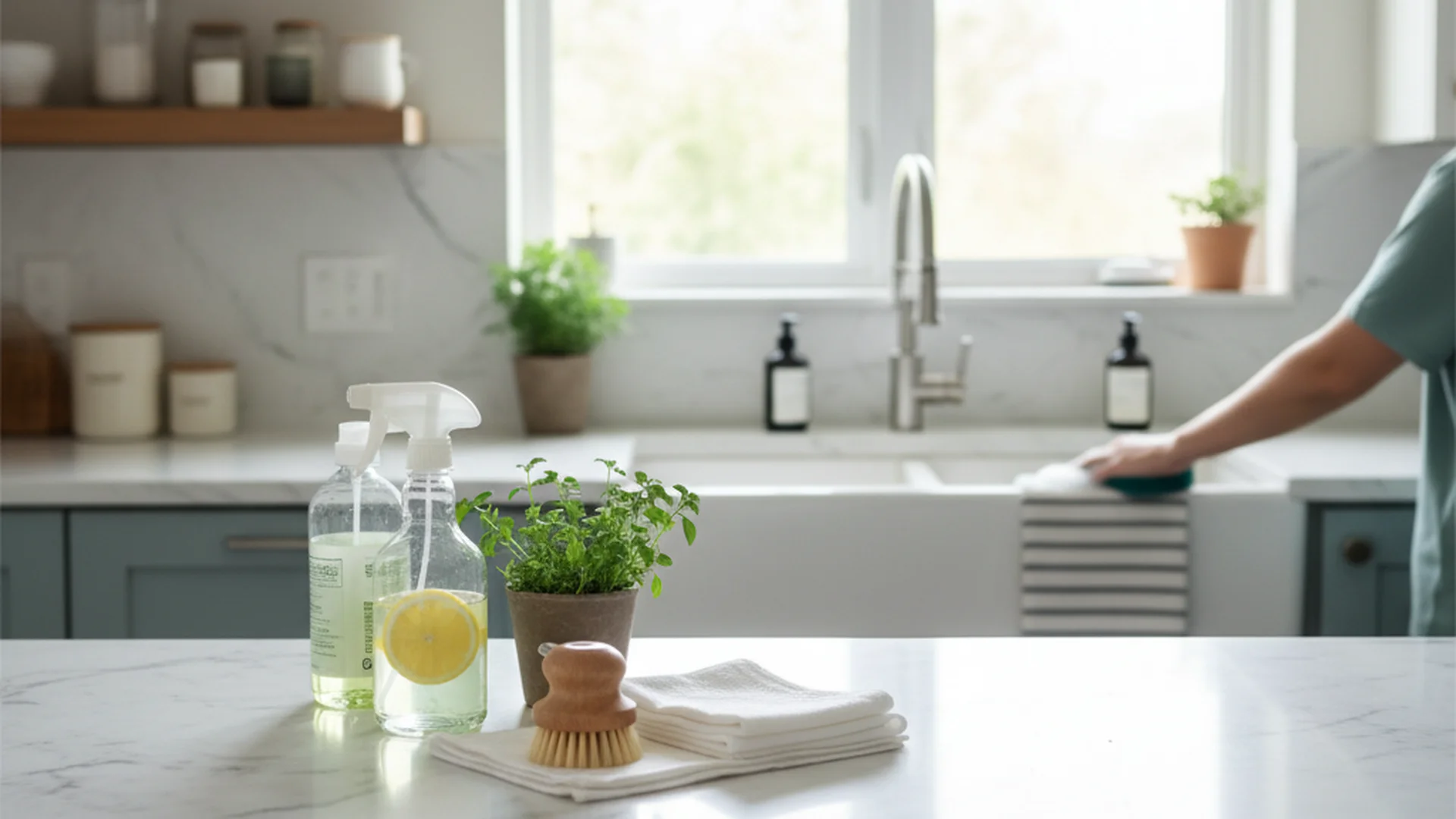
Popularized in the last year, the "Closing Shift" method involves treating your home kitchen like a professional restaurant. Instead of leaving dishes for the morning, you perform a 10–15 minute "reset" every night.
Real-World Example: Consider "The Busy Parent Scenario." Instead of waking up to a sink full of crusty oatmeal bowls and coffee stains, a parent spends 12 minutes at 9:00 PM loading the dishwasher, wiping the counters, and "resetting" the sink. The psychological benefit of walking into a clean kitchen at 6:00 AM significantly reduces morning cortisol levels.
The Daily Reset Checklist
- Wash and Clear: Clear the sink and start the dishwasher.
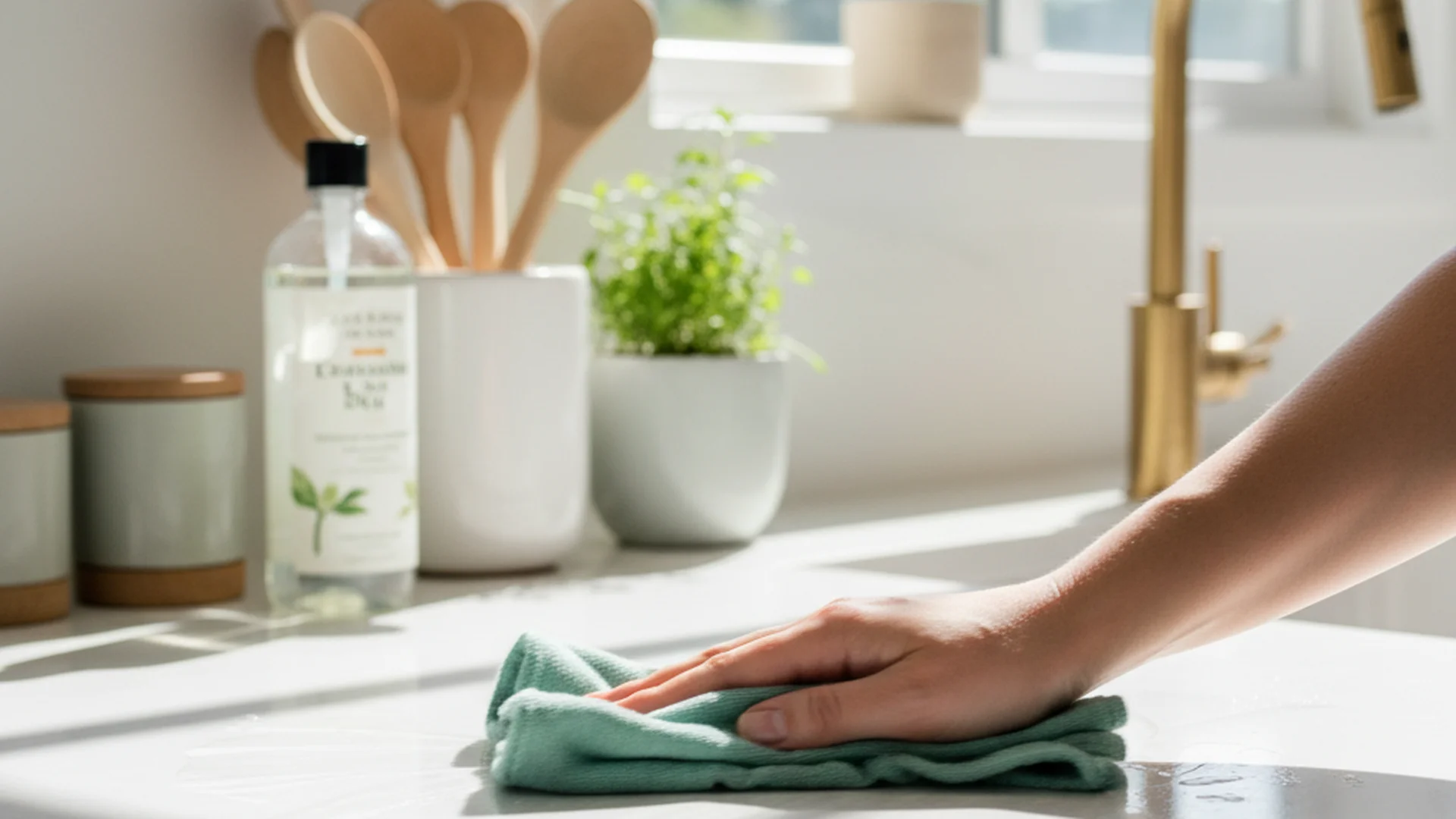
- Wipe and Sanitize: Use a probiotic cleaner on all countertops.
- The Sink Scrub: Clean the sink with hot soapy water—remember, it can harbor more bacteria than a toilet seat.
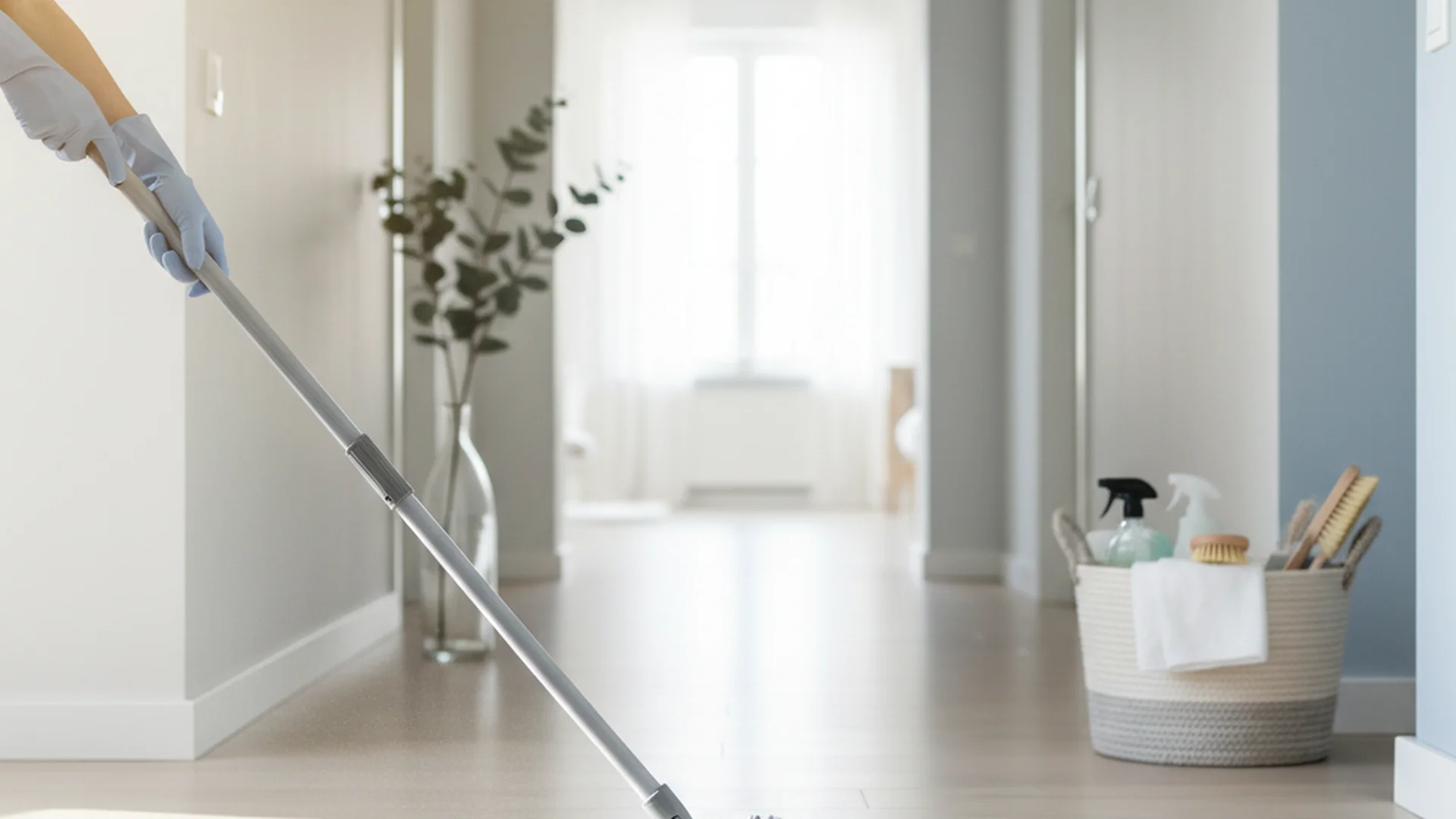
- Floor Sweep: A quick sweep prevents debris from being tracked into other rooms.
Success: Adopting the Closing Shift ensures you never start your day behind schedule, turning the kitchen into a place of morning peace rather than chaos.
The Ultimate Kitchen Cleaning Checklist
To maintain a high standard of hygiene, you need a tiered approach. Use this kitchen cleaning checklist to stay on track throughout the year.
| Frequency | Target Areas | Key Tasks |
|---|---|---|
| Weekly | Floors, Microwaves, Handles | Mop floors, sanitize high-touch handles, steam-clean microwave. |
| Monthly | Filters, Drains, Coffee Makers | Clean dishwasher filter, descale coffee maker, sanitize disposal. |
| Seasonal | Large Appliances, Cabinets | Vacuum fridge coils, degrease hood filters, wipe cabinet interiors. |
Weekly: The Refresh
Every week, focus on the "high-touch" zones. Faucets and appliance handles are the most frequently missed spots in daily routines. Use a microfiber cloth and an all-purpose cleaner to remove biofilms from these surfaces.
Tip: To clean the microwave effortlessly, place a bowl of water with lemon slices inside and run it for three minutes. The steam loosens stuck-on food, allowing you to wipe it away in seconds.
Monthly: The Maintenance
Monthly maintenance prevents appliance failure. Descaling your coffee maker ensures your morning brew is free of mineral buildup and mold. Additionally, check your pantry for expired items to prevent pest infestations.
Seasonal: The Deep Dive
Every 3 to 6 months, you must go where the eyes don't usually see. Vacuuming behind the refrigerator improves its energy efficiency and lifespan. This is also the time to address the oven.
Warning: While many ovens have a "Self-Clean" mode, the extreme heat (up to 900°F) can damage heating elements or release harmful fumes. Manual cleaning with a baking soda paste is often safer for the appliance and your lungs.
Expert Techniques: The "Top-to-Bottom" Rule
One of the most important kitchen cleaning tips is the "Top-to-Bottom" rule. Always start cleaning from the highest points—such as ceiling fans, the tops of cabinets, or high shelves—and work your way down to the floor.
Real-World Example: If you mop the floor first and then decide to wipe down the dusty tops of your upper cabinets, all that dust and grease will fall directly onto your clean floor. By working top-to-bottom, you only have to clean the floor once.
Understanding Dwell Time
A common mistake is spraying a surface and wiping it immediately. Most disinfectants require "dwell time"—usually between 30 seconds and 10 minutes—to actually kill bacteria and viruses.
Note: Read the label on your disinfectant to see the required contact time. If you wipe it off instantly, you are likely just moving dirt around rather than sanitizing the surface.
2026 Trends: AI and Sustainability
The future of kitchen cleaning is tech-integrated and eco-conscious.
- AI-Powered Appliances: New "Bespoke AI" appliances from brands like Samsung now feature internal cameras. These don't just track food; they suggest cleaning cycles based on how often you open the door or how much "splatter" the sensors detect.
- Microplastic-Free Cleaning: A major 2026 trend is the shift away from plastic sponges. Users are moving toward biodegradable wood-pulp sponges and stainless steel scrubbers to reduce the shedding of microplastics into the water system.
- Refill-and-Reuse Systems: Companies like Blueland have evolved. Instead of buying new plastic bottles, consumers use "Forever Bottles" and dissolvable tablets, reducing plastic waste by up to 80% in the cleaning category.
Real-World Example: A modern homeowner in 2026 might use a "smart" dishwasher that detects the soil level of the water and adjusts the cycle, while they use a compostable Swedish dishcloth to wipe down a quartz countertop, avoiding both plastic waste and chemical streaks.
Common Mistakes to Avoid
Even seasoned cleaners can fall into bad habits. Here are the most frequent errors found in modern kitchens:
The "Dirty Sponge" Mistake
Reusing the same sponge for weeks is a top hygiene error. Sponges should be disinfected every two days (via the dishwasher or a brief stint in the microwave while damp) and replaced every two weeks. Better yet, swap them entirely for more hygienic silicone brushes or wooden dish brushes.
Vinegar on Natural Stone
While vinegar is a staple of natural cleaning, its acidity is the enemy of natural stone.
Warning: Never use vinegar or lemon-based cleaners on marble, granite, or quartz. The acid can "etch" the stone, leaving permanent dull spots. Use pH-neutral cleaners specifically formulated for stone.
Putting Pro Knives in the Dishwasher
High-quality kitchen knives should never see the inside of a dishwasher. The high heat and harsh detergents dull the blades and cause handles to crack or warp. Always hand-wash and dry them immediately to maintain their edge and longevity.
Cleaning Floors First
As discussed in the Top-to-Bottom rule, cleaning floors first is a waste of time. Always make the floors the very last step of your routine.
Frequently Asked Questions
How often should I deep clean the kitchen?
What is the "Closing Shift" method?
Can I use vinegar on all countertops?
Is the oven’s "Self-Clean" mode safe?
How do I reduce microplastics while cleaning?
Conclusion
Mastering how to clean kitchen environments in 2025 requires a blend of traditional elbow grease and modern, wellness-focused strategies. By implementing the "Closing Shift" for daily order, following the "Top-to-Bottom" rule for efficiency, and staying mindful of new sustainable technologies, you can create a kitchen that isn't just visually clean, but truly hygienic.
Success: A clean kitchen reduces stress, improves food safety, and extends the life of your expensive appliances. Start your "Closing Shift" tonight and feel the difference tomorrow morning!
Cleaning that keeps score
Every task earns points, every streak multiplies them, and Premium adds a household leaderboard plus a monthly Dustagorgon to beat.
- Free forever
- 30 badges to earn
- Up to 6 in a household
No card needed. Set up your rooms in a couple of minutes.