In this article
What you’ll learn
- Adopt a top-to-bottom cleaning strategy to ensure efficiency.
- Use material-specific cleaners to preserve expensive wood and stone furniture.
- Integrate 2025 minimalist and eco-conscious trends for a healthier home.
The dining room is the heart of the home’s social life, a place where stories are shared over meals and memories are made. However, because we spend an average of 67 minutes per day eating and drinking in this space, it is also a magnet for crumbs, spills, and airborne allergens. Learning how to clean dining room areas effectively is about more than just a quick wipe-down; it is about preserving high-quality furniture and ensuring a hygienic environment for your family.
In 2025, the standard for home maintenance has shifted. We are no longer just looking for "visual" clean; we are looking for microbial safety and environmental sustainability. This guide will walk you through a professional-grade routine to keep your dining space pristine.
The Top-to-Bottom Strategy
One of the most common mistakes in residential cleaning is working in a haphazard order. Professional cleaning managers prioritize the "Top-to-Bottom" strategy. This method ensures that any dust or debris dislodged from higher surfaces falls onto uncleaned areas below, preventing you from having to clean the same surface twice.
Step 1: Lighting and Ceilings
Start with your light fixtures. Whether you have a modern minimalist pendant or a traditional crystal chandelier, these are primary dust collectors. In 2025, indoor air quality is a major concern, especially since dining room dust can consist of up to 50% dead skin cells.
- Chandeliers: Use a dry microfiber cloth to wipe each bulb and glass element.
- Pendant Lights: For metal or glass shades, a slightly dampened cloth with a 50/50 water and vinegar solution works wonders (provided the fixture isn't a reactive metal).
- Ceiling Corners: Use a long-handled duster to clear away "cobwebs" and accumulated dust in the corners of the room.
Tip: Always turn off and cool down light fixtures before cleaning to avoid breaking bulbs or burning your hands.
Step 2: Walls, Windows, and Decor
Wipe down picture frames, mirrors, and wall art. For the walls themselves, look for scuff marks near the chair rail—a common occurrence in dining rooms where chairs are frequently moved.
- Windows: Use a streak-free glass cleaner or a concentrated refillable tablet solution to clean the interior glass.
- Baseboards: These are often neglected. Use a damp cloth to wipe away the hair and dust that settles on the ledge of the baseboard.
Note: A "Magic Eraser" or melamine sponge is highly effective for removing stubborn scuff marks from painted walls without the need for heavy chemicals.
Mastering Furniture Maintenance
Your dining table and chairs are likely the most expensive items in the room. Protecting these investments requires specific knowledge of materials.
Cleaning the Dining Table
The method you use depends entirely on the material.
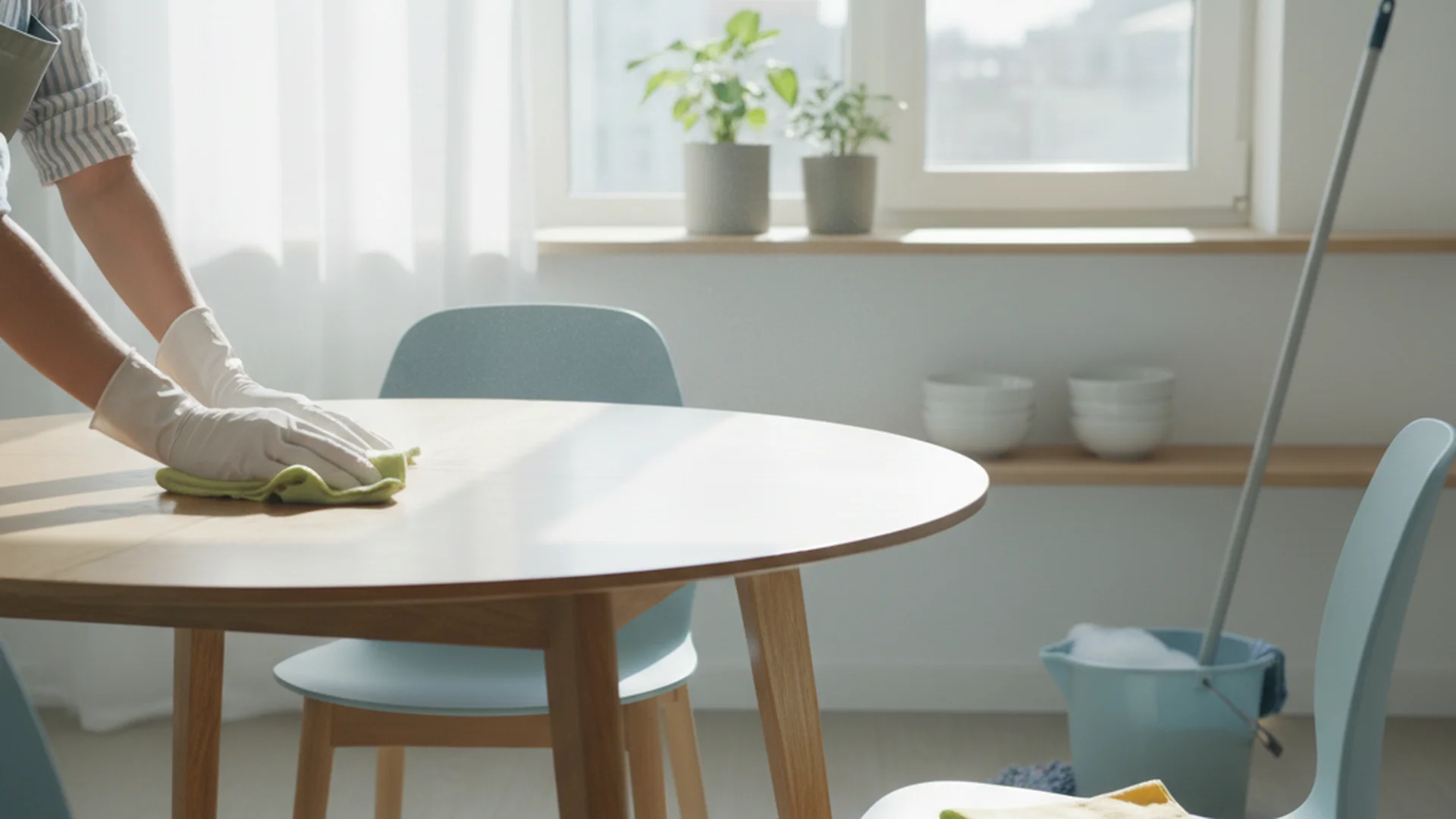
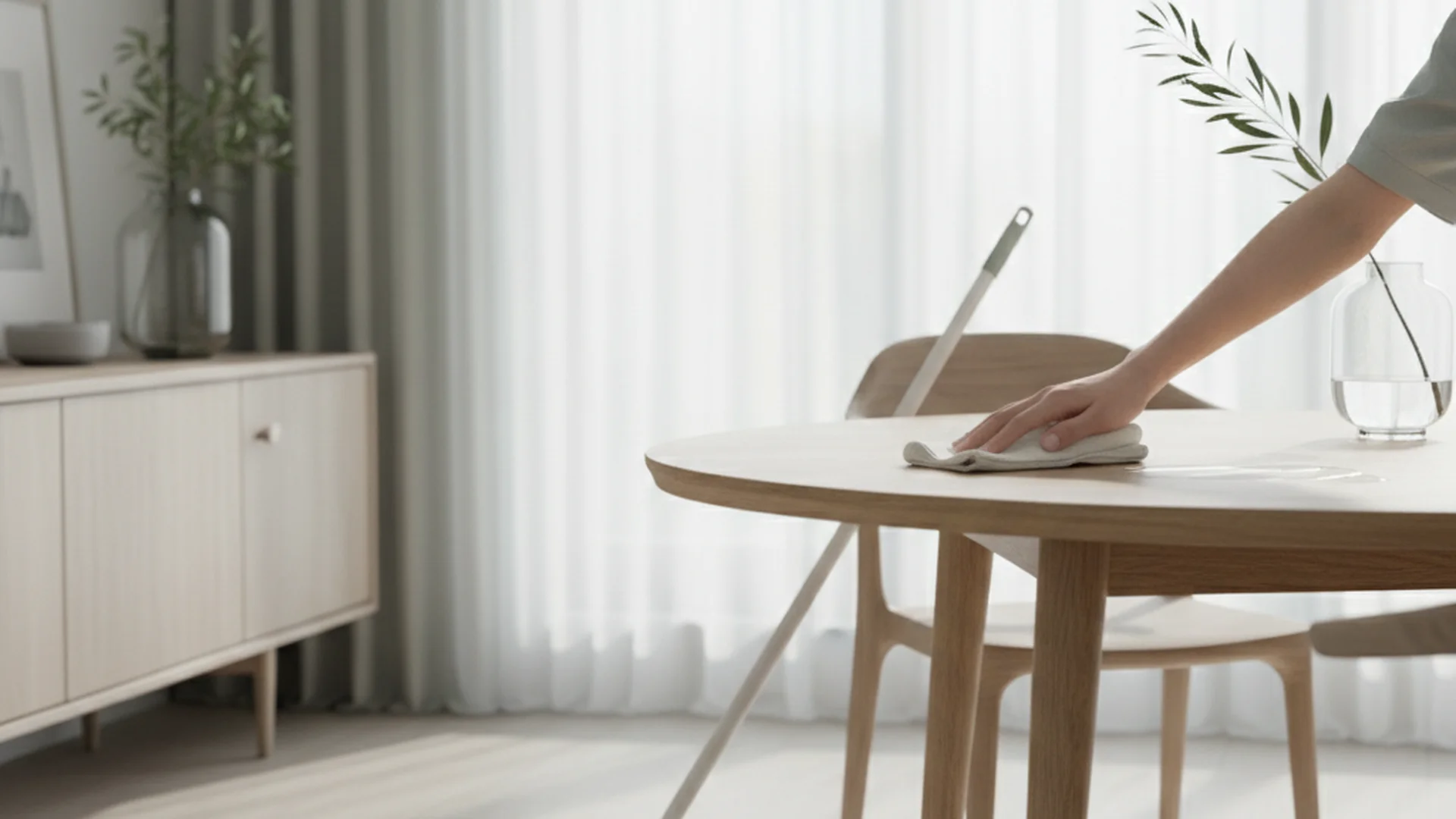
- Wood: Never saturate wood. Use a lightly dampened microfiber cloth. For a natural polish, mix 2 parts olive oil with 1 part lemon juice. This nourishes the wood without creating the tacky buildup found in many commercial sprays.
- Stone (Marble/Granite): Avoid vinegar or acidic cleaners at all costs, as they can etch the stone. Use a pH-neutral stone cleaner.
- Glass: Use a microfiber cloth and a dedicated glass cleaner to prevent streaks.
Warning: Using excessive water on wood furniture can cause the grain to swell, leading to warping or cracking over time.
Upholstered Chairs and Fabric Care
Upholstered chairs are notorious for trapping food particles and odors.
- Vacuuming: Use the upholstery attachment on your vacuum to get into the crevices where the seat meets the backrest.
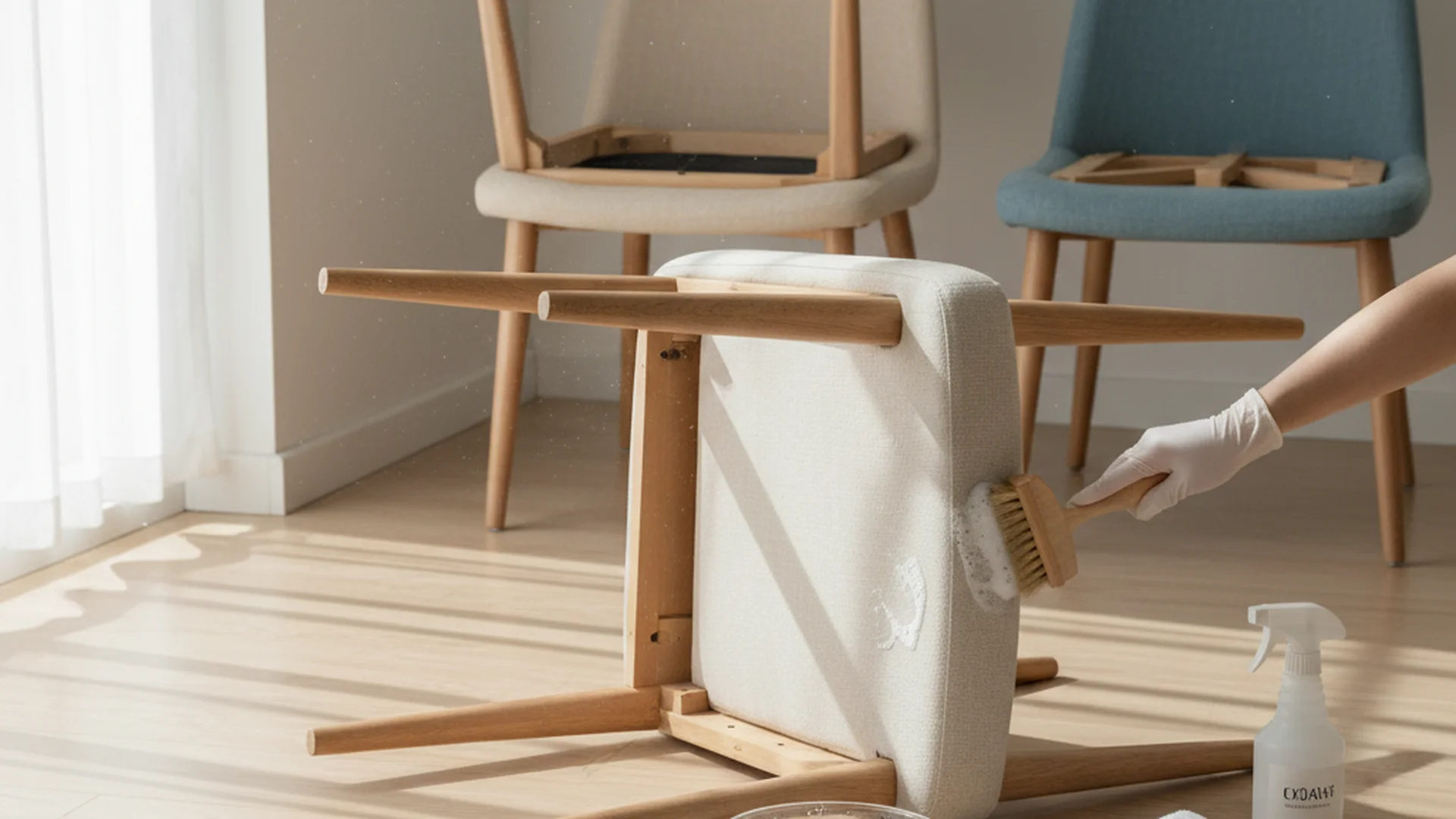
- Spot Cleaning: For stains, a mixture of 1 cup hydrogen peroxide and 1 teaspoon of clear dish soap is a "magic" formula for many fabrics. Always blot; never rub.
Success: Regularly treating your upholstered chairs with a fabric protector can reduce the time spent cleaning spills by up to 50% by preventing liquids from soaking into the fibers.
Recent Trends: The 2025-2026 Shift
The cleaning industry has evolved rapidly. Here are the trends currently shaping how we maintain our dining spaces:
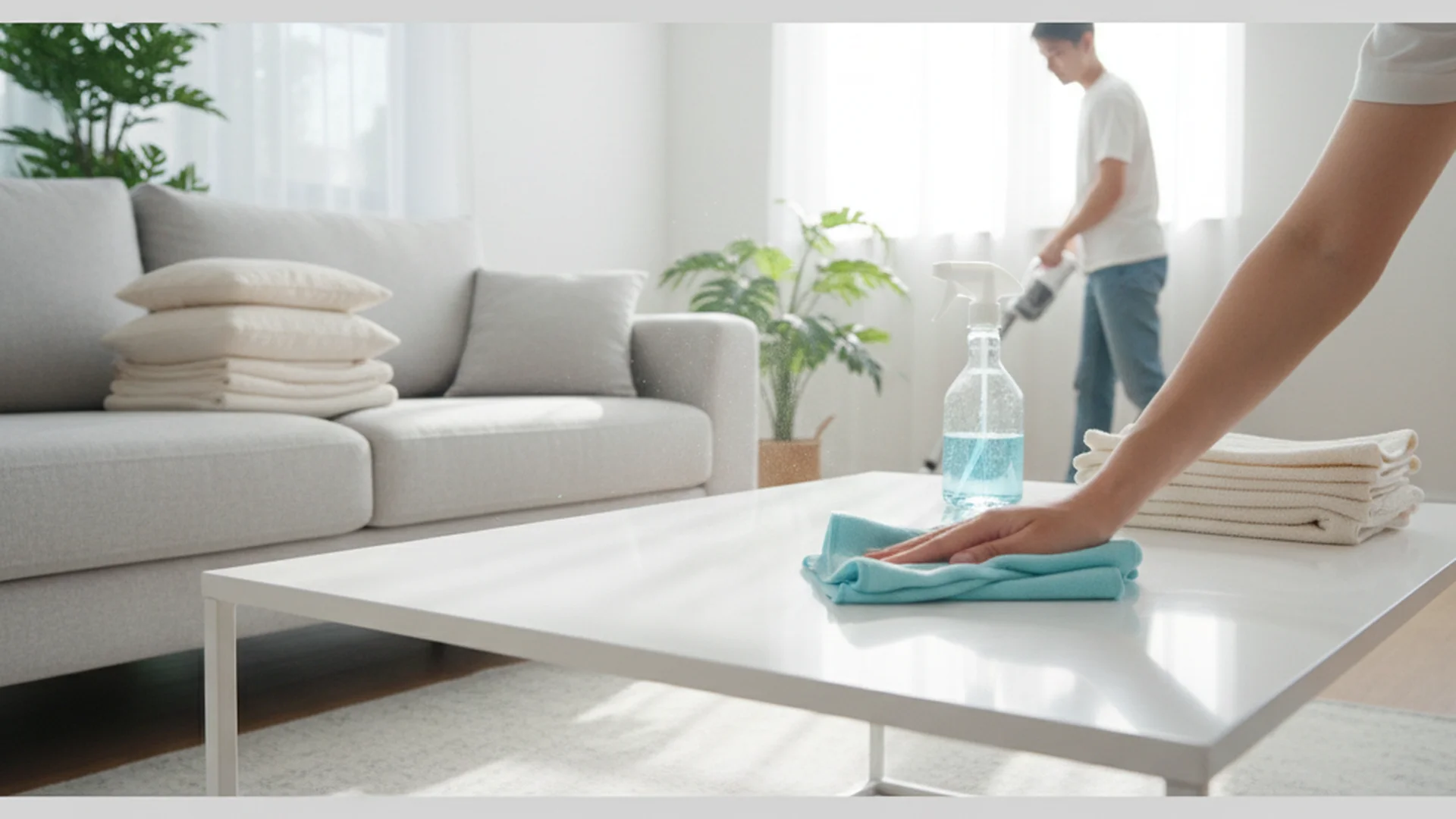
- Minimalist Cleaning: Instead of a cabinet full of specialized sprays, homeowners are moving toward high-quality, multi-purpose concentrates. This reduces clutter and waste.
- AI and Smart Integration: Many households now utilize AI-powered robot vacuums. These can be programmed via smartphone to perform a "post-meal sweep" specifically under the dining table to catch crumbs before they are tracked through the house.
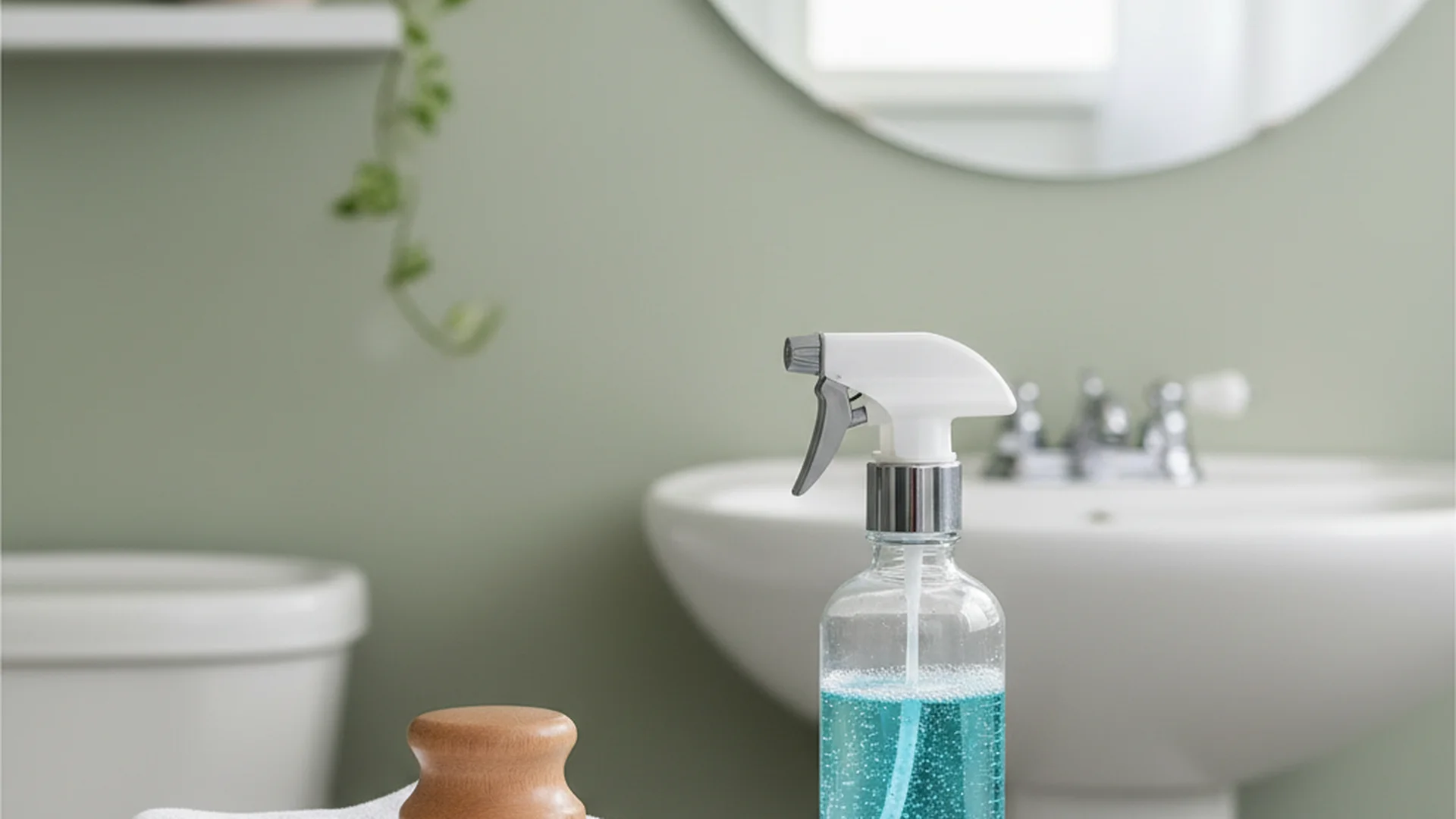
- Refillable Systems: Moving away from single-use plastics, many are opting for glass spray bottles paired with dissolvable cleaning tablets.
- Air Purification: High-end dining rooms are increasingly featuring HEPA-filtration systems integrated into the decor to remove food odors and airborne pollutants immediately after mealtime.
| Feature | Traditional Method | 2025 Minimalist Method |
|---|---|---|
| Product Use | 5-7 specific chemical sprays | 1-2 high-quality concentrates |
| Tools | Paper towels and feather dusters | Microfiber cloths and HEPA vacuums |
| Frequency | Reactive (clean when dirty) | Proactive (AI-scheduled maintenance) |
| Plastic Waste | High (single-use bottles) | Low (refillable glass/tablets) |
Real-World Examples
To better understand how to clean dining room environments, let's look at three common scenarios:
Example 1: The Pet-Friendly Household
A homeowner with two golden retrievers struggled with pet hair and "nose prints" on the glass table. By switching to a citrus-scented cleaner (which cats and dogs often dislike) and using washable chair pads, they reduced the presence of pet dander. They also utilized an AI vacuum scheduled to run 15 minutes after dinner to catch both food crumbs and pet hair.
Example 2: The Heirloom Wood Table
A family with a 50-year-old mahogany table noticed the finish becoming "cloudy." This was caused by the "tacky" residue of weekly commercial waxing. They switched to a monthly polishing routine using an olive oil and lemon juice mixture and used only a dry microfiber cloth for daily dusting. Within three months, the natural luster of the wood returned.
Example 3: The Multi-Purpose Space
In a small apartment where the dining table doubles as a home office, the primary issue was "sticky fingers" and ink marks. The resident implemented a "Daily Reset" routine: clearing all work materials by 6:00 PM and using a quick-dry, plant-based surface spray to sanitize the area before dinner.
Dining Room Cleaning Checklist
Use this checklist to maintain a consistent routine. Consistency is the enemy of deep-seated grime.
Daily Maintenance
- Clear all dishes and clutter immediately after meals.
- Wipe the table with a material-safe cloth.
- Spot-sweep or vacuum crumbs from under the table.
Weekly Routine
- Dust all furniture, including chair rungs and table legs.
- Vacuum upholstery and cushions.
- Mop hard floors with a damp (not soaking) mop.
- Sanitize high-touch areas: light switches, door handles, and chair backs.
Monthly Deep Clean
- Dust the tops of cabinets or hutch displays.
- Launder table linens (runners, placemats).
- Polish silverware or metal accents.
- Clean the underside of the table and chair seats (where sticky residue hides).
Seasonal Refresh (Spring & Fall)
- Launder or dry-clean curtains and window treatments.
- Deep-clean area rugs using a steam cleaner or professional service.
- Condition wood furniture with a high-quality wood feeder or oil.
- Detail the chandelier or complex light fixtures.
Common Mistakes to Avoid
Even with the best intentions, certain habits can actually damage your dining room or make it harder to keep clean.
- Using Too Much Water: This is the #1 killer of wood furniture and the leading cause of mildew in upholstery.
- Skipping the Underside: Food residues and "sticky fingers" often hide under the edges of the table and the bottom of chair seats. Always wipe the "hidden" areas.
- The "Bleach" Misconception: Many believe that if a room smells like bleach, it's clean. In reality, scent is not an indicator of cleanliness. Overusing harsh chemicals can damage finishes and irritate your respiratory system.
- Over-Polishing: Polishing wood weekly creates a buildup that actually attracts more dust. Stick to a monthly schedule for polishing and a weekly schedule for dusting.
- Using Dirty Tools: If you use a dusty rag, you are simply redistributing grime. Always start your session with fresh, clean microfiber cloths.
Frequently Asked Questions
How often should I deep clean my dining room?
What is the best way to clean a wooden dining table?
How do I get stains out of upholstered dining chairs?
Can I use vinegar on all dining room surfaces?
How do I keep my dining room clean with pets?
Conclusion
Mastering how to clean dining room spaces is an essential skill for any homeowner looking to balance hygiene with home aesthetics. By following a top-to-bottom strategy, respecting the specific needs of your furniture materials, and embracing the eco-conscious trends of 2025, you can create a space that is as healthy as it is beautiful. Remember, the key to a clean dining room isn't a single "marathon" cleaning session, but a consistent "sprint" of daily and weekly habits.
Success: By implementing these professional strategies, you can extend the life of your dining furniture by years while improving your home's overall air quality.
Cleaning that keeps score
Every task earns points, every streak multiplies them, and Premium adds a household leaderboard plus a monthly Dustagorgon to beat.
- Free forever
- 30 badges to earn
- Up to 6 in a household
No card needed. Set up your rooms in a couple of minutes.