In this article
What you’ll learn
- Soft washing with sodium percarbonate is safer than high-pressure washing.
- Wood brighteners are essential for neutralizing pH and ensuring stain longevity.
- Regular maintenance can extend the lifespan of a wood deck to over 30 years.
Cleaning your outdoor living space is no longer just a weekend chore; it is a critical investment in your property’s long-term value. Whether you are prepping for a summer barbecue or performing annual maintenance, knowing how to clean deck surfaces properly can mean the difference between a stunning backyard retreat and an expensive replacement project. As we move into 2025, the industry has shifted away from "blast it with power" mentalities toward sustainable, gentle methods that preserve the structural integrity of your wood or composite.
The Evolution of Deck Maintenance in 2025
This growth isn't just in new builds; it’s driven by homeowners investing in the "Repair & Remodeling" segment to keep their existing structures alive. We are seeing a massive trend toward biophilic maintenance, where homeowners use plant-safe, pH-neutral cleaners that allow runoff into garden beds without harming pollinators or local ecosystems.
If you have a traditional wood deck, proper care can extend its life from a measly 10 years to over 30 years. Even advanced composite materials, often marketed as "maintenance-free," actually require specific cleaning protocols to reach their 50-year potential.
Note: Plenty of owners of pressure-treated wood decks come to regret the upkeep involved. However, following the right cleaning steps significantly reduces this burden.
The "Soft Wash" Revolution: Why Pressure is Out
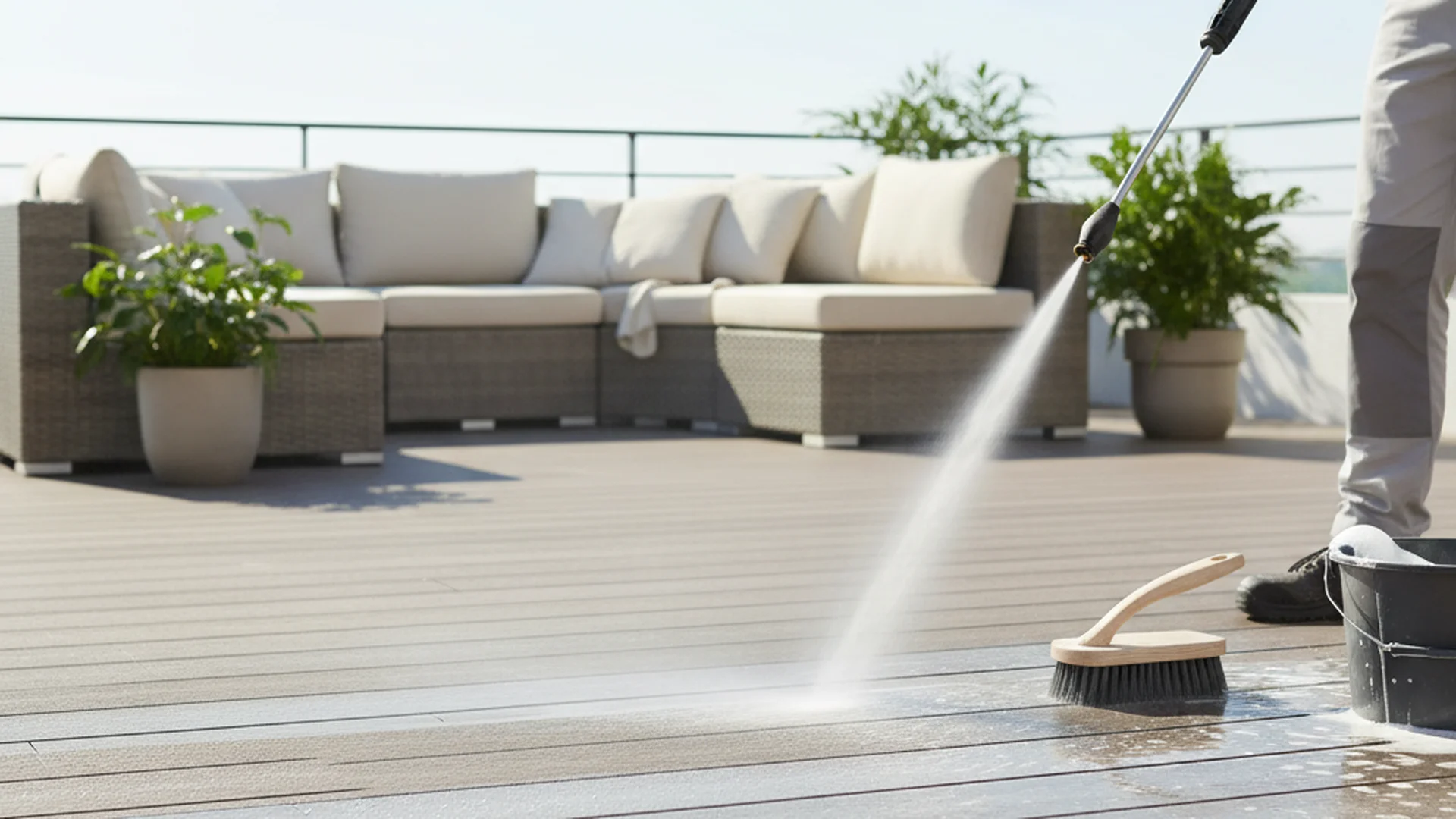
For years, the standard advice was to grab a high-powered pressure washer and blast away the grime. Today, the best way how to clean deck boards is through "soft washing."
High-pressure water (anything over 1,200 PSI for wood) can cause "furring," where the wood fibers are torn and lifted, creating a splintery mess. It can also leave permanent "scar" marks on composite boards. Soft washing relies on chemistry rather than raw force. By using an oxygen-based cleaner, you can break down mold, algae, and silver-gray oxidation without damaging the wood's internal structure.
Choosing Your Cleaning Solution
Avoid household chlorine bleach. While it kills mold quickly, it also breaks down lignin—the organic glue that holds wood fibers together. This results in brittle, "white-washed" boards that lose their structural strength.
| Cleaner Type | Active Ingredient | Best For | Eco-Friendliness |
|---|---|---|---|
| Oxygen Bleach | Sodium Percarbonate | Wood & Composite | High (Plant Safe) |
| Wood Brightener | Oxalic/Citric Acid | Restoring pH | Medium |
| Composite Cleaner | Surfactants | Mold on Synthetic | High |
| Traditional Bleach | Sodium Hypochlorite | Heavy Mold Only | Low (Toxic) |
Essential Equipment for 2025
Before you start, ensure you have the right tools. The shift toward smart home integration means many modern decks now feature built-in LED strips and automated shading.
- Pressure Washer: If using one, ensure it has a 25-degree or 40-degree fan tip.
- Pump Sprayer: Used to apply the cleaning solution evenly.
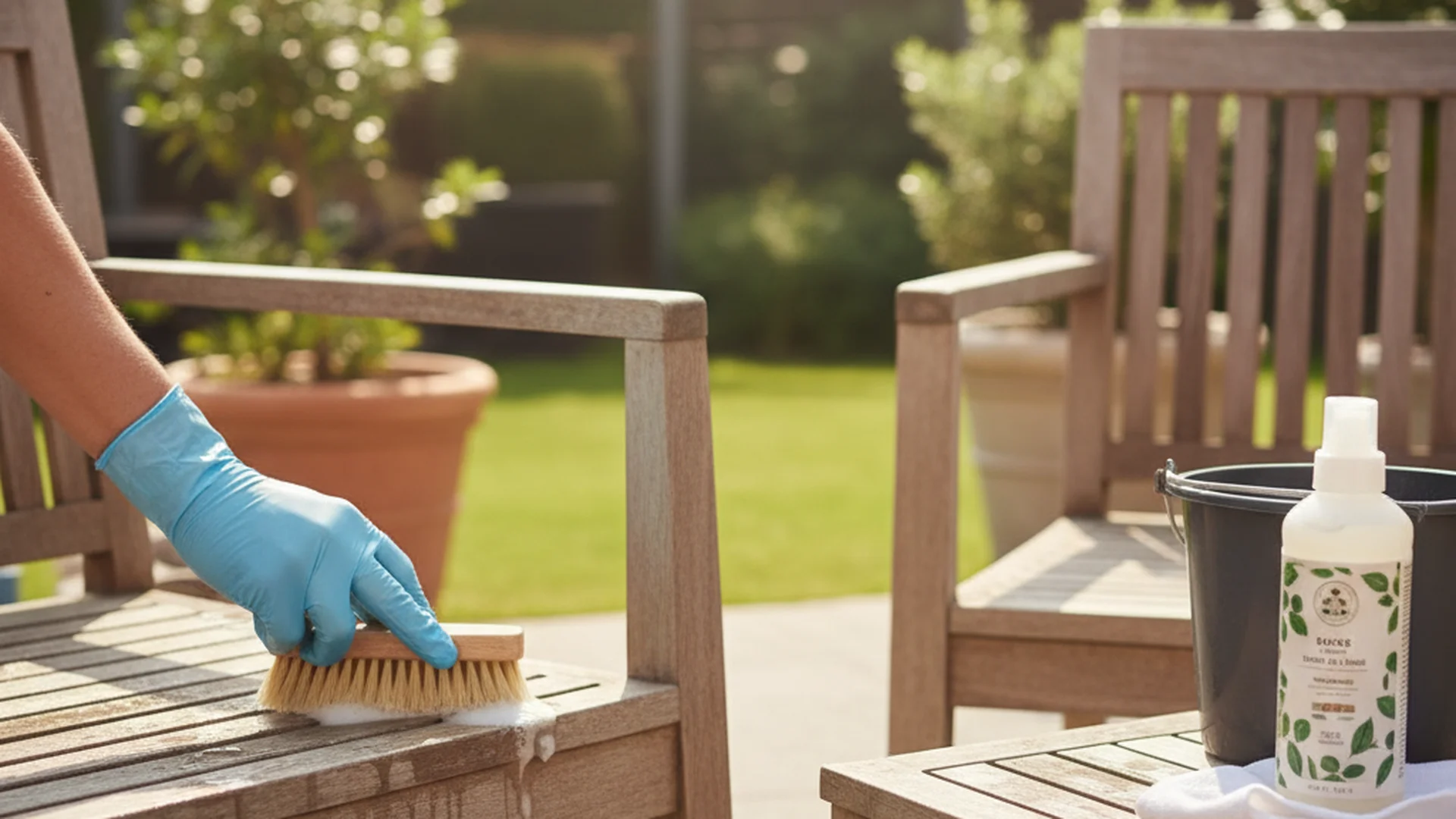
- Stiff-Bristled Brush: Synthetic bristles are best for scrubbing without gouging the wood.
- Safety Gear: Gloves and eye protection are non-negotiable when handling acidic brighteners.
Tip: If your deck has integrated smart lighting or hidden wiring for louvered roofs, cover the sensors with painter's tape and plastic before starting. Avoid direct spray on any electronic components.
Step-by-Step: How to Clean Deck Surfaces Like a Pro
Step 1: Pre-Cleaning Inspection
Before water ever touches the surface, do a walk-through. Look for "popped" nails, rusted screws, or soft spots that indicate rot.
Warning: Pressure washing a board with existing rot can cause it to shatter, potentially causing injury or further property damage.
Step 2: Clear and Sweep
Remove all furniture, rugs, and planters. Sweep away loose debris, leaves, and pollen. This is also the time to use a putty knife or specialized tool to clear the gaps between boards.
Note: Clogged gaps prevent airflow, which is the #1 cause of "underside rot" in otherwise healthy-looking decks.
Step 3: Apply the Cleaner
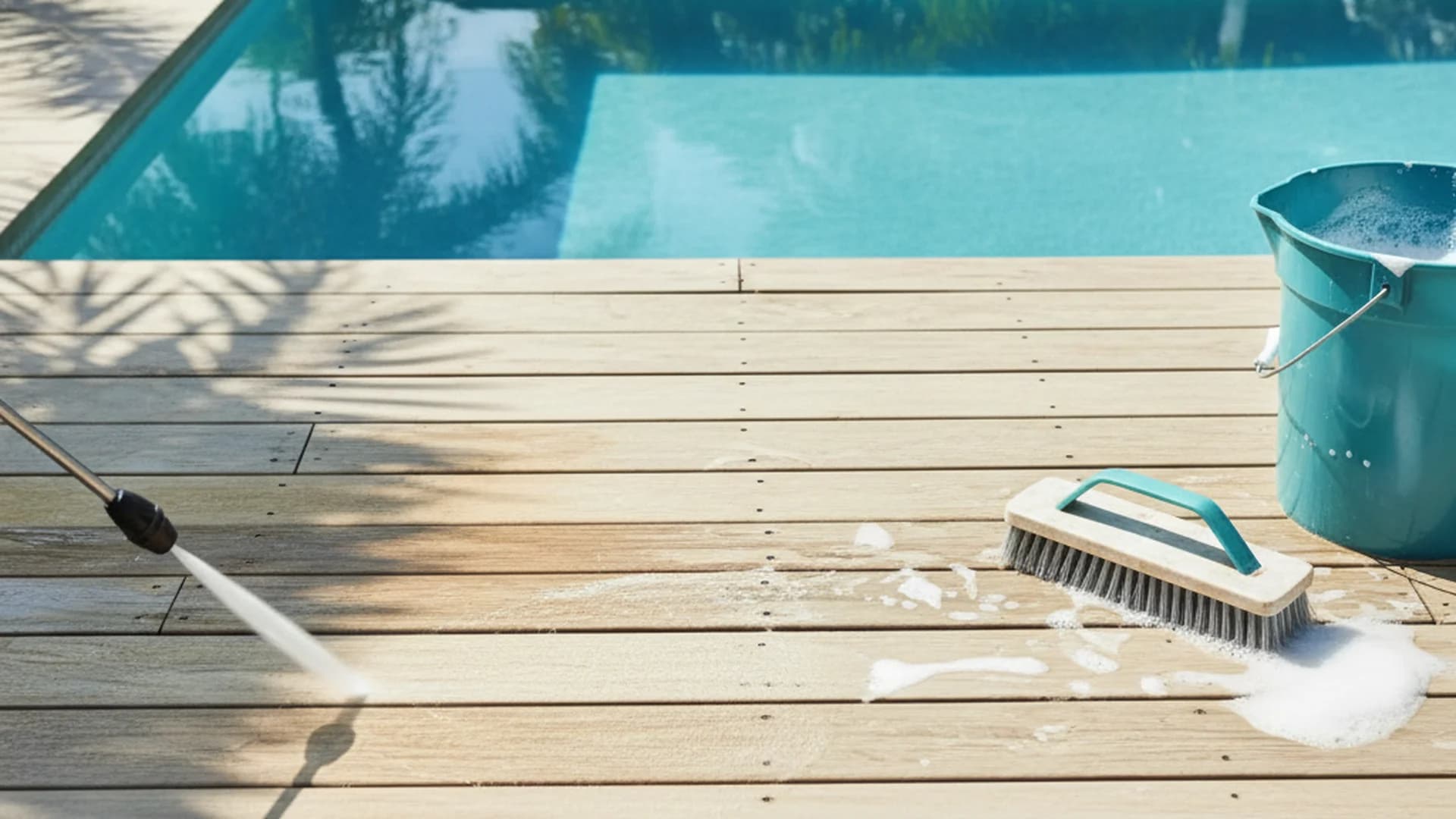
Using a pump sprayer, apply your oxygen-based cleaner (like the Restore-A-Deck Cleaner) to a dry deck. Work in small sections to ensure the solution stays wet. Let it dwell for 10–15 minutes. This is where the chemistry happens—you’ll see the solution bubbling as it lifts organic growth.
Step 4: Gentle Scrubbing and Rinsing
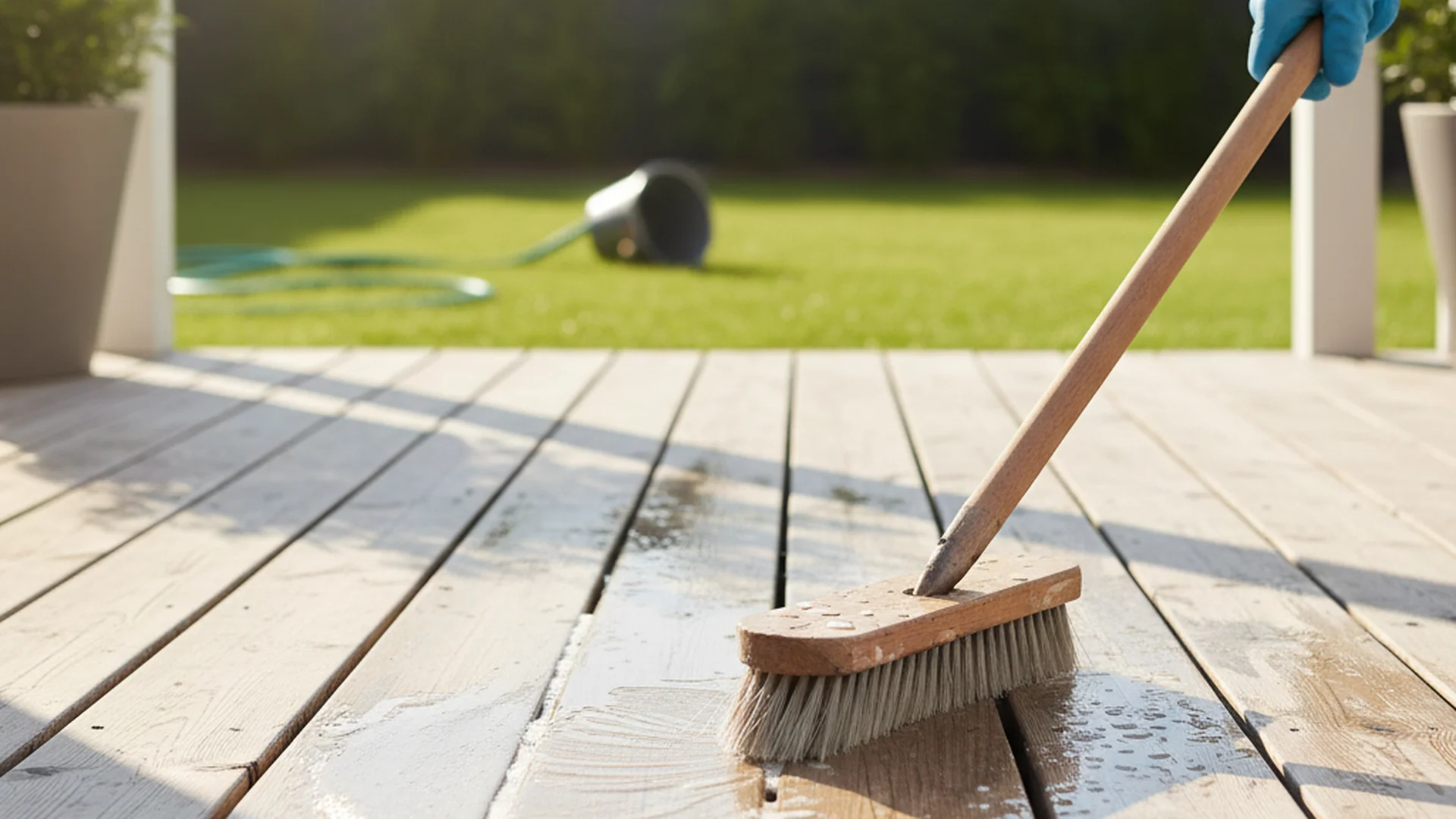
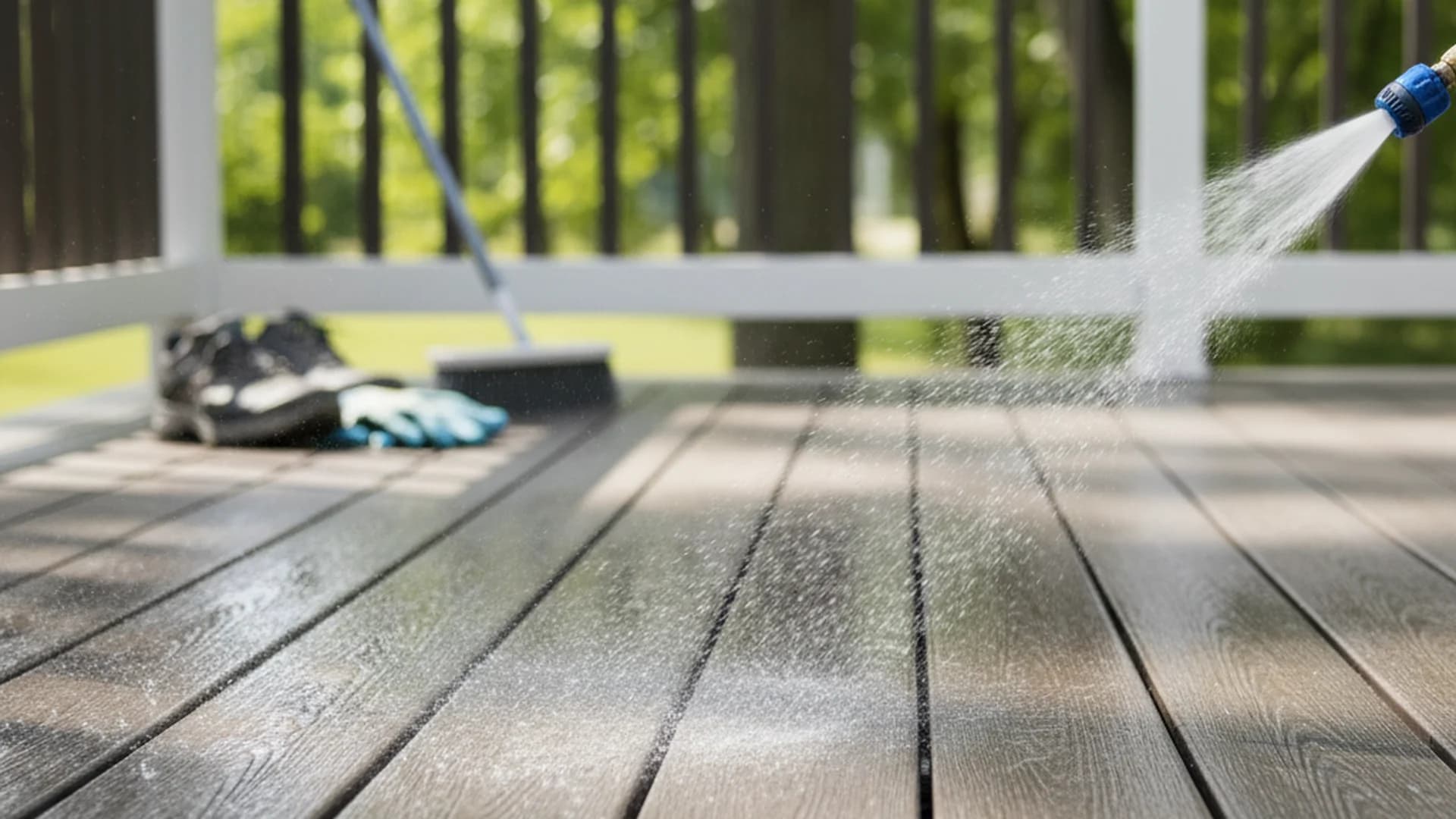
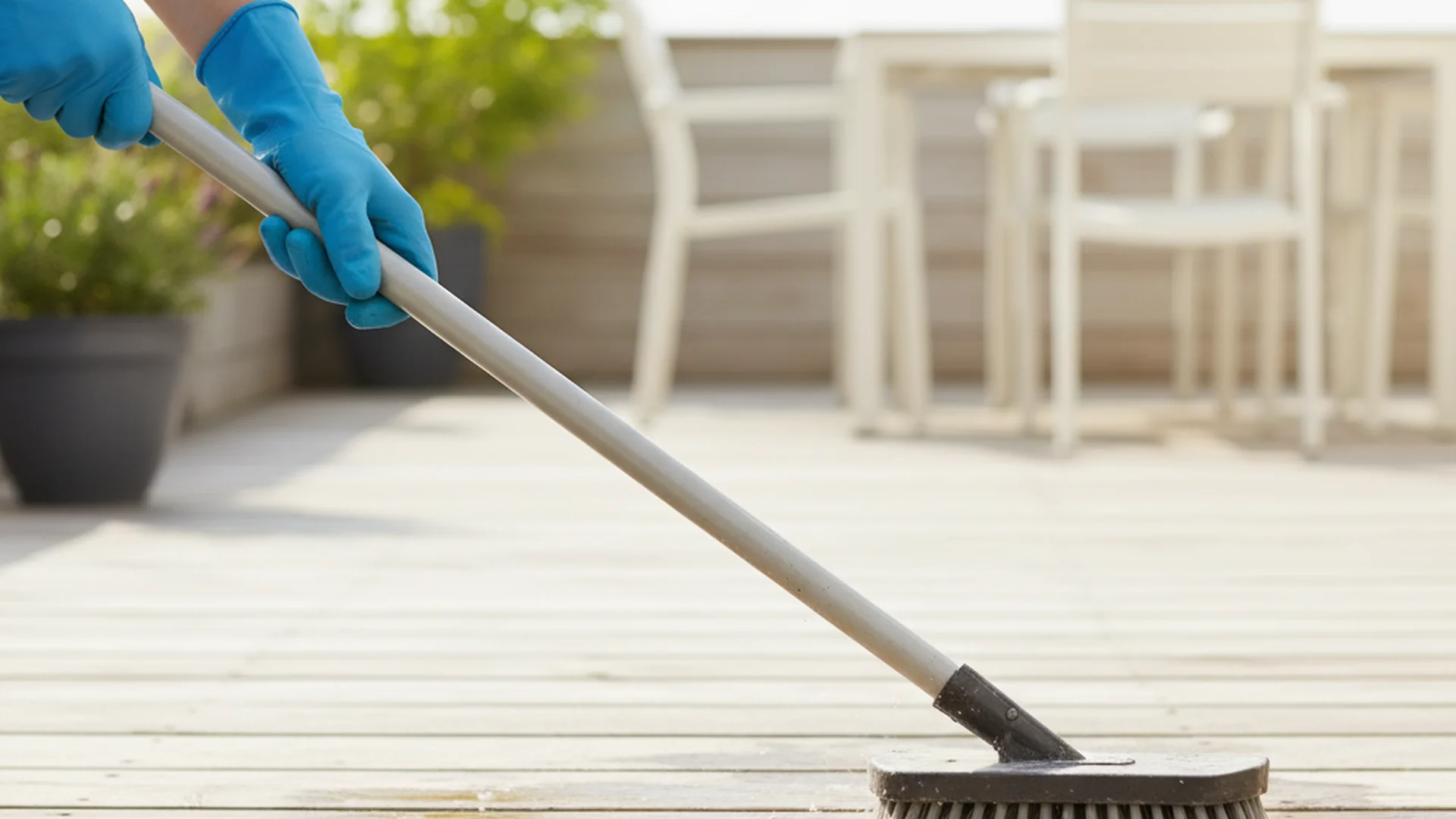
Scrub the boards in the direction of the grain. If using a pressure washer, keep the wand 12 to 18 inches away from the surface at all times. Use long, sweeping motions to avoid "lap marks."
Step 5: The "Magic" Step—Brightening
Many DIYers skip this, but it is the secret to a professional finish. Wood cleaners are alkaline. To neutralize the wood and bring back its natural color, you must apply a wood brightener. This opens the wood pores, making it more receptive to stain.
Success: Using a brightener containing citric or oxalic acid will restore that "new wood" look or achieve the trending "cool gray" aesthetic without making the wood look yellow.
Real-World Examples of Deck Cleaning Success
Example 1: The "Northern Exposure" Rescue
A homeowner in Seattle dealt with heavy green algae on a cedar deck every spring. By switching from a power washer to a two-part sodium percarbonate and brightener system, they stopped the "furring" of the wood and cut their cleaning time substantially because the brightener inhibited new mold growth.
Example 2: The Modern Composite Refresh
In Austin, a family with a 10-year-old composite deck noticed dark spots (mold) that wouldn't wash away with soap. Using an eco-friendly oxy-solve cleaner specifically designed for composites, they restored the "weathered neutral" look popular in 2025 designs without voiding their manufacturer's warranty.
Example 3: The Smart Deck Integration
A luxury deck in Miami featured built-in LED strips and automated louvered roofs. The cleaning crew used "electronic-safe" techniques, focusing on hand-scrubbing near the sensors and using a low-moisture soft wash approach to protect the hidden wiring.
Common Mistakes to Avoid
- Cleaning Against the Grain: This leaves permanent scuff marks and "lap marks" that show up even after staining. Always follow the wood’s natural lines.
- The "Rain Rinse" Myth: Many believe a heavy rain will help wash away the cleaner. In reality, rain traps moisture in debris, accelerating rot. Always rinse thoroughly with a hose.
- Over-Pressuring: Using a "zero-degree" red tip on a pressure washer is the fastest way to ruin a deck. It acts like a laser and will cut right through the wood.
- Skipping the Dry Time: You must wait for the wood to dry completely—typically 48 hours of dry weather—before applying any sealant or stain.
Warning: Never mix different cleaning chemicals together, especially ammonia-based products and bleach, as this can create toxic gas.
Frequently Asked Questions
Is it safe to pressure wash my deck?
How often should I clean my deck?
Can I use household bleach to kill mold?
When can I stain my deck after cleaning?
What is the best way how to clean deck boards that are composite?
Conclusion
Mastering how to clean deck surfaces is about understanding the balance between chemistry and care. By moving toward the "soft wash" methods of 2025 and utilizing pH-balancing brighteners, you can protect your outdoor investment for decades. Whether you are dealing with a classic pressure-treated pine or a high-tech composite with integrated lighting, the right approach ensures your home remains a beautiful, safe, and valuable space for years to come.
Success: Regular annual cleaning can add up to 20 years to the life of your wood deck, saving you thousands in replacement costs.
Cleaning that keeps score
Every task earns points, every streak multiplies them, and Premium adds a household leaderboard plus a monthly Dustagorgon to beat.
- Free forever
- 30 badges to earn
- Up to 6 in a household
No card needed. Set up your rooms in a couple of minutes.