In this article
What you’ll learn
- Expect to pay $25–$80 per hour depending on whether you hire a freelancer or an agency.
- Deep cleans are essential "resets" that lower the cost of future maintenance visits.
- Technology and eco-friendly standards are the new baseline for professional services in 2025.
Walking into a spotless, fresh-smelling home is one of life’s greatest simple pleasures. However, for many homeowners in 2025, the biggest hurdle to achieving this bliss is understanding the bottom line. If you are wondering about the current house cleaning cost, you are not alone. The industry has evolved significantly over the last few years, moving away from "handshake deals" toward sophisticated, tech-driven pricing models that prioritize transparency, sustainability, and high-quality labor standards.
Knowing what to expect enables you to budget effectively and ensure you are paying for professional-grade results rather than just a surface-level wipe-down. In this guide, we will break down the national averages, the variables that impact your quote, and the emerging trends defining the cleaning market in 2025 and 2026.
Understanding the 2025 Pricing Models
The cleaning industry no longer uses a one-size-fits-all approach. Depending on the company’s structure and the complexity of your home, you will likely encounter three primary pricing structures.
Hourly Rates
This is the most common model for independent cleaners and small local teams. In 2025, individual freelancers typically charge between $25 and $50 per hour. While this is budget-friendly, it often lacks the protection of a larger company. Professional agencies, on the other hand, range from $50 to $80+ per hour. This higher price point covers essential overhead like liability insurance, workers' compensation, and background-checked staff.
Flat Fee Pricing
Many modern agencies have moved toward flat fees to provide customers with budget predictability. This is usually calculated based on the number of bedrooms and bathrooms in your home. For a standard 2,000-square-foot home, you can expect to pay between $200 and $400 for a recurring maintenance clean.
Square Footage Pricing
Commonly used for specialized services, pricing per square foot ensures that the effort matches the size of the space.
- Standard Cleaning: $0.10 – $0.20 per sq. ft.
- Move-Out/Post-Construction: $0.20 – $0.35 per sq. ft.
| Service Type | Price Range (2,000 sq. ft. Home) | Best For |
|---|---|---|
| Standard | $200 – $400 | Weekly or bi-weekly maintenance |
| Deep Clean | $300 – $600 | First-time visits or seasonal refreshes |
| Move-Out | $400 – $700+ | Empty homes requiring total sanitization |
Note: Flat rates are generally better for homeowners who want to avoid "sticker shock" if a particular room requires a few extra minutes of attention.
Real-World Examples of Cleaning Costs
To give you a better idea of how these numbers translate to real life, let’s look at three common scenarios in today's market.
Example 1: The Urban Professional’s Apartment
Mark lives in a 1-bedroom, 800-square-foot apartment in a metropolitan area. He uses an app-based service for a bi-weekly standard clean. Because the space is small and well-maintained, he pays a flat rate of $130 per visit. His service includes floor care, bathroom sanitization, and kitchen surface cleaning.
Example 2: The Suburban Family Reset
The Thompson family has a 2,500-square-foot home with three kids and two dogs. They haven't had a professional clean in six months. Their first visit is a Deep Clean, which costs them $550. This covers baseboards, inside the oven, and scrubbing the window tracks. After this "reset," they transition to a monthly maintenance plan at $320 per visit.
Example 3: The End-of-Lease Tenant
Sarah is moving out of a 1,200-square-foot rental. To ensure she gets her security deposit back, she hires a professional team for a Move-Out Clean. This specialized service costs $450 because it includes cleaning inside every cabinet, the refrigerator, the dishwasher, and detailed scrubbing of the laundry area.
Success: Investing in a deep clean for your first appointment often reduces the time (and cost) of all subsequent visits by up to 20%.
Factors That Influence Your House Cleaning Cost
While national averages provide a baseline, your specific quote will be influenced by several variables that cleaners must account for to stay profitable.
Home Condition and Clutter
The "condition" of a home is different from its "cleanliness." A house that is tidy but dusty is much faster to clean than one that is heavily cluttered. If a cleaner has to spend 45 minutes moving toys and clothes before they can reach the surfaces, your labor costs will skyrocket.
Pets and Allergens
Homes with pets often require extra time for hair removal from upholstery and specialized vacuuming. In 2026, many services are also offering "hypoallergenic" packages that include HEPA-filter vacuuming and dander-neutralizing sprays, which may add a $20–$50 premium to the service.
Geographic Location
Labor markets vary wildly. A professional clean in San Francisco or New York City will naturally cost 30% to 50% more than the same service in a rural town in the Midwest due to the cost of living and insurance premiums.
Tip: Implement a "shoes-off" policy in your home. Experts note that this habit alone can reduce floor cleaning time and associated costs by up to 25%.
Emerging Trends in 2025 and 2026
The cleaning industry is no longer "low-tech." Several shifts are occurring that influence both how services are performed and how they are priced.
AI and Dynamic Pricing
Top-tier agencies now use AI-driven software to offer dynamic pricing. Similar to ride-sharing apps, these platforms analyze historical data of homes in your neighborhood to provide an instant, highly accurate quote based on the current demand for cleaners.
Eco-Friendly is the New Standard
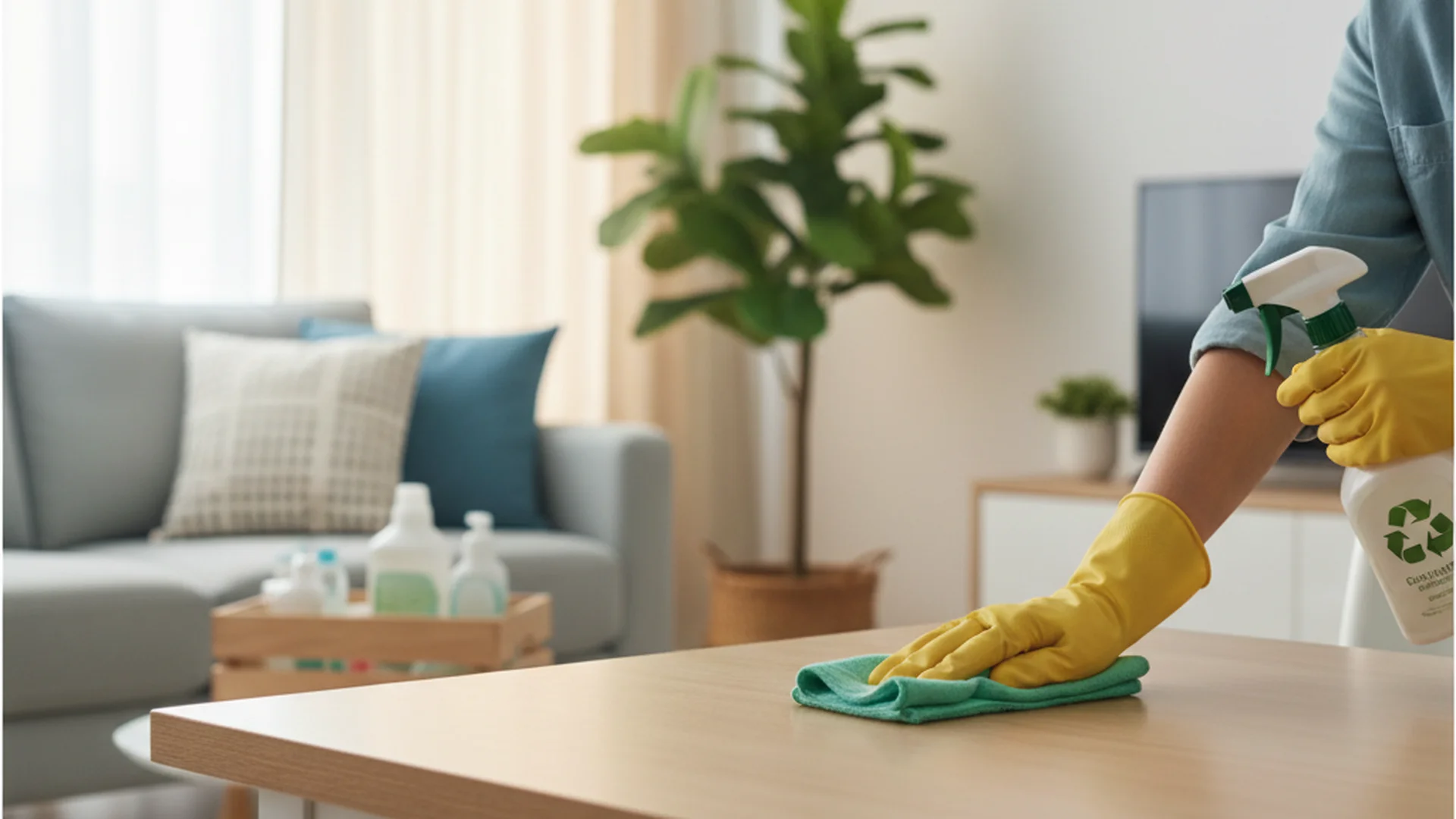
In previous years, "green cleaning" was an expensive add-on. By 2025, non-toxic, biodegradable products have become the industry standard. Most reputable companies now lead with eco-friendly solutions to protect the health of both their clients and their employees at no extra cost.
Flexible Subscription Models
The rigid "every Tuesday at 10 AM" schedule is fading. Homeowners in 2026 are opting for "cleaning credits" or flexible plans. Through an app, you can swap your scheduled bathroom scrub for an interior fridge clean or a laundry load, allowing you to tailor your spending to your immediate needs.
Warning: Be wary of companies that charge significantly extra for "green" supplies; in today's market, these should be part of their standard kit.
Common Mistakes to Avoid
When shopping for a cleaning service, it is easy to fall into traps that lead to poor results or unexpected liabilities.
Hiring Solely on the Lowest Price
"Rock-bottom" rates are often a red flag. If a quote seems too good to be true, the provider likely lacks insurance, hasn't performed background checks on their staff, or is using "bait-and-switch" pricing where they add fees for basic tasks like cleaning a microwave.
Skipping the Initial Walkthrough
Never accept a firm quote for a large home over the phone without a visual check. Most modern companies offer a "digital walkthrough" via a video call. This prevents "price shock" on the day of the service if the cleaner discovers the workload is heavier than described.
Assuming "Everything" is Included
A common misconception is that a "standard clean" includes things like washing windows, cleaning inside cabinets, or doing laundry. Always ask for a Scope of Work checklist before the cleaner arrives to avoid disappointment.
Success: Obtaining a Certificate of Insurance (COI) from your cleaning company protects you from liability if a worker is injured on your property—a must-have for 2026.
Essential House Cleaning Cost Tips
To get the most out of your investment, follow these house cleaning cost tips designed to maximize efficiency.
- The "Pre-Clean" Strategy: You don't need to scrub, but you should declutter. Spending 15 minutes picking up laundry, toys, and mail allows the pro to focus on deep cleaning surfaces rather than organizing your belongings.
- Focus on "Wet" Rooms: If you are on a tight budget, hire a pro specifically for bathrooms and the kitchen. These are the most labor-intensive areas and offer the highest return on your investment.
- Frequency Discounts: Most companies offer significant discounts (10% to 20%) if you commit to a recurring schedule (weekly or bi-weekly) rather than one-off appointments.
- Provide Your Own Supplies? Some independent cleaners offer a lower rate if you provide the vacuum and cleaning solutions. However, agencies usually prefer their own tested, industrial-grade equipment.
Frequently Asked Questions
Is a deep clean worth the initial high cost?
Should I choose a flat rate or hourly pricing?
What is the difference between standard and deep cleaning?
Do I need to be home during the cleaning?
Is tipping mandatory for house cleaners?
Conclusion
Understanding house cleaning cost in 2025 and 2026 requires looking past the hourly rate and focusing on the total value provided. By leveraging technology, prioritizing deep cleans to reset your space, and choosing insured professionals, you can maintain a pristine home without overspending. Remember that the "cheapest" option often carries the highest risk, while a well-vetted, slightly higher-priced agency provides the peace of mind that comes with insurance and consistent quality.
Success: A clean home reduces stress and increases productivity. By budgeting for professional help, you aren't just buying a clean floor; you're buying back your time.
Cleaning that keeps score
Every task earns points, every streak multiplies them, and Premium adds a household leaderboard plus a monthly Dustagorgon to beat.
- Free forever
- 30 badges to earn
- Up to 6 in a household
No card needed. Set up your rooms in a couple of minutes.