In this article
What you’ll learn
- Prioritize bonded and insured cleaners to protect your liability.
- Expect to pay $170–$220 for a standard cleaning in the 2026 market.
- Always conduct a trial run before signing a long-term service agreement.
In the fast-paced world of 2026, maintaining a pristine home has become more than a luxury—it is a vital component of mental well-being and productivity. With more and more dual-income households outsourcing their chores, the competition for high-quality help is fierce. If you are struggling to balance a demanding career with a growing "to-do" list, learning how to find a good house cleaner is the single most effective way to reclaim your time. However, the process involves more than just a quick search; it requires a strategic approach to vetting, pricing, and modern technology.
Understanding the 2026 Cleaning Market
The residential cleaning industry has undergone a massive transformation over the last few years. We are no longer just looking for someone to "mop the floors." Today’s homeowners demand "Wellness Cleaning"—a holistic approach that prioritizes indoor air quality (IAQ) and non-toxic environments. As you look to find a good house cleaner, you will notice that the market is bifurcated between large tech-enabled agencies and boutique independent professionals.
Nationally, a standard cleaning visit currently runs between $170 and $220. For those with larger homes (around 2,000 sq. ft.), a deep clean can range from $240 to $500. Understanding these benchmarks is the first step in ensuring you aren't overpaying or, conversely, hiring someone whose low rates signal a lack of insurance and professional standards.
The Three R's of Finding Quality Help
When you begin your search, work through the "Three R’s" framework. This method ensures that you filter out unreliable services before they ever step foot in your home.
1. Referrals
The most reliable way to find a good house cleaner is still through word-of-mouth. In 2026, this has shifted from neighborhood chats to localized digital communities. Check your neighborhood’s private social groups or dedicated local apps. A recommendation from a neighbor who has used the same cleaner for two years is worth more than a dozen anonymous five-star reviews.
2. Reviews
While referrals are gold, online reviews provide a broader picture of consistency. Look for patterns in Google and Yelp reviews. Does the company consistently arrive on time? Do they handle complaints professionally? Pay special attention to how a company responds to a negative review; it tells you everything you need to know about their customer service culture.
3. Ratings
Check the Better Business Bureau (BBB) and local trade associations. Professional agencies often seek out certifications that prove their commitment to ethical labor practices and high-quality standards.
Tip: Look for "B-Corp" or "Fair Trade" certifications. These indicate that the agency pays a living wage and provides health benefits, which usually results in lower staff turnover and higher quality work.
Agency vs. Independent Cleaner: Which is Right for You?
One of the most common dilemmas is choosing between a large cleaning company and an independent individual.
- Agencies: Typically offer easier scheduling via AI-driven apps, provide their own supplies, and handle all the paperwork regarding taxes and insurance. If a cleaner is sick, they can send a replacement.
- Independent Cleaners: Often more affordable and offer a more personalized touch. However, you become the employer in many legal senses, meaning you might be responsible for providing supplies and verifying their insurance.
Warning: If you hire an independent cleaner who is not insured, you could be held liable for medical bills if they are injured on your property. Always ask for proof of insurance.
Understanding Bonded and Insured
You must prioritize professionals who are both bonded and insured. Insurance protects your property from damage (like a ruined marble countertop) and protects you from liability for injuries. Bonding specifically protects you against theft. In an era where "key-less" entry is standard, this peace of mind is non-negotiable.
The Modern Vetting Process
Once you have a shortlist of candidates, it’s time to dive into the details. To find good house cleaner tips that actually work, you need to look at their training and technology.
Ask About Specialized Training
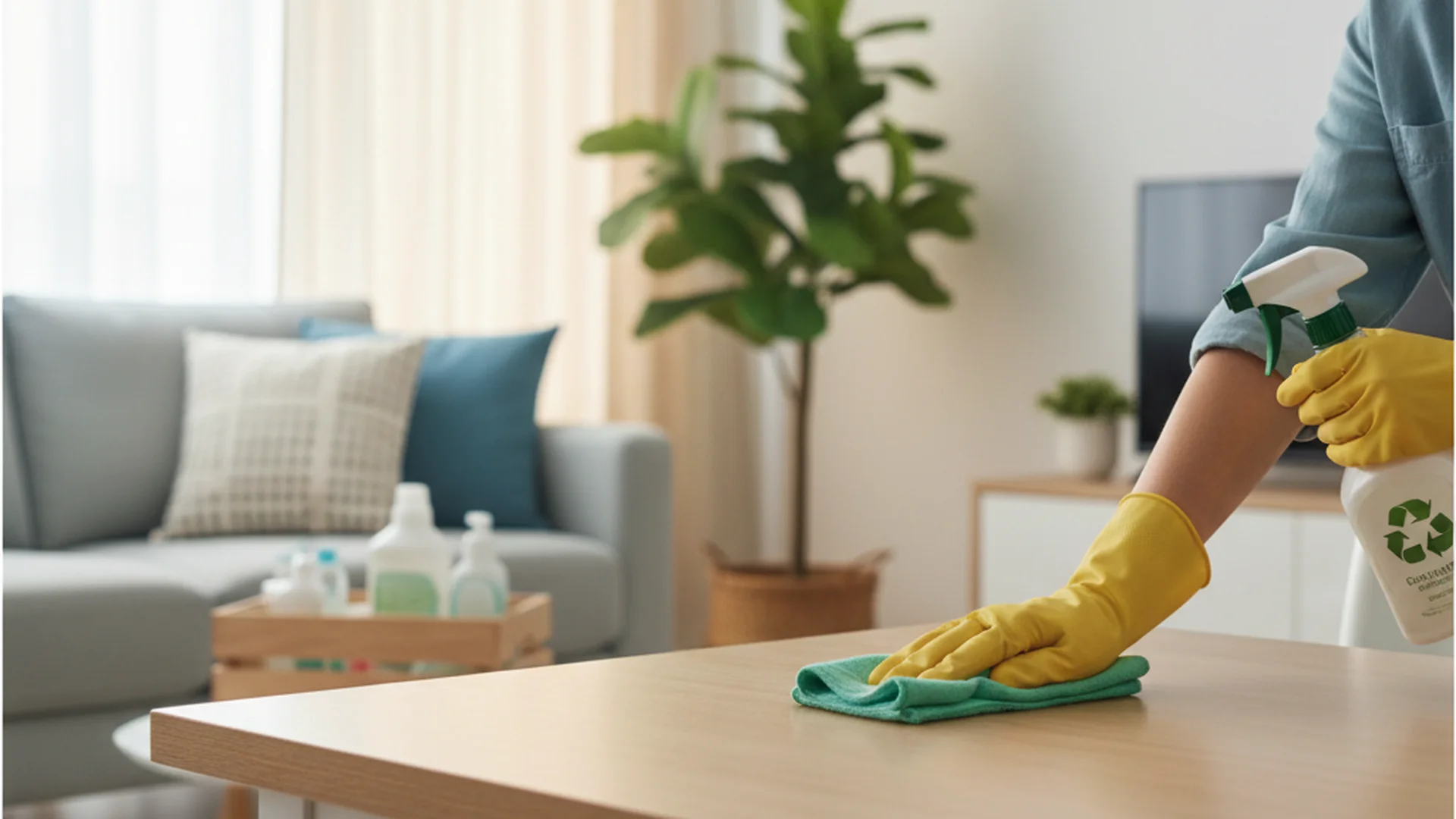
In 2026, "wellness cleaning" is a major trend. Ask potential cleaners if they follow cross-contamination prevention protocols. For example, do they use color-coded microfiber cloths to ensure the rag used on the toilet isn't the same one used on your kitchen island? Are they trained in Indoor Air Quality (IAQ) protocols to reduce allergens?
The Mandatory Walkthrough
Never accept a firm quote over the phone without a walkthrough. Many modern services offer video walkthroughs via Zoom or FaceTime. This prevents "price shock."
Real-World Example: Consider the case of "The Hidden Hobbyist." A homeowner in Seattle requested a standard quote for a 3-bedroom home. However, one bedroom was actually a high-end craft room filled with delicate glass beads and expensive fabrics. Without a walkthrough, the cleaner would have underestimated the time needed by three hours, leading to a frustrated professional and a half-finished job.
Trial Runs and Checklists
The "Trial Run" is your most powerful tool. Instead of committing to a bi-weekly schedule immediately, book a one-time "test clean." This allows you to see their attention to detail.
What to Look for During a Trial Clean:
- Baseboards and Vents: Do they just clean the "eye-level" surfaces, or do they get into the corners?
- High-Touch Areas: Are doorknobs, light switches, and remote controls sanitized?
- Communication: Do they use an app to send "before and after" photos or GPS arrival notifications?
| Step | Action Item | Why it Matters |
|---|---|---|
| 1 | Verify Insurance/Bonding | Protects you from theft and injury liability. |
| 2 | Check Background Checks | Ensures safety for your family and property. |
| 3 | Define the Scope | Prevents disappointment regarding excluded tasks. |
| 4 | Secure Entry Plan | Decide on key-sharing, codes, or lockboxes. |
| 5 | Set a Feedback Loop | Establishes how you will report missed spots. |
Note: Most professional services in 2026 provide their own eco-friendly supplies. However, if you have a specific allergy or prefer a particular brand of plant-based cleaner, it is perfectly acceptable to provide your own "specialty" products.
Common Mistakes to Avoid
Even with the best intentions, many homeowners fall into these common traps when trying to find a good house cleaner:
- Hiring Based on Price Alone: This is the most dangerous mistake. Rock-bottom rates usually mean the cleaner is not covered by worker's compensation. If they fall, your homeowner's insurance may not cover the claim.
- "Cleaning for the Cleaner": You don't need to scrub, but you should declutter. If your pro spends 45 minutes picking up toys and mail, they have 45 minutes less to deep-clean your bathroom.
- Assuming Everything is Included: A standard clean almost never includes the inside of the oven, the interior of the fridge, or exterior windows. Always ask for a written checklist of included services.
- The "Same Person" Assumption: If you want the same person every time, you must request a "Dedicated Pro" arrangement. Most large agencies rotate staff unless you specify otherwise.
Real-World Example: "The Liability Nightmare" occurred when a homeowner hired a neighborhood teen for $25 an hour. The teen accidentally used a caustic cleaner on a high-end Brazilian quartzite counter, causing $4,000 in damage. Because the teen was uninsured and the homeowner hadn't checked for professional credentials, the homeowner had to pay for the replacement out of pocket.
Frequently Asked Questions
Should I provide my own cleaning supplies?
Do I need to be home during the cleaning?
Is tipping required?
What’s the difference between 'Bonded' and 'Insured'?
How do I know if they use truly "green" products?
Conclusion
Finding a good house cleaner in 2026 is about more than just a clean floor—it’s about finding a partner in your home’s wellness and your personal time management. By prioritizing insurance, embracing modern scheduling technology, and insisting on transparent "wellness" protocols, you can ensure a safe and sparkling home environment.
Remember, the goal is to find a service that values its employees as much as it values your business. When you hire an ethical, professional cleaner, you aren't just buying a service; you're buying peace of mind.
Success: By following this structured vetting process, you’ll avoid the stress of "price shocks" and the risks of uninsured labor, resulting in a cleaner, healthier home for your family.
Cleaning that keeps score
Every task earns points, every streak multiplies them, and Premium adds a household leaderboard plus a monthly Dustagorgon to beat.
- Free forever
- 30 badges to earn
- Up to 6 in a household
No card needed. Set up your rooms in a couple of minutes.