In this article
What you’ll learn
- Adopt a "Maintenance Mindset" to bridge the cleanliness gap
- Utilize the Two-Minute Rule and Clean-As-You-Go (CAYG) principles
- Integrate 2025 smart home technology for automated upkeep
There is no feeling quite like walking into a home that has just been professionally scrubbed, polished, and vacuumed. However, as the week progresses, the "just-cleaned" magic often begins to fade. The crumbs reappear on the kitchen counter, the bathroom mirror gathers water spots, and the hallway floor loses its luster. Mastering the art of cleaning between professional visits is the secret to a high-quality lifestyle, ensuring that your living space remains a sanctuary rather than a source of stress.
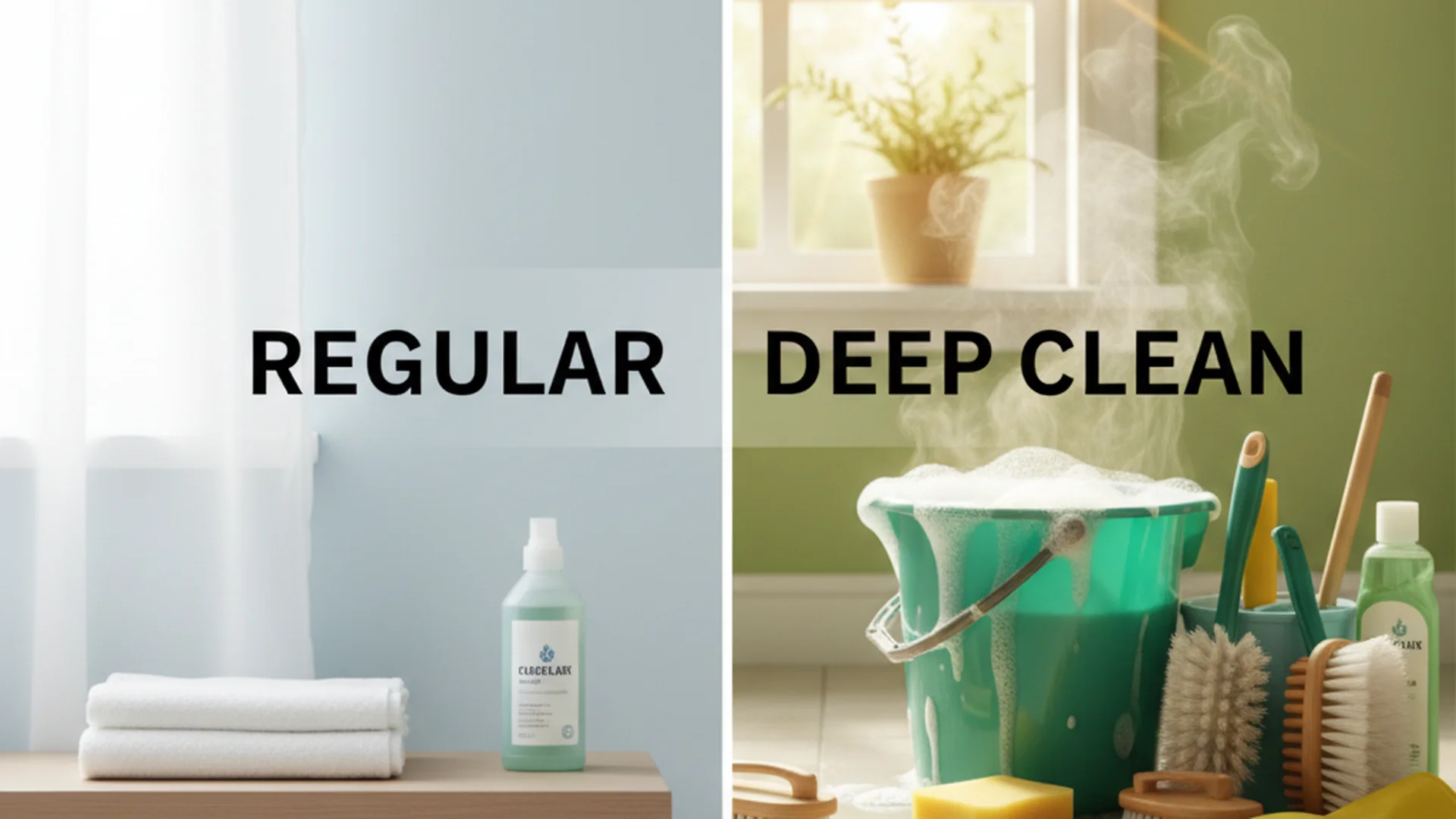
By implementing strategic maintenance habits, you can bridge the gap between visits and ensure your professional cleaner can focus on deep-cleaning tasks rather than playing catch-up with weekly clutter.
The Evolution of the Interim Clean in 2025
The way we manage our homes has fundamentally shifted. But professional help is only one half of the equation. Research shows a significant "cleanliness gap" where high-traffic areas like kitchens require attention at least 20 times per month, far exceeding the frequency of most professional schedules.
Maintaining your home is no longer about "doing the chores"; it is about protecting your investment and your health. With the rise of the "Quiet Cleaning" movement, homeowners are now looking for ways to maintain their spaces without disrupting the flow of a work-from-home lifestyle.
Note: Even with professional help, the average homeowner still spends nearly an hour every week just on basic floor maintenance to keep debris at bay.
Essential Strategies for Maintenance
To maximize the value of your professional service, you should adopt what experts call a "Maintenance Mindset." This isn't about deep cleaning; it’s about preventing "mess-creep."
The Two-Minute Rule
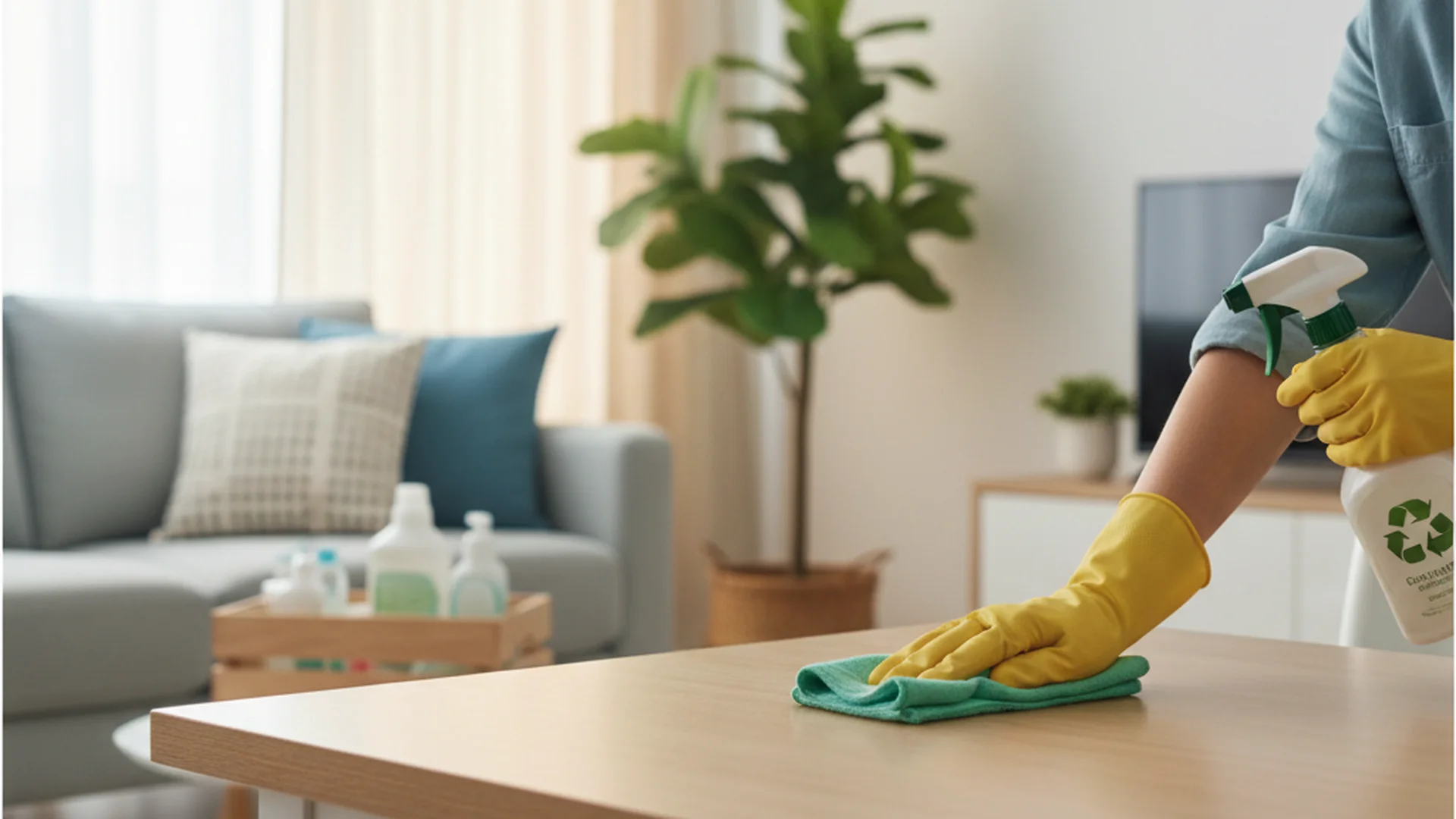
This is the cornerstone of a tidy home. If a task takes less than two minutes, do it immediately. This includes hanging up your coat, loading a single dish into the dishwasher, or wiping a spill from the counter. When you tackle these micro-tasks in real-time, they never have the chance to accumulate into an overwhelming Saturday afternoon chore.
Clean As You Go (CAYG)
This is particularly vital in the kitchen. For example, while waiting for the kettle to boil or the pasta water to heat up, use that time to wipe down the stove or clear the drying rack.
Real-World Example: Consider "Sarah," a busy marketing executive. By spending the three minutes her coffee brews each morning wiping the kitchen island and loading the breakfast dishes, she prevents the "end-of-day" kitchen fatigue that leads to cluttered surfaces.
The Top-Down Principle
If you notice dust accumulating on a shelf between visits, always remember the physics of cleaning: start from the highest point. Dusting a coffee table before a ceiling fan is a wasted effort, as the falling particles will simply re-contaminate the lower surfaces.
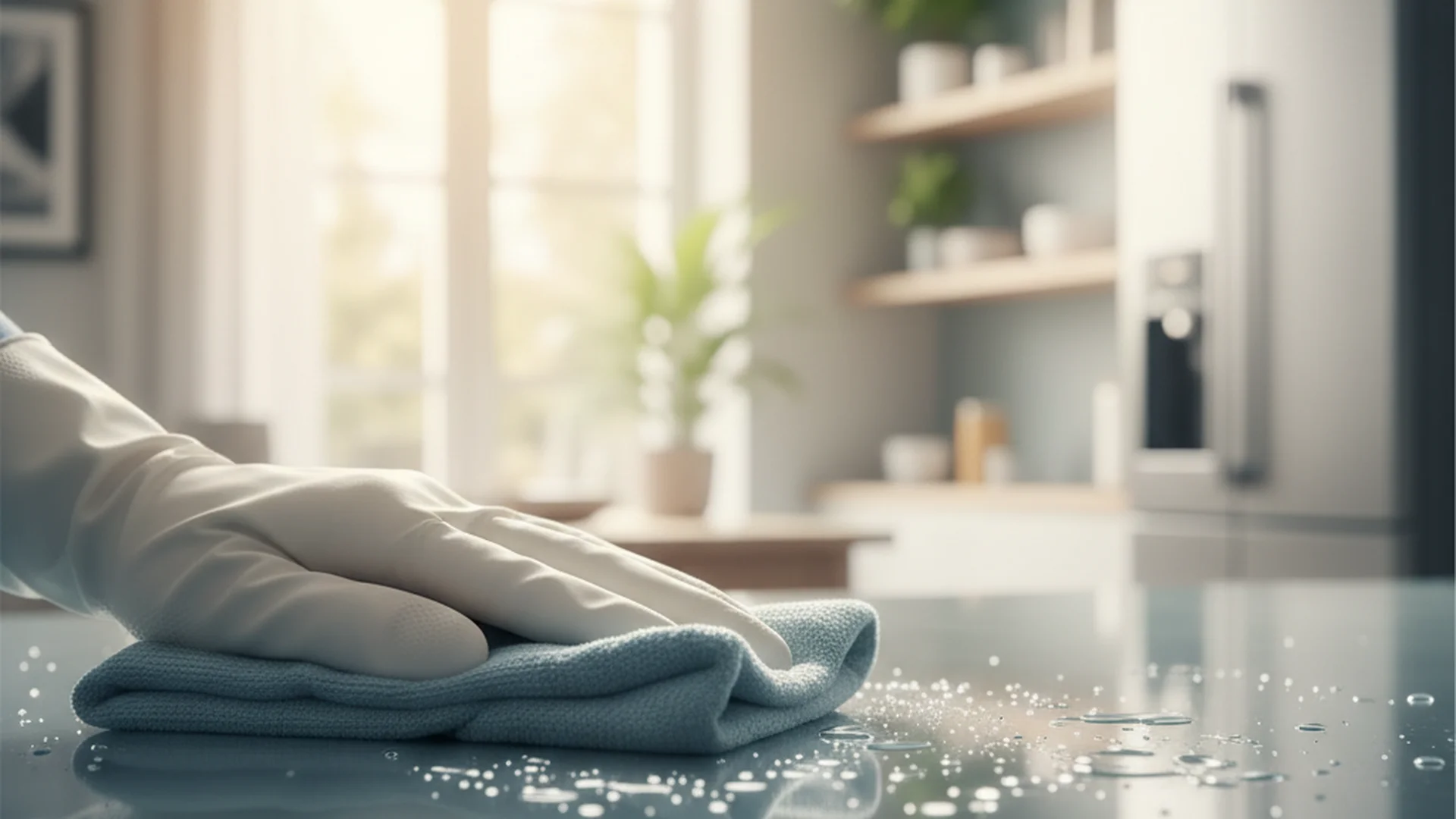
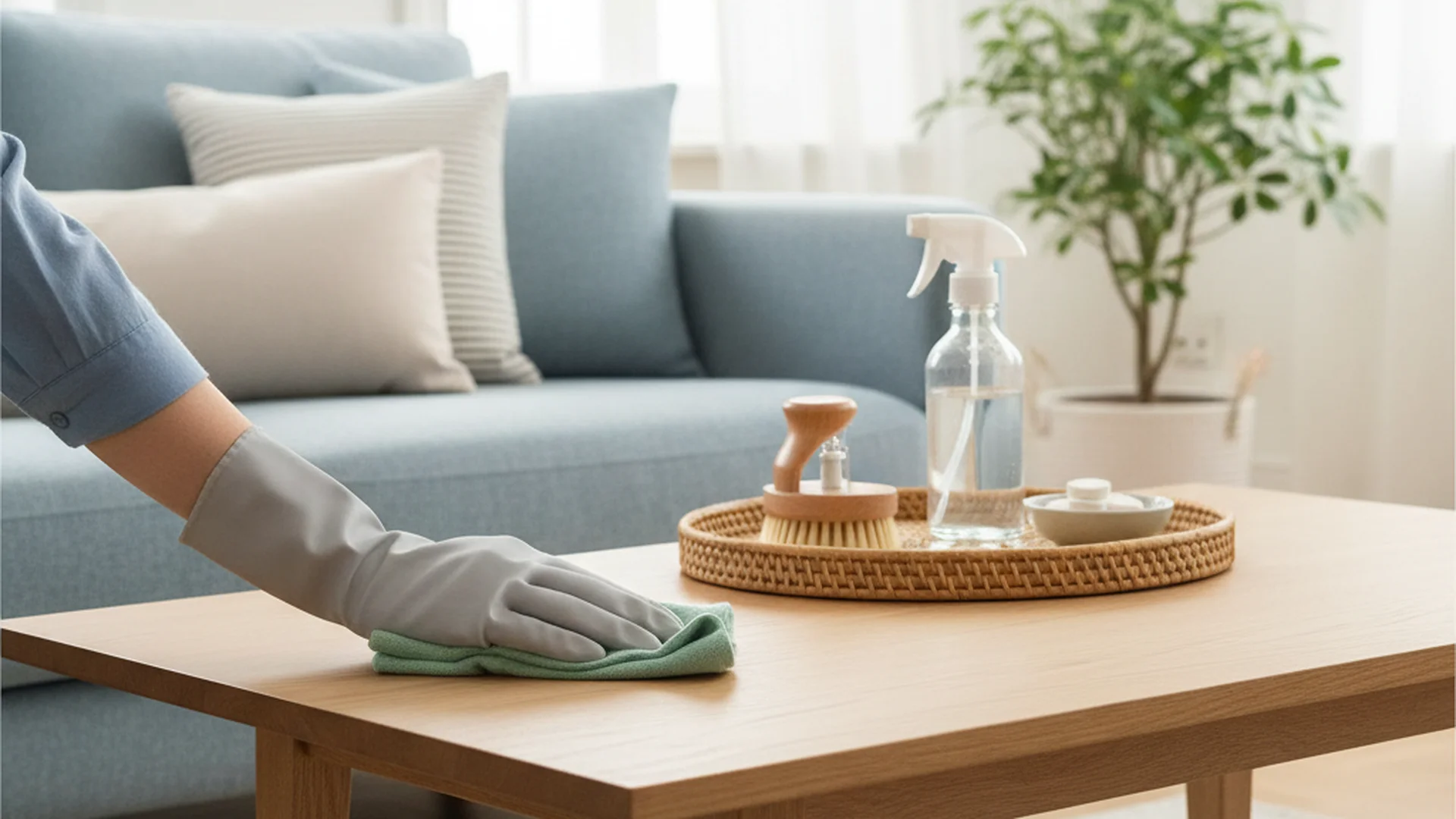
Tip: When dusting between visits, use a microfiber cloth slightly dampened with water or a natural cleaner to trap dust rather than pushing it back into the air.
Room-by-Room Maintenance Guide
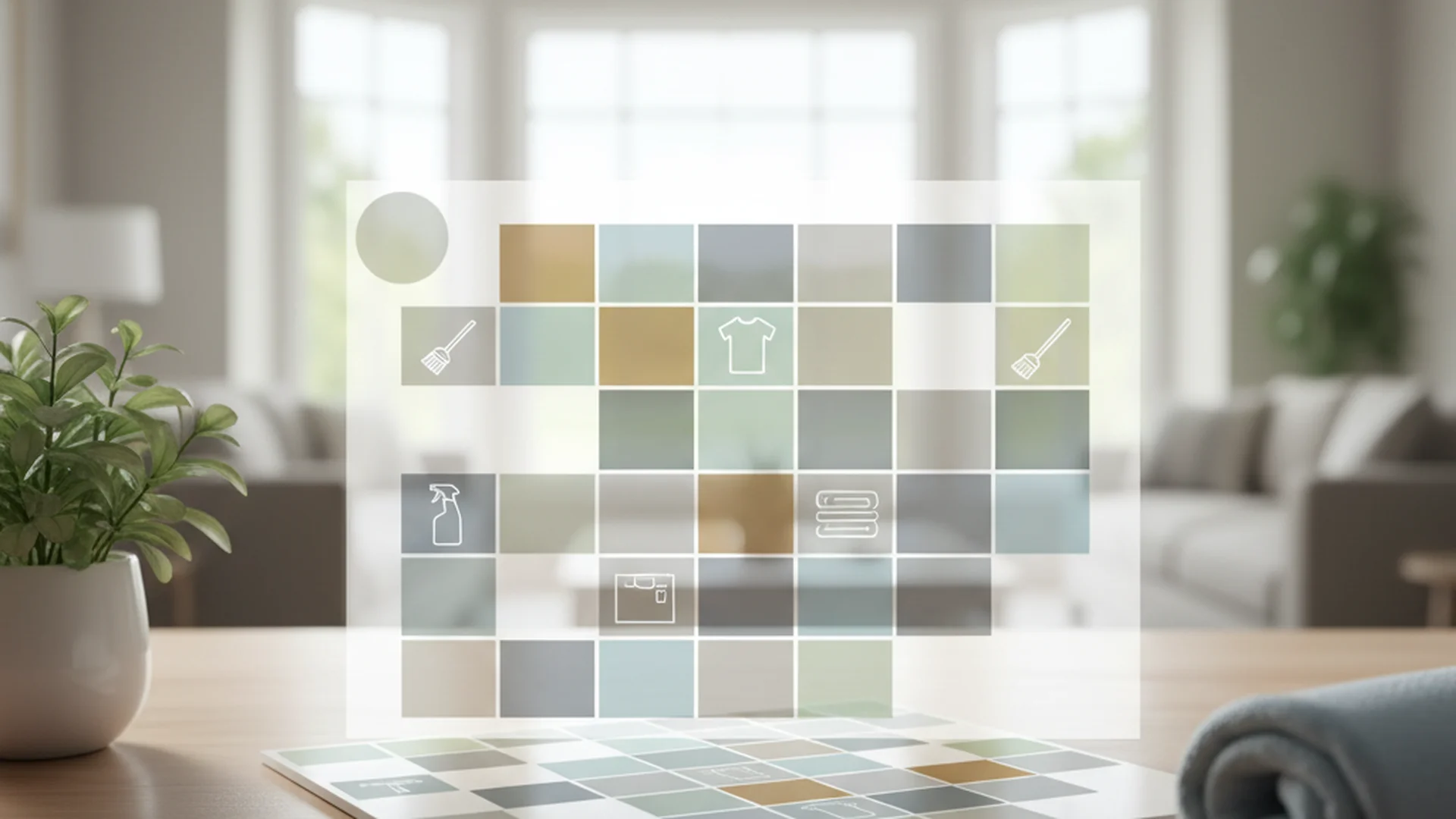
Different areas of your home require different levels of attention. Here is how to prioritize your cleaning between professional tips effectively.
| Area | Daily Task | Weekly Task | Professional Focus |
|---|---|---|---|
| Kitchen | Wipe counters & sink | Mop high-traffic zones | Deep oven/fridge clean |
| Bathroom | Wipe mirror/faucet | Scrub toilet bowl | Tile grout & lime scale |
| Living Room | Tidy cushions/remotes | Vacuum rug centers | Window tracks & baseboards |
| Bedrooms | Make the bed | Dust nightstands | Mattress vacuuming & rotating |
The Kitchen: The High-Frequency Zone
The kitchen is the heart of the home and the area that suffers most from the "cleanliness gap." Focus on "swipe-and-go" zones. After every meal, a quick wipe of the counters and a rinse of the sink prevents bacteria buildup and maintains the aesthetic of a clean home.
High-Touch Points: The Germ Reservoirs
Between visits, it is essential to sanitize high-touch points. Light switches, doorknobs, and remote controls are often overlooked but are the primary reservoirs for household germs.
Warning: Never spray liquid cleaners directly onto electronics or light switches. Spray your microfiber cloth first, then wipe to avoid moisture damage.
2025 Technology and Trends in Home Upkeep
The "interim clean" is becoming increasingly high-tech. Homeowners are no longer relying solely on manual labor to keep things tidy.
AI and IoT Integration
New 2025 smart home apps can now analyze your household habits. By tracking foot traffic and sensor data, these apps can send a notification to your phone suggesting specific "interim" tasks. For instance, if the kitchen sensor detects high activity but the smart trash can is nearly full, you’ll receive a prompt to empty it before it overflows.
The Rise of Quiet Cleaning
As more people work from home, the "Quiet Cleaning" movement has taken hold. This involves the use of ultra-quiet robotic vacuums and air purifiers that run during video calls without being heard. These tools are perfect for maintaining floor cleanliness between professional visits without causing a distraction.
Biophilic & Non-Toxic Solutions
We are seeing a massive shift toward "plant-based" and biophilic cleaning. Many homeowners are moving away from "forever chemicals" (PFAS) in favor of electrolyzed water systems. These systems use salt, water, and electricity to create a powerful disinfectant that is safe for children and pets.
Success: Using non-toxic, electrolyzed water systems can reduce household chemical exposure by up to 70% while maintaining hospital-grade disinfection levels.
Common Mistakes to Avoid
Even with the best intentions, certain habits can actually make your home dirtier or damage your surfaces.
- Overusing Products: Many believe more soap equals more clean. In reality, overusing chemicals leaves a sticky residue that attracts more dirt and can dull your floor’s finish over time.
- Scrubbing Instead of Blotting: If you spill wine on the carpet, your instinct is to scrub. Warning: Scrubbing pushes the liquid deeper into the fibers. Always blot from the outside in with a clean, dry cloth.
- Cross-Contamination: Using the same sponge for the bathroom and the kitchen is a recipe for spreading bacteria.
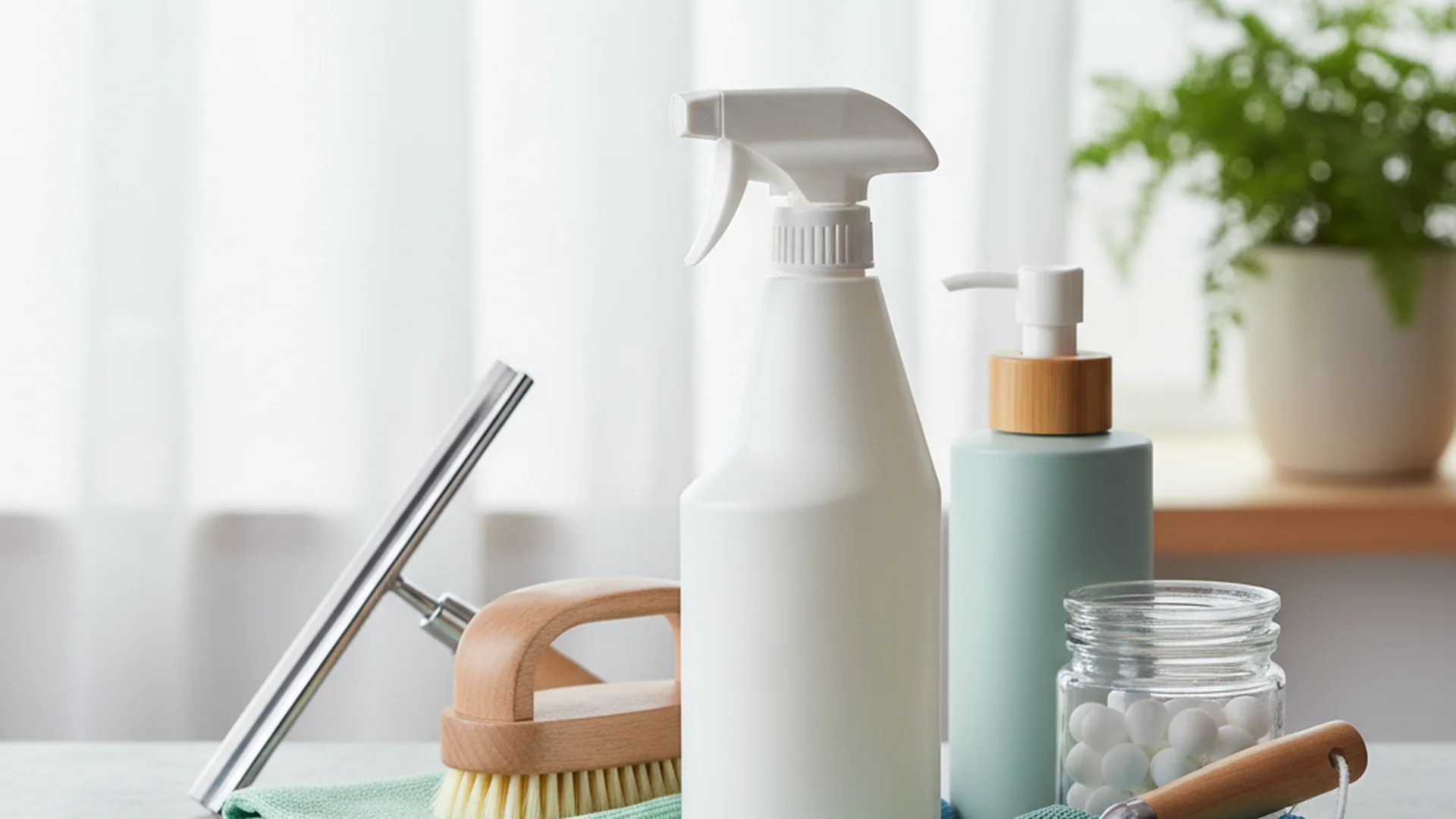
- Neglecting Tool Maintenance: A dirty mop spreads bacteria. Ensure you wash your microfiber cloths after every use and empty your vacuum canisters when they are two-thirds full to maintain peak suction.
Real-World Example: "The Rodriguez Family" implemented a color-coded cloth system. Blue cloths are for glass, red for bathrooms, and green for the kitchen. This simple visual cue eliminated cross-contamination and made "quick wipes" safer for everyone.
Frequently Asked Questions
Should I clean before my cleaner arrives?
What is the difference between cleaning, sanitizing, and disinfecting?
How do I maintain that "just-cleaned" smell without heavy perfumes?
Which areas need daily vs. weekly attention?
Conclusion: Consistency is Key
Maintaining your home between professional visits doesn't require hours of labor. By spending just 15 minutes a day on "Cleaning Zones" and sticking to the Two-Minute Rule, you can preserve the health and beauty of your living space. This proactive approach not only makes your home more pleasant to live in but also allows your professional cleaning team to provide the highest level of deep-cleaning service possible.
Cleaning that keeps score
Every task earns points, every streak multiplies them, and Premium adds a household leaderboard plus a monthly Dustagorgon to beat.
- Free forever
- 30 badges to earn
- Up to 6 in a household
No card needed. Set up your rooms in a couple of minutes.