In this article
What you’ll learn
- Hiring a cleaner saves approximately 300 hours per year for the average household.
- The "Hybrid Model" using AI robotic vacuums and monthly pros is a top 2026 trend.
- Professional cleaning is linked to a 20% increase in weekend leisure satisfaction.
In the fast-paced world of 2025 and 2026, the age-old debate of diy vs hiring cleaner has evolved from a simple question of "can I afford it?" to a complex calculation of time, mental health, and technological integration. For many homeowners, the weekend has become a sacred time for rest, yet it is often consumed by the relentless cycle of scrubbing, dusting, and vacuuming. As we navigate new household standards, understanding whether to handle the mop yourself or outsource the labor is essential for maintaining both your home and your sanity.
The True Cost of DIY vs. Hiring a Cleaner
When evaluating the diy vs hiring cleaner dilemma, most people look strictly at the sticker price. However, a true comparison requires looking at the "Opportunity Cost"—what else could you be doing with those hours?
The average American spends roughly six hours per week cleaning. Over a year, that totals more than 300 hours—nearly two full weeks of your life dedicated to chores. If you are a high-earning professional or a busy parent, the "hourly rate" of your own time often far exceeds the $30 to $50 per hour typically charged by professional services.
The DIY Investment
Choosing the DIY route isn't free. Beyond your time, there is a baseline financial investment required to achieve professional-grade results:
- Initial Setup: A high-quality HEPA vacuum, microfiber sets, and eco-friendly solutions cost between $75 and $150.
- Monthly Refills: Supplies, specialized sprays, and tool maintenance average about $20 per month.
- Equipment Maintenance: Vacuum repairs and filter replacements add hidden costs over time.
The Professional Investment
Professional cleaning costs have stabilized in 2025–2026, with the following benchmarks:
- Standard Maintenance Clean: $150–$250 per session.
- Deep/Move-out Clean: $300–$400, focusing on baseboards, grout, and appliances.
- Recurring Services: Weekly or bi-weekly contracts often offer a 10–15% discount per visit.
| Factor | DIY Cleaning | Professional Cleaning |
|---|---|---|
| Time Cost | 6+ hours per week | 0 hours (plus 15 min tidying) |
| Direct Cost | ~$20/month (supplies) | $150 - $250 per visit |
| Quality | Variable (Standard) | High (Detail-oriented) |
| Equipment | Home-grade tools | Industrial/HEPA grade |
The Psychological and Health Impact
One of the most significant shifts in the 2026 cleaning market is the focus on "Mental Load." Research now shows that outsourcing cleaning isn't just about a sparkling floor; it’s about reducing cortisol levels.
Success: Households with professional cleaning support report a 20% increase in "leisure satisfaction" and significantly lower stress levels on Friday evenings.
Hiring a cleaner is increasingly seen as "outsourcing cognitive load." It eliminates the mental energy spent tracking when the bathroom was last scrubbed or arguing with a partner over whose turn it is to vacuum. By removing these friction points, families report fewer arguments and more quality time.
Note: Modern "Green-only" packages are now standard for most agencies, ensuring that professional cleaning is safe for homes with pets and small children.
Best Practices for the 2026 Homeowner
Whether you choose the DIY path or decide to hire help, following these diy vs hiring cleaner tips will ensure your home stays in top condition.
If You Choose DIY: The Micro-Cleaning Method
The biggest mistake DIYers make is the "Saturday Marathon." Instead of spending your entire day off cleaning, adopt the 15-minute rule. Spend 15 minutes daily on high-traffic areas (kitchen counters, entryway, bathroom vanity).
Tip: Invest in hospital-grade microfiber cloths. They can be washed over 500 times and trap 99% of bacteria with just water, reducing your chemical spend.
If You Hire a Pro: Define the Scope
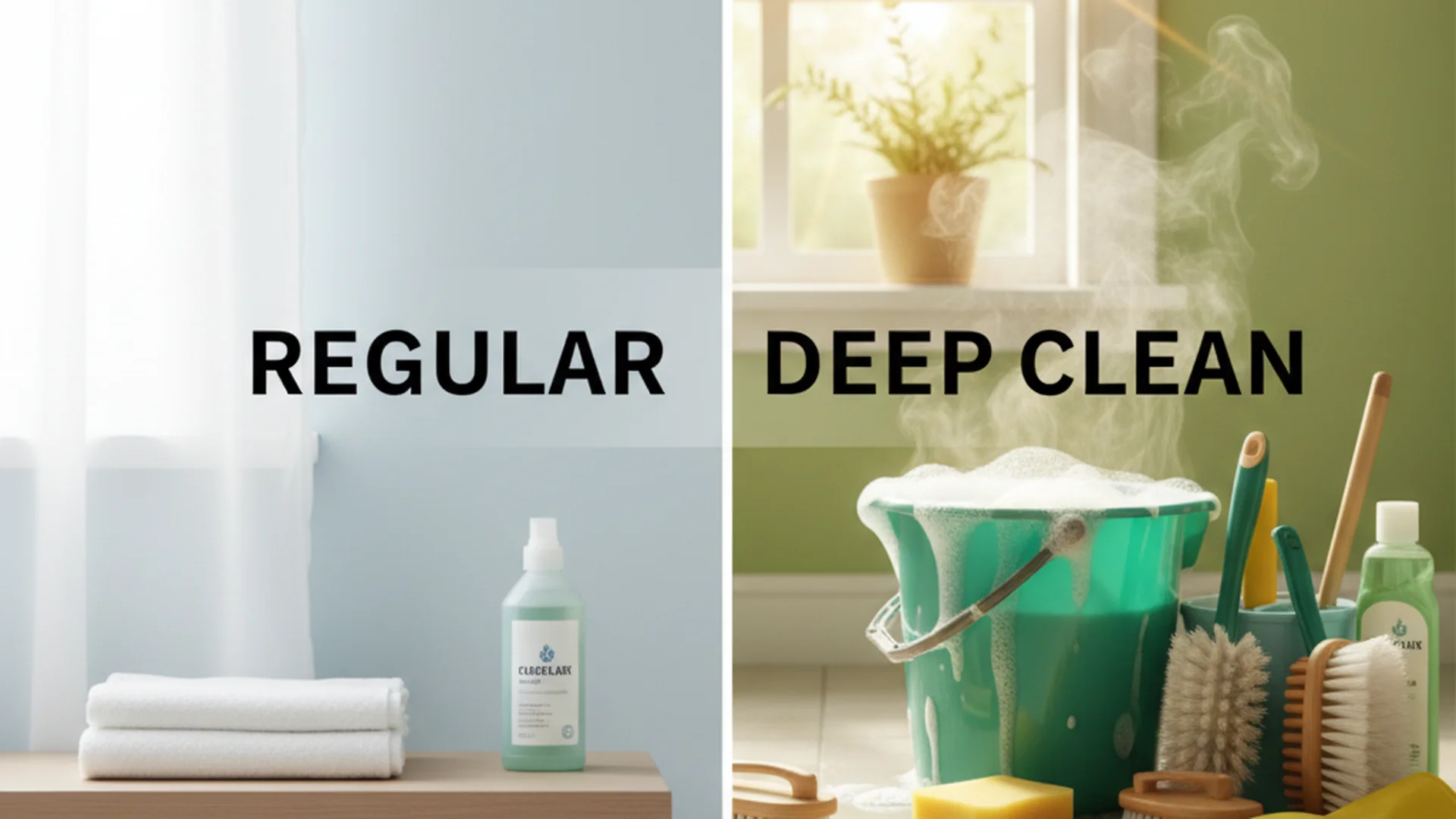
A common source of frustration is a mismatch in expectations. Professionals distinguish between a "Maintenance Clean" and a "Deep Clean."
- Maintenance Clean: Focuses on floors, dusting surfaces, and sanitizing bathrooms/kitchens.
- Deep Clean: Includes the "hidden" areas—inside ovens, baseboards, behind the fridge, and window tracks.
Warning: Never hire a cleaning agency or individual without verifying they are "Insured and Bonded." This protects you from liability if a cleaner is injured on your property or if a high-value item is damaged.
Recent Trends: The "Hybrid Model" and Smart Integration
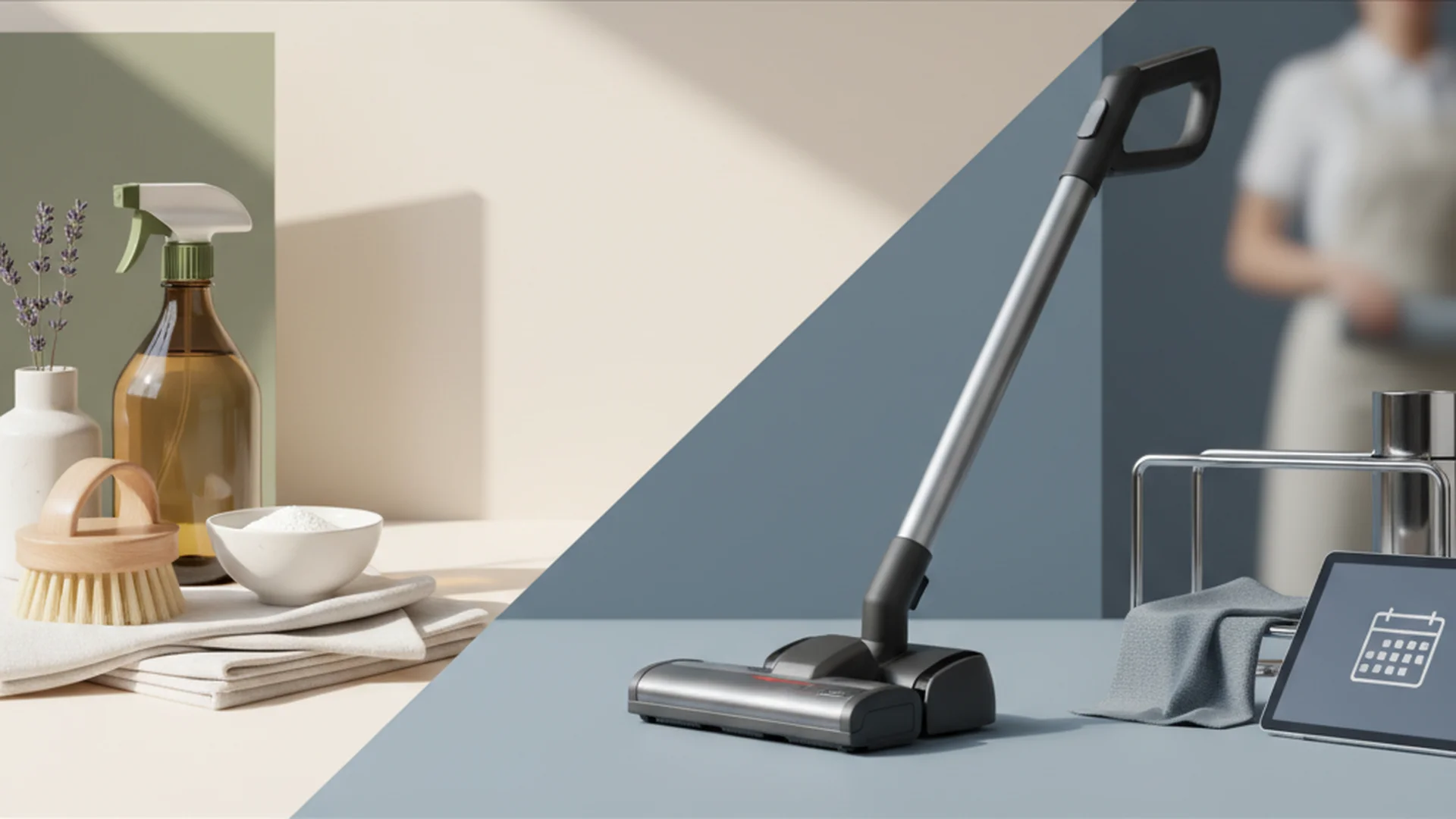
The 2025–2026 era has introduced a third option: the Hybrid Model. This approach combines cutting-edge technology with occasional professional human labor.
1. Robotic Augmentation
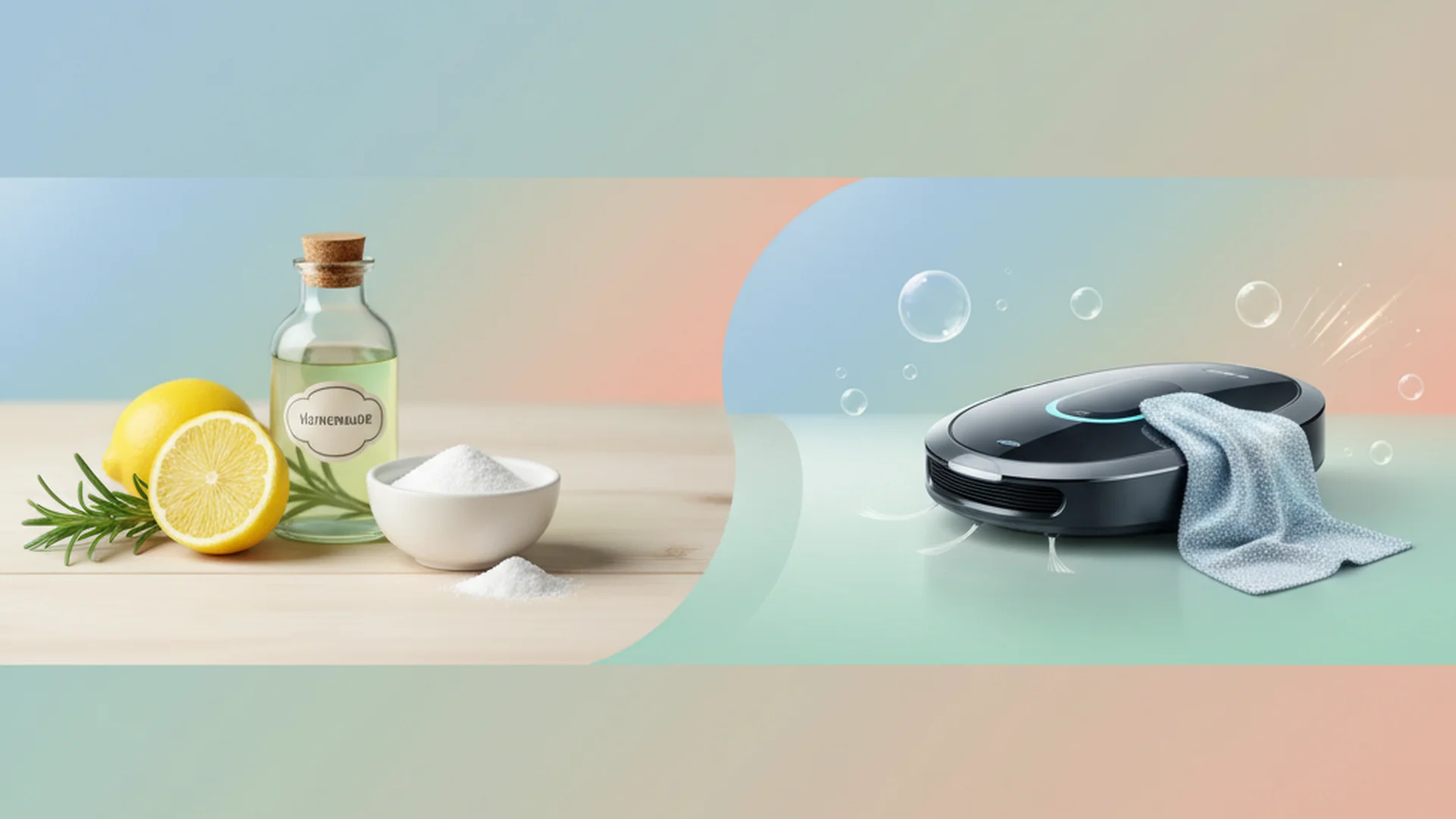
Many homeowners now use a high-tier AI robot vacuum (like the 2026 flagship models from Roborock or Roomba) for daily maintenance. This keeps the "crumbs and pet hair" at bay, allowing a human professional to visit only once a month for heavy-duty detail work like scrubbing grout or cleaning the shower.
2. Probiotic Cleaning
Moving beyond traditional "non-toxic" cleaners, 2026 has seen the rise of probiotic cleaning. These products leave behind beneficial bacteria that continue to eat away at pathogens for days after the surface has been wiped. Many premium services now offer this as an upgrade.
3. Sync-to-App Features
High-end agencies now offer smart lock integration and real-time progress tracking. Homeowners can receive photos of completed tasks and a digital checklist once the cleaner finishes, providing peace of mind for those who aren't home during the service.
Common Mistakes to Avoid
Even with the best intentions, the diy vs hiring cleaner transition can hit speed bumps. Avoid these common pitfalls:
- Hiring Based on Price Alone: A suspiciously low rate (e.g., $20/hour) usually means the cleaner isn't insured, hasn't undergone a background check, or isn't being paid a fair living wage.
- Confusing "Cleaning" with "Tidying": A cleaner’s job is to sanitize and scrub surfaces. If your floor is covered in clothes and toys, they cannot vacuum. Always "tidy" before the cleaner arrives so they can focus on the "cleaning."
- Assuming a "Fix" for Clutter: Cleaners are not professional organizers. They can wipe a shelf, but they won't sort your 2024 tax documents.
- Failure to Communicate: If you prefer vinegar over bleach on your marble countertops, or if you want the bed pillows arranged in a specific way, put it in writing.
Real-World Examples
Example 1: The "Busy Professional" Scenario
Sarah is a software engineer earning $85/hour. She spent 5 hours every Sunday cleaning her 2-bedroom apartment. By hiring a cleaner for $180 every two weeks, she "bought back" 10 hours of her month. Her net gain, factoring in her earning potential and reduced stress, was significant, and her apartment stayed cleaner than when she did it herself.
Example 2: The "Move-Out" Disaster
A DIYer attempted to clean their own home before a move-out to save $350. However, they lacked an industrial-grade carpet steamer. The landlord withheld $500 from the security deposit due to "poor carpet condition." In this case, hiring a pro would have actually saved the tenant $150.
Example 3: The Hybrid Success
A family with two dogs used a robot vacuum daily but struggled with "dog smell" and bathroom grime. They hired a professional for a "Deep Clean" once every six weeks for $300. This kept the heavy grime under control while the robot handled the daily hair, creating a sustainable, high-cleanliness environment at a lower cost than weekly visits.
Frequently Asked Questions
Is it worth the money if I can do it myself?
Do I have to "clean before the cleaner" arrives?
What is the tipping etiquette for 2026?
How do I know if a cleaning product is safe for my pets?
Conclusion
Deciding between diy vs hiring cleaner is no longer just about luxury; it’s about lifestyle design. For the DIY enthusiast, the key to success in 2026 is high-quality tools and a consistent micro-cleaning routine. For those looking to hire, the focus should be on finding insured professionals and utilizing a hybrid approach with smart technology. Whichever path you choose, the goal is a healthy, happy home that serves as a sanctuary, not a source of stress.
Success: By choosing the method that fits your budget and schedule, you reclaim your most valuable asset: your time.
CTA: Ready to Start? | Experience the luxury of a professional clean today. | Get a Free Quote | /services/booking
Cleaning that keeps score
Every task earns points, every streak multiplies them, and Premium adds a household leaderboard plus a monthly Dustagorgon to beat.
- Free forever
- 30 badges to earn
- Up to 6 in a household
No card needed. Set up your rooms in a couple of minutes.