In this article
What you’ll learn
- Efficiency is prioritized over total time spent cleaning.
- Stoßlüften (shock ventilation) is a non-negotiable daily ritual.
- Specialized products are preferred over universal "all-in-one" cleaners.
When you think of German culture, certain traits immediately come to mind: precision, punctuality, and an unwavering commitment to quality. It is no surprise, then, that german cleaning methods have gained international acclaim as the gold standard for household maintenance. Far from being a simple chore, cleaning in Germany is often viewed as a systematic approach to maintaining "Ordnung" (order)—a concept that goes deeper than just a tidy room. It is about creating a healthy, functional environment where every object has its place and every surface is cared for with the right tools.
In this comprehensive guide, we will explore the cultural rituals, specialized tools, and modern sustainability trends that define the German home. Whether you are looking to reclaim your Saturdays or want to adopt a more eco-conscious routine, these german cleaning methods explained will provide the blueprint you need.
The Philosophy of German Efficiency
Before diving into the specific techniques, it is essential to understand the mindset. A common misconception is that Germans spend all their free time scrubbing floors. In practice, a German household spends no more time cleaning than anyone else—often a little less.
The secret isn’t working harder; it’s working smarter. The priority is getting tasks done as quickly as possible through the use of specialized products and automated tools. In the German home, cleaning is a preventative measure rather than a reactive one.
Note: The German obsession isn't with cleaning itself, but with "Ordnung" (order). Efficiency is achieved by having a system that prevents dirt from accumulating in the first place.
The Art of Stoßlüften (Shock Ventilation)
If you live in Germany, you will inevitably encounter the concept of Stoßlüften. This is perhaps the most famous of all german cleaning methods. It involves opening all windows in a room or home completely wide for 5 to 10 minutes, usually twice a day.
Why Stoßlüften Works
The goal is to facilitate a complete exchange of air. By opening the windows wide, you allow stale, humid indoor air to escape and fresh, oxygen-rich outdoor air to enter. Because the windows are only open for a short burst, the furniture and walls retain their heat, meaning the room warms back up almost instantly once the windows are closed.
Advanced Technique: Querlüften
For those following the ultimate german cleaning methods guide, Querlüften (cross-ventilation) is the "pro" version. This involves opening windows on opposite sides of the house to create a powerful draft. This is the fastest way to flush out allergens, cooking smells, and excess moisture.
Warning: Never leave your windows on "tilt" (Kipplüften) for hours during the winter. It is considered an "energy sin" in Germany because it cools down the walls without effectively exchanging the air, which can actually promote mold growth.
The Kehrwoche Tradition
In many parts of the world, communal areas in apartment buildings are cleaned by a paid service. In Southern Germany, particularly in Swabia, the tradition of Kehrwoche (sweep week) places this responsibility on the tenants.
How it Works
A sign is typically rotated between neighbors, indicating whose turn it is to sweep the stairs, mop the hallways, and clear the sidewalk. While many modern buildings in Berlin or Hamburg now bundle professional cleaning into the rent (Nebenkosten), the spirit of Kehrwoche remains: a shared responsibility for the cleanliness of the community.
Real-World Example: The Apartment Stairwell
Imagine a three-story building in Stuttgart. On Monday morning, the "Kehrwoche" sign is hanging on the door of Apartment 2. This week, the residents of that unit are responsible for ensuring no leaves or dirt remain in the common entrance. This communal pressure ensures that the building remains pristine without the need for high management fees.
Success: Adopting a "community-first" mindset in your own home—where everyone is responsible for shared zones—can significantly reduce the individual cleaning burden.
The Right Tool for the Right Job
One of the defining characteristics of german cleaning methods is the rejection of the "all-purpose" cleaner. Visit a German supermarket (like DM or Rossmann), and you will see an entire aisle dedicated to highly specific formulas.
| Surface Type | Preferred Cleaning Agent | Why? |
|---|---|---|
| Bathroom/Taps | Zitronensäure (Citric Acid) | Best for removing "Kalk" (limescale). |
| Windows | Glass cleaner + Microfiber | German precision focuses on streak-free results. |
| Kitchen | Essigreiniger (Vinegar) | Natural, food-safe, and cuts through grease. |
| Hard Floors | Specialist wood/stone soap | Protects the longevity of high-quality materials. |
The Power of Microfiber
High-quality microfibers are a staple in German households. Rather than using paper towels, which are seen as wasteful, Germans invest in durable cloths that can be washed and reused for years. Brands like Miele and Vorwerk are also household names because their appliances are built to last decades, reflecting the "buy once, cry once" investment philosophy.
Sustainability 2.0: The 2025-2026 Trends
German households are currently leading a shift toward "Sustainability 2.0." With recycling long since second nature, the focus has moved from just "sorting trash" to "reducing waste."
Refillables and Powder-to-Liquid
Mainstream brands like everdrop have revolutionized the market. Instead of buying a new plastic bottle of window cleaner, consumers buy a small glass bottle and a sachet of powder. You add water at home, significantly reducing carbon emissions from shipping liquid and eliminating single-use plastics.
Probiotic Cleaning
A fascinating trend emerging in 2025 is the use of probiotic cleaners. These products use "good bacteria" to consume organic waste (dirt and grime) on surfaces. Unlike bleach, which kills 99% of everything, probiotic cleaners leave a healthy microbiome behind that continues to clean for up to 72 hours after application.
Tip: If you are transitioning to eco-friendly cleaning, start with Zitronensäure (citric acid). It is incredibly effective for descaling kettles and coffee machines, which is a constant battle in Germany due to "hard" water.
Common Mistakes to Avoid
Even if you have the best intentions, you might be making these common errors that defy the principles of German efficiency:
- The Kipplüften Error: As mentioned, leaving windows tilted for long periods is inefficient. Stick to the 5-minute "shock" method.
- Using Universal Cleaners on Natural Stone: Harsh, multi-purpose chemicals can etch natural stone or strip the finish off high-end laminate. Germans always match the pH of the cleaner to the surface.
- Over-Sanitizing: Trying to "kill all germs" is counterproductive. The German preference is for "clean, not sterile," favoring probiotic or enzymatic cleaners over bleach.
- Neglecting the "Window Obsession": In Germany, dirty windows are often seen as a sign of a neglected home. Window cleaning is a spring priority for a reason—natural light is valued, and dirty glass blocks it.
Real-World Example: The "Hausschuhe" Rule
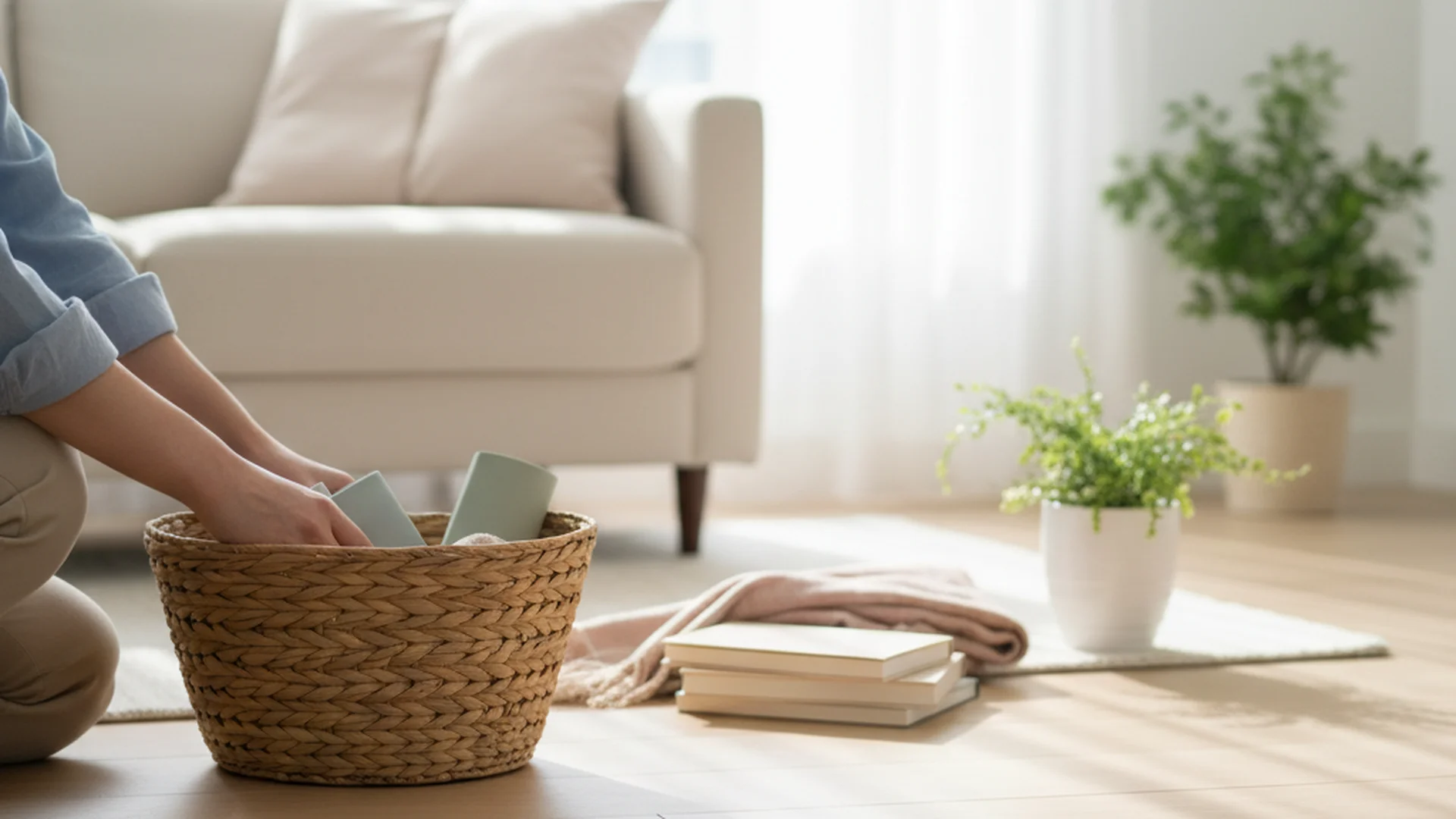
In a typical German home, you will find a basket of Hausschuhe (house shoes) or "Gästepantoffeln" (guest slippers) by the door. This is the ultimate "preventative" cleaning method. By removing street shoes, you keep the bulk of outdoor pollutants, pesticides, and dirt from ever entering your living space. This single habit cuts down dramatically on how often you need to vacuum and mop.
Frequently Asked Questions
What is the most important German cleaning tool?
How often do Germans really clean their windows?
Is Kehrwoche still a legal requirement?
Why use citric acid instead of vinegar?
What is "Osterputz"?
Conclusion
Adopting german cleaning methods is about more than just buying a Miele vacuum; it is about embracing a lifestyle of efficiency, environmental stewardship, and preventative maintenance. By incorporating rituals like Stoßlüften, investing in high-quality tools, and moving away from harsh universal chemicals toward specialized, eco-friendly solutions, you can achieve a level of "Ordnung" that makes your home a sanctuary rather than a source of stress.
The German approach teaches us that when we respect our living spaces and the tools we use to maintain them, the process of cleaning becomes less of a chore and more of a rewarding ritual.
Success: By implementing these methods, you can reduce your deep-cleaning time significantly while maintaining a healthier, fresher indoor environment.
Cleaning that keeps score
Every task earns points, every streak multiplies them, and Premium adds a household leaderboard plus a monthly Dustagorgon to beat.
- Free forever
- 30 badges to earn
- Up to 6 in a household
No card needed. Set up your rooms in a couple of minutes.