In this article
What you’ll learn
- Cleaning reduces cortisol levels and lowers daily stress.
- A tidy environment improves cognitive focus by reducing visual "noise."
- Physical movement during cleaning releases mood-boosting endorphins.
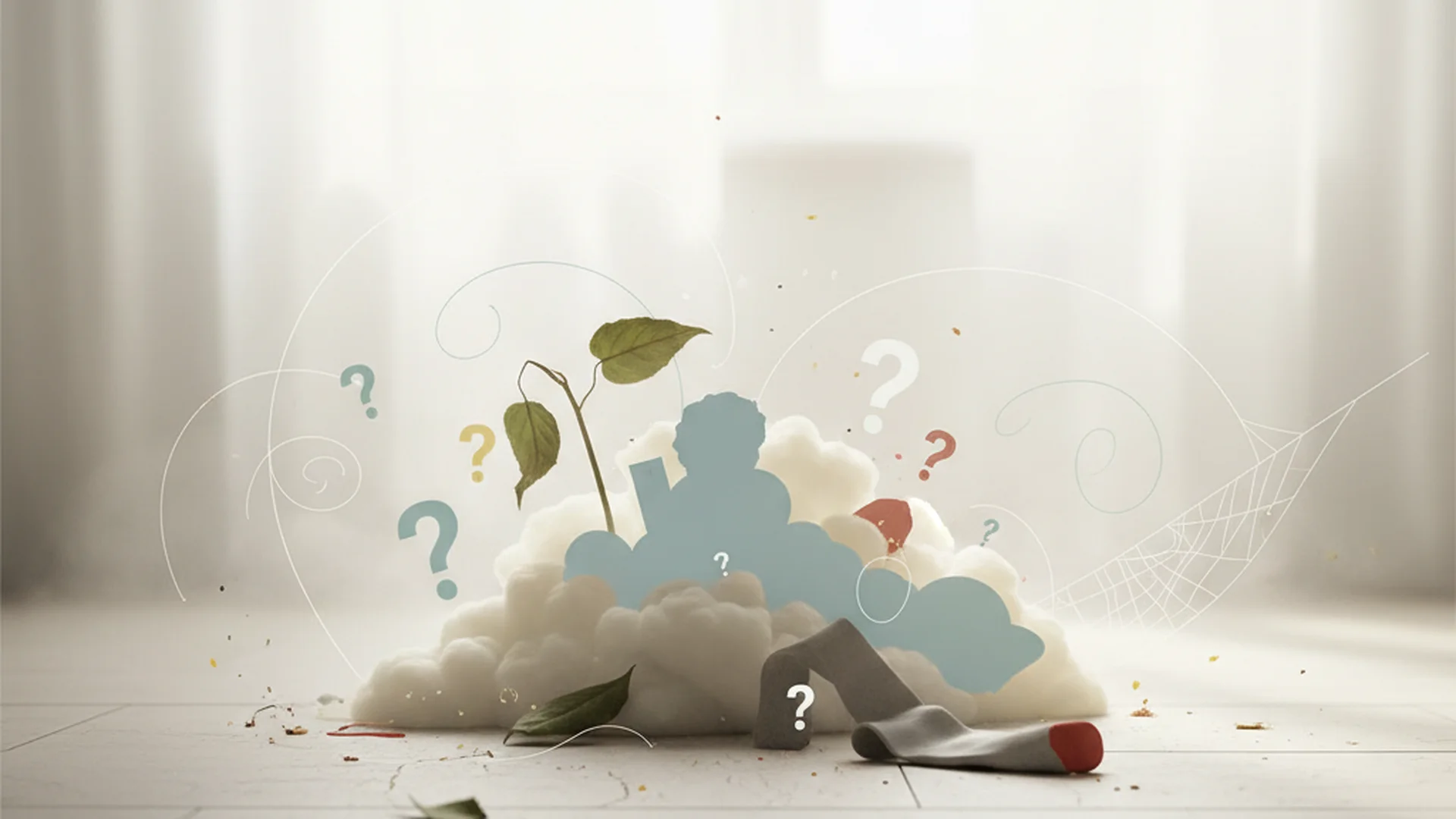
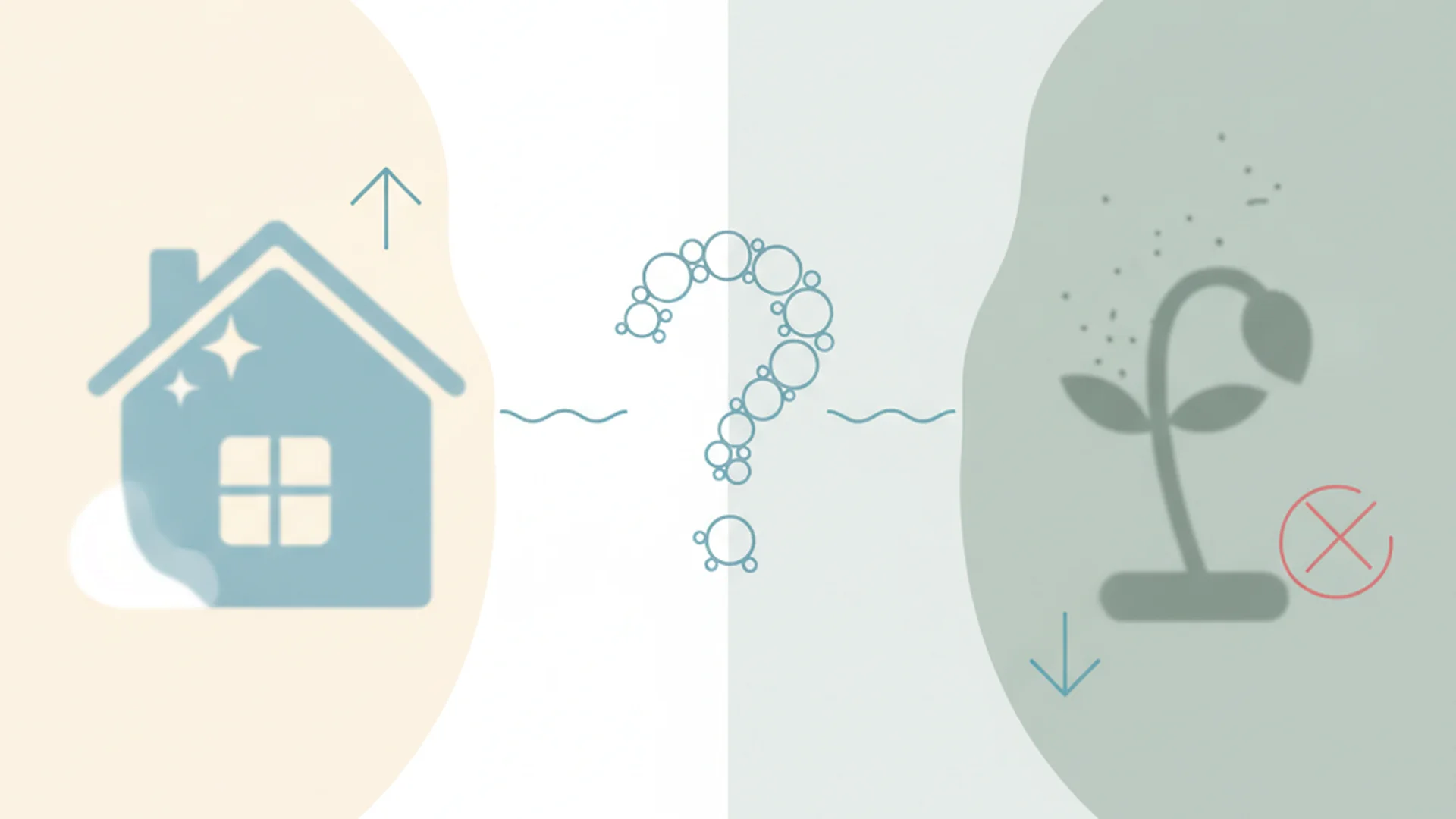
Have you ever walked into a cluttered kitchen, felt a wave of anxiety, and then noticed an immediate sense of relief once the counters were clear? You aren't imagining it—there is a profound psychological reason why you feel better after cleaning. Whether it is the rhythmic motion of vacuuming or the visual satisfaction of a decluttered shelf, the act of tidying up has a measurable impact on our mental and physical well-being.
In this guide, we will dive deep into the psychology behind the "cleaning high," the emerging 2025 trends around it, and how you can harness it to improve your daily life.
The Biological Link Between Clutter and Stress
To understand the feel better after cleaning answer, we first have to look at what happens to our bodies when we are surrounded by mess. Our brains are hardwired to seek order, and when our physical environment is chaotic, our internal systems respond accordingly.
The Cortisol Connection
There is a direct link between the home environment and stress. People who describe their homes as "cluttered" or full of "unfinished projects" tend to carry more cortisol—the body's primary stress hormone—throughout the day. Those who view their homes as "restful" and "restorative" tend to feel calmer and regulate their moods more easily.
When you clean, you are effectively signaling to your nervous system that the "threat" of an unfinished environment has been resolved. This leads to an immediate drop in physiological stress.
The Focus and Cognitive Load Factor
Clutter overstimulates the visual cortex. When multiple visual stimuli (like mail on the counter, shoes on the floor, and dirty dishes) compete for your attention, it becomes difficult for your brain to process information and focus on specific tasks. Clearing that clutter "frees up" mental bandwidth, allowing you to think more clearly.
Tip: If you are feeling overwhelmed at work, try clearing just your desk surface. This small act of "environmental editing" can provide an instant boost to your productivity.
Why We "Stress Clean": The Power of Agency
Many people find themselves scrubbing the floor when they are worried about something entirely unrelated, like a job interview or a health concern. Psychologists refer to this as "stress cleaning."
When the external world feels unpredictable or unmanageable, cleaning provides a sense of agency. You may not be able to control the economy or your boss’s mood, but you can certainly control the state of your bathroom sink. Cleaning offers a predictable outcome: if you scrub, the stain disappears. This direct cause-and-effect relationship is incredibly grounding for the human psyche.
Success: Completing a cleaning task provides a "micro-win," triggering a release of dopamine—the brain’s reward chemical—which is often lacking during periods of stress or low mood.
The Physical Benefits: Cleaning as Movement
Is cleaning a form of exercise? The answer is a resounding yes. In the world of fitness, cleaning falls under "Non-Exercise Activity Thermogenesis" (NEAT).
| Activity | Benefit | Mental Impact |
|---|---|---|
| Vacuuming | 150-200 calories/hr | Rhythmic, meditative sound |
| Scrubbing Tubs | High intensity | Physical release of tension |
| Organizing | Low intensity | High cognitive satisfaction |
Physical movement, even at a low intensity, releases endorphins. These natural chemicals act as mood lifters and mild painkillers, contributing to that post-cleaning "glow."
Note: Something as simple as making your bed every morning sets you up for a better night’s sleep.
2025-2026 Trends: Cleaning for Wellness
The way we approach home maintenance has evolved. We have moved past "Cleaning for Aesthetics" and entered the era of "Cleaning for Wellness."
Probiotic & Bio-Based Cleaning
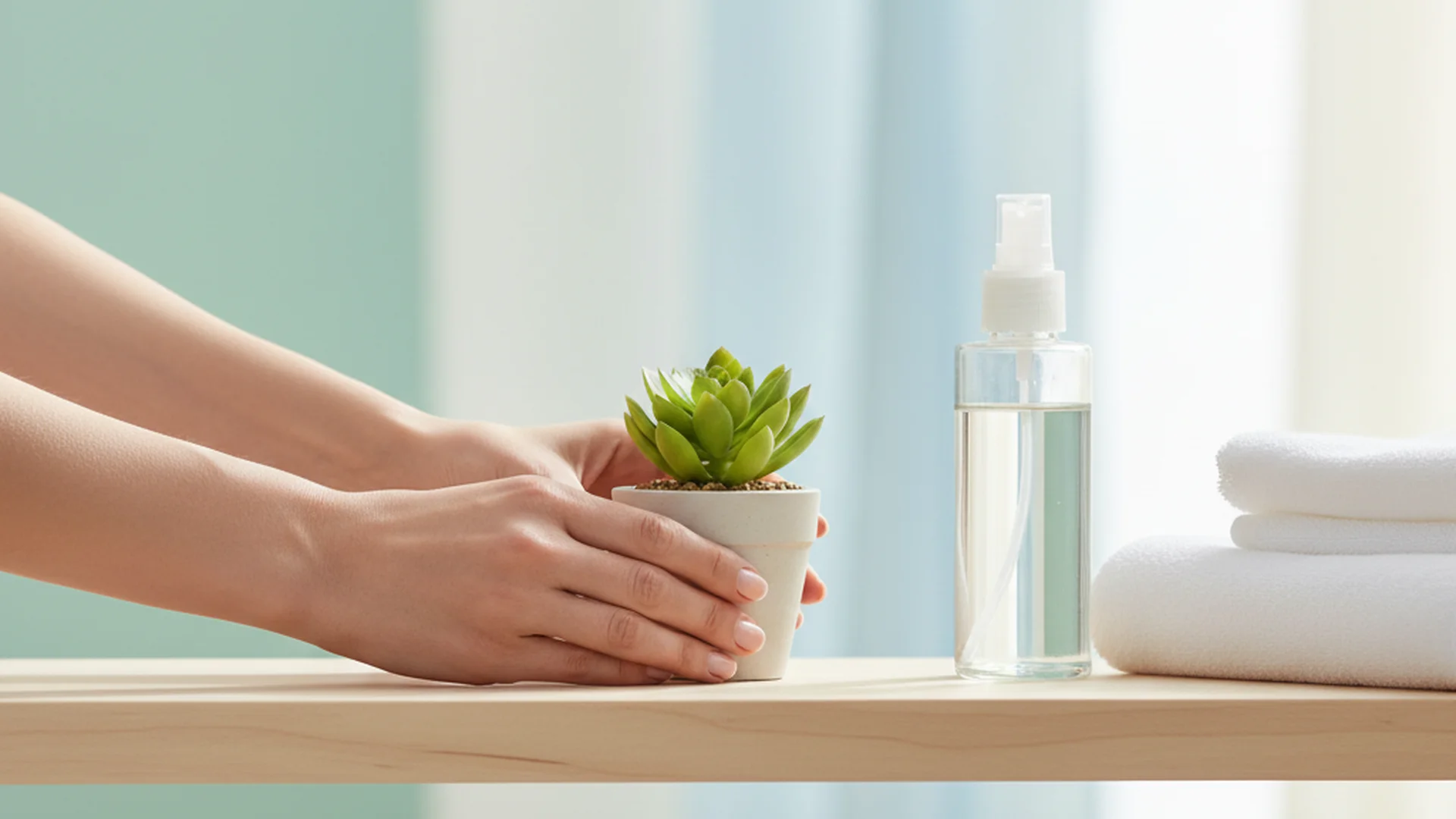
A major trend for 2026 is "Microbiome-Friendly" cleaning. Instead of using harsh chemicals to kill 99.9% of bacteria, new products use "good bacteria" (probiotics) to create a healthy biological balance. This trend is linked to better respiratory health and improved mood, as it avoids the headaches and irritability often caused by Volatile Organic Compounds (VOCs).
Dopamine Cleaning
This trend focuses on making the process as satisfying as the result. Whether it’s using high-frequency scrubbers that make cleaning effortless or organizing a closet by color, "Dopamine Cleaning" prioritizes the chemical reward our brains get from sensory-satisfying tools and visual patterns.
AI-Driven Mental Health Resets
By 2025, smart home systems have begun integrating with wearable data. If your smartwatch detects a spike in stress or a dip in sleep quality, your home assistant might suggest a "5-minute tidy" accompanied by calming music, helping you reset your environment before the stress becomes unmanageable.
Expert Recommendations for a Mindful Clean
To maximize the mental health benefits of cleaning without it becoming a chore you dread, consider these strategies:
- The "One Zone, One Win" Rule: Don't look at the whole house. Pick one small area—like a single drawer—and finish it completely. This creates a success loop that builds momentum for larger tasks.
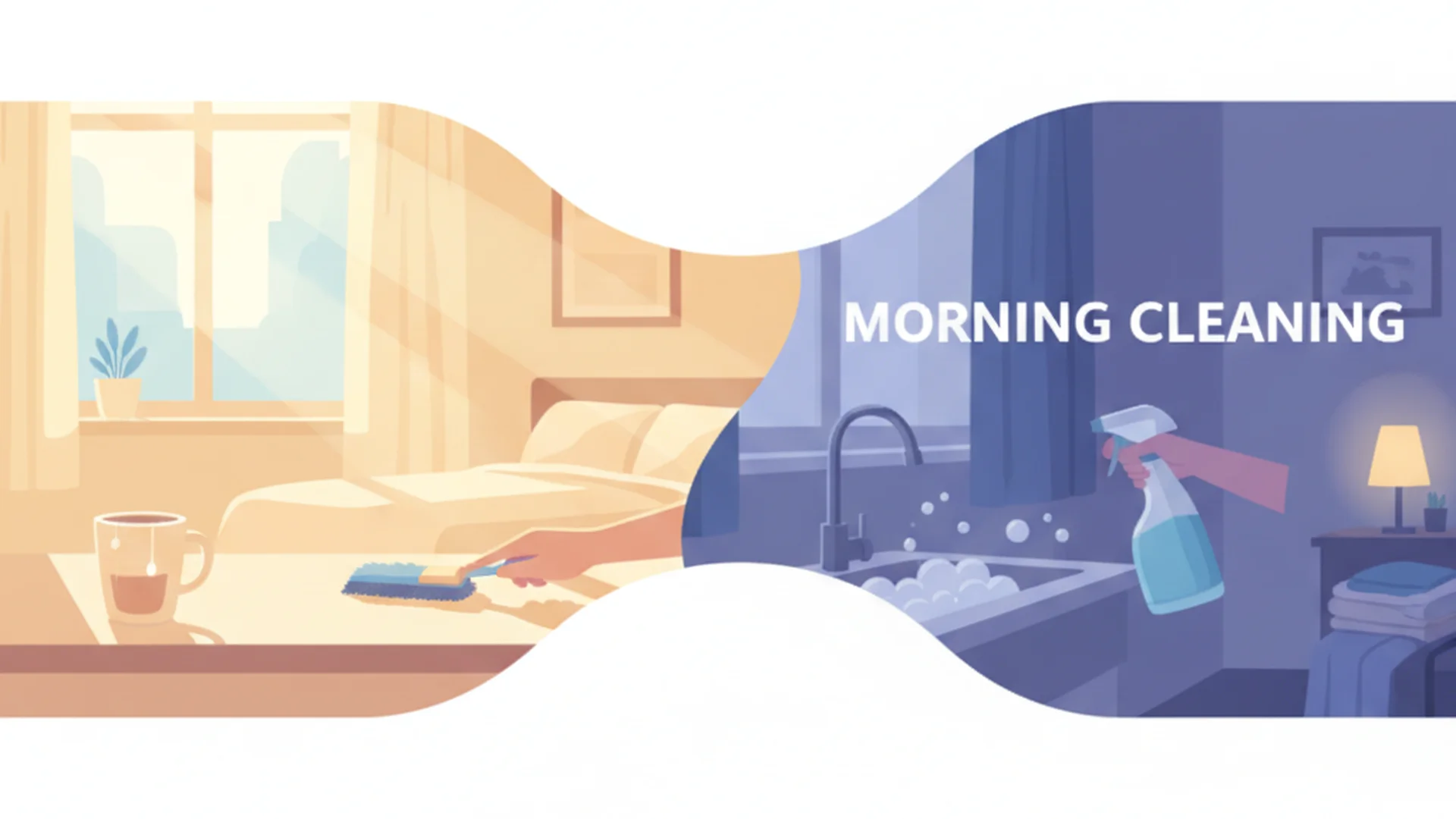
- Aromatherapy Integration: Use scents to influence your brain. Use Lavender or Chamomile for a relaxing evening clean, or Lemon and Citrus for energy and mental clarity during a morning reset.
- The "Closing Shift" Routine: Spend 10–15 minutes at the end of the day resetting your main living area. Waking up to a clean space reduces morning cortisol spikes and starts your day on a positive note.
- Body Doubling: If you struggle with executive dysfunction, have a friend stay on the phone or sit in the room while you clean. The mere presence of another person makes the task feel less daunting.
Warning: Avoid "Productive Procrastination." If you are cleaning to avoid a high-stakes deadline, you may find that your anxiety actually increases once the cleaning is done and the original task remains.
Common Mistakes to Avoid
- The "All or Nothing" Mentality: Waiting until the house is a disaster to perform a "marathon clean" is exhausting and stressful. Small, consistent resets are far better for mental health.
- Using Harsh Chemicals: Traditional cleaners with strong fumes can cause physical discomfort that negates the psychological benefits of a clean room.
- Aiming for Perfection: Your home is a living space, not a museum. The goal is functionality and peace, not an Instagram-perfect aesthetic. Pressure to maintain perfection can actually increase stress.
Frequently Asked Questions
Why do I suddenly want to clean when I’m stressed?
Why does a clean room make me feel more productive?
Can cleaning help with depression?
How often should I clean for mental health?
Conclusion
The reason you feel better after cleaning is a complex mix of hormonal shifts, cognitive clarity, and the simple human need for order. By turning a chore into a mindful practice, you aren't just maintaining your home—you are maintaining your mind. Ask around and most people will agree that cleaning has a positive impact on how they feel. It’s time we stop looking at cleaning as a burden and start seeing it as a vital tool for self-care.
Success: By adopting a "wellness-first" approach to cleaning, you can transform your living space into a sanctuary that supports your mental and physical health every day.
Cleaning that keeps score
Every task earns points, every streak multiplies them, and Premium adds a household leaderboard plus a monthly Dustagorgon to beat.
- Free forever
- 30 badges to earn
- Up to 6 in a household
No card needed. Set up your rooms in a couple of minutes.