In this article
What you’ll learn
- Focus on the first 90 seconds of the guest experience
- Prioritize horizontal surfaces and scent over deep cleaning
- Use the laundry basket method to hide clutter instantly
We have all been there: the phone rings, and a friend mentions they are "just around the corner" and would love to stop by. Or perhaps your in-laws are arriving three hours earlier than planned. In these moments, panic is the natural response. However, emergency cleaning isn't about scrubbing every baseboard or organizing your spice rack; it is about managing perception and focusing on the high-impact areas that guests actually notice.
When you are short on time, you need a tactical plan that prioritizes the "guest-facing" zones of your home. By understanding the psychology of cleanliness and following a strict timeline, you can transform a chaotic living space into an inviting sanctuary in less than twenty minutes.
The Psychology of the First Impression
Before you grab your microfiber cloth, it is essential to understand how guests perceive your home. The "first impression window" is incredibly tight. Guests tend to form a settled "cleanliness opinion" of a home within the first 30 to 90 seconds of entering.
This judgment isn't based on how clean your oven is or whether your closets are organized. Instead, it is driven by two primary factors: the entryway and the scent. Most people equate a "fresh smell" with a "clean home," even if the surfaces haven't been touched in days.
Furthermore, visual clutter on "horizontal surfaces"—like coffee tables and kitchen counters—is a major stress trigger. Simply clearing these flat surfaces dramatically cuts the "perceived mess" of a room, even when nothing else has changed.
Tip: If you only have two minutes, focus entirely on the entryway and a quick spritz of a neutral room refresher. These are the highest-ROI tasks in any emergency.
The 20-Minute Master Emergency Cleaning Checklist
To achieve the fastest emergency cleaning possible, you must move with purpose. Treat this like a circuit workout—don't stop to look at old mail or start a new project. Follow this minute-by-minute breakdown for maximum efficiency.
Minutes 0–2: The Air Reset
The very first thing a guest experiences is the air. Stale air or "refrigerator smells" can make even a spotless house feel "off." Open two windows on opposite sides of the house to create a cross-breeze. This flushes out cooking odors and pet dander instantly. While the windows are open, spray a light, water-based fabric refresher on curtains or sofas.
Warning: Avoid heavy, aerosol-based floral scents. In 2025, these are often seen as "masking" smells and can irritate guests with sensitivities. Stick to linen, eucalyptus, or light citrus.
Minutes 2–7: The Clutter Sweep
Grab a large laundry basket—this is your secret weapon. Walk through the entryway, living room, and kitchen. Anything that doesn't belong (shoes, mail, toys, discarded sweaters) goes into the basket. Do not try to put these items away in their proper places; you don't have time.
Note: Once the basket is full, hide it in a "no-go" zone like the master bedroom, a closet, or even the trunk of your car.
Minutes 7–12: The Horizontal Surface Wipe
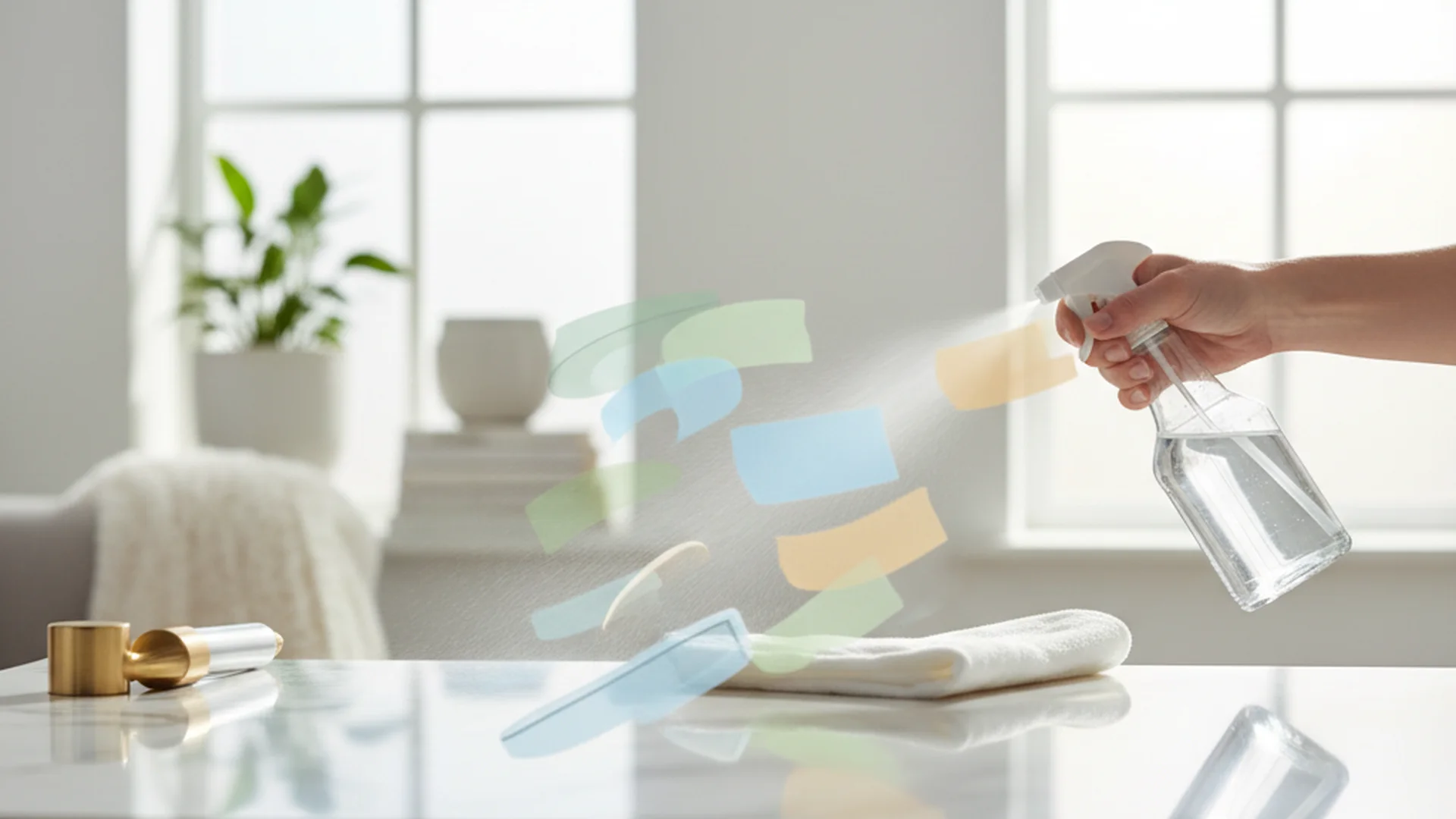
Using an all-purpose spray and a microfiber cloth, focus only on the "big three": the coffee table, the kitchen island, and the dining table. Don't worry about dust on the TV stand or the bookshelf. Use long, sweeping motions to clear crumbs and fingerprints. Shiny surfaces reflect light, making the whole room feel brighter and cleaner.
Minutes 12–17: The Guest Bathroom Blitz
The bathroom is the ultimate deal-breaker. It is the room guests judge hardest, and a grubby one undoes every other bit of tidying you have done.
- The Bowl: Squirt cleaner in the toilet and give it a quick swish.
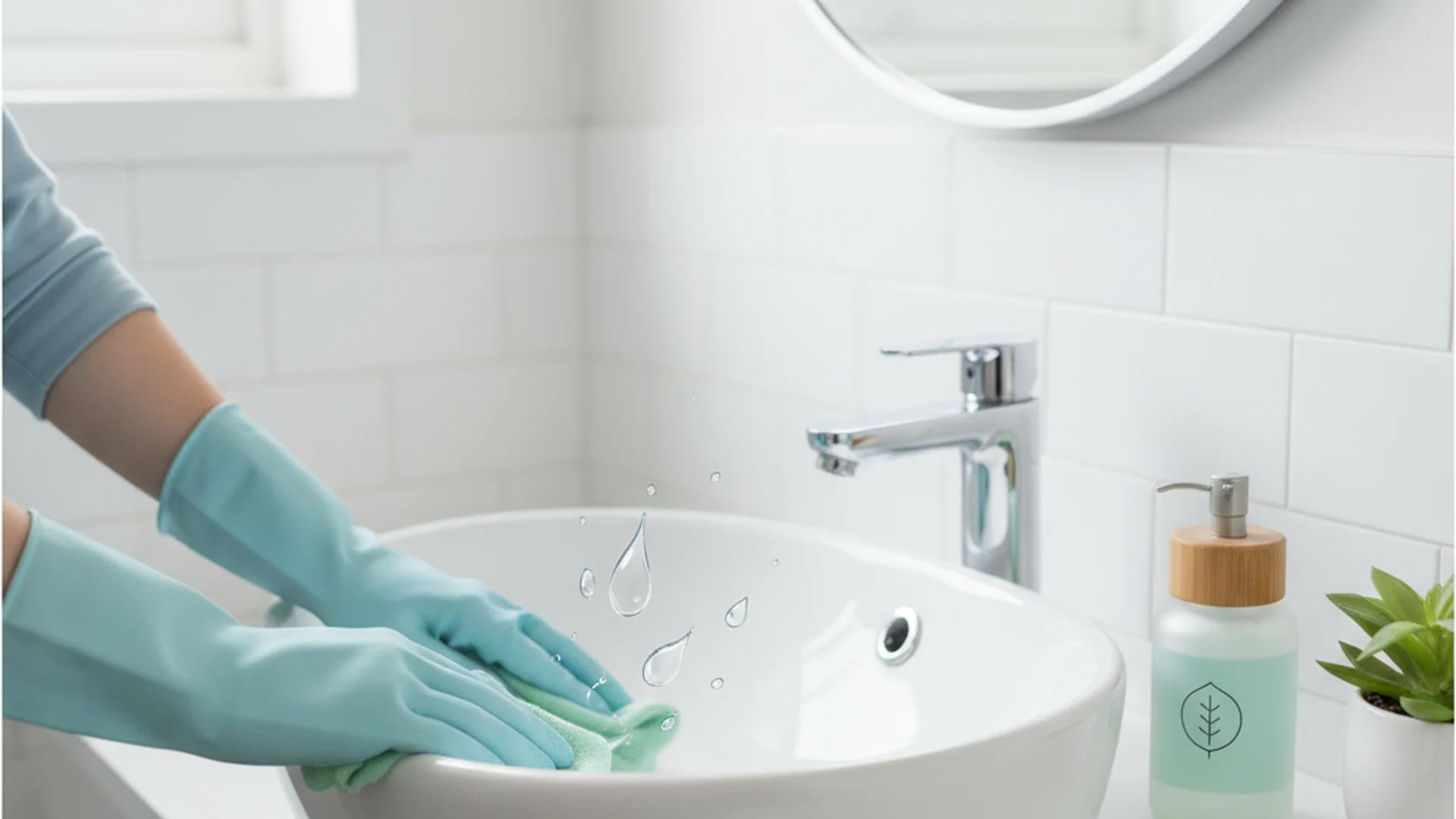
- The Shine: Wipe the mirror and the faucet. If the chrome is shiny, the guest assumes the room is sanitized.
- The Essentials: Put out a fresh, dry hand towel and make sure there is enough toilet paper.
- The Bin: Empty the small trash can; an overflowing bin is a major visual "red flag."
Minutes 17–20: The Floor Illusion
Do not attempt to vacuum the entire house. Instead, perform a "perimeter sweep" or "spot-mop." Use a cordless vacuum or a damp microfiber mop to clean only the center of the rooms where guests will walk.
Success: By focusing only on the "walking paths," you save 15 minutes of labor while providing the visual appearance of a freshly cleaned floor.
| Task | Time Allotted | Priority Level |
|---|---|---|
| Air Reset | 2 Minutes | High |
| Clutter Sweep | 5 Minutes | High |
| Surface Wipe | 5 Minutes | Medium |
| Bathroom Blitz | 5 Minutes | Critical |
| Floor Illusion | 3 Minutes | Low |
Real-World Emergency Scenarios
Example 1: The "In-Law" Arrival
Your partner's parents are five minutes away. In this scenario, focus heavily on the entryway and the kitchen. In-laws often congregate in the kitchen, so clearing the sink of dishes (even if you just hide them in the dishwasher) is the number one priority.
Example 2: The "Coworker" Pop-In
A colleague is dropping off a document and might step inside for a coffee. Focus on the "horizontal surfaces" in the living room. Use Warm Lighting—dim the overhead lights and turn on lamps. Low-level, warm lighting hides dust on baseboards and creates an "inviting" rather than "clinical" atmosphere.
Example 3: The Last-Minute Dinner Date
If you are hosting a date, the bathroom and the scent-scaping are your priorities. Ensure the bathroom is spotless and the house smells like "linen" or "clean wood" rather than cleaning chemicals.
2025-2026 Trends in Quick Cleaning
Cleaning technology has advanced significantly, making an emergency cleaning checklist easier to manage than in years past.
- Scent-Scaping: Moving away from traditional candles, many homeowners now use "dry" scent sticks or ultrasonic diffusers. These provide a high-end "hotel smell" within seconds without the fire hazard of a candle.
- UV-C Wands: For the health-conscious guest, a quick pass with a UV-C sanitizing wand over high-touch areas like remote controls and door handles provides peace of mind.
- Micro-Cleaning Kits: Keep a "Quick-Response Kit"—a small caddy with multi-surface spray, two microfiber cloths, and a lint roller—ready to go at all times.
- AI-Assisted Runs: If you have a modern smart home system, use the "Emergency Guest Mode" on your robot vacuum. This sends the unit to the entryway for a 5-minute high-speed perimeter sweep while you handle the surfaces.
Common Mistakes to Avoid
During an emergency cleaning session, your biggest enemy is "mission creep." Avoid these common pitfalls to stay on track:
- Starting a Deep Clean: Never start scrubbing grout, cleaning the oven, or organizing a junk drawer. These tasks take too long and usually leave the house looking worse (and disassembled) when the guest arrives.
- Over-Using Water: A soaking wet mop takes too long to dry and leaves a "damp" smell. Use a barely damp microfiber cloth for a streak-free finish that dries in seconds.
- Focusing on Private Spaces: If you know the guest won't be entering your bedroom or laundry room, ignore those spaces entirely. Close the doors and focus on the "Public Guest Zones."
- The "Bleach" Myth: Many people think the smell of bleach equals "clean." However, in 2025, a heavy chemical smell is often seen as an attempt to hide a mess or can trigger respiratory sensitivities.
- Ignoring the Entryway: You might have a spotless living room, but if the guest has to trip over five pairs of shoes to get inside, their perception of your home is already ruined.
Frequently Asked Questions
How do I clean my house in 15 minutes for unexpected guests?
What should I prioritize when I don't have time to clean?
How do I make my house smell clean instantly?
Where do I hide clutter quickly?
What is the fastest way to clean a bathroom?
Conclusion
When the doorbell rings unexpectedly, remember that hospitality matters more than perfection. Your guests are there to see you, not to perform a white-glove inspection of your baseboards. By using this emergency cleaning checklist, you can mitigate the stress of a messy home and focus on being a great host. Focus on what they see, what they smell, and where they sit—the rest can wait until tomorrow.
Success: Following this 20-minute protocol ensures your home feels intentional, fresh, and welcoming, even on the shortest notice.
Cleaning that keeps score
Every task earns points, every streak multiplies them, and Premium adds a household leaderboard plus a monthly Dustagorgon to beat.
- Free forever
- 30 badges to earn
- Up to 6 in a household
No card needed. Set up your rooms in a couple of minutes.