In this article
What you’ll learn
- Cleaning dryer vents is one of the most effective ways to prevent laundry fires.
- Biofilms in washing machines often harbor antibiotic-resistant bacteria.
- Using too much detergent leads to mechanical failure and foul odors.
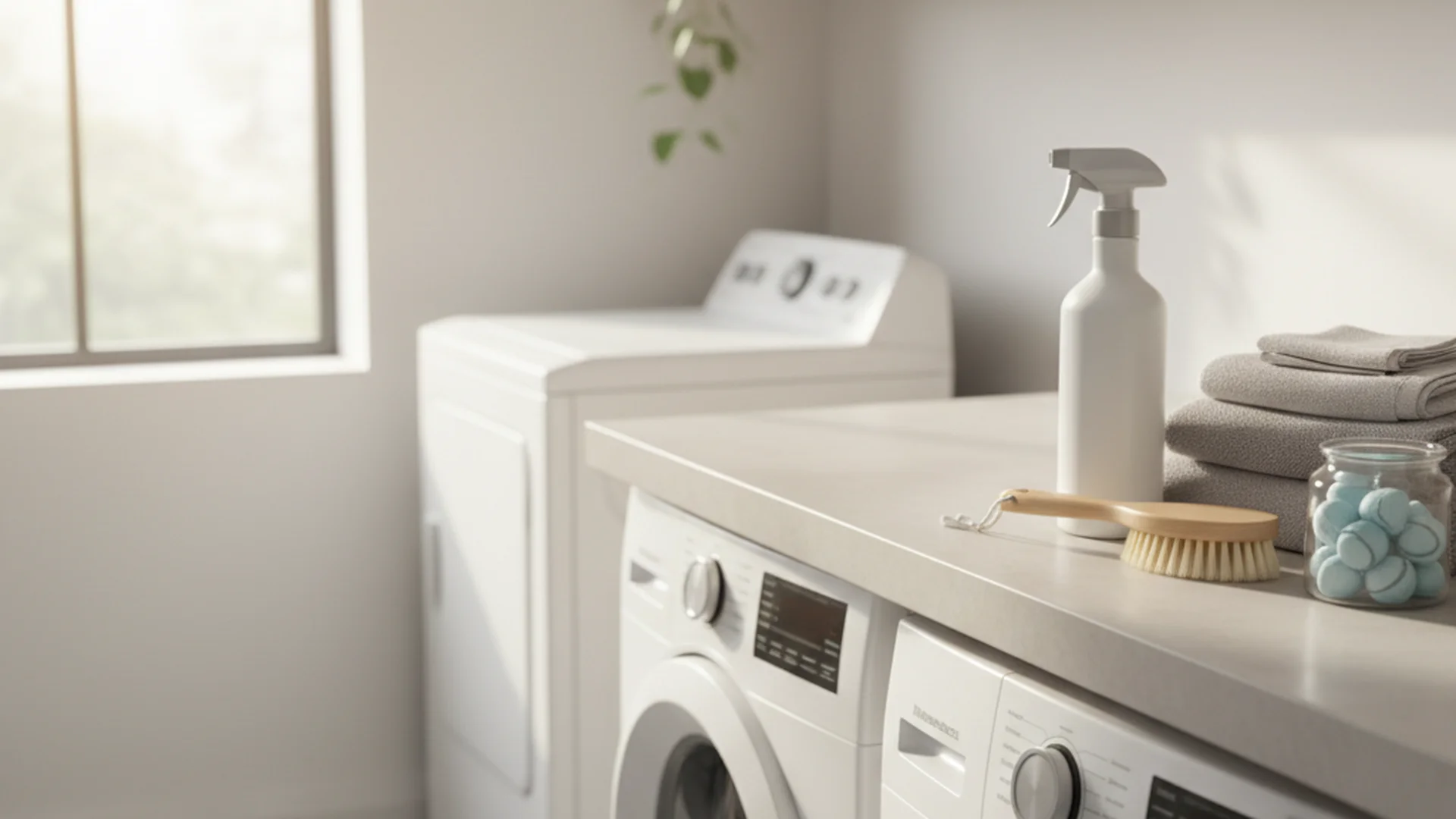
We often think of the laundry room as the place where things get clean, but ironically, it is often one of the most neglected spaces in the home. From lint buildup in hidden crevices to the invisible growth of bacteria in damp gaskets, this room requires more than just a surface wipe-down. To maintain a safe and efficient home, you must periodically deep clean your laundry room to ensure your appliances are performing at their peak. Whether you are dealing with a "rotten egg" smell or just want to lower your energy bills, this guide provides the ultimate roadmap for a spotless utility space.
Why a Deep Clean is Non-Negotiable in 2025
For many homeowners, the laundry room is a "set it and forget it" area. However, neglect can lead to serious safety and health consequences. Laundry equipment causes thousands of home fires every year, and the overwhelming majority of them start with the dryer.
The leading cause of these fires? A simple "failure to clean." When lint accumulates in the dryer vent, it restricts airflow, causing the heating element to work overtime and potentially ignite the highly flammable fibers. Keeping the lint filter and vent system clear is the single most effective thing you can do to prevent a dryer fire.
Beyond fire safety, there is the issue of hygiene. Biofilms—slimy layers of bacteria—build up inside domestic washing machines and can harbor stubborn, hard-to-kill strains. If you aren’t deep cleaning your machine, you might just be moving bacteria from one shirt to another.
Your Ultimate Laundry Room Deep Cleaning Checklist
To achieve a professional-level clean, you need to move beyond the spray-and-wipe method. Follow this structured approach to ensure no corner is left untouched.
Step 1: Prep and Declutter
Before you reach for the scrub brush, you need a blank canvas. The laundry room often becomes a "catch-all" for half-empty bottles, mismatched socks, and old cleaning rags.
- Empty the Room: Remove all detergent bottles, laundry baskets, and drying racks.
- Check Expiration Dates: Many people don't realize that liquid laundry detergent can lose its effectiveness after 6 to 12 months. Dispose of anything that has separated or smells off.
- Safety First: Before moving appliances or sticking brushes into vents, unplug both the washer and dryer. If you have a gas dryer, be extremely careful not to kink the gas line.
Tip: Use this time to transition to glass-jar storage. It’s one of the biggest trends for 2025, reducing plastic waste and making it easier to see when you’re running low on supplies.
Step 2: High Dusting and Surface Sanitization
In a room where lint is constantly flying through the air, dust accumulates faster than anywhere else in the house.
- Top-Down Approach: Start with light fixtures and ceiling fans. Use a damp microfiber cloth to trap the dust rather than spreading it around.
- Wipe the Walls: Detergent splashes and steam can create a sticky residue on walls. A simple mixture of warm water and a drop of dish soap is usually enough to clear this.
- Sanitize High-Touch Points: Think about how many times you touch the light switches, cabinet handles, and appliance knobs with dirty hands. Use a disinfecting wipe or spray on these areas.
Step 3: The Deep Clean of the Washing Machine
Your washing machine needs more than just a "Self-Clean" cycle. To truly deep clean your laundry room, you must address the areas where the machine hides grime.
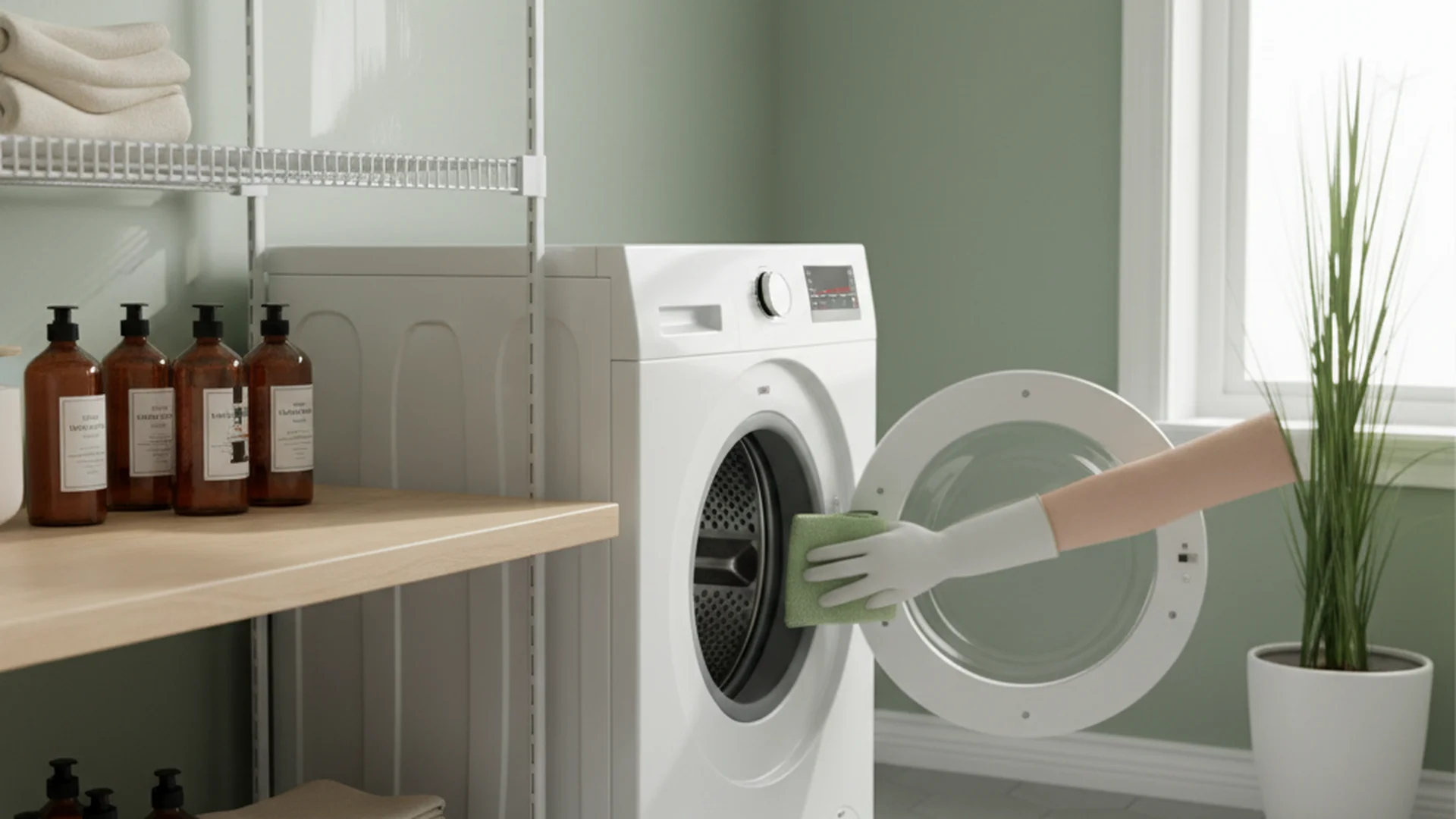
- Scrub the Gasket: On front-load washers, the rubber seal (gasket) is the primary site for mold growth. Pull back the folds and scrub with a vinegar solution.
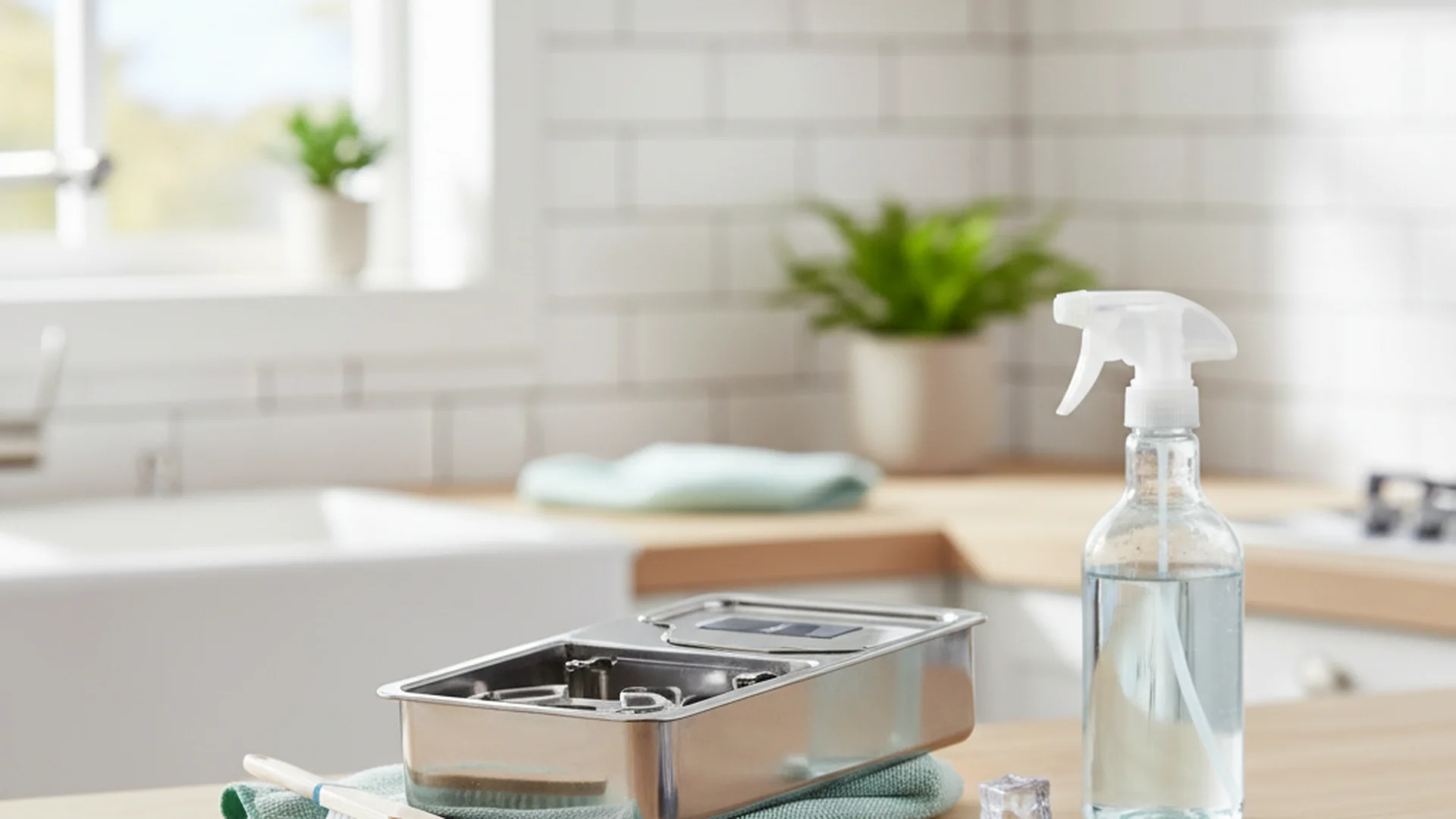
- The Detergent Drawer: Most drawers are removable. Take it out and you’ll likely find a thick layer of "scum" or mold underneath. Scrub this in the sink with an old toothbrush.
- The Pump Filter: This is the most forgotten part of the machine. Usually located behind a small door at the bottom front of the machine, this filter catches coins, hair, and lint. Prepare a bowl to catch the excess water, unscrew the filter, and clear the debris.
Warning: Never mix bleach and vinegar when cleaning your washer. This combination creates toxic chlorine gas, which can be fatal in enclosed spaces like a small laundry room.
Step 4: The Dryer and Exhaust System
This is the most critical step for fire prevention. A clean dryer also runs much more efficiently, potentially saving you up to 30% on your energy bills.
- Deep Clean the Lint Trap: Even if you clear the screen every load, lint falls into the housing below. Use a vacuum hose attachment or a flexible long-handled vent brush to reach deep into the slot.
- The Ductwork: Pull the dryer away from the wall and disconnect the flexible duct. Vacuum the inside of the duct and the back of the dryer where the air exits.
- The Exterior Vent: Go outside and check the vent flap. Ensure it opens and closes freely. If it's stuck open, pests like birds or mice can build nests inside, creating a major blockage.
Success: Clearing a clogged dryer vent doesn't just prevent fires; it also significantly reduces drying time, saving you hours of chores over the course of a year.
Step 5: The Utility Sink and Floors
If you’re lucky enough to have a utility sink, it likely sees a lot of paint, mud, and harsh chemicals.
- The Sink: Use a paste made of baking soda and a little water. Scrub the basin to remove stains, then flush the drain with boiling water to dissolve soap residue.
- Behind the Machines: Now that the appliances are pulled out, vacuum the "mystery socks" and dust bunnies that have lived there for months.
- Mop and Dry: Use a floor-specific cleaner. Ensure the floor is 100% dry before sliding appliances back to prevent trapping moisture, which can lead to subfloor rot.
Real-World Examples of Why This Matters
To understand the impact of a deep clean, consider these three common scenarios:
- The Mystery Drain Clog: A homeowner noticed their washer was failing to drain. Upon inspecting the pump filter during a deep clean, they found three quarters and a child’s "mystery sock" wedged in the impeller. Removing them saved a $200 repair call.
- The Bird’s Nest Hazard: A family in a humid climate noticed their clothes took two cycles to dry. When they checked the exterior vent flap, they found a bird’s nest blocking 80% of the airflow. After removal, the dryer’s efficiency improved by 50%.
- The Detergent Overload Myth: A user complained of a "rotten egg" smell. They had been using double the recommended detergent, thinking it made clothes cleaner. Instead, the excess soap created a massive biofilm. Switching to the correct dosage and running a sanitize cycle with vinegar eliminated the odor instantly.
2025-2026 Trends in Laundry Care
As we move into 2026, the way we maintain our laundry rooms is shifting toward high-tech and eco-friendly solutions.
- AI-Driven Maintenance: Brands like Samsung and LG now offer AI predictive maintenance. Your phone will send a notification if the dryer detects a 10% blockage in the vent or if the washer's pump filter needs cleaning.
- Sustainability Shift: There is a massive move away from single-use plastics. Many households are switching to laundry detergent sheets and wool dryer balls. Wool balls are especially helpful as they don't leave the waxy residue that traditional dryer sheets can deposit on lint filters.
- The "Mudroom" Hybrid: Modern home designs are merging laundry rooms with mudrooms. This means deep cleaning now requires strategies for managing both lint and outdoor dirt, often requiring heavy-duty floor seals and antimicrobial surfaces.
Common Mistakes to Avoid
- Ignoring the Exterior Vent: Many people clean the lint trap but never look at the vent outside. If that flap is stuck, your dryer is a ticking time bomb.
- Using Too Much Detergent: Modern HE (High-Efficiency) machines require very little soap. Excess suds create a "scrum" that leads to mechanical failure and odors.
- Using Rigid Tools for Vents: Never use a coat hanger to clean a dryer duct. You risk puncturing the flexible material or pushing the lint into a hard "plug" deeper in the wall.
- Assuming "Self-Clean" is Enough: These cycles are great for the drum, but they don't touch the detergent drawer or the pump filter. Manual intervention is still required.
Note: If your dryer vent run is longer than 25 feet or has multiple 90-degree turns, consider hiring a professional. DIY vacuuming might not reach the middle of long wall runs.
Frequently Asked Questions
How often should I deep clean the laundry room?
How do I get rid of the "rotten egg" smell in my front-load washer?
Can I clean my dryer vent myself?
What is the best way to clean a utility sink?
Why are my clothes still damp after a full dryer cycle?
Conclusion
A deep clean laundry room is about more than just aesthetics; it is a vital part of home maintenance that ensures safety, efficiency, and hygiene. By following this 2025-2026 guide, you can eliminate fire hazards, boost your machine's lifespan, and ensure your clothes are truly clean. Remember that a little bit of preventative maintenance today can save you from expensive repairs—or worse—down the road.
Success: By implementing these steps, you’ve not only refreshed your space but also improved your home's energy efficiency by up to 30%.
Cleaning that keeps score
Every task earns points, every streak multiplies them, and Premium adds a household leaderboard plus a monthly Dustagorgon to beat.
- Free forever
- 30 badges to earn
- Up to 6 in a household
No card needed. Set up your rooms in a couple of minutes.