In this article
What you’ll learn
- Start from the ceiling and work down to the baseboards to maximize efficiency.
- Pay special attention to chair rungs and table undersides, which are major germ hotspots.
- Utilize 2026 trends like probiotic cleaners and UV-C sanitization for a longer-lasting clean.
The dining room is often referred to as the "heart of the home," a sanctuary where families gather to share meals, celebrate holidays, and connect after a long day. However, because it is a high-traffic area centered around food, it also serves as a magnet for dust, crumbs, and microscopic bacteria. If you are preparing to deep clean dining room spaces in your home, you aren't alone. Most households wipe down the dining room several times a week, with younger generations leading the charge toward more frequent sanitization.
A simple wipe-down of the table isn't enough to maintain a truly healthy environment. A well-used dining chair harbors a startling density of bacteria, including resilient strains like E. coli. To transform your dining area into a truly hygienic and aesthetically pleasing space, a comprehensive deep clean is essential. Not only does it protect your health, but most people find that a deep-cleaned home lifts their mood and mental clarity considerably.
Why Deep Cleaning Matters in 2026
As we move into 2026, the definition of "clean" has evolved. We are no longer just looking for the absence of visible dirt; we are looking for a sterilized, sustainable environment. With the rise of sculptural stone tables and performance fabrics, the methods we use to maintain our furniture have become more specialized.
Furthermore, the psychological impact of a clean dining space cannot be overstated. Plenty of people find that a clean home directly fuels their daily productivity, and deep cleaning has moved from a chore to a form of self-care. This guide will walk you through a professional-grade dining room deep cleaning checklist to ensure no corner is left untouched.
The 2026 Deep Cleaning Supply Kit
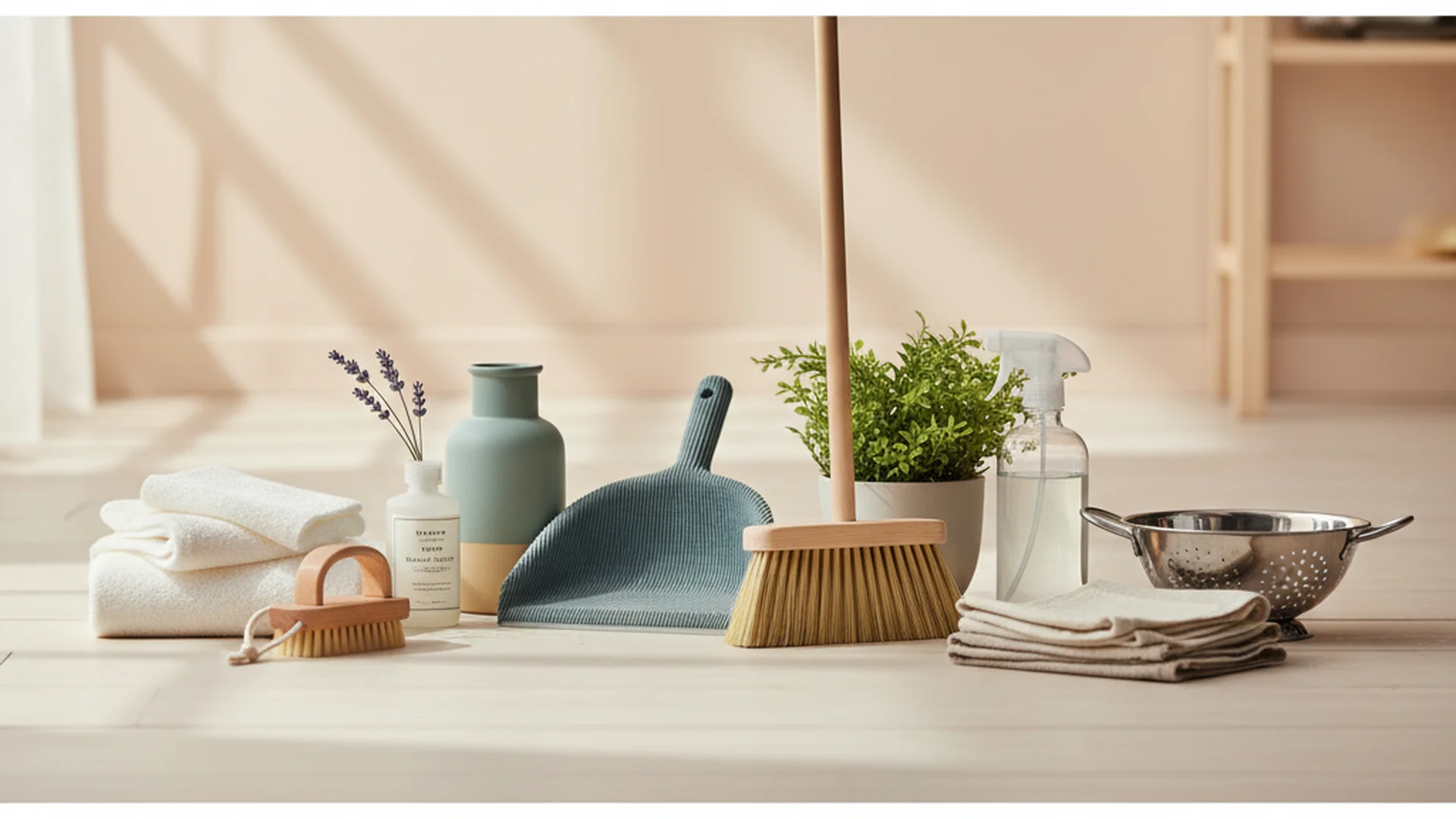
Before you begin, gather the modern tools necessary for a 2026-era clean. Moving away from harsh chemicals, the focus this year is on "Probiotic Cleaning" and "Smart Automation."
- Probiotic Multi-Surface Cleaner: These cleaners contain beneficial bacteria that continue to consume microscopic grime for up to 72 hours after application.
- Color-Coded Microfiber Cloths: Use blue for glass, green for wood, and yellow for high-touch germ zones to prevent cross-contamination.
- UV-C Sanitization Wand: For upholstered chairs and fabric window treatments where moisture is a risk.
- HEPA-Filter Vacuum: Essential for capturing 99.97% of dust and allergens from rugs and baseboards.
- pH-Neutral Wood Soap: Avoids the long-term damage caused by acidic solutions like vinegar.
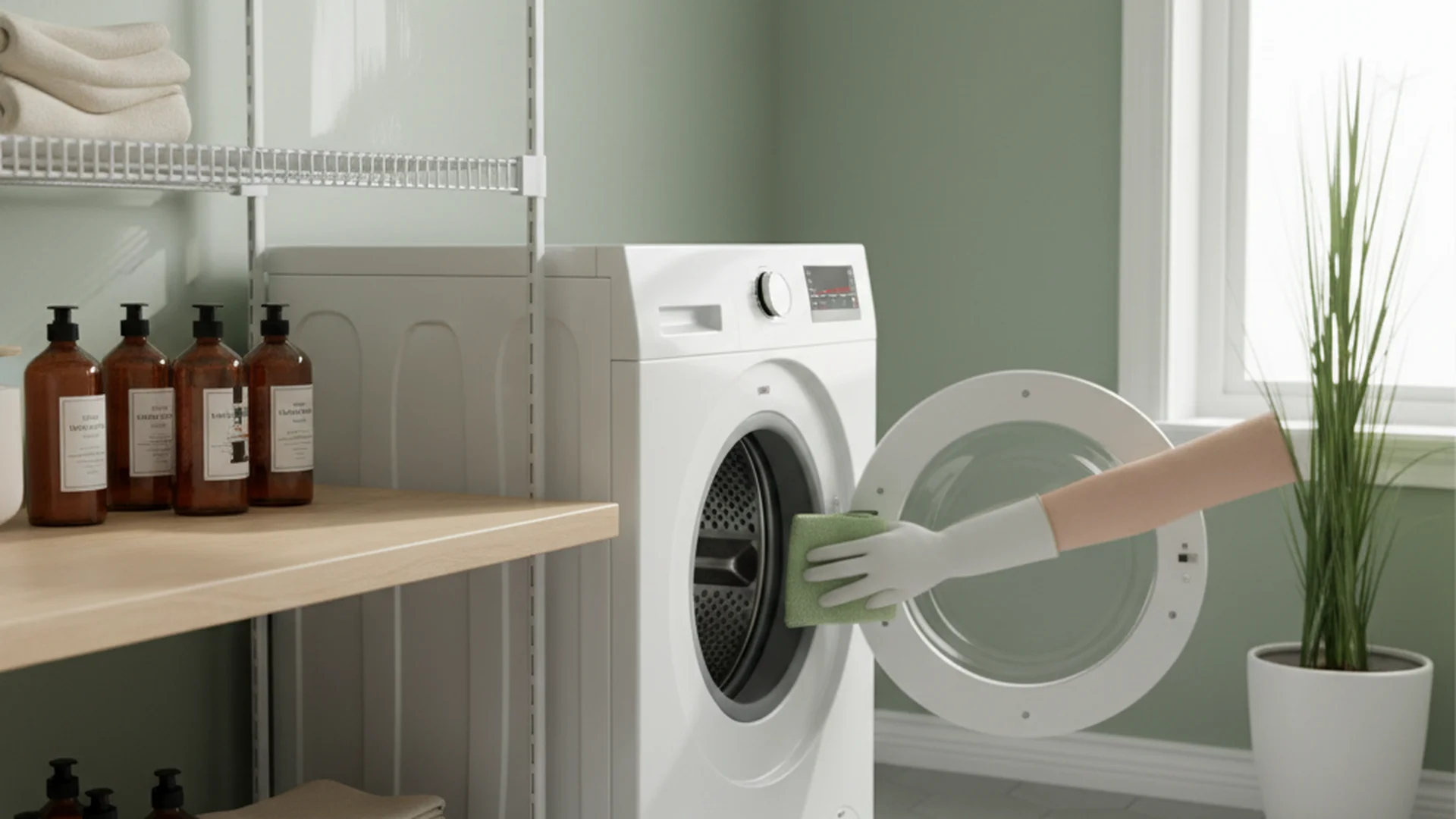
Note: Avoiding kitchen sponges is a must. Sponges are notorious for harboring bacteria and can spread germs across your dining table rather than removing them.
Phase 1: The Highs (Lighting and Windows)
Following the "Top-to-Bottom" rule is the most efficient way to deep clean dining room areas. Any dust or debris disturbed at the top of the room will eventually settle on the floor, which you will clean last.
Ceiling Fans and Light Fixtures
Dust accumulation on ceiling fans can trigger allergies every time the fan is turned on. Use a microfiber duster or a damp cloth to wipe each blade. For chandeliers, particularly crystal ones, the "drip-dry" method is a popular 2026 hack. Spray a 1:3 vinegar-water solution onto the crystals and let it drip onto a drop cloth. However, for a professional, streak-free shine, hand-wiping each crystal with a dry microfiber cloth is still the gold standard.
Window Treatments and Glass
Dust your blinds or vacuum heavy curtains using a brush attachment. If you have "performance fabric" curtains, consider using a UV-C light wand to sanitize them without the need for dry cleaning. For the glass, use a dedicated glass cleaner and a blue microfiber cloth, wiping in a "Z" motion to avoid streaks.
Tip: Always check the tag on your window treatments. If they are marked with an "S," they require solvent-based cleaning and can be damaged by water.
Phase 2: The Furniture Deep-Dive
The table and chairs are the centerpieces of the room, but they are also the most neglected in terms of "hidden" grime.
The 3-Step Table Care Method
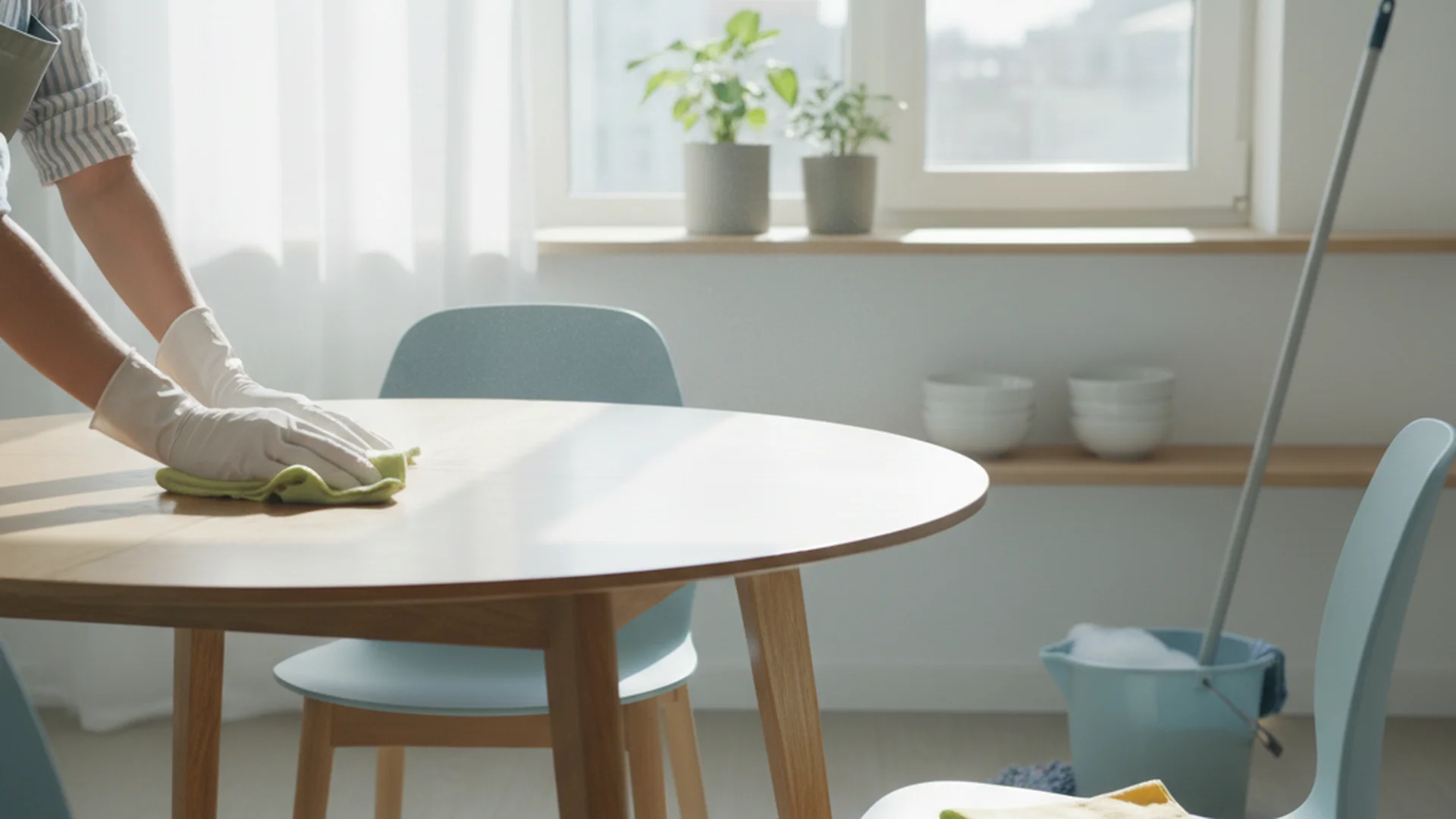
Whether your table is heirloom oak or a modern 2026 sculptural stone, follow these steps:
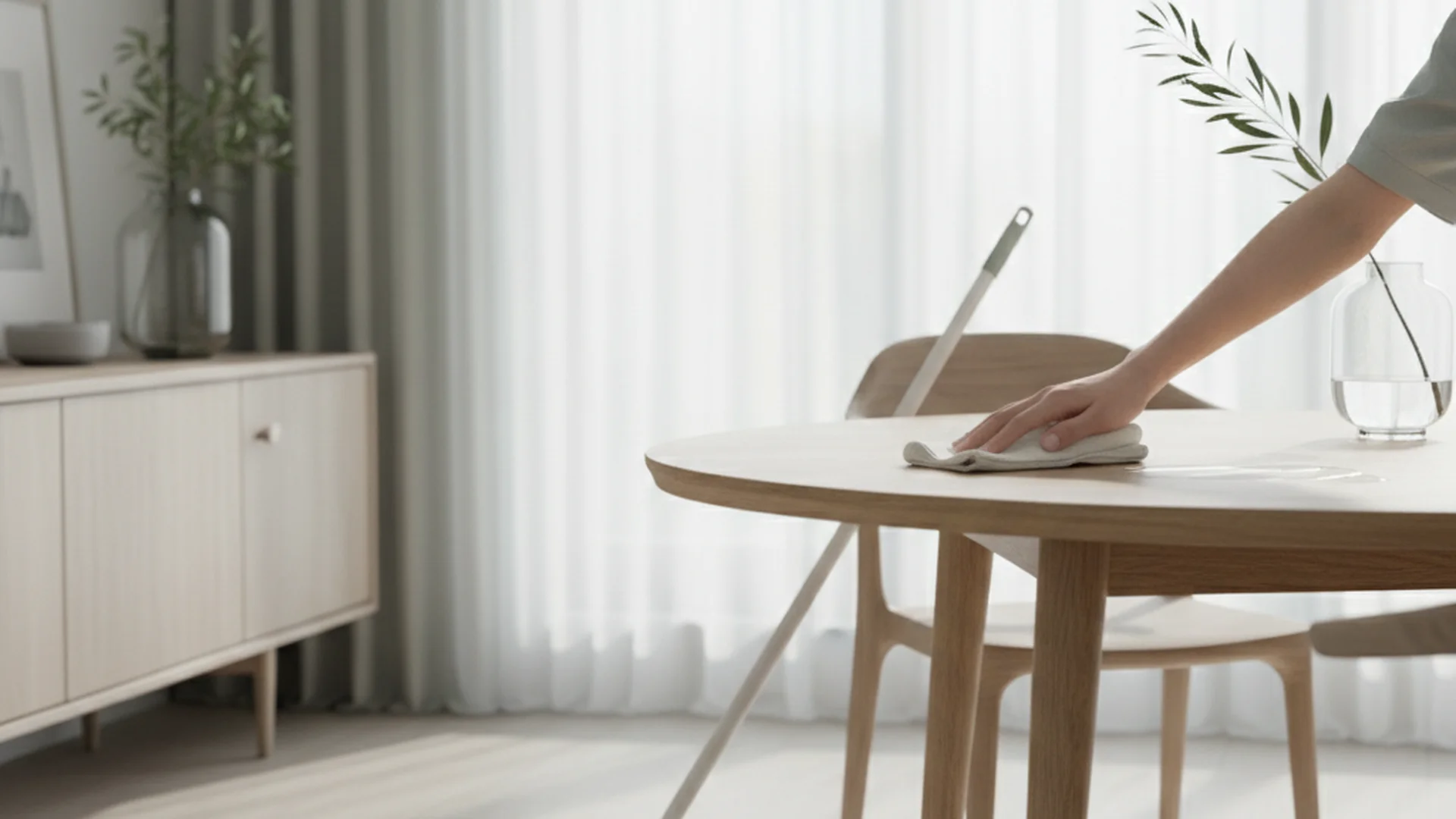
- Clear & Dust: Remove all decorative items. Use a dry microfiber cloth to remove loose crumbs and dust. Don't forget the underside of the table edge, where children often leave sticky fingerprints.
- Clean: Use a damp (not dripping) cloth with mild soap or a probiotic cleaner. For stone tables (travertine, marble), use a specialized stone soap to avoid etching.
- Condition/Protect: Apply a high-quality furniture polish to wood or a stone sealer to marble to provide a protective barrier against future spills.
Sanitizing the Chairs
Chairs are the primary germ hotspots. High-back and upholstered chairs are the worst culprits for harboring bacteria.
- Hard Surfaces: Wipe down the "rungs" (the cross-bars at the bottom) and the chair legs. These areas accumulate foot scuffs and pet hair that regular vacuuming misses.
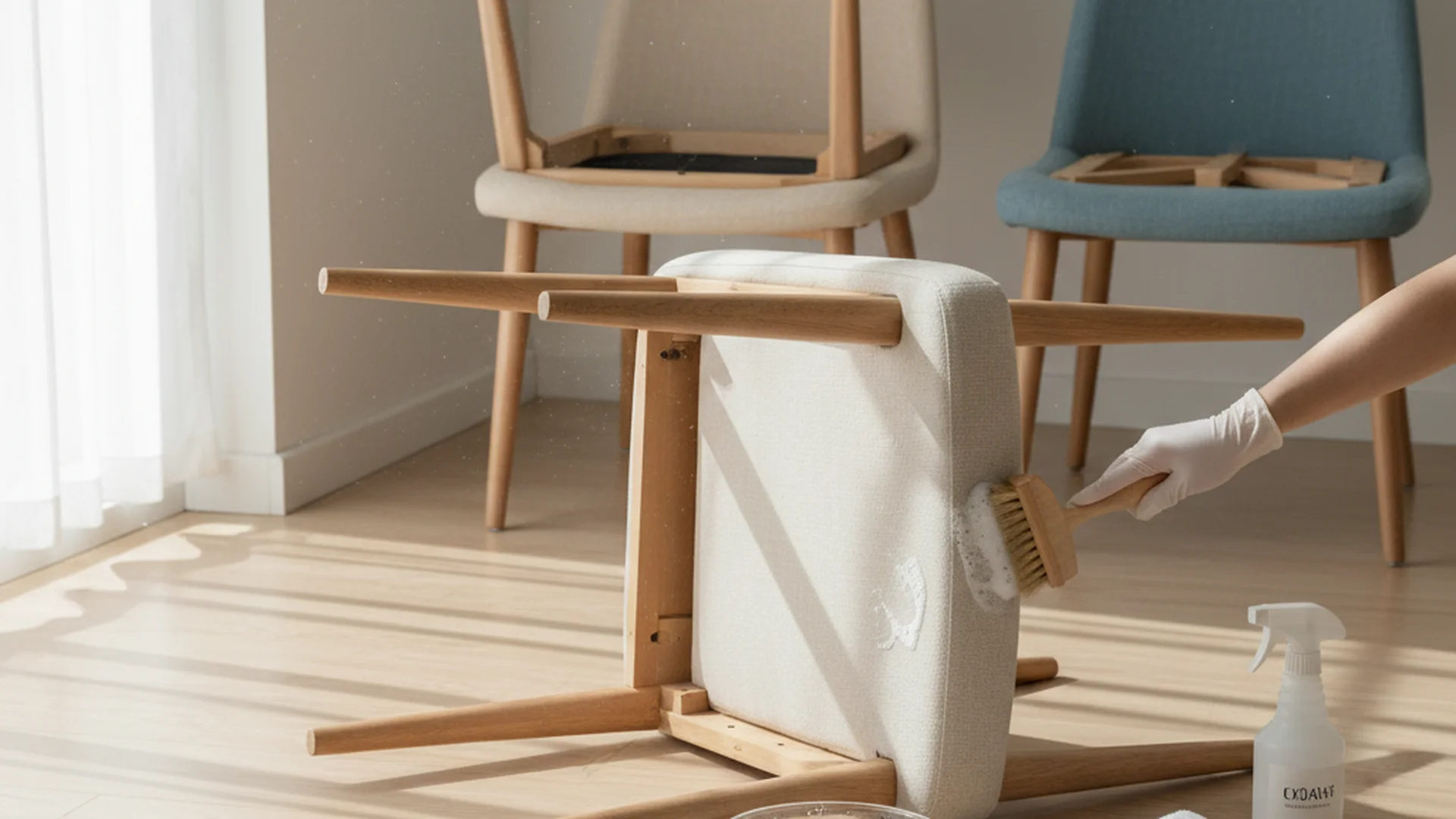
- Upholstery: Sprinkle baking soda on the seats, let it sit for 30 minutes to absorb odors, and then vacuum. If you have a portable steamer, use it to kill bacteria deep within the foam.
Warning: Never use a soaking wet rag on wood furniture. Excessive moisture can cause wood to warp, "cloud" the finish, or even encourage mold growth in the joints.
Phase 3: The Lows (Baseboards and Floors)
By now, all the dust from the ceiling and furniture has settled onto the floor. It is time to tackle the baseboards and the rugs.
Baseboards and Corners
Use a damp cloth with an all-purpose cleaner to wipe the top edge of the baseboards. This is a classic spring-clean target for good reason. Use a crevice tool on your vacuum to get into the corners where spiders may have spun webs.
Rugs and Floor Maintenance
If you have a rug under your dining table, it likely contains food particles. A HEPA-filter vacuum is necessary here. For "old food" smells, the baking soda trick is highly effective.
In 2026, many households have shifted to "mop-bots" for daily maintenance. While these are excellent for the "daily crumb-clear," a deep clean requires a manual mop with a pH-neutral cleaner to ensure that the grime build-up around the table legs is fully removed.
| Surface Type | Recommended Cleaner | Tool |
|---|---|---|
| Hardwood | pH-Neutral Soap | Microfiber Mop |
| Marble/Stone | Stone Soap | Soft Cloth |
| Glass | Ammonia-Free Spray | Blue Microfiber |
| Upholstery | Probiotic Spray | UV-C Wand / Vacuum |
Common Mistakes to Avoid
Even the most diligent cleaners can make mistakes that compromise the longevity of their furniture or the efficiency of their routine.
- Cleaning Floors First: This is the #1 efficiency killer. If you mop before you dust the chandelier, you will simply have to mop again once the dust falls.
- Ignoring the Underside: The undersides of tables and chair rungs are the most neglected areas in the home. These areas often harbor spiderwebs and sticky residue.
- Using Abrasive Cleaners on Glass: Scouring pads or abrasive powders can leave permanent micro-scratches on glass tabletops or mirrors.
- Misunderstanding "Clean" vs. "Disinfect": Cleaning removes visible dirt, but disinfecting kills germs. You cannot effectively disinfect a surface that is still covered in dust. You must clean first, then apply disinfectant and allow for proper "dwell time."
- Over-Cleaning with Vinegar: While a great natural cleaner, the acidity in vinegar can break down wood sealants over time, leaving your table vulnerable to water rings.
Real-World Examples of Deep Cleaning Success
Example 1: The Holiday Host
Sarah, a frequent host, noticed a lingering "musty" smell in her dining room despite regular vacuuming. Upon performing a deep clean, she discovered that the underside of her velvet chairs had trapped moisture and dust. After a session with a UV-C wand and a baking soda treatment on the rug, the smell vanished, and the room felt significantly fresher for her guests.
Example 2: The Sculptural Stone Trend
A homeowner recently invested in a 2026-style travertine dining table. They initially used an all-purpose vinegar spray, which caused the stone to look dull and "etched." By switching to a pH-neutral stone soap and a specialized sealer as part of their dining room deep cleaning checklist, they were able to restore the stone's natural luster and protect it from wine stains.
Example 3: The Busy Parent
With two toddlers, Mark's dining table was constantly sticky. He switched to a probiotic cleaner. He found that by allowing the "good bacteria" in the cleaner to work on the table legs and undersides, the surfaces stayed cleaner for longer, and the "sticky finger" marks became much easier to wipe away during daily maintenance.
Frequently Asked Questions
How often should I deep clean my dining room?
Can I use vinegar on my wood dining table?
How do I clean velvet or "performance fabric" chairs?
What is the best way to clean a crystal chandelier?
How do I get "old food" smell out of a rug?
Conclusion
Deep cleaning your dining room is more than just a chore; it is an investment in your home’s longevity and your family’s health. By following a structured dining room deep cleaning checklist, moving from the ceiling to the floor, and utilizing modern 2026 tools like probiotic cleaners, you can create a space that is both beautiful and truly hygienic. Remember to pay attention to the hidden spots—like the undersides of tables and the rungs of chairs—to eliminate the bacteria that regular cleaning misses.
Success: A deep-cleaned dining room not only looks better but genuinely lifts your mood and productivity. Enjoy your sparkling space!
Cleaning that keeps score
Every task earns points, every streak multiplies them, and Premium adds a household leaderboard plus a monthly Dustagorgon to beat.
- Free forever
- 30 badges to earn
- Up to 6 in a household
No card needed. Set up your rooms in a couple of minutes.