In this article
What you’ll learn
- Avoid VOCs, PFAS, and Glycol Ethers to protect fetal development.
- Utilize ergonomic tools like long-handled brushes to prevent physical strain.
- Adopt 2025 technology like AI robot vacuums and probiotic cleaners for a safer home.
There is a unique biological switch that flips the moment you start preparing for a new arrival. Often called "nesting," this sudden burst of energy can make you want to scrub every baseboard and sanitize every corner of your home. However, cleaning while pregnant requires a significant shift in strategy. In 2025, we know more than ever about how household chemicals and physical exertion impact prenatal health. While a clean home is essential for a healthy baby, the process of achieving it shouldn't put either of you at risk.
In this guide, we will explore the latest safety standards, ergonomic hacks, and technological trends to help you navigate your household chores safely and efficiently. Whether you are in your first-trimester "scent-sensitive" phase or your third-trimester nesting surge, these expert-backed strategies ensure your home stays sparkling without the stress.
The Science of Safety: Why Your Routine Must Change
Before you reach for that bottle of heavy-duty degreaser, it is vital to understand why your pre-pregnancy cleaning habits might need an overhaul. The products you reach for on autopilot are worth a second look now that you are sharing your air with someone else.
Volatile Organic Compounds (VOCs) in Everyday Cleaners
VOCs are the chemicals that give many traditional cleaners their "sharp" or "citrus" scents. When you inhale these fumes, they enter your bloodstream and can cross the placental barrier.
PFAS in Carpet and Upholstery Treatments
PFAS—often referred to as "forever chemicals"—are frequently found in stain-resistant carpet cleaners and upholstery treatments. They persist in the body and in the home long after the job is done, so if you are planning to deep clean the nursery carpets, PFAS-free methods are the sensible default.
Warning: Never mix bleach with ammonia or acidic cleaners (like vinegar). This creates toxic chloramine or chlorine gas, which can be fatal even in small doses, especially when respiratory capacity is already limited by pregnancy.
Trimester-by-Trimester Cleaning Strategy
Every stage of pregnancy brings different physical capabilities and sensitivities. To make cleaning while pregnant manageable, it helps to break your tasks down by trimester.
Trimester 1: The Scent-Sensitive Phase
The first trimester is often defined by morning sickness and a heightened sense of smell. During this time, strong chemical odors aren't just unpleasant—they can trigger intense nausea.
- Focus on Fragrance-Free: Switch to products labeled "Free & Clear."
- The Power of DIY: Use simple combinations of distilled water, white vinegar, and baking soda. These lack the complex VOCs found in store-bought sprays.
- Ventilation is Key: Always crack a window, even if you are using "natural" products.
Trimester 2: The Ergonomic Phase
Often called the "honeymoon phase," you likely have more energy now, but your center of gravity is shifting. This is when physical safety becomes the priority.
- No More Ladders: Your balance is compromised during the second trimester. Avoid stools or ladders to reach high shelves; leave those for a partner or professional.
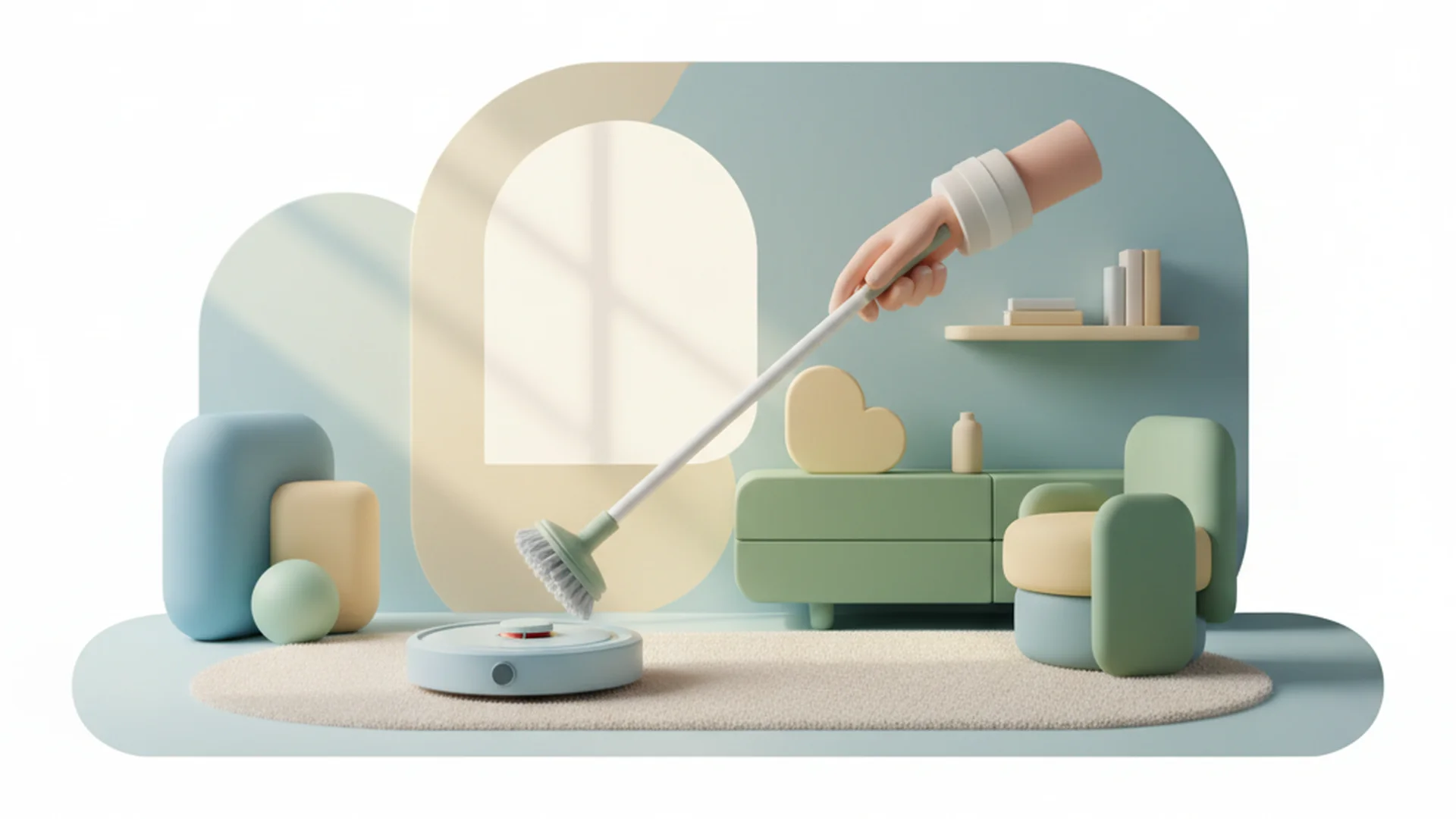
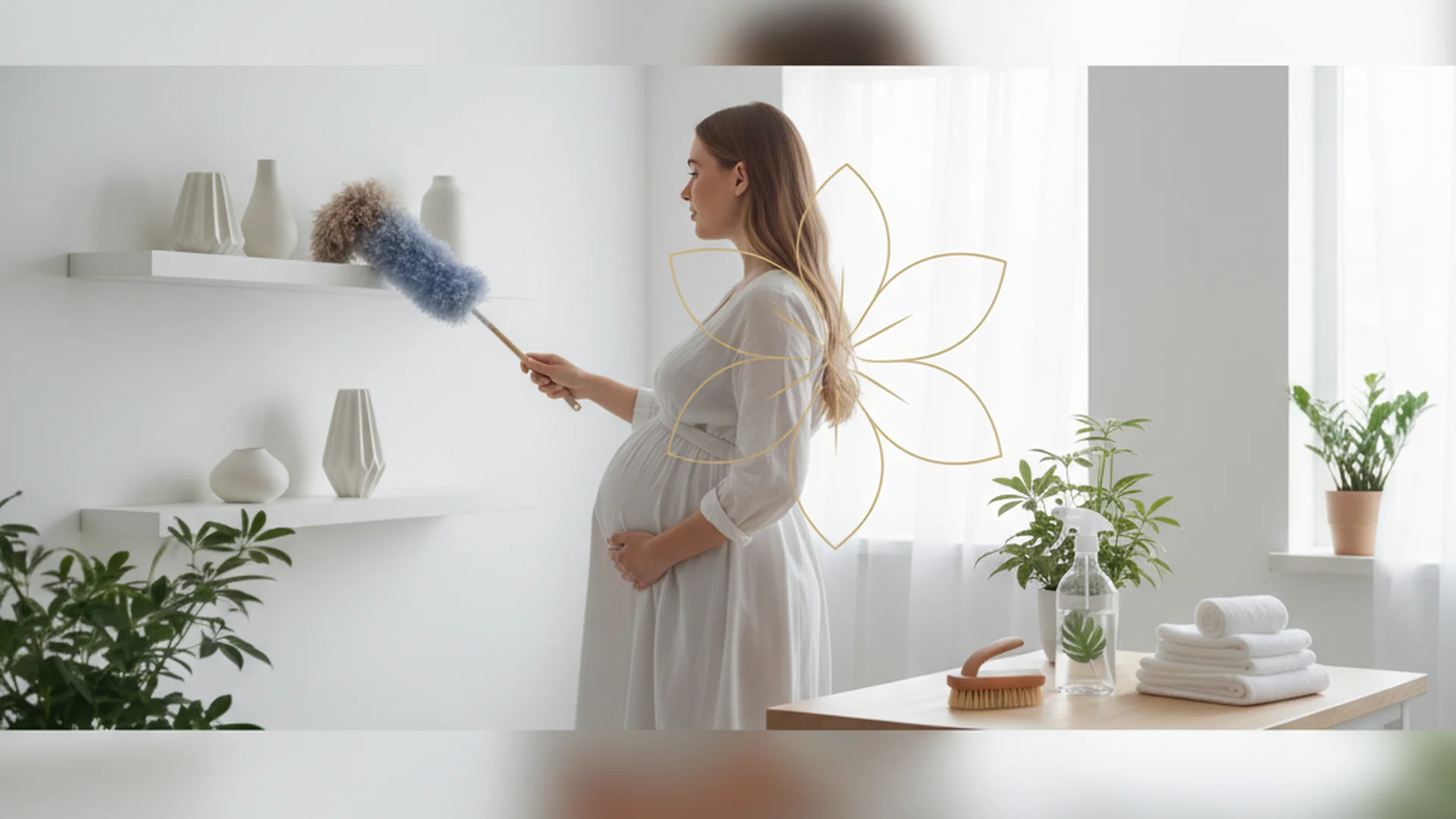
- Long-Handled Tools: Use extendable dusters and mops to avoid bending over. This protects your lower back and prevents the compression of your abdomen.
Trimester 3: The Fatigue & Nesting Phase
As you approach your due date, the "nesting" instinct peaks, but your physical stamina is at its lowest.
- Micro-Cleaning: Instead of a four-hour deep clean, work in 15-minute bursts.
- Sanitization Zones: Focus your energy solely on the areas the baby will touch, such as the crib, changing table, and nursery floors.
- Delegate Heavy Lifting: Moving furniture to vacuum underneath is officially off-limits.
Tip: If you feel "nesting" energy kicking in during the third trimester, use it to organize light items (like baby clothes) rather than performing heavy scrubbing.
Modern Cleaning While Pregnant Hacks
Cleaning smarter, not harder, is the goal. Use these cleaning while pregnant hacks to maintain your home with minimal physical strain.
The "Broom-Cloth" Hack for Baseboards
Bending down to wipe baseboards is a recipe for back pain. Instead, take a damp microfiber cloth and wrap it around the head of a standard broom. Secure it with two large rubber bands. You can now "sweep" your baseboards clean while standing perfectly upright.
The Personal Protective Equipment (PPE) Rule
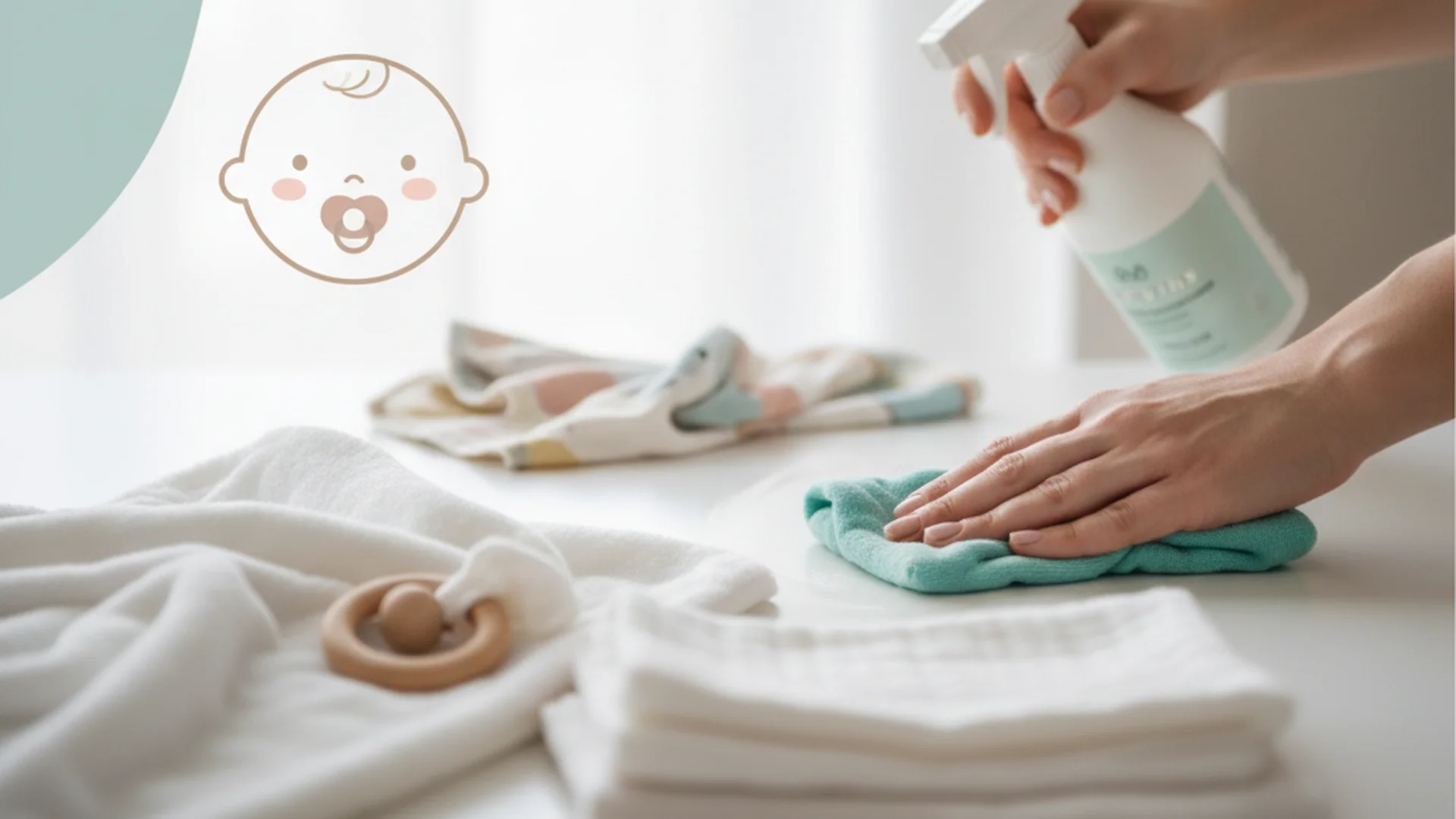
Pregnancy makes your skin more permeable and significantly more prone to contact dermatitis. Even when using mild soaps, always wear high-quality nitrile gloves. If you are cleaning an area with dust or using a spray bottle, wearing a lightweight mask prevents the inhalation of aerosolized particles.
| Task | Safety Equipment | Risk Level |
|---|---|---|
| Dusting | Mask & Gloves | Low |
| Mopping | Non-slip Shoes | Medium |
| Oven Cleaning | Full Ventilation & Mask | High |
| Changing Litter | DO NOT DO | High |
Note: If you must use a spray cleaner, spray it onto the cloth rather than the surface. This reduces the amount of chemical mist that stays in the air for you to breathe.
2025–2026 Trends: The Future of Safe Cleaning
The cleaning industry has evolved rapidly to support expectant parents. These recent trends make cleaning while pregnant tips easier to follow than ever before.
Probiotic & Microbiome-Friendly Cleaners
A major trend for 2026 is the move away from "killing 99.9% of germs." New probiotic cleaners use beneficial bacteria to crowd out harmful pathogens. These are considered much safer for fetal development as they leave no toxic residues and help establish a healthy home microbiome before the baby arrives.
AI-Powered Automation
High-end robot vacuums have become essential pregnancy gear. Modern 2025 models, such as the Roborock Saros 10R or Ecovacs Deebot X11, feature self-washing and drying docks. This means you never have to lift a heavy vacuum canister or touch dirty mop water—the robot handles the entire cycle autonomously.
The Rise of Steam Sanitization
Steam mops, like the Bissell PowerFresh series, are the gold standard for 2025. They sanitize floors using only heat and water, completely eliminating the need for floor detergents that can leave sticky, chemical-laden films where your baby will eventually crawl.
Common Mistakes to Avoid
Even with the best intentions, many expectant parents fall into these common traps.
- Cleaning Mold Yourself: Mold spores release mycotoxins that are particularly hazardous during pregnancy. Mold remediation should always be handled by a professional or a non-pregnant partner.
- The "Natural" Fallacy: Just because a label says "natural" doesn't mean it’s safe. Certain essential oils like Cinnamon, Clove, and Rosemary can cause uterine contractions if used in high concentrations.
- Holding Your Breath: Many people hold their breath while spraying cleaners, thinking it protects them. However, tiny particles remain aerosolized for hours. It is better to wear a mask and leave the room for 20 minutes after spraying.
- Scrubbing on All Fours: This position puts extreme pressure on your back and can lead to dizziness. Always use tools that allow you to stand or sit comfortably.
Warning: If you have a cat, you must delegate the cleaning of the litter box. Toxoplasmosis, a parasite found in cat feces, can cause severe vision loss or mental disabilities in a developing fetus.
Frequently Asked Questions
Is it safe to use bleach while pregnant?
Can I clean the bathroom safely?
What should I do if I inhale strong cleaning fumes?
Are "baby-safe" cleaners worth the extra cost?
Conclusion: Creating a Healthy Home
Cleaning while pregnant doesn't have to be a source of anxiety. By understanding the risks associated with certain chemicals and embracing the ergonomic tools available in 2025, you can maintain a beautiful, hygienic home for your growing family. Remember that your health and the health of your baby are more important than a spotless floor. When in doubt, simplify your routine, lean on technology, and never hesitate to delegate the "heavy lifting" to someone else.
Success: By switching to steam cleaning and probiotic solutions, you are creating a chemically safe environment that supports your baby's developing immune system from day one.
Cleaning that keeps score
Every task earns points, every streak multiplies them, and Premium adds a household leaderboard plus a monthly Dustagorgon to beat.
- Free forever
- 30 badges to earn
- Up to 6 in a household
No card needed. Set up your rooms in a couple of minutes.