In this article
What you’ll learn
- Tiny houses require frequent micro-cleaning rather than weekly marathons.
- Indoor air quality management is critical due to airtight construction.
- Multi-purpose, eco-friendly tools are essential for saving storage space.
Living in a tiny home is a dream for many, offering financial freedom and a minimalist lifestyle. However, anyone who has spent more than 24 hours in under 400 square feet knows the reality: cleaning tiny house spaces is fundamentally different from maintaining a traditional suburban home. In a small space, a single coffee mug on the counter or a pair of shoes by the door doesn't just look untidy—it makes the entire house feel "trashed."
While the reduced square footage means you can physically reach every corner of your home in just a few steps, the "visibility" of mess is significantly higher. Dust settles faster on concentrated surfaces, and moisture can become a structural threat in hours rather than days. This guide will walk you through the professional strategies needed to keep your small sanctuary spotless, healthy, and organized.
The Tiny House Cleaning Paradox
One of the most surprising statistics in the industry is the "Frequency Paradox." Residents in small spaces actually clean more frequently than those in large homes, but for significantly shorter durations. While a deep clean for a 1,500 sq. ft. home can take between 6 and 10 hours, a deep clean for a tiny house usually takes only 2 to 4 hours.
However, because the "visual threshold" for clutter is so low, plenty of tiny home owners find themselves cleaning daily. A 15-minute "reset" in a tiny home is the equivalent of a two-hour Sunday chore session in a traditional house.
Note: Because tiny houses are often built to be airtight for maximum energy efficiency, they experience a 2x–3x faster buildup of CO2 and humidity. This makes cleaning vents and windows a health priority, not just an aesthetic one.
The Daily Reset: Your 15-Minute Sanity Saver
In a tiny home, "clutter-creep" is your biggest enemy. To combat this, professional consultants recommend a daily visual reset. This isn't a deep scrub; it’s a strategic return of all items to their designated "homes."
- The Kitchen Clear: Clear and dry the sink completely. In a small space, the sink is often the visual centerpiece of the main floor.
- Surface Sweep: Wipe down the main loft ladder, the kitchen counter, and the multi-purpose dining/work table.
- The "One-In, One-Out" Check: Did you buy a new book today? Then an old one must go to the "donate" bin. This prevents the physical expansion of belongings that makes cleaning impossible.
Success: Spending just 15 minutes every night returning items to their designated spots significantly reduces morning anxiety and keeps the space feeling expansive.
Step-by-Step Tiny House Cleaning Guide
To clean efficiently, you must adopt a vertical cleaning strategy. In a tiny home, dust has fewer places to land, so it settles quickly on your main living surfaces.
Step 1: Lofts and High Surfaces
Always start at the highest point. If you have a sleeping loft, begin there. Dust the railings, the edges of the loft floor, and any ceiling fans or skylight ledges. Use a telescopic duster to reach the apex of your roofline.
Step 2: The Vertical Transition
As you move down, focus on the loft ladder or stairs. These are high-traffic zones that collect skin cells and fabric fibers. Wipe down the handrails and vacuum the treads.
Step 3: The Main Living Area
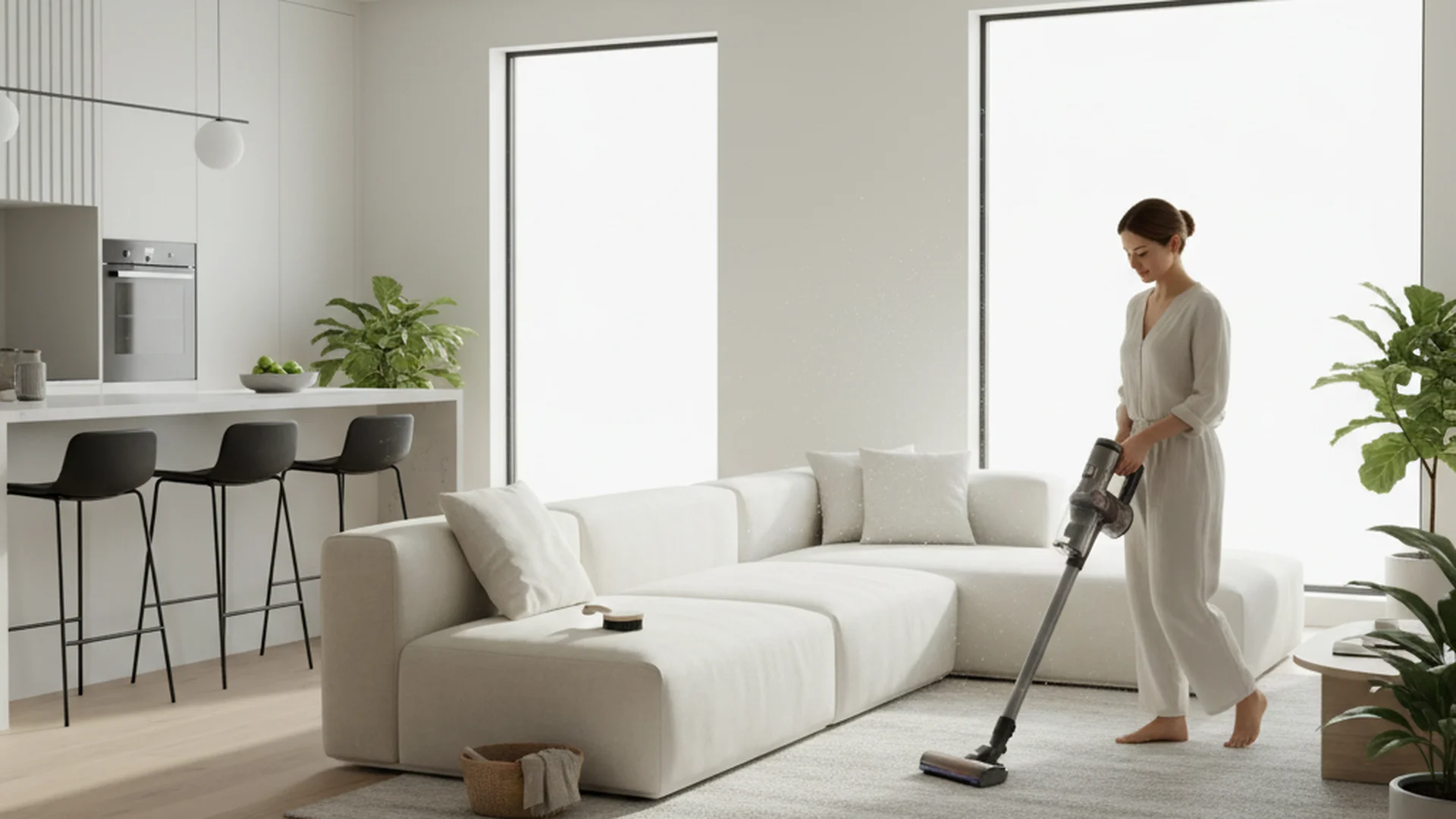
In the main area, focus on multi-functional furniture. If your sofa has built-in storage, vacuum the crevices. Use a lightweight, cordless stick vacuum—these are the gold standard for tiny house living because they don't require bulky cord management in tight quarters.
Step 4: Kitchen and Bathroom Sanitization
Because tiny houses often use graywater systems or composting toilets, your cleaning products matter. Use mild, biodegradable cleaners to ensure you don't disrupt the bacterial balance of your waste systems.
| Area | Recommended Frequency | Key Tool |
|---|---|---|
| Loft Bedding | Weekly | Handheld Vacuum |
| Kitchen Sink | Daily | Microfiber Cloth |
| Windows/Vents | Bi-Weekly | Squeegee / HEPA Vac |
| Floors | Every 2 Days | Robot Vacuum / Steam Mop |
Essential Cleaning Tools for Small Spaces
When space is at a premium, you cannot afford a closet full of specialized chemicals. By 2025, the "green cleaning" market is expected to account for 30% of total industry revenue, a trend heavily driven by the tiny house community.
- Steam Mops: These are trending as a chemical-free way to sanitize. They use only water, which is safer for the limited air volume of a tiny house and highly effective at reaching tight corner crevices.
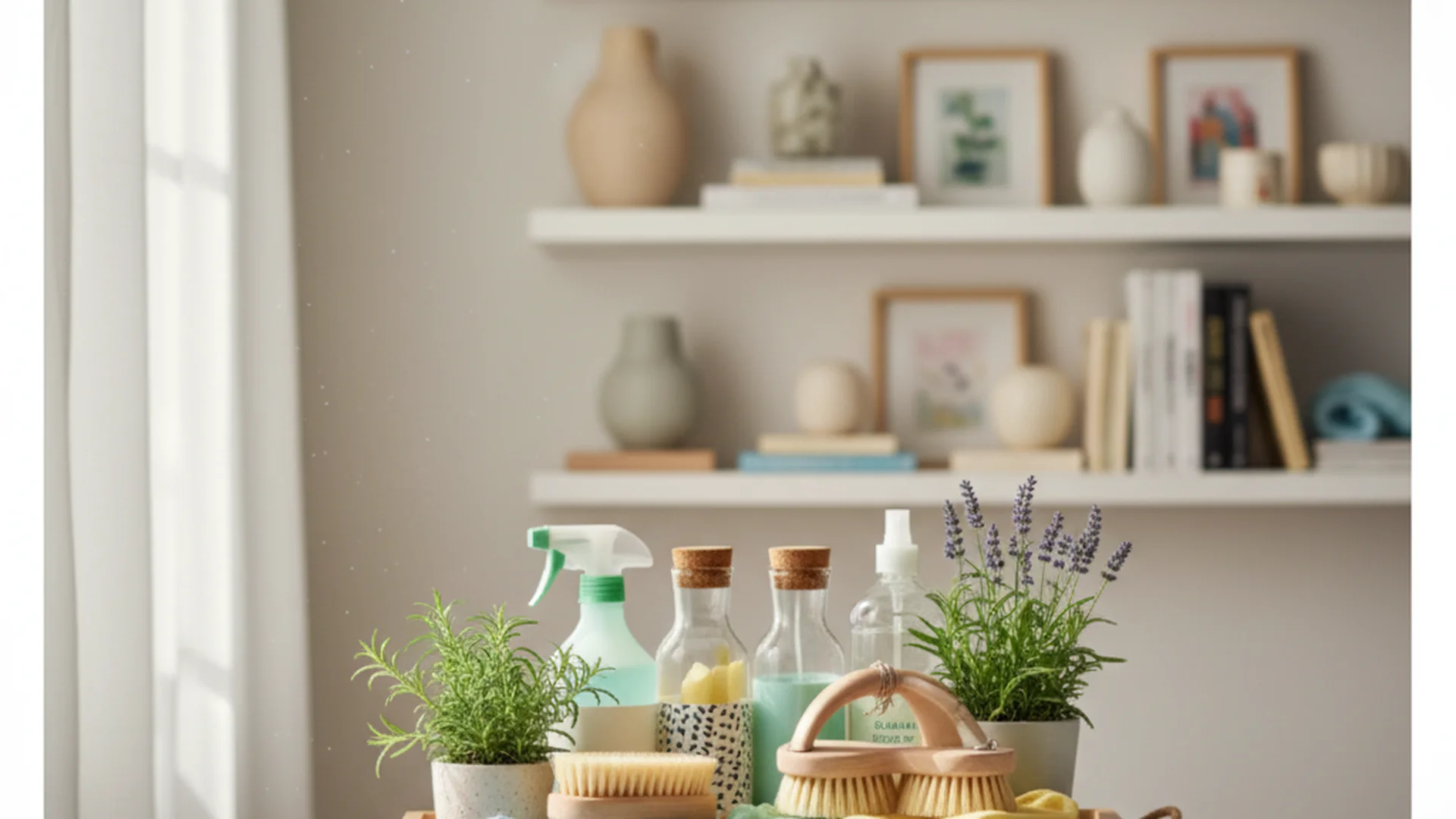
- Cleaning Concentrates: Instead of buying ten different plastic bottles, use one high-quality concentrate that you can dilute in glass spray bottles. This saves massive amounts of "toe-kick" or under-sink storage space.
- Magnetic Caddies: Utilize the vertical surfaces of your fridge or metal backsplash to store your most-used spray bottles and brushes.
Tip: Use DIY solutions like vinegar, water, and essential oils. This not only saves money and space but also prevents the buildup of toxic fumes in airtight environments.
Common Mistakes to Avoid
Even seasoned cleaners can struggle with the unique demands of a micro-dwelling. Avoid these common pitfalls:
- The "Once a Week" Trap: Waiting for the weekend to clean is the biggest mistake you can make. In a tiny home, a week’s worth of mess is overwhelming and physically intrusive. Clean in "micro-bursts" throughout the day.
- Using Harsh Chemicals: In a small, airtight space, the fumes from bleach or ammonia can reach toxic levels much faster than in a large home. Always prioritize ventilation when using any cleaning agent.
- Neglecting Hidden Dust Magnets: Areas like the "toe-kick" under cabinets, the space behind a composting toilet, and the narrow gaps behind appliances are often missed. These areas trap dust and moisture, leading to poor indoor air quality.
- Ignoring the "No-Shoes" Policy: 80% of household dirt is tracked in from outside. In a tiny home, there is no "mudroom" buffer. A strict no-shoe policy and dual doormats (inside and outside) are essential.
Warning: Failure to use dehumidifiers or exhaust fans during cleaning can trap moisture from mopping, leading to mildew in "dead air" spots like closets.
2026 Trends: The Future of Tiny House Maintenance
As we move into 2026, technology is making tiny house maintenance even simpler.
AI-Assisted Cleaning Schedules: Many homeowners are now using AI tools to generate custom cleaning checklists based on their specific layout. For example, an AI can track your local pollen counts and remind you to clean your window screens and HEPA filters on high-count days.
Organization as Self-Care: There is a growing shift toward viewing a clean home as a mental health tool. This "mindful tidying" focuses on the peace of a minimalist environment. In a tiny house, the link between a clean floor and a clear mind is immediate and powerful.
Frequently Asked Questions
How do I clean high lofts and ceilings?
How do I prevent mold in such a small space?
Where do I store all my cleaning supplies?
Is a robot vacuum worth it in a tiny house?
Conclusion
Cleaning a tiny house isn't just about hygiene; it's about maintaining the lifestyle of freedom and simplicity you've worked so hard to achieve. By embracing frequent "micro-cleans," prioritizing indoor air quality, and using multi-purpose eco-friendly tools, you can ensure your small space remains a sanctuary rather than a source of stress.
Remember, in a tiny home, every square inch matters. Treat your space with the care a precision instrument deserves, and it will provide you with a healthy, peaceful environment for years to come.
Cleaning that keeps score
Every task earns points, every streak multiplies them, and Premium adds a household leaderboard plus a monthly Dustagorgon to beat.
- Free forever
- 30 badges to earn
- Up to 6 in a household
No card needed. Set up your rooms in a couple of minutes.