In this article
What you’ll learn
- Focus on 'selective neglect' to prevent parental burnout.
- Use probiotic cleaners for 72-hour surface protection.
- Implement the 15-minute micro-cleaning rule to manage the mental load.
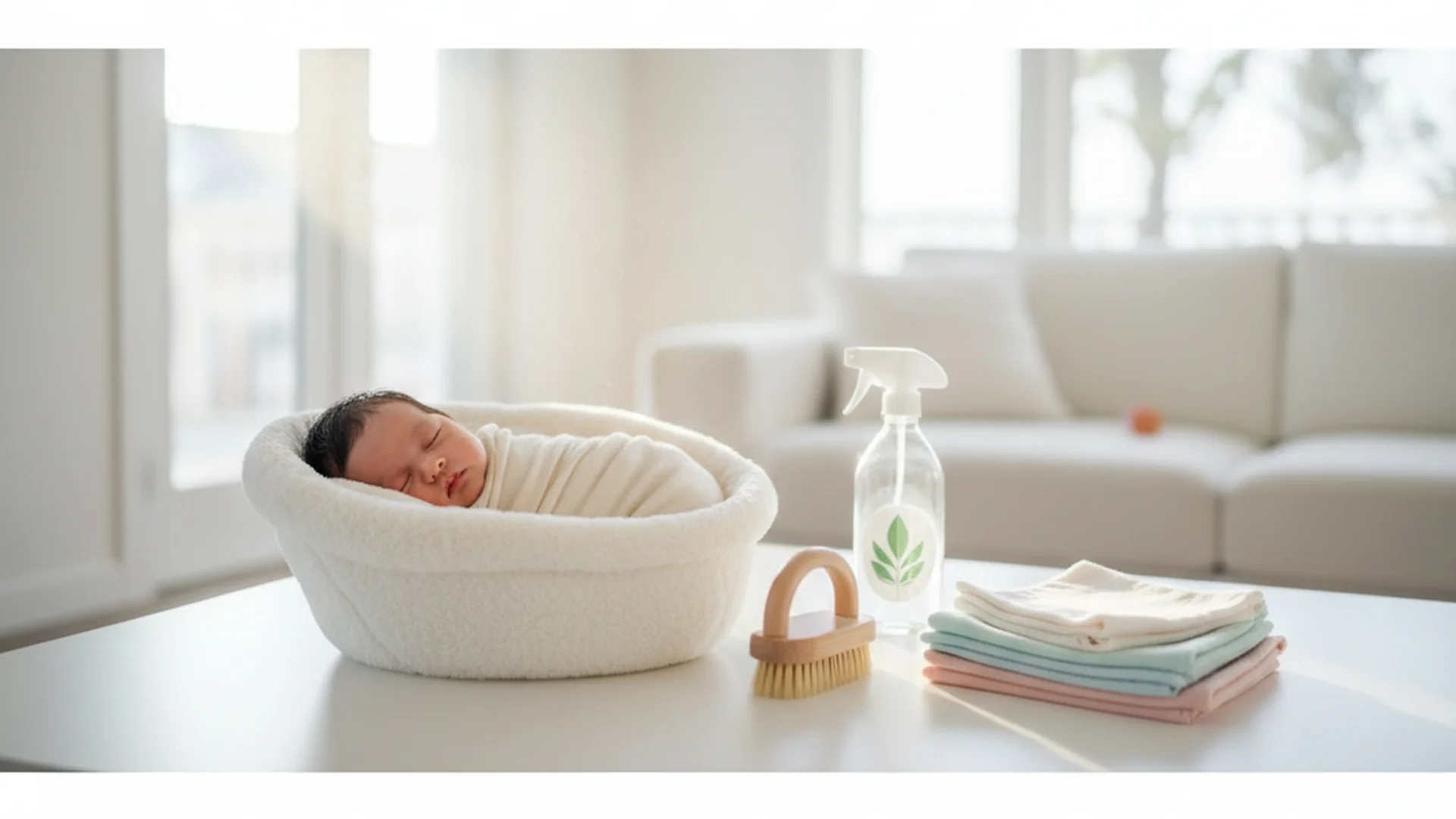
The transition to parenthood is often described as a whirlwind of joy, but for many, it feels more like being buried under a "laundry mountain" that never stops growing. Between the midnight feedings and the constant diaper changes, maintaining a pristine home can feel impossible. However, establishing a realistic cleaning schedule for a new baby isn’t about achieving perfection; it’s about reclaiming your sanity and creating a safe, healthy environment for your growing family. In 2026, we’ve moved past the era of "bleaching everything" and entered a phase of smarter, microbiome-friendly home management that prioritizes the well-being of both the infant and the exhausted parent.
The Invisible Labor: Understanding the Mental Load
Before we dive into the specific tasks of a cleaning routine for baby, we must address the "elephant in the room": the mental load. Modern mothers spend a staggering share of every year managing the cognitive labor of the household. This includes the constant scanning of the room for hazards, remembering when the crib sheets were last changed, and ensuring the "non-toxic" dish soap hasn't run out.
The gender gap remains a significant hurdle. Mothers still handle the lion's share of daily cleaning tasks, and while many fathers believe they are contributing equally, in practice they usually take on far less of the actual housework. Recognizing this imbalance is the first step toward a functional schedule. A successful cleaning plan isn’t just a list of chores; it’s a delegation strategy that stops an already exhausted mother from reaching a breaking point.
The 2026 Paradigm Shift: Cleanliness vs. Sterility
In 2026, the way we define a "clean" nursery has changed. We are no longer aiming for a sterile, hospital-like environment. The "Hygiene Hypothesis" has gained significant traction, suggesting that over-sanitization can actually hinder a baby's immune system development.
Instead of traditional heavy-duty disinfectants, plenty of parents now opt for "health safety" over total sterilization. This involves the use of probiotic cleaners. Unlike bleach, which kills 99.9% of bacteria and leaves a surface "naked" for new, potentially harmful germs to land on, probiotic cleaners populate surfaces with beneficial bacteria. These "good" microbes continue to clean and protect the surface for up to 72 hours, providing a biological shield that is much safer for a crawling infant.
Tip: Look for "Microbiome-Friendly" or "Plant-Based" certifications on cleaning labels. These are the 2026 industry standards for infant safety.
The Micro-Cleaning Method: The 15-Minute Rule
The biggest mistake new parents make is trying to schedule "weekend cleaning marathons." When you are sleep-deprived, a four-hour cleaning session is not only daunting—it’s physically impossible. Instead, we recommend the Micro-Cleaning Method.
This approach breaks the house down into high-impact zones. You don't clean the house; you clean a zone for 15 minutes.
How to Use the Timer Technique
Set a timer for 15 minutes. This gamification helps overcome the "executive dysfunction" that often accompanies postpartum exhaustion. You aren't committing to a clean house; you are committing to 15 minutes of activity.
- Example 1: The Kitchen Sprint. Focus only on clearing the sink and wiping the bottle prep area.
- Example 2: The Living Room Reset. Spend 15 minutes clearing toys off the floor so the robot vacuum (or your future stair-climbing vacuum) can run efficiently.
- Example 3: The Nursery Zone. Sanitize the changing table and restock the diaper caddy.
Success: Completing just one 15-minute sprint a day takes the edge off your mornings by ensuring you don't wake up to a chaotic environment.
Your Realistic Cleaning Schedule Template
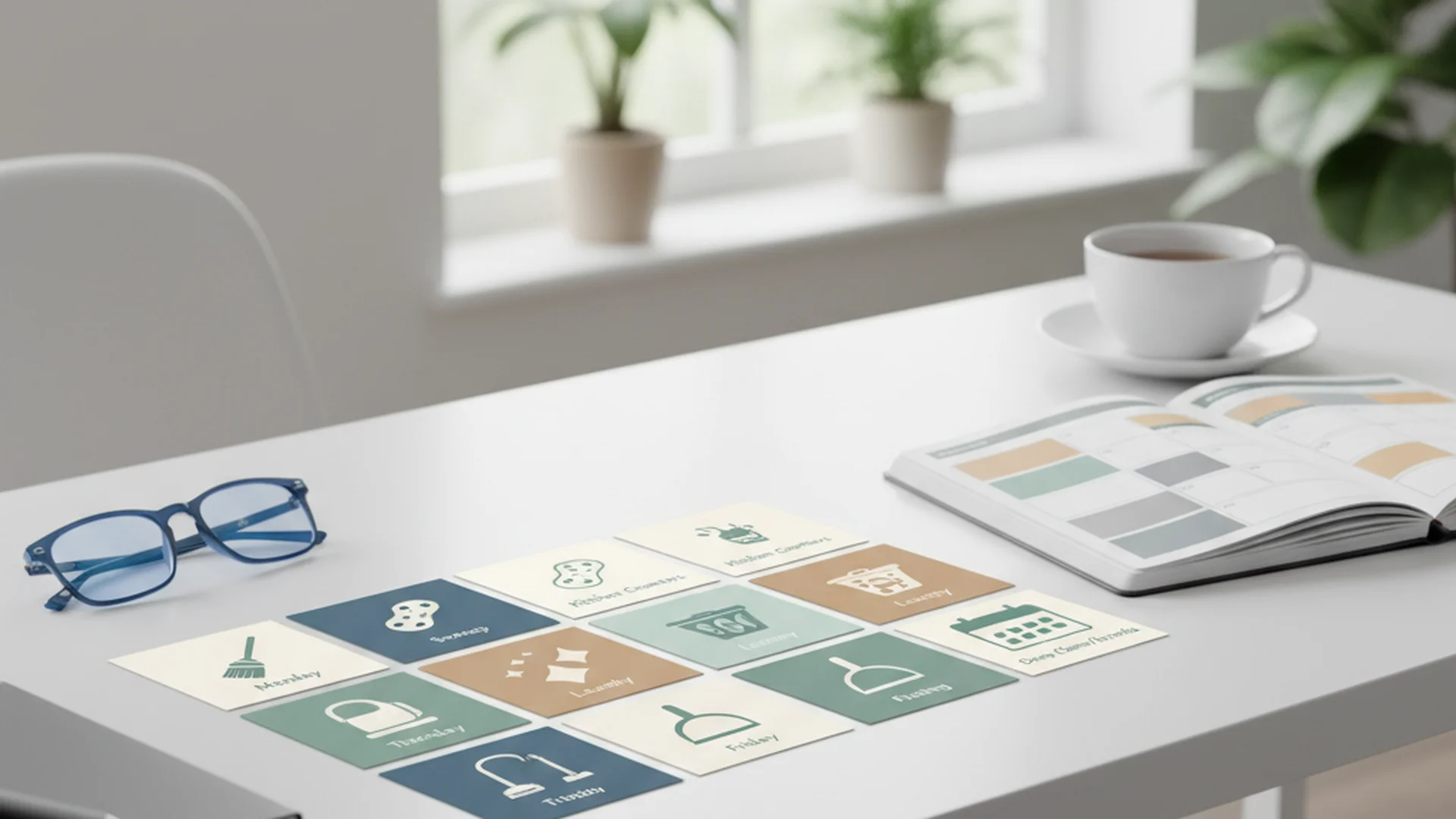
To make your cleaning routine for baby manageable, we have broken tasks down by frequency. This ensures that high-touch areas remain hygienic while lower-priority tasks don't drain your limited energy.
| Frequency | Task | Priority Level |
|---|---|---|
| Daily | Sanitize bottle prep area & Highchair | High |
| Daily | 10-minute Nightly Reset (Living Room) | Medium |
| Every 2-3 Days | Baby Laundry (Crib sheets/onesies) | High |
| Weekly | Vacuum/Mop floors (Crawl zones) | High |
| Weekly | Dusting (Nursery surfaces) | Low |
| Monthly | Deep clean diaper pail & Stroller | Medium |
Warning: Avoid cleaning products with "fragrance" or phthalates, as these can trigger respiratory issues in newborns.
Leveraging 2026 Technology
Technology has become the new parent's best friend in maintaining a home. We are seeing a massive shift toward automation that actually works.
AI Room Scans and Smart Apps
Apps like Hometasker or CleanAI now allow you to scan a room with your phone camera. The AI detects clutter levels and suggests a "customized efficiency path." If you only have 10 minutes, the app will tell you exactly which three items to move to make the biggest visual and hygienic impact.
Automation for Multi-Floor Homes
The "stair-climbing vacuum" is the breakout star of 2026. Previewed at recent tech shows, these devices finally eliminate the need for parents to haul heavy vacuums between floors. Pairing this with a subscription model for sustainable refills (like Blueland or Grove) ensures that you never run out of supplies, further reducing that enormous mental load.
Note: Subscription kits aren't just about the products; they are about removing the "remembering to buy" step from your brain.
Common Mistakes to Avoid
Even with the best intentions, it's easy to fall into traps that lead to burnout.
1. Over-Sanitizing Everything
While you should sanitize bottles daily for the first three months, you do not need to bleach every toy the baby touches. Targeted hygiene is the goal. Focus on the changing table and food areas; let the rest of the house breathe with probiotic or mild soap cleaners.
2. The "Hero" Complex
Many parents try to maintain their pre-baby "show home" standards. This is a recipe for a mental health crisis. Embrace Selective Neglect. It is perfectly acceptable if your guest bedroom is dusty or your baseboards haven't been wiped in six months, as long as the areas where the baby eats and sleeps are safe.
3. Neglecting the "Parent Zone"
New parents often pour all their energy into the nursery while living in a chaotic master bedroom or kitchen. Your stress levels are far more closely tied to the environments you actually spend time in. Don't forget to clear your own nightstand during your 15-minute reset.
4. Gatekeeping and the "Help" Myth
A common misconception is that "dads don't know how to help." Often, this is a result of the primary caregiver "gatekeeping" or the secondary caregiver waiting to be told what to do.
- Solution: Use a shared app like Tody or Sweepy. This moves the "to-do list" from your brain to a digital interface that both partners can see. No one has to "ask" what needs to be done; the app provides the instructions.
Frequently Asked Questions
How often should I sanitize baby bottles?
Is my house "too clean" for my baby's immune system?
How do I clean with a newborn when I'm exhausted?
What cleaning products are safe for newborns?
Conclusion
Creating a cleaning schedule for a new baby is less about the actual scrubbing and more about managing your energy and environment. By shifting toward probiotic cleaning, embracing the 15-minute micro-cleaning method, and utilizing AI-driven tools, you can maintain a healthy home without sacrificing your mental well-being. Remember that your baby needs a happy, present parent more than they need a dust-free bookshelf. Give yourself the grace to practice selective neglect, and focus on the "Nightly Reset" to keep the chaos at bay.
Success: A balanced approach to cleaning leads to lower stress, better sleep, and a healthier environment for your child's developing immune system.
Cleaning that keeps score
Every task earns points, every streak multiplies them, and Premium adds a household leaderboard plus a monthly Dustagorgon to beat.
- Free forever
- 30 badges to earn
- Up to 6 in a household
No card needed. Set up your rooms in a couple of minutes.