In this article
What you’ll learn
- A clean environment lowers stress and improves academic focus.
- Micro-cleaning for 10 minutes daily is more effective than "Saturday marathons."
- Using digital chore apps prevents roommate conflicts and ensures shared accountability.
Walking into a cluttered dorm room after a grueling three-hour lecture is a recipe for instant burnout. For many, the transition to university life is the first time they are solely responsible for their environment. However, establishing a consistent cleaning schedule for college students is not just about aesthetics—it is a fundamental component of academic success.
Physical clutter in your surroundings competes constantly for your attention. This unrelenting visual stimuli taxes your brain, leading to decreased performance and significantly higher stress levels. In the high-stakes world of midterms and finals, your room should be a sanctuary for focus, not a source of anxiety. As a professional cleaning consultant, I have seen how a structured routine can transform a chaotic living space into a high-performance hub.
The Science of a Clean Study Space
Before we dive into the specific tasks, it is vital to understand why hygiene matters in a collegiate setting. Beyond the mental health benefits, there is a literal "health" factor. Common student items like keyboards, reusable water bottles, and laptop screens harbour a startling amount of bacteria.
In a cramped dorm or a shared apartment, germs spread with alarming speed. When you implement a regular cleaning routine student habits become a shield against the "dorm flu" and other seasonal illnesses that can derail a semester. Most students feel noticeably more productive when their space is tidy. By managing your environment, you are essentially managing your GPA.
The Essential Student Cleaning Kit
You do not need a professional janitor’s closet to keep your space clean. In fact, in a small dorm, less is more. For the 2025-2026 academic year, the trend has shifted toward "concentrated" and "multi-use" products to save space and reduce plastic waste.
The Bare Minimum Supplies
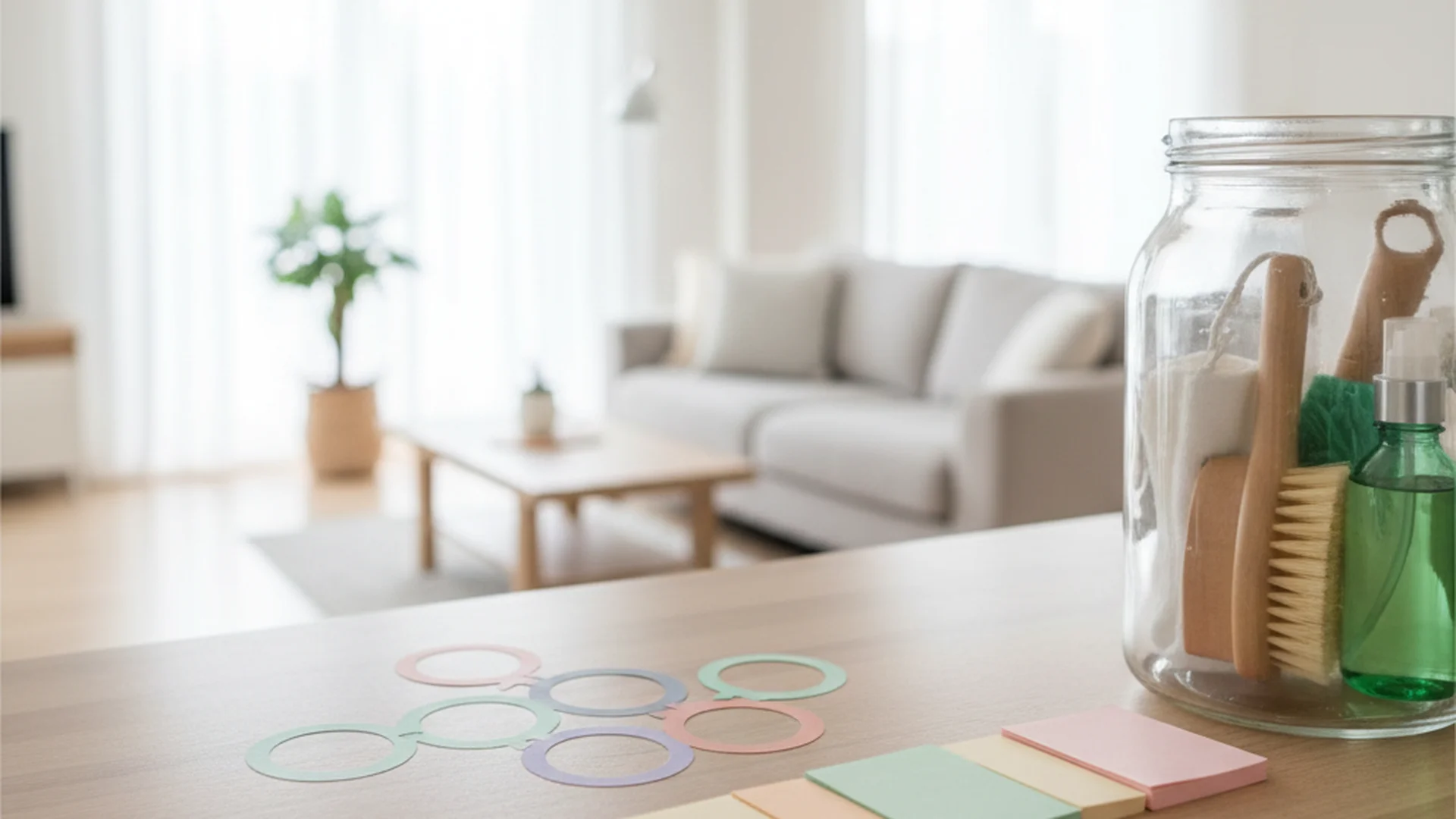
- All-Purpose Cleaner: Look for concentrated tabs (like Blueland) that you can drop into a reusable glass bottle.
- Microfiber Cloths: These are superior to paper towels as they trap dust rather than pushing it around.
- A Small Vacuum or Broom: If you have carpet, a budget-friendly robot vacuum (like a Lefant) can automate this entirely.
- Disinfecting Wipes: Essential for a quick "Closing Shift" wipe-down of high-touch electronics.
- Dish Soap and a Bottle Brush: Specifically for those reusable water bottles that act as biofilm magnets.
Tip: Store all your supplies in a portable caddy. This makes it easy to carry them to a communal bathroom or move them around a shared suite without losing your spray bottles.
The Layered Cleaning Schedule
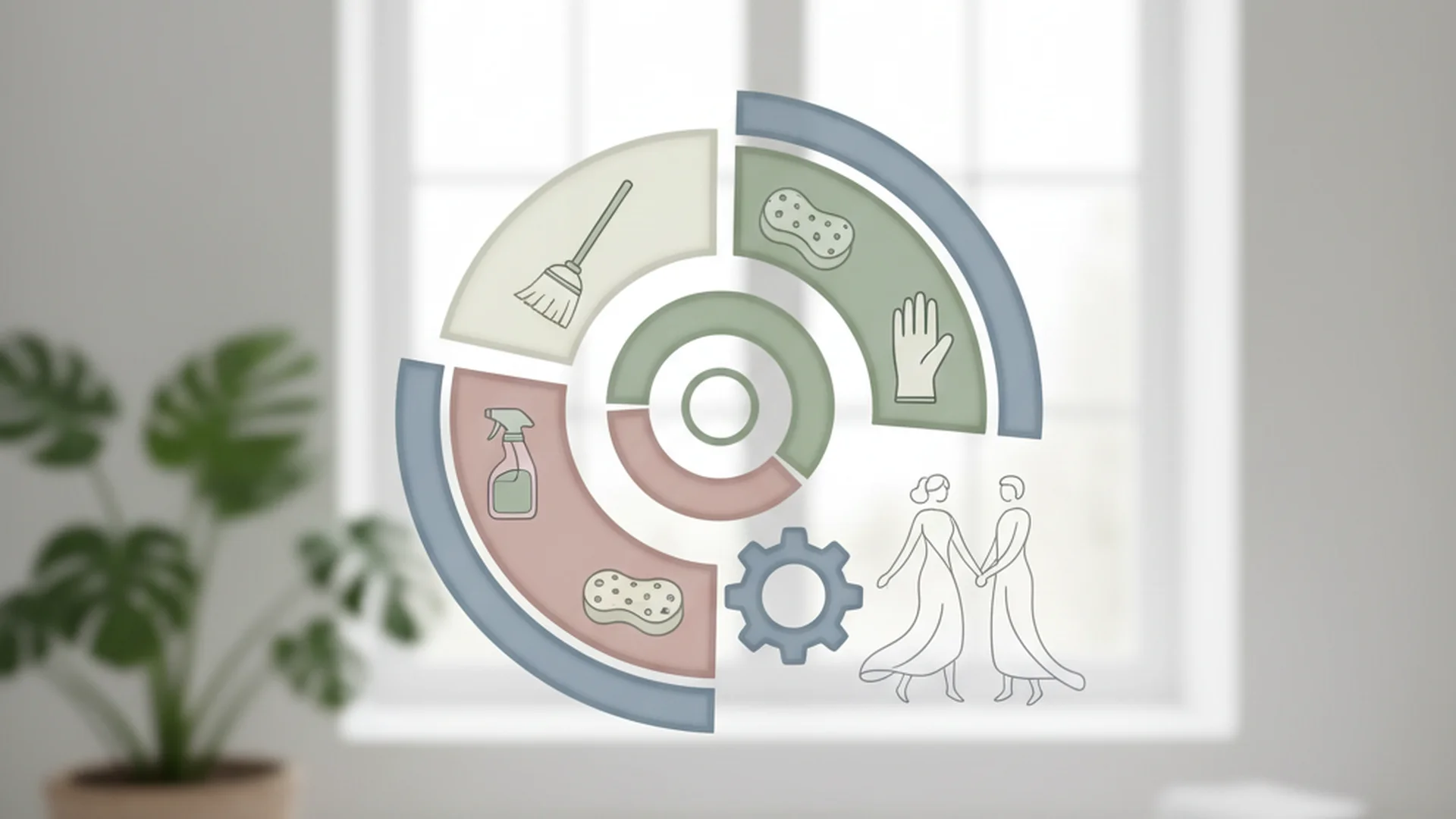
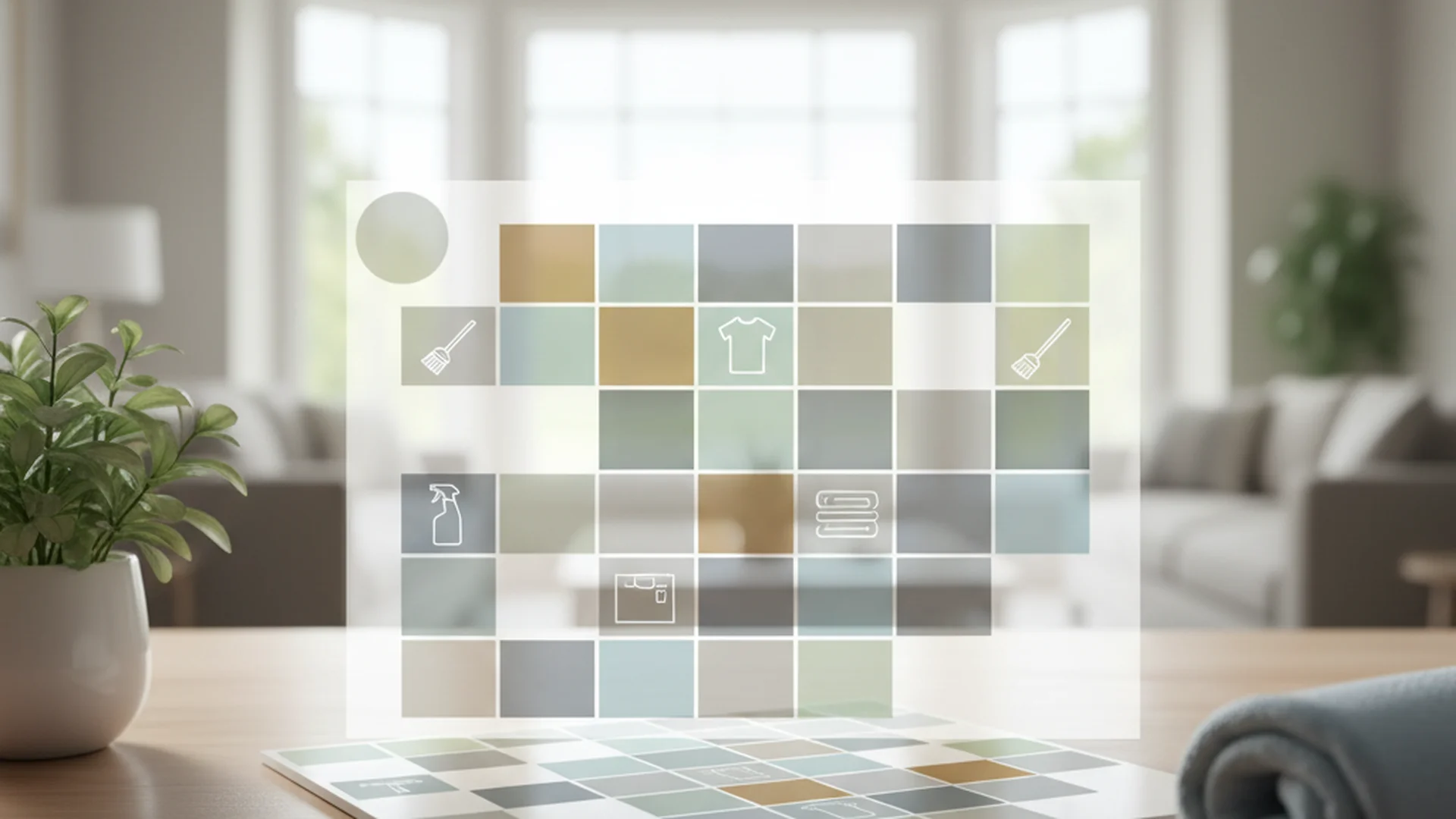
The biggest mistake students make is the "Saturday Marathon"—ignoring the mess for six days and spending five hours of their weekend scrubbing. This is unsustainable. Instead, I recommend a layered approach that integrates cleaning into your existing daily habits.
Daily: The "5-Minute Reset"
This is about maintaining the baseline. If you do these three things, your room will never "feel" dirty, even if it’s been a week since you vacuumed.
- Make the Bed: It takes 60 seconds but sets a psychological tone of order for the entire day.
- Clear Horizontal Surfaces: Desks and nightstands are "clutter magnets." At the end of your study session, put your pens, notebooks, and laptops away.
- The Food Trash Rule: Never leave food waste in your room overnight. Take it to the hallway or kitchen bin to prevent pests.
Weekly: The "Sunday Power Hour"
Dedicate one hour every Sunday (or your least busy day) to handle the tasks that accumulate over a week.
- Laundry: Wash your sheets, towels, and clothes. Skin cells and oils build up on bedding, which can lead to "dorm acne."
- Floor Maintenance: Vacuum the high-traffic areas and, crucially, under the bed where "dust bunnies" thrive.
- The Fridge Purge: Check for expired leftovers. If it’s been there since Tuesday, toss it before it creates a permanent odor.
- Sanitization: Wipe down your phone, keyboard, and doorknobs. These are the primary vectors for illness.
Monthly: The "Deep Dive"
Once a month, spend 30 minutes on the areas that are "out of sight, out of mind."
- Appliance Care: Clean the inside of the microwave (steam a bowl of water and vinegar for 5 minutes to loosen gunk) and wipe down the fridge shelves.
- Dusting: Target ceiling fans, window sills, and the tops of mirrors.
- Bathroom Scrub: If you share a bathroom, this is the time to scrub the shower floor and the base of the toilet.
Warning: Never mix cleaning chemicals, especially bleach and ammonia-based glass cleaners. This can create toxic chloramine gas, which is extremely dangerous in small, poorly ventilated dorm rooms.
Navigating Roommate Relations
"Cleanliness and chores" are among the most common flashpoints in roommate disputes. The "I’ll do it later" mentality is the fastest way to ruin a friendship.
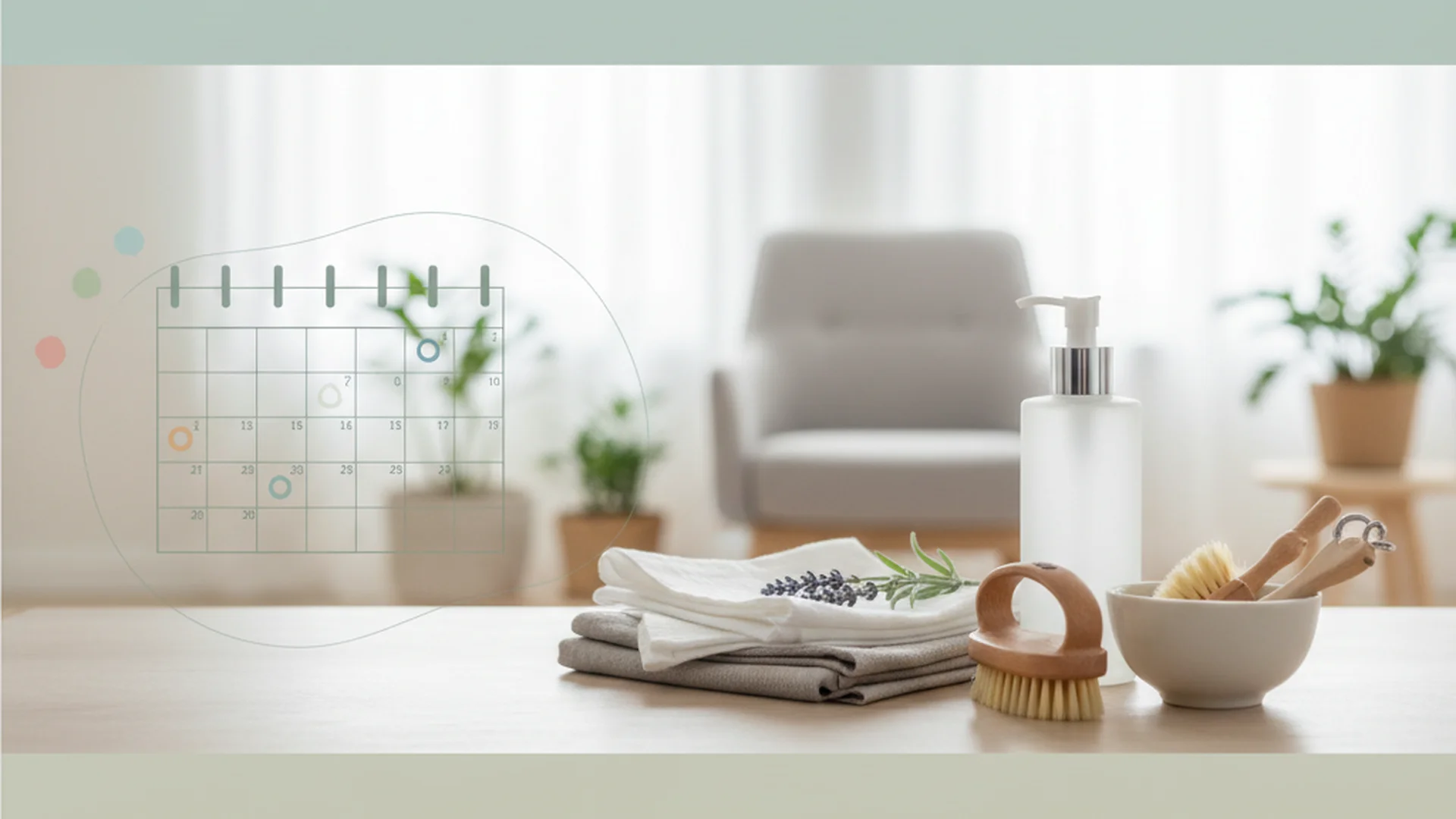
To keep the peace, I recommend moving away from verbal agreements and toward digital accountability. Use a "Roommate Agreement" or a shared chore app like Tody or Sweepy. These apps gamify the process and send notifications, removing the need for you to "nag" your roommate.
Success: Students who use digital chore trackers tend to argue far less about household maintenance than those relying on informal verbal agreements.
2025 Trends: The "Closing Shift" and Aesthetic Cleaning
Social media, specifically "CleanTok," has revolutionized how students view chores. The most popular trend for 2025 is the "Closing Shift" routine.
Treat your dorm like a retail shop or a cafe. Before you go to sleep, perform a 10-minute "closing shift." Wash your coffee mug, wipe your desk, and prep your coffee maker for the morning. This ensures that your "opening shift" (waking up) starts in a clean, functional environment.
Additionally, we are seeing a rise in "Functional Fragrance." Instead of using harsh bleach that smells like a hospital, students are using essential oil diffusers or soy candles (if permitted). Using citrus scents during the day can aid focus, while lavender helps signal to your brain that it’s time to transition from "student mode" to "sleep mode."
Common Mistakes to Avoid
Even with the best intentions, many students fall into these cleaning traps:
- Mistake: Using Too Much Product: More bubbles do not mean more clean. Excessive soap leaves a sticky residue that actually attracts more dust and hair.
- Mistake: The Air Freshener Fallacy: Spraying "Linen Fresh" spray over a pile of dirty laundry doesn't remove the bacteria causing the smell. It just creates a "floral-scented gym sock" aroma.
- Mistake: Neglecting the Water Bottle: Your Stanley or Hydroflask needs more than a rinse. Biofilm (a slimy layer of bacteria) builds up quickly. Scrub it with hot, soapy water daily.
- Mistake: Cleaning from Bottom to Top: Always clean from the highest point to the lowest. If you dust your desk after you vacuum, the dust will simply fall onto your clean floor, forcing you to do the work twice.
| Task | Frequency | Time Commitment |
|---|---|---|
| Make Bed | Daily | 1 Min |
| Take Out Trash | Daily | 2 Mins |
| Wash Sheets | Weekly | 5 Mins (Active) |
| Vacuum | Weekly | 10 Mins |
| Clean Microwave | Monthly | 10 Mins |
Note: If you live in an older dorm, check for mold around window seals or in showers. Report this to maintenance immediately rather than trying to scrub it yourself with standard cleaners.
Frequently Asked Questions
How often should I actually wash my sheets?
What are the bare-minimum cleaning supplies I need?
How do I get my roommate to help without being annoying?
How do I clean a dorm bathroom shared by four people?
Conclusion
Mastering a cleaning schedule college student life requires doesn't mean you have to become a minimalist or a neat freak. It simply means respecting your space enough to allow your brain to function at its highest level. By implementing the "5-minute reset" and the "Sunday Power Hour," you'll find that your stress levels drop and your productivity soars.
Remember: you are not just cleaning a room; you are curate an environment where you can succeed. Start your "Closing Shift" tonight and see how much better your morning feels.
Success: Implementing a consistent routine helps develop "keystone habits" that often bleed into better study habits and time management skills.
Cleaning that keeps score
Every task earns points, every streak multiplies them, and Premium adds a household leaderboard plus a monthly Dustagorgon to beat.
- Free forever
- 30 badges to earn
- Up to 6 in a household
No card needed. Set up your rooms in a couple of minutes.