In this article
What you’ll learn
- Clean environments help you think clearly and decide faster.
- Physical and digital clutter act as a 'visual hijack,' driving up stress.
- Implementing a 'Nightly Reset' ensures a high-performance start to every workday.
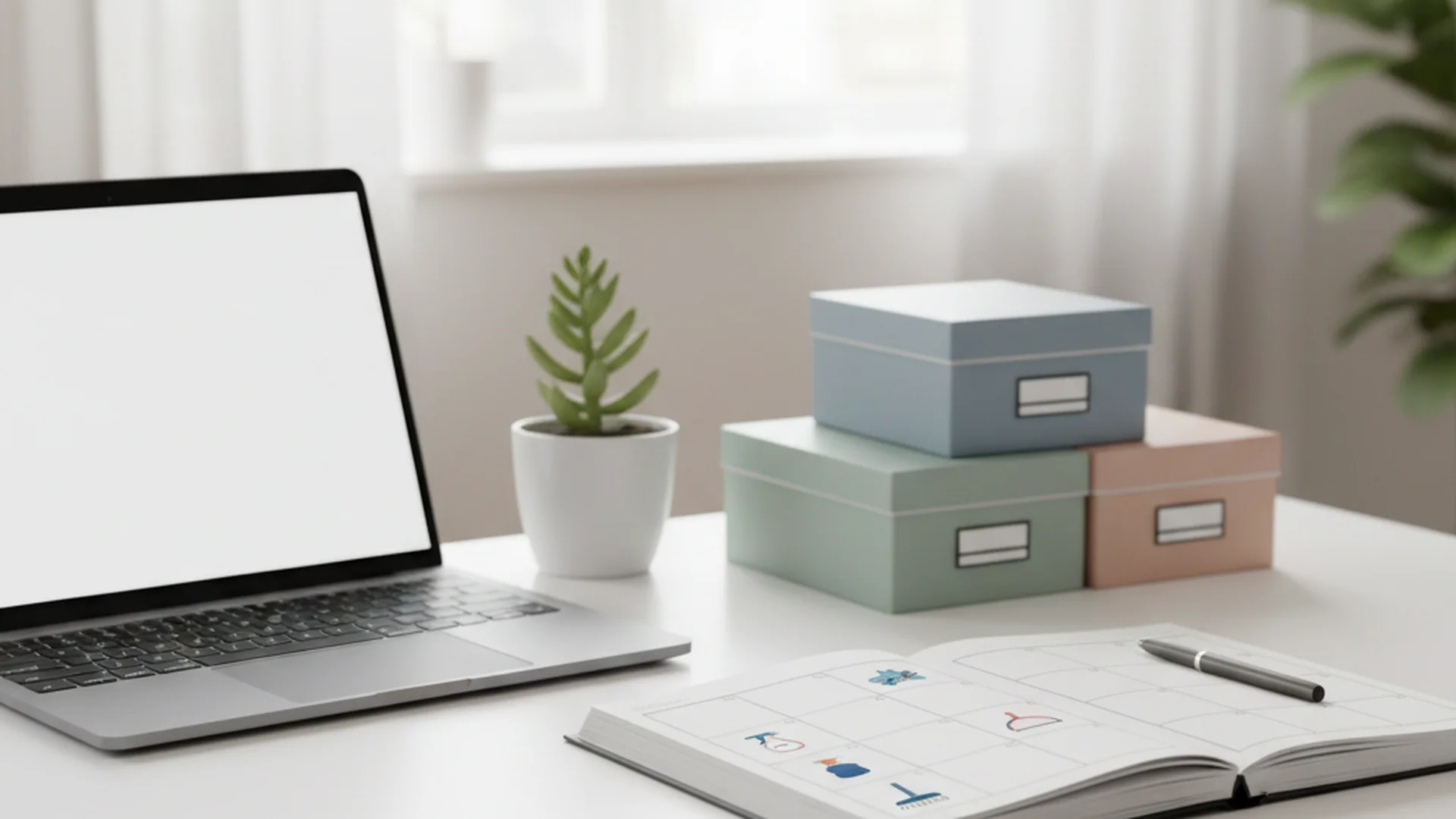
For the modern high-performer, your workspace is more than just a place to house a laptop; it is your brain’s external hard drive. However, many founders neglect their environment, viewing maintenance as a chore rather than a strategic business function. Developing a cleaning routine entrepreneur style isn't about being a "neat freak"—it’s about optimizing your headquarters for maximum profit and mental clarity.
Physical clutter competes for your attention, while a sanitized, organized environment lets you think at full capacity. In the world of 2025, where "deep work" is the ultimate competitive advantage, your cleaning habits might just be the most underrated tool in your productivity arsenal.
The Science of the Clean Workspace
Before we dive into the "how," we must understand the "why." Entrepreneurs often prioritize revenue-generating tasks over tidiness, not realizing that a messy desk is actively draining their capacity to generate revenue.
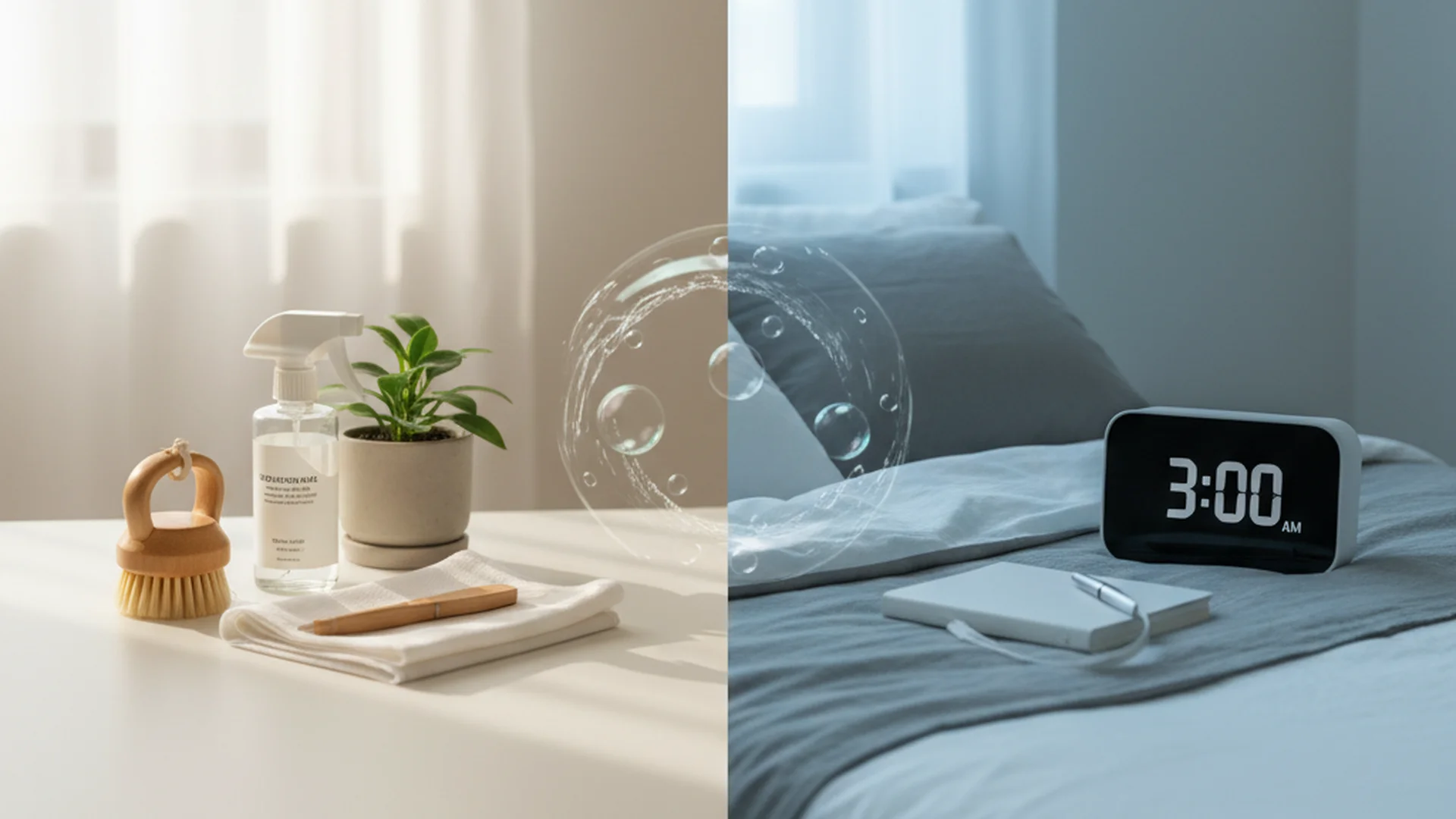
People who work in clean, well-maintained indoor environments consistently think more sharply. When your air is filtered and your surfaces are clear, your brain simply functions at a higher level.
Physical clutter in your visual field also eats into your brain’s processing capacity. This "visual hijacking" keeps your stress levels elevated. For an entrepreneur, higher stress and lower processing power are the enemies of innovation.
Success: Almost everyone feels more productive in a clean workspace, and most people believe they produce higher-quality work in a tidy environment.
The Best Cleaning Routine Entrepreneur Guide: The Daily Reset
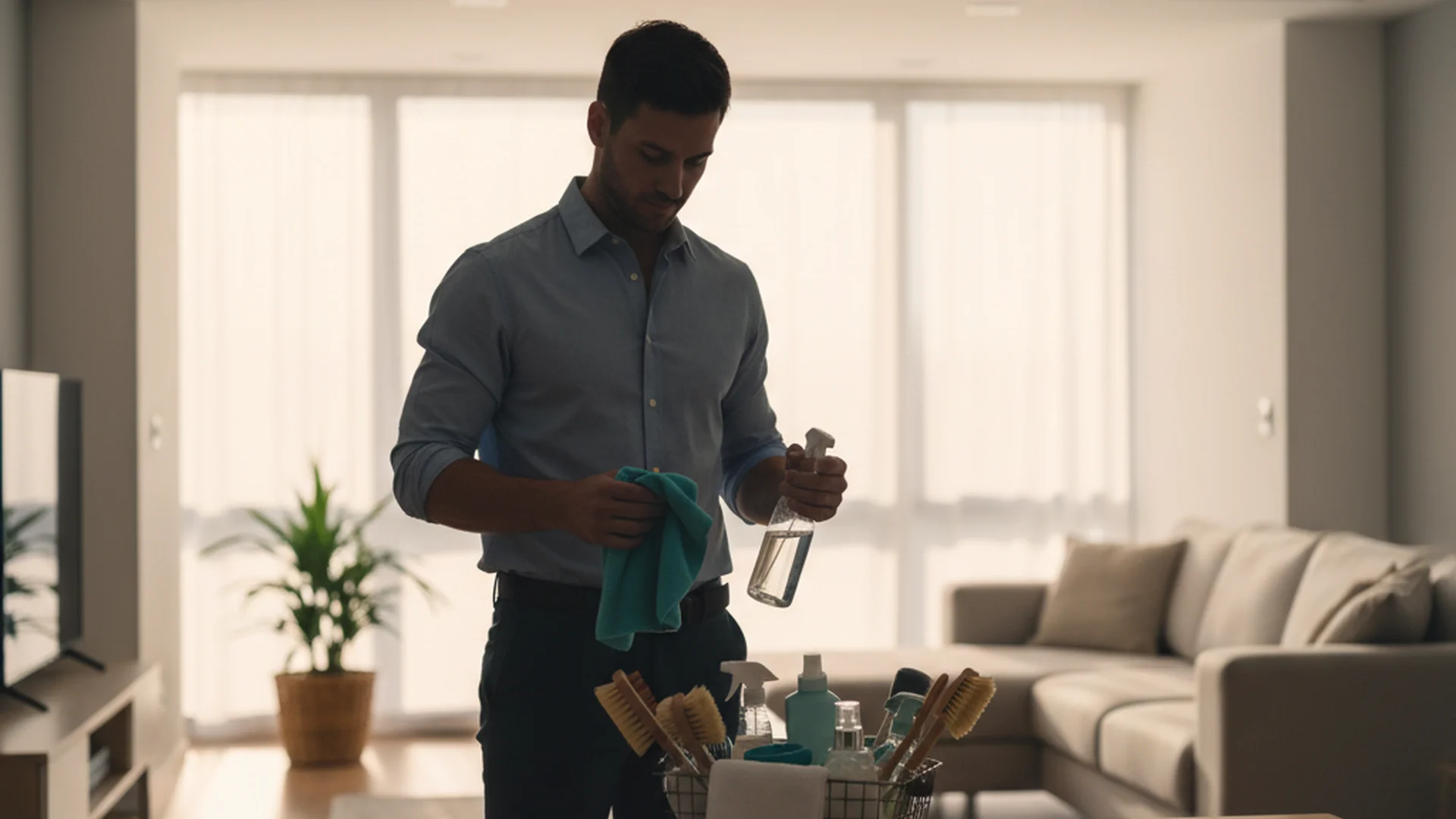
The best cleaning routine entrepreneur practitioners use is built on the concept of "The Daily Reset." This is not a deep clean; it is a 10-minute ritual performed at the end of the workday to return your environment to a neutral state.
The Nightly Reset (10 Minutes)
- Clear the Deck: Remove all coffee mugs, water glasses, and food wrappers.
- Paper Management: File any loose notes or documents into their designated folders. If you haven't looked at a piece of paper in 48 hours, digitize it and shred the original.
- The One-Minute Rule: If a cleaning task takes less than sixty seconds, do it immediately. This includes wiping a spill or putting a pen back in its drawer.
- Device Sanitization: Quickly wipe down your smartphone and mouse. Desks harbour far more bacteria than most people would ever guess, and these high-touch points are the primary culprits.
Tip: Use the last 10 minutes of your scheduled "office hours" for this reset. This serves as a psychological "shutdown ritual" that helps separate work life from home life.
Weekly Power Hour: Batching and Zone Cleaning
To maintain long-term peak performance, entrepreneurs should move beyond daily tidying into structured "Zone Cleaning." By batching cleaning tasks, you avoid the mental fatigue of trying to clean everything at once.
| Day | Focus Area | Essential Task |
|---|---|---|
| Monday | Electronics & Tech | Sanitize screens, keyboards, and clean headphones. |
| Wednesday | High-Touch Points | Disinfect door handles, light switches, and armrests. |
| Friday | Paper & Digital Purge | Shred unnecessary docs and clear your desktop/downloads folder. |
| Sunday | Atmosphere | Dust plants, change HVAC filters (monthly), and refresh scents. |
The 75/33 Integration
One popular productivity rhythm is the 75/33 ratio (75 minutes of work followed by 33 minutes of rest). Instead of scrolling through social media during those 33 minutes, use a portion of that time for "Micro-Cleaning." Moving your body to tidy a shelf or water an office plant provides the physical activity needed to clear mental fog.
Note: Treating cleaning as a "break" from cognitive work allows your brain’s default mode network to activate, often leading to your best "Aha!" moments.
Digital Cleaning: The 2025 Frontier
In 2025, an entrepreneur's "workspace" is just as much digital as it is physical. Digital clutter—thousands of unsorted emails, a cluttered desktop, and redundant cloud files—triggers the same stress response as a messy room.
- Zero-Inbox Policy: Use AI-sorting tools to keep your primary inbox clear.
- Desktop Clearance: At the end of every Friday, your computer desktop should have zero icons. Move them to a "To Process" folder or their permanent cloud home.
- Browser Tab Audit: Use extensions to limit active tabs. Each open tab is a "leak" in your cognitive bandwidth.
Warning: Creating "digital junk drawers" (unsorted folders with thousands of files) can be just as stressful as physical piles. Schedule a monthly digital purge.
2025–2026 Trends: High-Tech Maintenance
The cleaning industry is shifting toward automation and wellness-centric maintenance. Entrepreneurs should leverage these tools to save time.
AI-Driven Autonomous Cleaning
Advanced mapping AI allows these units to clean your office during your "Deep Work" blocks without bumping into your chair. Investing in a high-end robot vacuum/mop is no longer a luxury; it’s an investment in your time.
Sustainable Sourcing and IAQ
Indoor Air Quality (IAQ) has a direct bearing on how quickly you think, and sustainability has become a genuine priority for most buyers. For the home-office entrepreneur, this means:
- Switching to biodegradable, non-toxic products to avoid inhaling VOCs (Volatile Organic Compounds).
- Utilizing Smart Sensors to track CO2 levels and humidity, alerting you when it’s time to open a window or clean your air purifier filters.
Biophilic Maintenance
In 2025, "living walls" and air-purifying plants are standard in high-end home offices. However, dusty leaves cannot photosynthesize or clean the air efficiently. Your routine must include dusting plant leaves with a damp cloth to maintain their air-purifying benefits.
Common Mistakes to Avoid
Even the most disciplined entrepreneurs fall into these traps when managing their environment:
- "I'll clean when it gets messy": This is reactive. By the time it’s visually messy, your productivity has already declined. Your cleaning routine entrepreneur strategy must be proactive and scheduled.
- The "Spray and Wipe" Fallacy: Most disinfectants require a "dwell time" (usually 1–3 minutes) to actually kill pathogens. If you spray and wipe immediately, you are just moving dirt around.
- Ignoring the HVAC: Dust in the air is often the result of dirty filters. Change your HVAC filters every 1–3 months to maintain cognitive clarity and reduce the amount of dusting required on your desk.
- Viewing Cleaning as Low-Value: Many founders think, "My time is worth $200/hour; I shouldn't be cleaning." While outsourcing is smart (see the FAQ below), the discipline of maintaining your immediate surroundings fosters a high-performance mindset.
Frequently Asked Questions
How often should I clean my home office?
Should I clean myself or hire a professional?
Does digital clutter really affect my focus?
What is the "One-Minute Rule"?
What are the best non-toxic cleaning brands for 2025?
Conclusion
Your environment is the silent partner in your business. By implementing a structured cleaning routine entrepreneur protocol, you are not just "cleaning"—you are performing environment design. You are creating a sanctuary that minimizes stress, maximizes cognitive output, and reclaims the hours you would otherwise lose to distraction.
Start today. Clear your desk, wipe your screen, and commit to the Nightly Reset. Your future self—and your bottom line—will thank you.
Success: Following this structured routine allows you to start every morning with a "neutral" mental state, ready for high-stakes decision-making.
Cleaning that keeps score
Every task earns points, every streak multiplies them, and Premium adds a household leaderboard plus a monthly Dustagorgon to beat.
- Free forever
- 30 badges to earn
- Up to 6 in a household
No card needed. Set up your rooms in a couple of minutes.