In this article
What you’ll learn
- Cleaning is a form of NEAT (Non-Exercise Activity Thermogenesis) that supports metabolic health.
- While not a total gym replacement, chores can burn 200–300 calories per hour.
- Adding "extra zip" and exaggerating movements significantly boosts cardiovascular benefits.
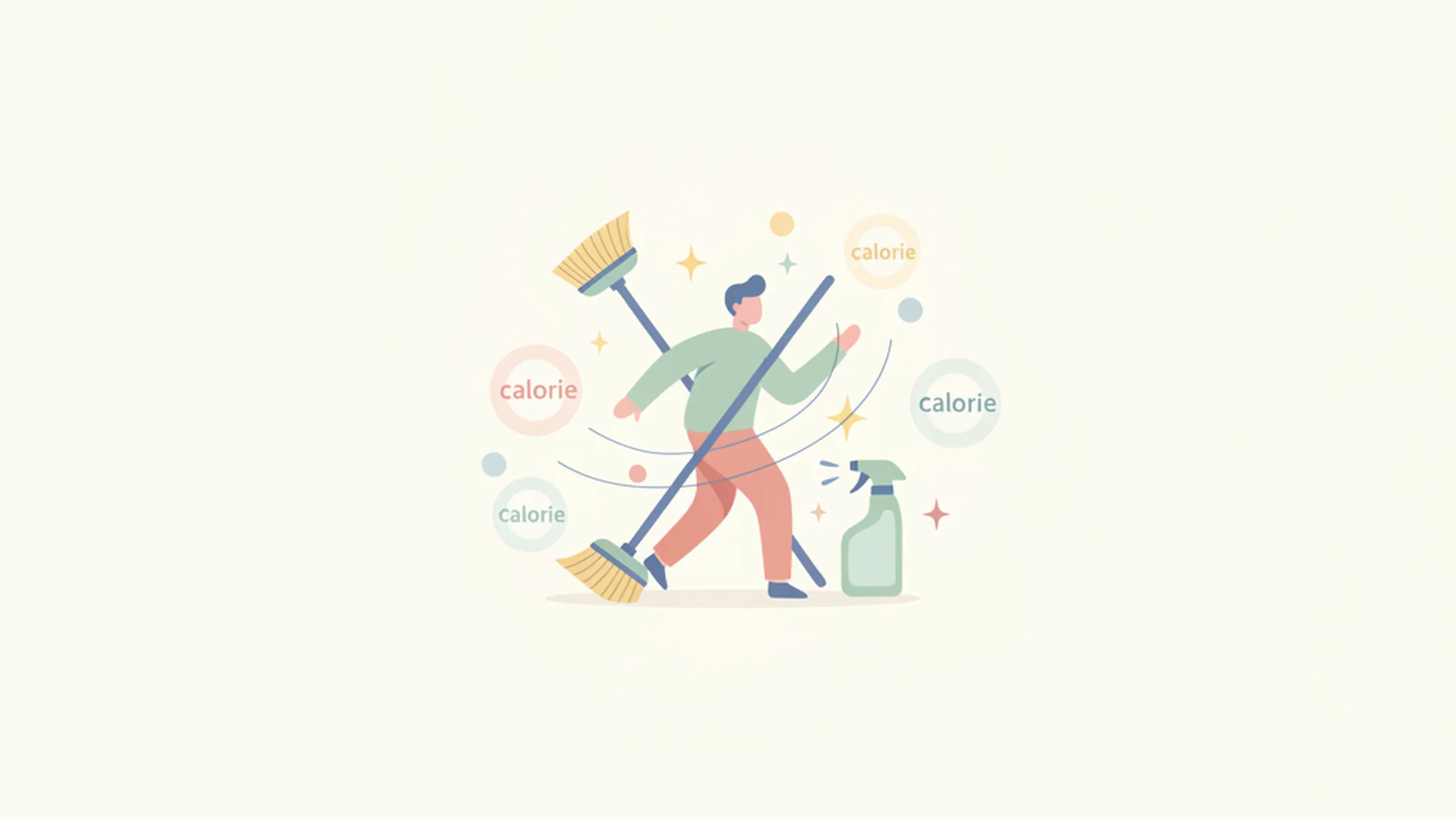
For decades, we have viewed housework as a necessary evil—a list of chores standing between us and our "real" workout at the gym. However, as we move into late 2025, the fitness world is undergoing a massive shift. Many people are asking: is cleaning good exercise? The short answer is a resounding yes, but with a few important caveats. Our daily tidying habits are one of the most underrated tools for longevity, weight management, and cardiovascular health.
What NEAT Is, and Why Cleaning Counts
Daily incidental movement has a name: NEAT (Non-Exercise Activity Thermogenesis). This refers to the energy expended for everything we do that is not sleeping, eating, or sports-like exercise. From walking to the mailbox to scrubbing a bathtub, NEAT plays a vital role in our metabolic rate.
Chores make up a meaningful slice of what you burn in a day. For many people, that makes household activity a more significant factor in long-term weight management than a single 30-minute session on a treadmill.
Note: Modern wearables like the latest Apple Watch and Garmin series now include "Longevity Scores" that specifically track this incidental movement as part of your weekly cardiovascular goals.
Calorie Burn: Breaking Down the Tasks
Not all cleaning tasks are created equal. While dusting a picture frame might not get your heart racing, deep-cleaning a bathroom or vacuuming a multi-story home can be surprisingly taxing. If you are looking for the cleaning good exercise answer, intensity is the deciding factor.
On average, a 150-pound person can expect the following calorie burn per hour:
| Cleaning Task | Average Calories Burned per Hour | Intensity Level |
|---|---|---|
| Dusting & Organizing | 100–120 | Low |
| Vacuuming or Mopping | 150–200 | Moderate |
| Washing the Car | 270–400 | Moderate/High |
| Scrubbing Bathrooms | 250–300 | High |
| Mowing (Push Mower) | 250–400 | High |
| Moving Furniture | 400+ | Very High |
Success: Even a few minutes of brisk daily activity—like a high-speed kitchen clean-up—is good for your heart.
Turning Chores into a Genuine Workout
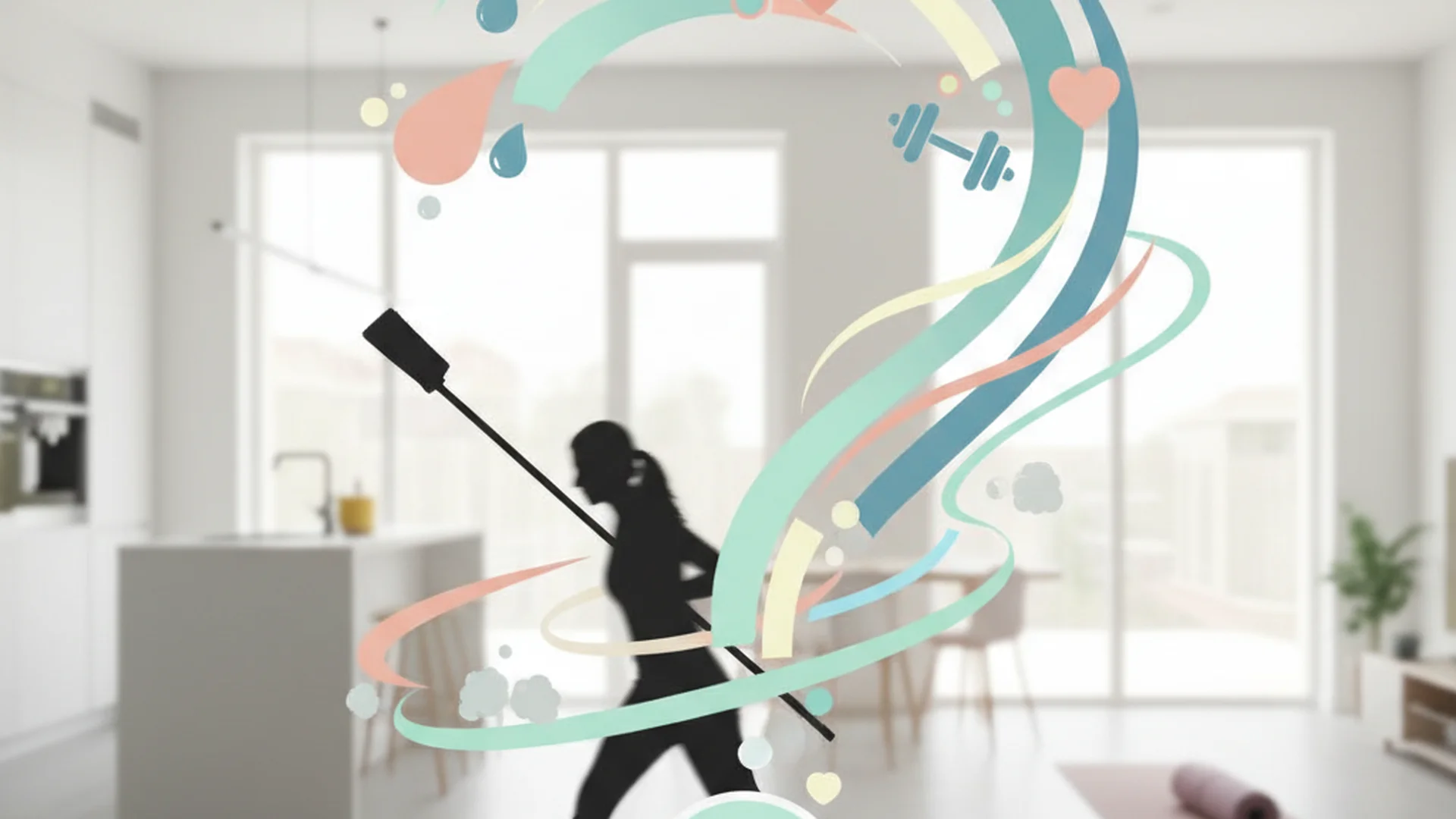
If you want to use cleaning as a primary supplement to your fitness routine, you can’t just go through the motions. You need to "clean with intent." Here are several ways to transform your Saturday morning tidy-up into a "micro-workout."
1. Exaggerate Your Movements
Instead of just walking across the room to pick up a stray toy, incorporate a deep lunge with every step. When you need to reach for something on a low shelf, perform a proper squat with your chest up and heels planted, rather than bending at the waist.
2. The "Wax On, Wax Off" Technique
Borrowing a page from martial arts, use large, forceful circular motions when cleaning windows, mirrors, or countertops. This engages the triceps, shoulders, and core muscles far more effectively than small, light swipes.
3. Ditch the "Caddy" Strategy
Tip: While it’s efficient to carry all your supplies in one tray, it’s better for your health to leave them in a central location. This forces you to take more steps and climb more stairs as you move between rooms.
4. Use Fast-Tempo Music
Music is a powerful motivator. Set a playlist with 120–140 BPM (beats per minute) and try to match your cleaning pace to the rhythm. Aiming for a "speed clean" keeps your heart rate in the fat-burning zone and makes the time fly by.
2025-2026 Trends: The "Cleaning for Health" Movement
"Cleaning for Health" has become a movement in its own right. It marks a shift from focusing purely on home aesthetics to using cleaning as a primary tool for physical and mental wellness.
Another major 2026 fitness trend is Micro-workout Integration. Rather than finding a solid hour for the gym, people are "snacking on exercise" by briskly cleaning one room at a time. This fits perfectly into a busy lifestyle, providing the same cumulative benefits as a longer, continuous workout without the scheduling stress.
Warning: While cleaning is great for mobility, it lacks the "progressive resistance" needed for significant muscle building. You should still incorporate some form of strength training into your weekly routine.
Common Mistakes to Avoid
While the answer to "is cleaning good exercise" is positive, there are several pitfalls that can lead to injury or stalled progress.
Poor Ergonomics
The most common mistake is "cleaning-induced injury." Bending over a tub with a curved spine or overextending your neck to reach a ceiling fan can cause significant strain.
- The Fix: Practice "active core engagement." Pull your navel toward your spine while you move to protect your lower back.
The Snacking Trap
Because you are cleaning in close proximity to the kitchen, there is a natural tendency toward "grazing." A single high-calorie snack (like a handful of chips or a cookie) can easily cancel out the entire calorie burn of an hour-long session.
Underestimating Intensity
If you can sing a song comfortably while you are mopping, you aren't working hard enough for it to count as "moderate" exercise. Use the "Talk Test": you should be slightly breathless but still able to hold a brief conversation.
Frequently Asked Questions
Can cleaning replace my gym membership?
Is cleaning considered "moderate" or "vigorous" exercise?
Does cleaning help with weight loss?
How do I track cleaning as a workout on my smartwatch?
Conclusion
So, is cleaning good exercise? Absolutely. By viewing your chores as an opportunity for movement rather than a burden, you can improve your heart health, boost your daily calorie burn, and maintain functional mobility as you age. While it shouldn't be your only form of physical activity, transforming your cleaning routine into a series of micro-workouts is a smart, efficient way to stay fit in 2025 and beyond.
Success: By adopting the "active cleaning" mindset, you can burn up to 1,000 extra calories per week just by maintaining your home.
Cleaning that keeps score
Every task earns points, every streak multiplies them, and Premium adds a household leaderboard plus a monthly Dustagorgon to beat.
- Free forever
- 30 badges to earn
- Up to 6 in a household
No card needed. Set up your rooms in a couple of minutes.