In this article
What you’ll learn
- Regular cleaning reduces fire risk and increases appliance lifespan.
- The "Gold Standard" involves boiling water, baking soda, and degreasing soap.
- Avoid bleach on aluminum filters to prevent permanent oxidation damage.
Learning how to clean vent hood filter components is one of those home maintenance tasks that many homeowners neglect until the kitchen starts smelling like a burger joint or the fan begins to sound like a jet engine. As a professional cleaning consultant, I have seen firsthand how a neglected filter can transform from a simple mesh screen into a thick, resinous fire hazard. In 2025, with more of us cooking at home than ever before, maintaining your ventilation system isn't just about cleanliness—it is about home safety, energy efficiency, and indoor air quality.
Why Vent Hood Maintenance Matters in 2025
The vent hood is the unsung hero of your kitchen. Its primary job is to pull grease, steam, smoke, and fine particulate matter (PM2.5) out of your cooking environment. When the filter becomes clogged, the entire system fails.
Failure to clean cooking equipment is one of the leading causes of kitchen fires. While your home kitchen may not handle the volume of a commercial restaurant, the physics of grease remain the same. A grease-laden filter acts as a "wick" for flames. If a stovetop flare-up occurs, a dirty filter can ignite, pulling fire into the ductwork where it is incredibly difficult to extinguish.
Furthermore, efficiency is a major concern. A clogged filter can reduce your hood’s airflow by as much as 50%. This forces the motor to work harder, which not only spikes your energy bill but also shortens the lifespan of an expensive appliance.
The Best Way Clean Vent Hood Filter Systems: Step-by-Step
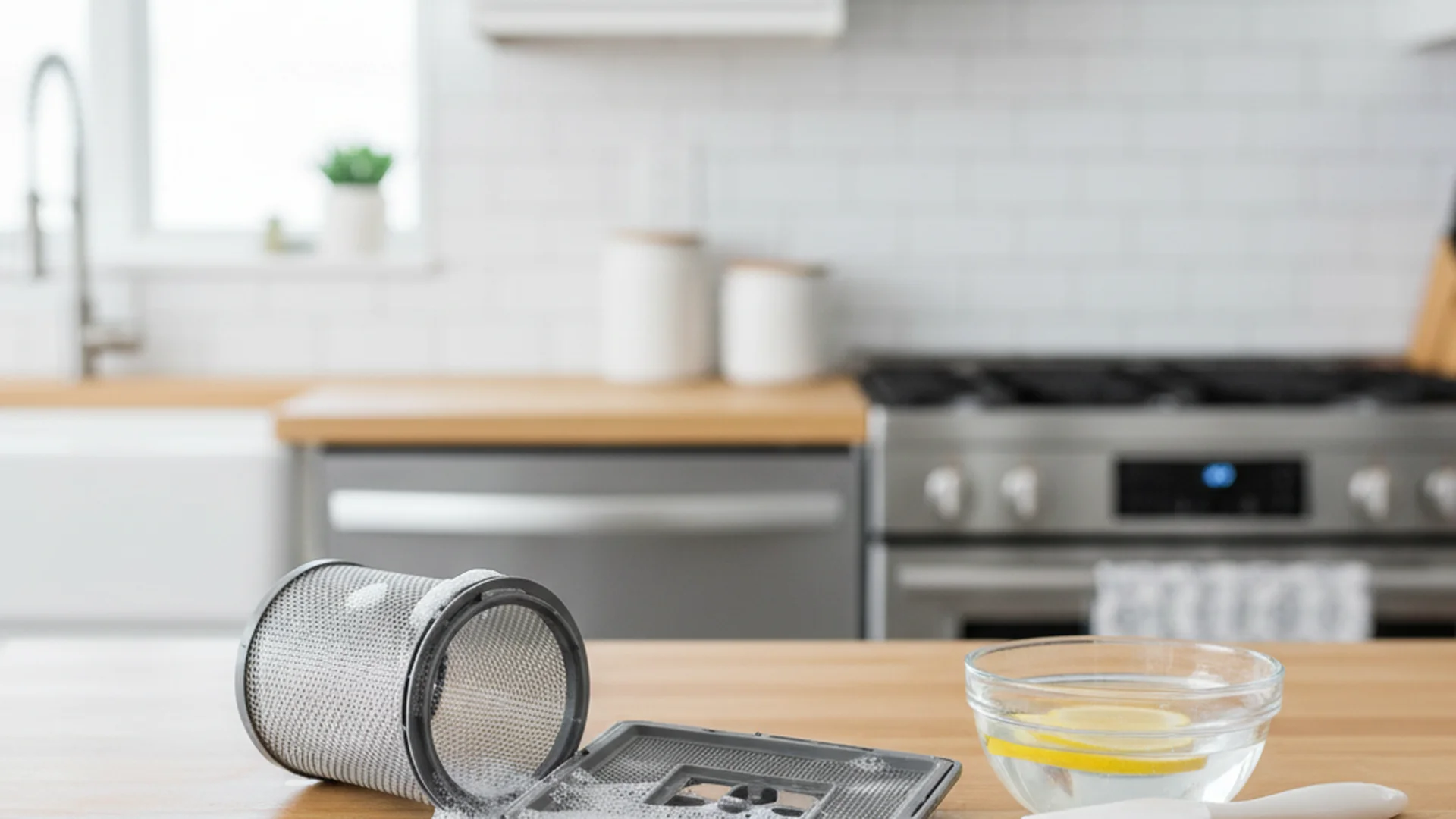
When clients ask me for the best way clean vent hood filter screens, I always point them toward the "Gold Standard" deep soak method. This process uses heat and chemistry rather than brute force.
Step 1: Gather Your Supplies
Before you begin, ensure you have the following items. You likely already have most of these in your pantry.
- Boiling water (enough to submerge the filters)
- A degreasing dish soap (Dawn is the industry standard)
- 1/2 cup of baking soda
- A non-abrasive soft-bristled brush
- A large heat-proof basin or a clean kitchen sink
Warning: Never use steel wool or harsh abrasive pads on aluminum mesh filters. These can tear the fine wires, creating gaps that allow grease to pass into the motor.
Step 2: The Heat and Soda Soak
The secret to effortless cleaning is the reaction between the boiling water and the baking soda.
- Remove the filters: Most filters pop out with a simple latch or by sliding them to one side.
- Prepare the basin: Fill your sink or basin with boiling water.
- Add the solution: Pour in a generous amount of degreasing soap and slowly add the 1/2 cup of baking soda.
- Submerge: Place the filters into the bubbling mixture. You will see the water turn a cloudy yellow almost immediately as the alkalinity of the soda breaks down the acidic grease.
Step 3: Scrub and Rinse
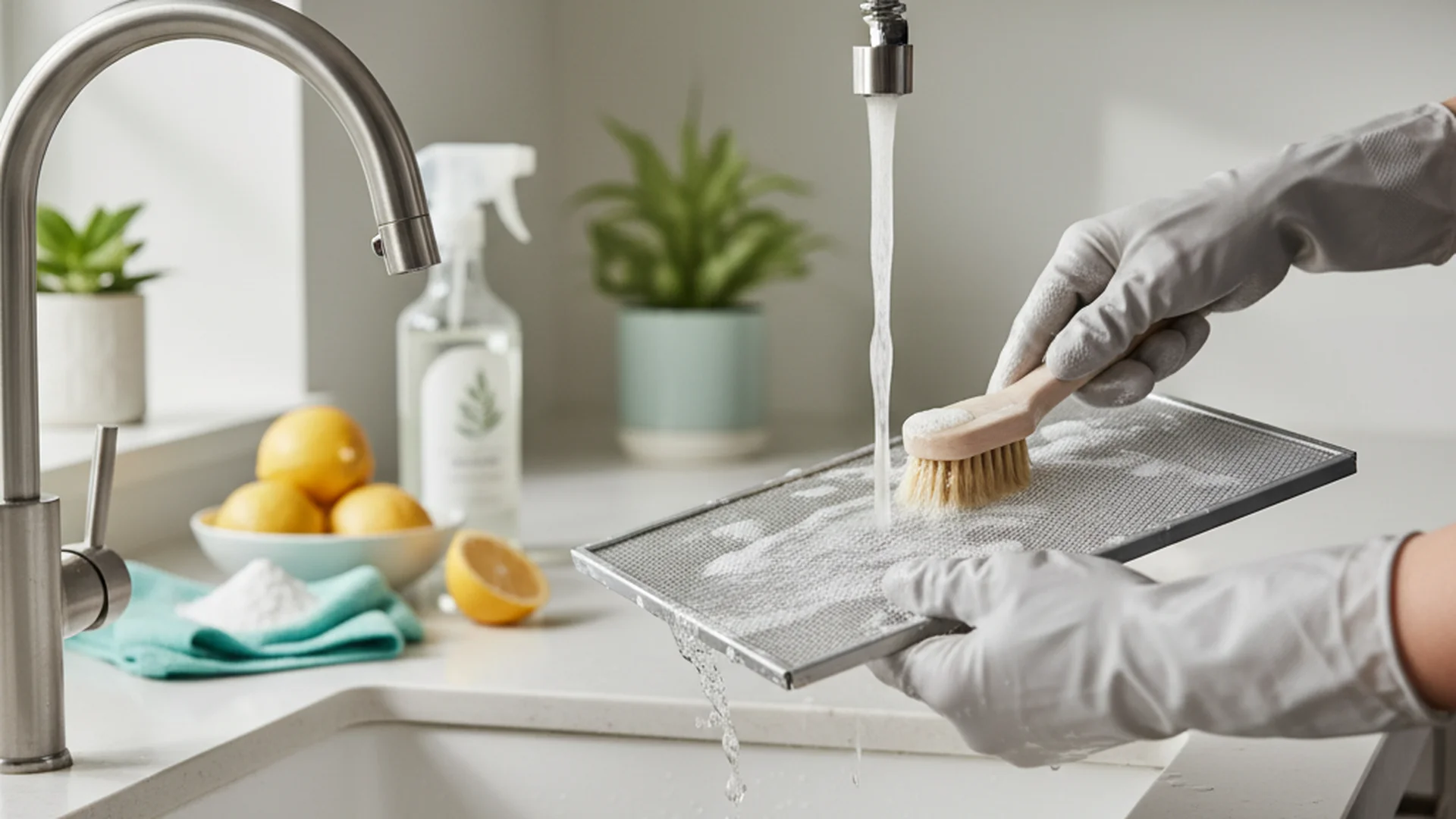
After soaking for 15 to 30 minutes, most of the grease should have "melted" off. Use your soft brush to gently agitate any remaining stubborn spots. Rinse the filter thoroughly under a hot tap to ensure no soap residue or loosened grease remains trapped in the mesh.
Step 4: Dry and Reinstall
This is the step most people skip, but it is vital.
Note: Always allow your filters to air dry completely before reinstalling. Reinstalling a damp filter can lead to mold growth and can cause grease to "clot" faster the next time you cook.
Common Mistakes to Avoid
In my years as a consultant, I’ve seen many well-intentioned homeowners ruin their appliances. Avoid these common pitfalls:
- Using Bleach: This is the most common error. Bleach causes a rapid oxidation reaction on aluminum. It will turn your shiny silver filter a dull, pitted black, and there is no way to reverse this damage.
- The "Dishwasher Myth": While many filters are labeled "dishwasher safe," the high heat and harsh detergents can warp the metal over time. If you have high-end baffle filters, the dishwasher is usually fine. For thin aluminum mesh, hand-washing is always superior.
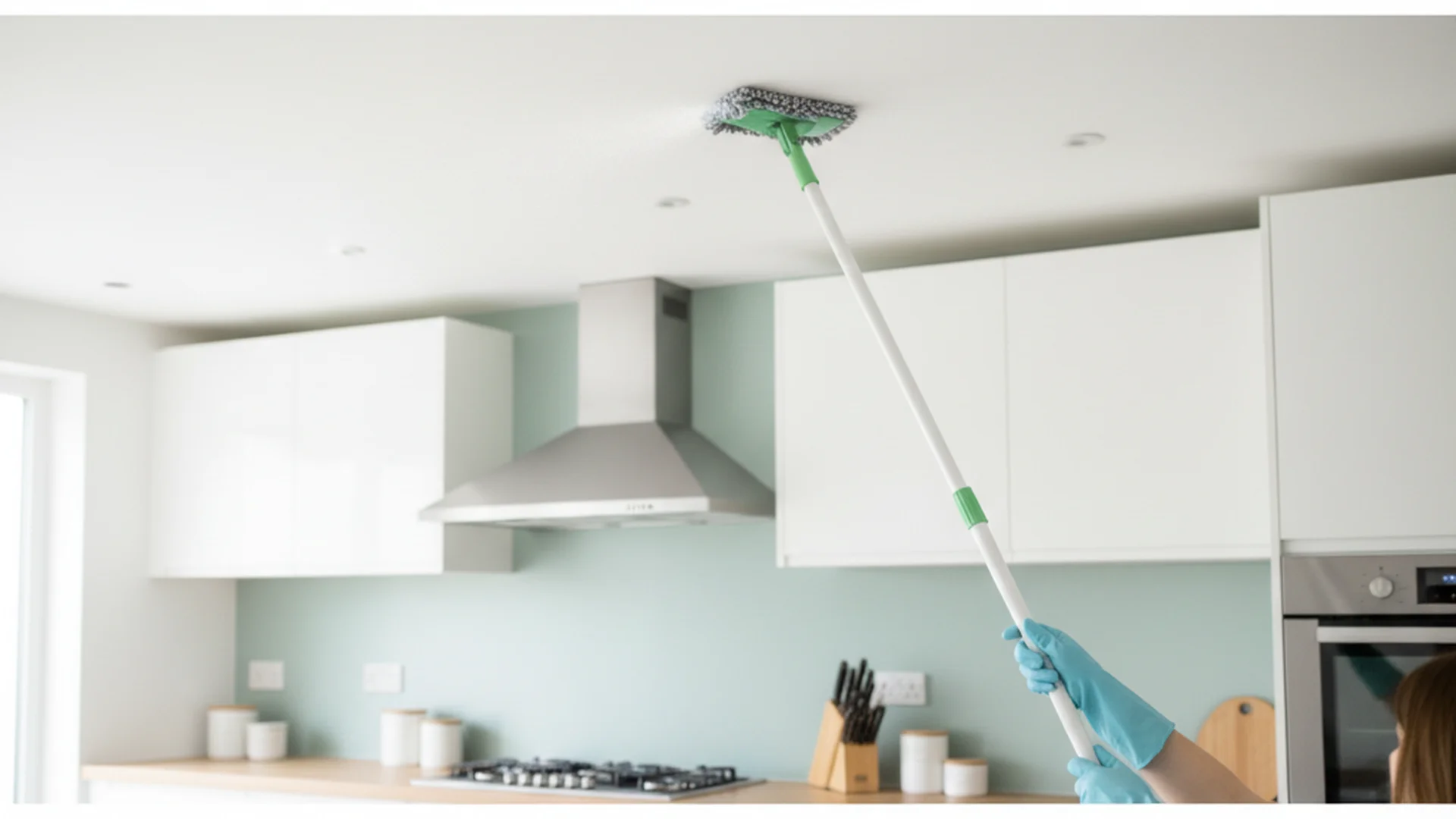
- Ignoring the Housing: Cleaning the filter but ignoring the hood’s interior housing is like taking a shower and putting on dirty clothes. Grease often drips from the underside of the hood back onto the filter. Always wipe the housing with a citrus-based degreaser while the filters are soaking.
- Forgetting Charcoal Filters: If your hood recirculates air rather than venting outside, it likely has charcoal (carbon) filters. These cannot be washed. They must be replaced every 3 to 6 months to remain effective.
Real-World Examples of Maintenance Success
Example 1: The "Sunday Roast" Household
A family in Chicago noticed that even after cleaning their kitchen, a lingering smell of bacon and roasted chicken persisted for days. Upon inspection, their vent hood filter was so saturated that it was "weeping" grease onto the stovetop. After implementing a bi-monthly deep soak, the household odors vanished, and the fan became noticeably quieter.
Example 2: The Apartment Dweller
A client living in a modern apartment with a recirculating hood (no outdoor vent) found that their smoke alarm went off every time they seared a steak. The issue wasn't the steak; it was the charcoal filter that hadn't been changed in two years. Replacing the charcoal element and cleaning the outer mesh filter restored the unit's ability to capture PM2.5 particulates, stopping the false alarms.
Example 3: The Resale Value Boost
A homeowner preparing to sell their house was told by a stager that the kitchen looked "dated." The culprit was the yellowed, sticky vent hood. A 30-minute soak in baking soda and Dawn restored the filters to a like-new silver shine, significantly improving the "clean" feel of the kitchen during open houses.
Modern Trends: The Future of Kitchen Ventilation (2025-2026)
As we look toward 2026, the way we interact with our vent hoods is changing. If you are in the market for a new appliance, keep an eye on these emerging technologies:
| Technology | Benefit | How it Works |
|---|---|---|
| Smart Saturation Sensors | Maintenance Alerts | IoT sensors monitor airflow and notify your phone when it's time to clean. |
| Centrifugal Separation | Filterless Cleaning | The unit spins air to fling grease into a collection cup, eliminating mesh. |
| Antimicrobial Coatings | Hygiene | Silver-ion coatings prevent bacteria and mold from growing in trapped grease. |
| Gesture Control | Cleanliness | Allows you to adjust fan speed without touching the unit with greasy hands. |
Frequently Asked Questions
How often should I clean my vent hood filter?
Can I clean a charcoal (carbon) filter?
Why is my vent hood still loud after cleaning the filter?
What is the best degreaser for "baked-on" grease?
Conclusion
Mastering how to clean vent hood filter screens is an essential skill for any home cook. Not only does it keep your kitchen smelling fresh and improve the air you breathe, but it also serves as a critical line of defense against residential fires. By following the "Gold Standard" soak method and avoiding harsh chemicals like bleach, you can extend the life of your appliances and ensure your kitchen remains a safe, efficient heart of the home.
Success: Regular maintenance ensures your range hood operates at 100% efficiency, keeping your home smoke-free and safe from grease fires.
Cleaning that keeps score
Every task earns points, every streak multiplies them, and Premium adds a household leaderboard plus a monthly Dustagorgon to beat.
- Free forever
- 30 badges to earn
- Up to 6 in a household
No card needed. Set up your rooms in a couple of minutes.