In this article
What you’ll learn
- Consistency over perfection is the core philosophy.
- The "CLEAN" acronym simplifies daily home maintenance.
- Weekly tasks are strategically assigned to prevent burnout.
For many homeowners, the struggle to maintain a tidy house feels like a never-ending battle against clutter and dust. We often find ourselves stuck in a cycle of "marathon cleaning"—spending an entire Saturday scrubbing floors and doing endless loads of laundry, only to feel exhausted and resentful. This is where the clean mama routine changes the game. Created by Becky Rapinchuk, this system is designed to turn overwhelming housework into manageable, bite-sized tasks that fit into even the busiest schedules.
As a professional cleaning consultant, I have seen dozens of systems come and go, but few have the staying power and practical application of the Clean Mama method. In this clean mama routine guide, we will break down exactly how to implement this lifestyle to reclaim your time and achieve a home that feels "peacefully clean" rather than "perfectly clinical."
The Core Philosophy: Progress Over Perfection
The foundation of the Clean Mama routine is the mantra: "Everyday a little something." Becky Rapinchuk, a former art teacher and mother of three, launched Clean Mama in 2009 with the realization that perfection is the enemy of a clean home. If you wait for a four-hour block of time to clean, you will likely never find it. Instead, this routine focuses on 10 to 15-minute daily wins.
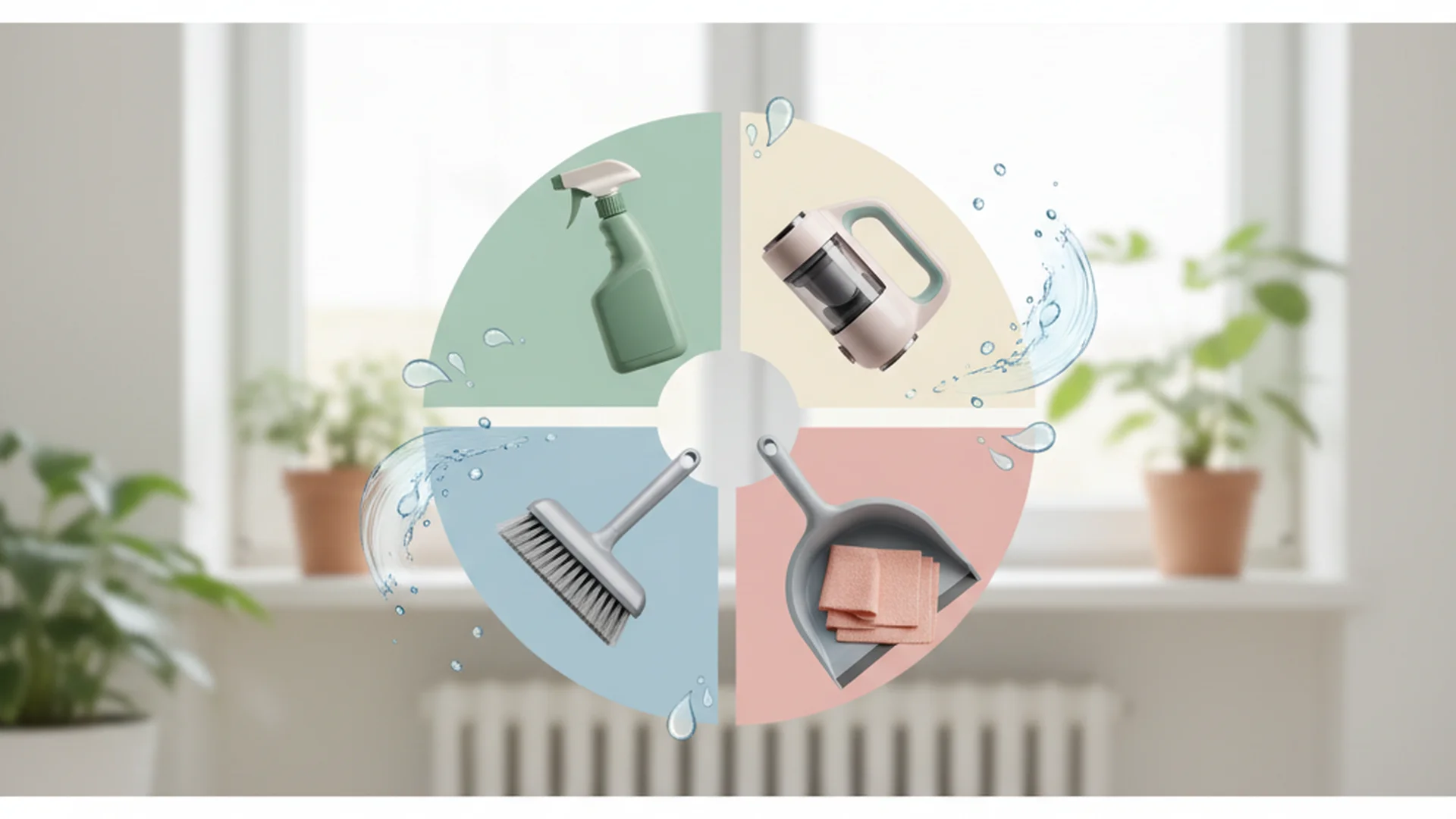
The goal isn't just to have a clean house; it's to have a home that functions for your family. By breaking chores down into four distinct pillars—Daily Tasks, Weekly Tasks, Rotating Tasks, and the Monthly Focus—you eliminate the mental load of wondering "what should I clean today?"
Success: Users of this routine report a significant decrease in "cleaning anxiety" because the schedule makes decisions for them, ensuring no area of the home is neglected for too long.
The 5 Daily Tasks: The "CLEAN" Acronym
The first pillar of the clean mama routine explained is the set of five daily maintenance tasks. These are non-negotiable habits that keep the "chaos" at bay. They are designed to be done regardless of how busy your day is.
C – Craft the Beds
Making your bed is the ultimate "keystone habit." It takes less than two minutes but immediately makes a bedroom look tidy. It sets a productive tone for the rest of the day.
L – Laundry
The rule here is "one load a day, from start to finish." This means washing, drying, folding, and putting away. By doing one load daily, you avoid the dreaded "Laundry Mountain" that typically consumes weekends.
E – Edit Clutter
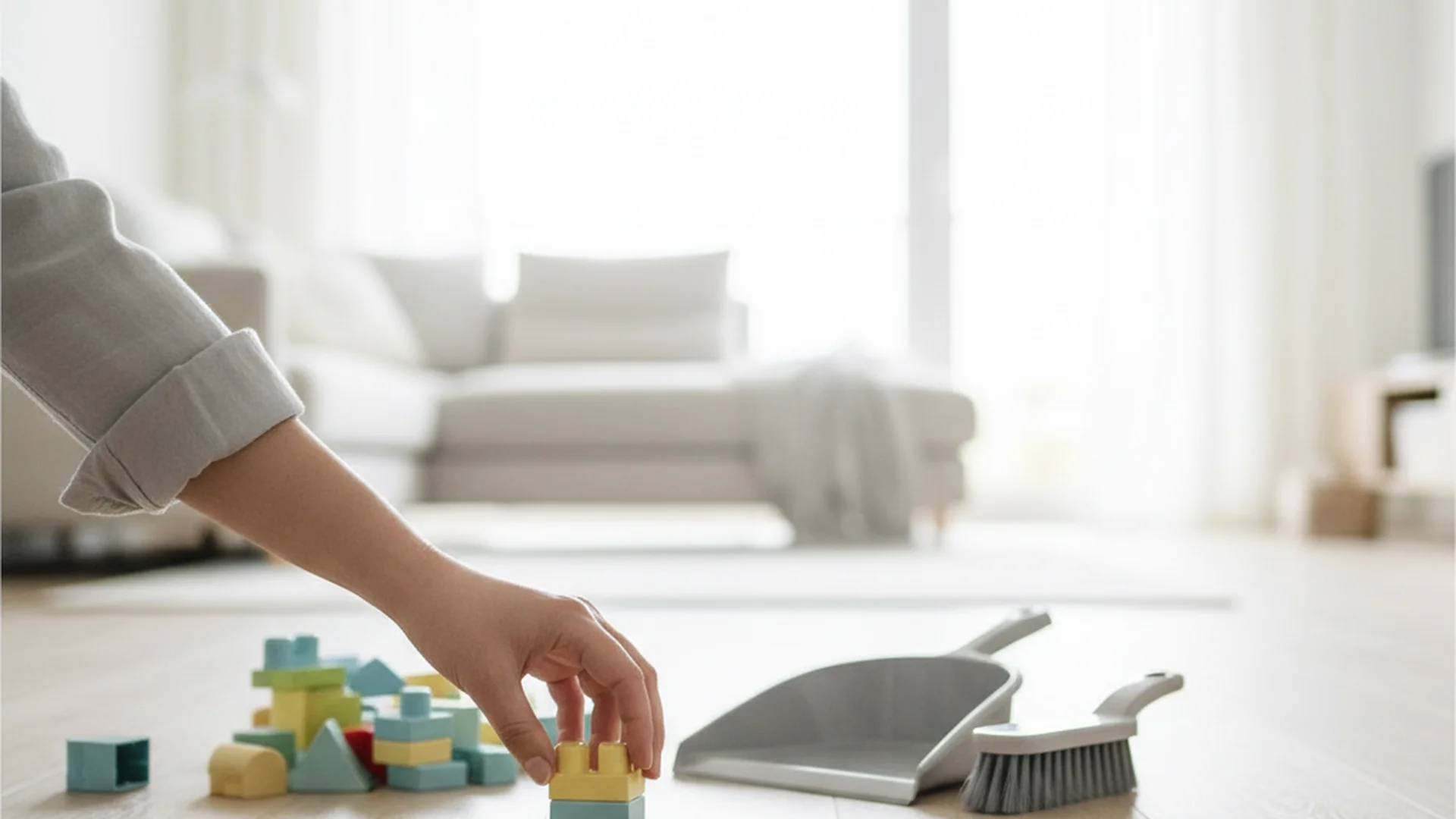
Spend 5 to 10 minutes doing a quick sweep of common areas. Pick up toys, mail, or shoes that have migrated to the wrong rooms. This prevents clutter from becoming permanent decor.
A – All Counters
Wipe down your kitchen and bathroom surfaces. You don’t need to do a deep scrub; just a quick wipe with a microfiber cloth and a gentle cleaner to remove crumbs and water spots.
N – Notice the Floors
Give the high-traffic areas a quick sweep or a 5-minute vacuum. You aren't mopping the whole house—just addressing the dirt that was tracked in during the day.
Tip: Practice "Habit Stacking" by starting your daily laundry load while the coffee is brewing. By the time you’ve finished your first cup, the washer will be halfway through its cycle.
The Weekly Tasks: A Strategic Deep-Dive
Once you have mastered the dailies, you layer on the Weekly Tasks. Each day of the week has a specific focus. This is where the heavy lifting happens, but because you are only focusing on one category at a time, it never feels overwhelming.
Monday: Bathrooms
Monday is for a "Quick Clean" of the bathrooms. This involves scrubbing the toilets, wiping mirrors, and cleaning sinks. Because you wipe counters daily, this task usually takes less than 20 minutes.
Tuesday: Dusting
Dusting happens before vacuuming for a reason. You want any dust that falls from surfaces to be picked up by the vacuum the following day. Focus on tabletops, blinds, and baseboards.
Wednesday: Vacuuming
This is the day to vacuum every rug and hard floor surface in the house. Since you’ve already dusted, you are catching all the allergens and particles that settled on Tuesday.
Thursday: Floor Washing
Once the floors are free of debris, Thursday is dedicated to mopping. Whether you use a steam mop or a traditional bucket, this is the day to get the grime off the hard surfaces.
Friday: Catch-All Day
Life happens. If you missed Tuesday's dusting or Thursday's mopping, Friday is your day to catch up. If you are all caught up, you can use this day for "Rotating Tasks" like cleaning the oven.
Saturday: Sheets & Towels
Saturday is the day for bulk laundry. Strip the beds, wash the linens, and refresh the towels. This keeps your sleeping environment fresh and hygienic.
Sunday: Rest
In the Clean Mama system, Sunday is for rest. You only perform the 5 Daily Tasks. This prevents burnout and gives you time to enjoy your clean home with your family.
Note: If you work a traditional 9-to-5 job, many users find success splitting the Weekly Task into 10 minutes in the morning and 10 minutes in the evening.
Real-World Examples of the Routine in Action
To truly understand how the clean mama routine guide works, let's look at three different households and how they apply these principles.
- The Busy Professional (Sarah): Sarah works 50 hours a week. She performs the "CLEAN" tasks in the morning before leaving. On Monday (Bathroom Day), she keeps a cleaning caddy in her master bath and scrubs the shower while she's actually in it, then wipes the sink while her hair dries. This integration makes the routine invisible.
- The Parent of Toddlers (Mark): Mark uses the "15-minute timer" method. During his children's afternoon nap, he sets a timer for Tuesday Dusting. He does as much as he can in 15 minutes. If the kids wake up before he's done, he stops. He knows that "Catch-All Friday" will allow him to finish what he missed.
- The Minimalist Enthusiast (Elena): Elena uses the routine to maintain her aesthetic. She follows the 2025 "Visual Calm" trend by using uniform glass spray bottles. Because she cleans daily, she never has to use harsh chemicals, relying instead on Becky’s "Organic Home" recipes of vinegar and essential oils.
Clean Mama Trends for 2025–2026
As we move into 2025 and 2026, the Clean Mama routine has evolved to meet modern needs. While it began with paper planners, it has transitioned into a highly integrated digital experience.
- Digital Tracking: Many users now use the Clean Mama mobile app or integrate the routine into apps like Cozi to share tasks with partners and teenagers.
- "Low-Tox" Living: There is a massive trend toward DIY cleaning solutions. Becky’s recipes for "All-Purpose Sprays" and "Sink Scrubs" using baking soda are more popular than ever as families move away from synthetic fragrances and harsh chemicals.
- Visual Calm: The trend for 2026 is "Aesthetic Maintenance." This involves organizing cleaning supplies into beautiful, labeled containers. The idea is that if your cleaning tools look beautiful, you are more motivated to use them.
Warning: Avoid the temptation to buy every cleaning gadget on the market. The Clean Mama routine works best with a simple, high-quality cleaning caddy and basic, eco-friendly supplies.
Common Mistakes to Avoid
Even with a great guide, it is easy to fall into old habits. Here are the most common pitfalls people face when starting the clean mama routine.
1. Trying to Do Everything at Once
The most common mistake is trying to implement the Dailies, Weeklies, and Rotating tasks on Day 1. This leads to immediate burnout. The Fix: Start with only the 5 Daily Tasks for at least one week. Once those feel like second nature, add the Weekly Tasks.
2. Over-Cleaning the Kitchen
New users often ask why "Kitchen" isn't a dedicated weekly day. In this routine, the kitchen is cleaned daily through wiping counters and floors. If you spend an extra hour on the kitchen every day, you won't have the energy for the Weekly focus.
3. Skipping the Laundry Rule
"I'll just do it all on Saturday" is the death knell of this routine. The goal is to eliminate the stress of piles. One load a day keeps the system moving.
4. Letting Perfectionism Win
If you miss a day, many people feel they have failed and quit. The Fix: If you miss Thursday (Mopping), don't try to mop AND do Catch-All Friday on the same day. Just skip the mopping and pick it up next Thursday. The house won't fall apart in a week.
| Task Category | Frequency | Recommended Time | Focus Area |
|---|---|---|---|
| Daily Tasks | Every Day | 10–15 Minutes | Counters, Beds, Laundry, Clutter |
| Weekly Tasks | Once/Week | 15–30 Minutes | Specific Room or Surface (e.g., Dusting) |
| Rotating Tasks | Once/Month | 30–60 Minutes | Deep cleaning (Baseboards, Windows) |
| Monthly Focus | Annual Cycle | Varies | Organization & Decluttering |
Frequently Asked Questions
What if I work full-time and have no energy after work?
Do I need to buy the Clean Mama products to make this work?
My house is currently a disaster. Where do I start?
What are Rotating Tasks and how do I fit them in?
Conclusion
The clean mama routine isn't just about a clean house; it's about reclaiming your mental space. By automating your chores and following a proven schedule, you eliminate the "should I clean today?" guilt. Whether you are a stay-at-home parent or a busy executive, the 4-pillar system offers a path to a home that is consistently tidy without the need for grueling marathon sessions.
Remember, the goal is "Everyday a little something." Start with your beds and your laundry today, and watch how quickly your home transforms.
Success: Following this routine consistently for 21 days will turn these tasks into muscle memory, effectively putting your home's cleanliness on autopilot.
Cleaning that keeps score
Every task earns points, every streak multiplies them, and Premium adds a household leaderboard plus a monthly Dustagorgon to beat.
- Free forever
- 30 badges to earn
- Up to 6 in a household
No card needed. Set up your rooms in a couple of minutes.