In this article
What you’ll learn
- Use the 45-degree scraper rule for glass-ceramic tops to avoid scratching.
- Never clean a hot glass stove to prevent thermal shock and permanent damage.
- Eco-friendly "power pastes" are the 2025 standard for safe, effective cleaning.
An electric stove is the heart of the modern American kitchen, and the majority of households cook their daily meals on one. However, knowing how to clean electric stove surfaces properly is about more than just aesthetics; it is about protecting a significant investment. With the average electric stove lasting between 13 and 15 years, proper maintenance can actually extend that lifespan by nearly 30%. Whether you are dealing with a sleek glass-ceramic surface or traditional coil burners, using the best way clean electric stove components will ensure your appliance runs efficiently and looks brand new for years to come.
The Science of Electric Stove Surfaces
Before you grab a sponge, it is vital to understand what you are cleaning. Electric stoves generally fall into two categories: traditional coil elements and modern glass-ceramic tops.
Glass-ceramic tops are engineered to withstand high heat, but they are surprisingly susceptible to physical damage. They can reach temperatures between 200°F and 500°F during standard cooking. The "burnt-on" problem occurs when food—especially sugar-based substances—bonds to the glass at these temperatures. If left to cool, these spills can cause "pitting," a form of permanent physical scarring on the surface.
Traditional coil stoves, on the other hand, face the challenge of grease accumulation in drip pans and carbon buildup on the coils themselves. Each requires a distinct strategy to ensure you don't damage the electrical components.
How to Clean Glass and Ceramic Stove Tops
The sleek look of a glass top is its biggest selling point, but it is also a magnet for streaks and burnt-on residue.
The 2025 "Steam Method" for Deep Cleaning
If you have stubborn, crusty grime that refuses to budge, skip the heavy chemicals. The most effective professional-grade technique today is the Steam Method.
- Preparation: Ensure the cooktop is completely cool.
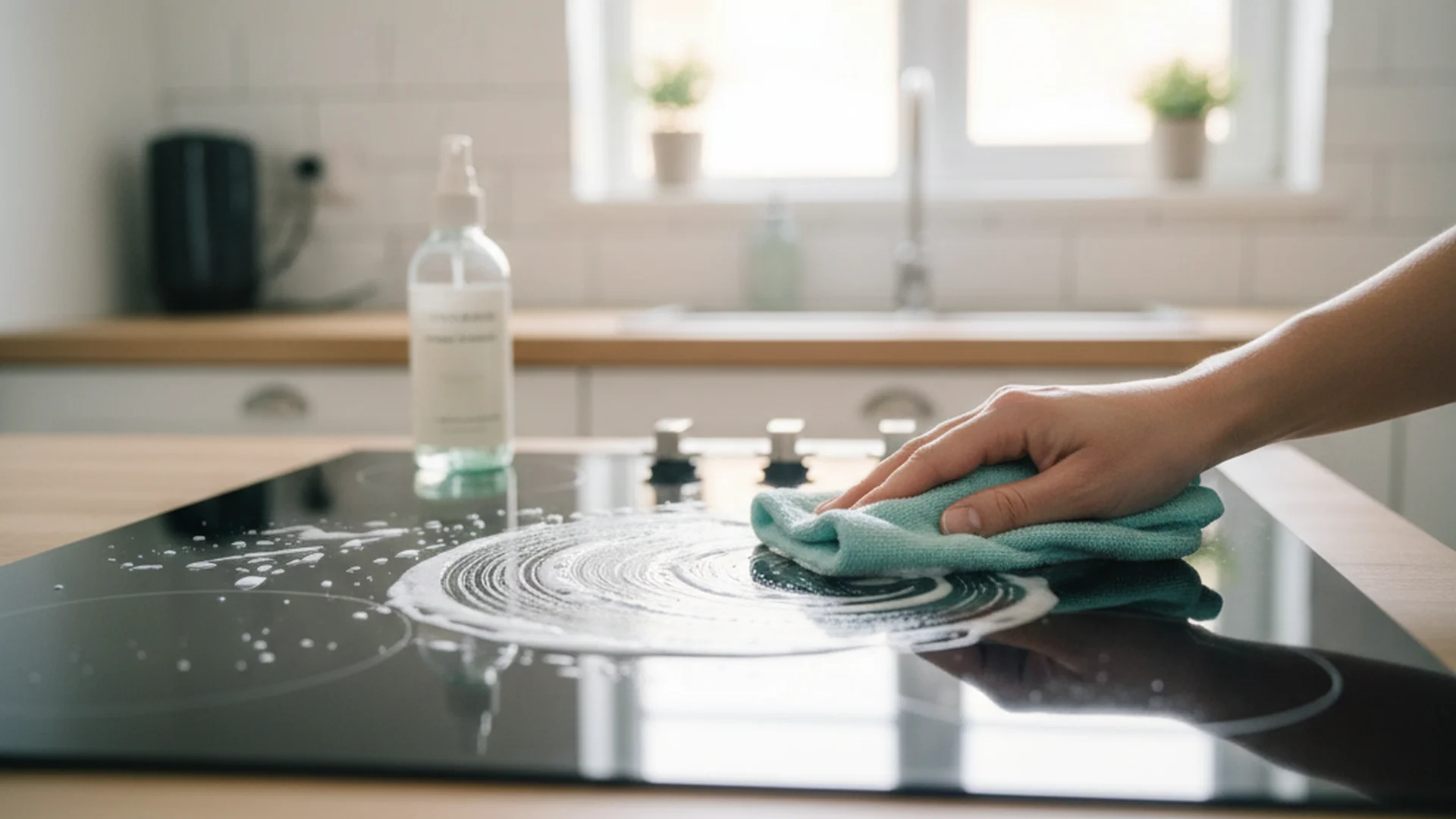
- The Paste: Apply a generous layer of a non-toxic power paste or a DIY baking soda and water mixture over the affected areas.
- The Activation: Spray the paste lightly with white vinegar. It will fizz, breaking down the carbon bonds.
- The Steam: Soak a large towel in very hot water, wring it out slightly so it’s damp but not dripping, and lay it over the stove top.
- Dwell Time: Let it sit for 15–20 minutes. This softens the residue without any aggressive scrubbing.
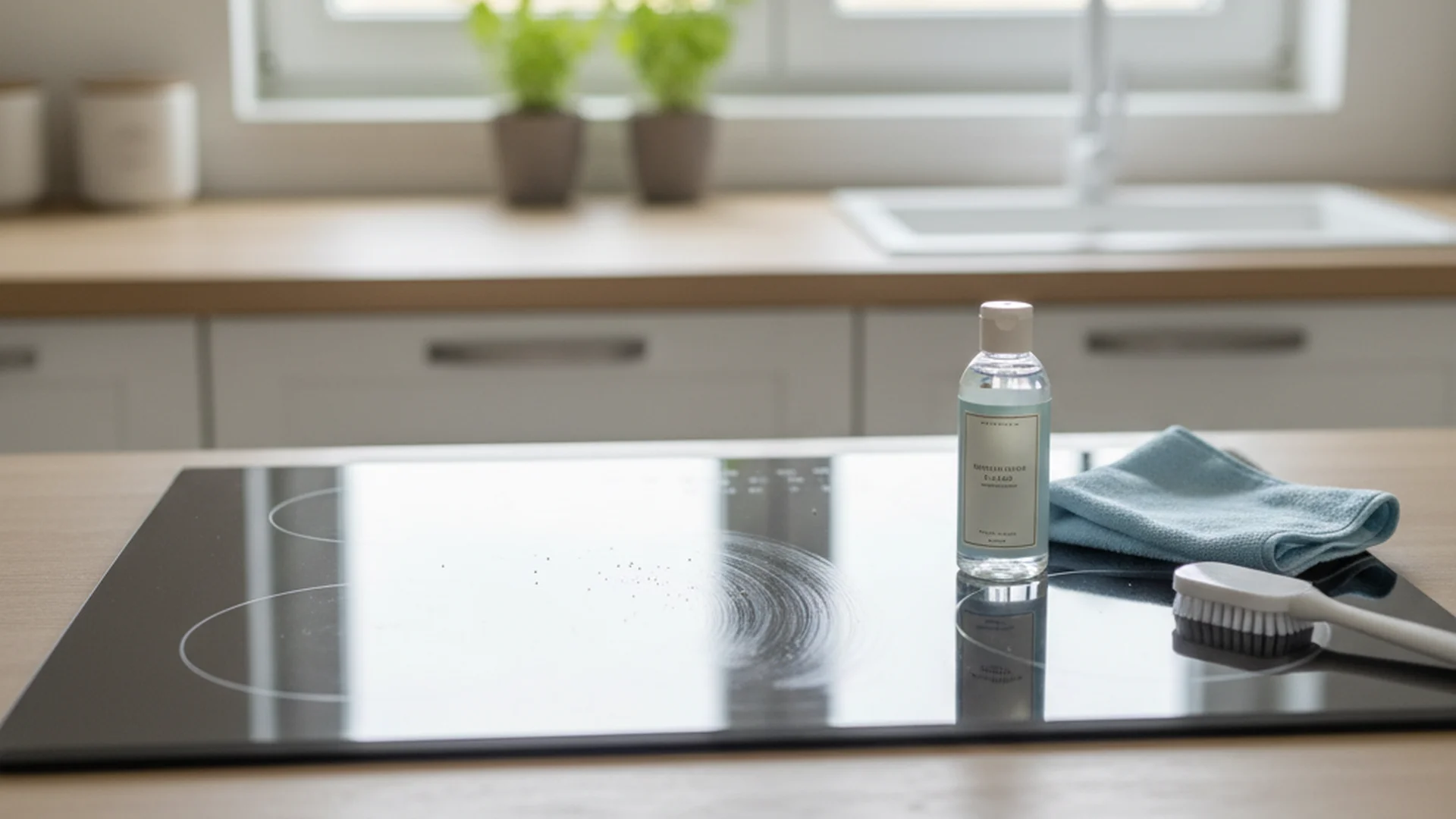
- Wipe and Buff: Remove the towel and wipe away the loosened grime with a microfiber cloth.
Tip: Always finish your cleaning routine with a dry microfiber cloth buff. This removes the "haze" left by cleaning agents and creates that showroom shine.
Mastering the Razor Blade Scraper
Many homeowners are terrified of using a blade on their stove, but it is often the only way to remove "sugar-bonded" spills.
- Angle Matters: Hold the scraper at a 30 to 45-degree angle. Anything steeper risks gouging the glass; anything shallower won't get under the grime.
- Lubrication is Key: Never scrape a dry surface. Apply a glass cooktop cleaner or a soapy water solution first to provide a glide layer.
Warning: Never use steel wool or the green abrasive side of a standard kitchen sponge. These are the #1 causes of permanent micro-scratches on glass stoves.
Cleaning Traditional Coil Burners
If your stove features the classic "plug-in" coils, your approach needs to be more mechanical and careful of electrical connections.
Step 1: The Self-Cleaning Cycle
Most modern coils are designed to be somewhat self-cleaning. Turn your burners on "High" for 2–3 minutes. This will incinerate small food particles, turning them into ash. Once the coils are completely cool, simply wipe them with a damp cloth.
Step 2: The Drip Pan Hack
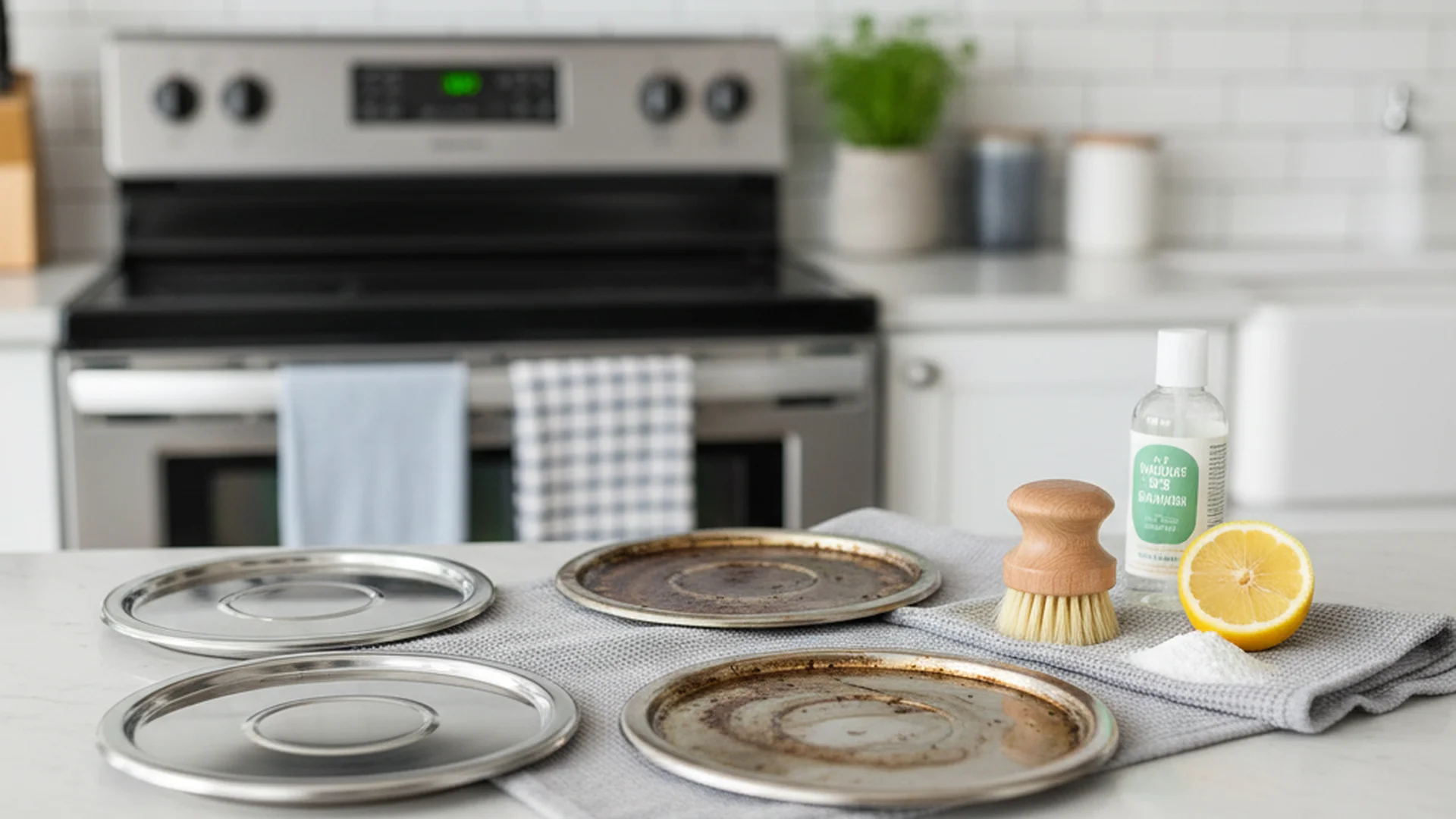
Charred drip pans are the bane of the kitchen. Instead of scrubbing for hours, use the "Ammonia Bag" trick. Place the pans in a sealed gallon-sized freezer bag with 1/4 cup of ammonia. Leave them outside or in a well-ventilated garage overnight. The fumes will dissolve the grease, allowing the gunk to rinse off with minimal effort the next morning.
Note: Never submerge the electrical "prongs" of the coil in water. If the connection point gets wet, let it air dry for 24 hours before plugging it back in to avoid a short circuit.
Professional Product Recommendations for 2025
The 2025 market has shifted heavily toward sustainable cleaning, and shoppers are increasingly reaching for eco-friendly solutions.
| Product Type | Recommendation | Best For |
|---|---|---|
| Power Paste | Scrub Daddy PowerPaste | Heavy-duty, non-toxic scrubbing |
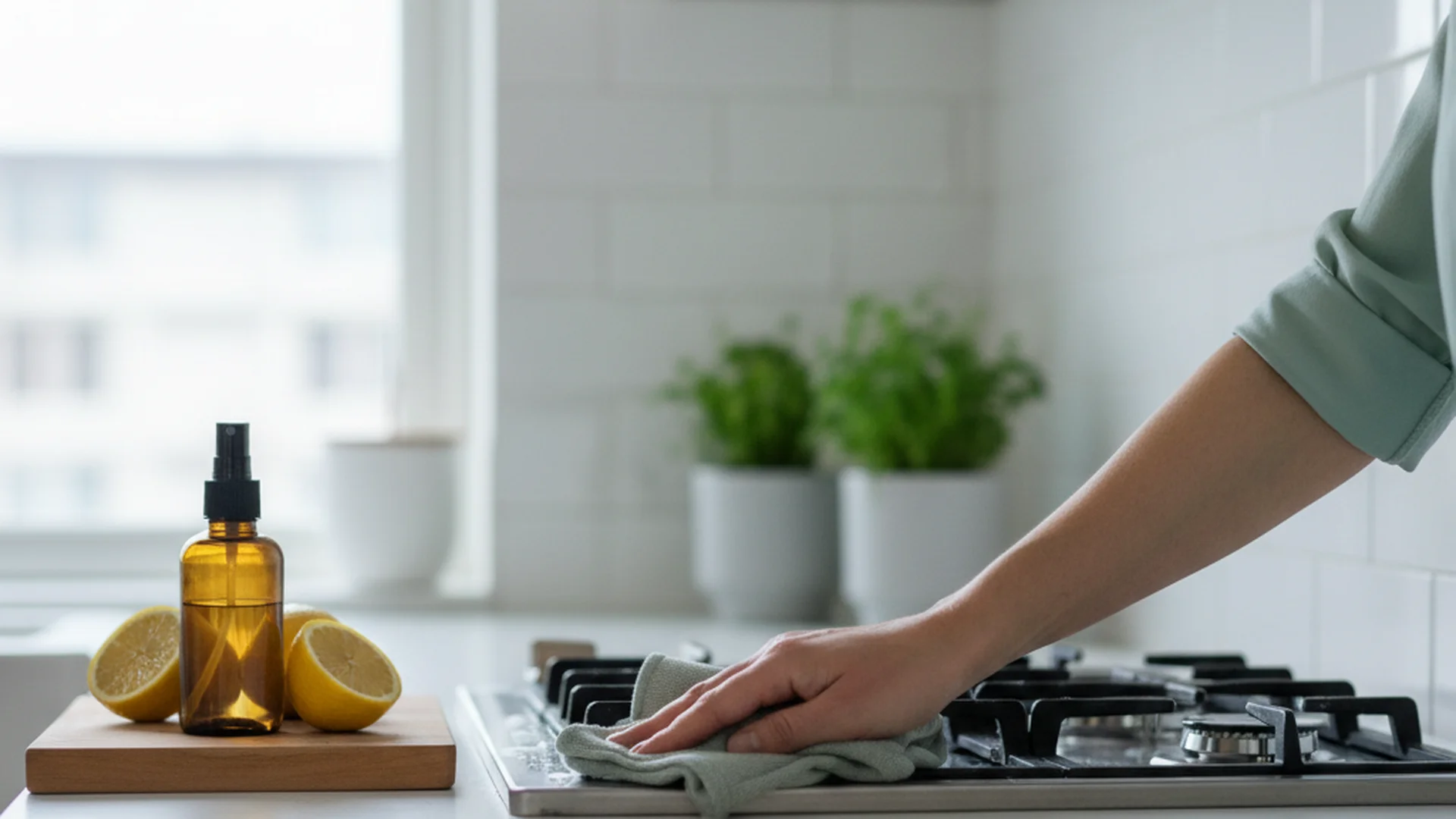
| Daily Cleaner | Vinegar & Dish Soap Mix | Maintenance and light grease |
| Heavy Duty | Bar Keepers Friend (Liquid) | Mineral deposits and white spots |
| Finishing | Microfiber Polishing Cloth | Removing streaks and haze |
Real-World Examples: Solutions for Specific Problems
Example 1: The "White Cloud" Mystery
A client once called me complaining about "white cloudy spots" on her black glass stove that wouldn't wash off. These are usually mineral deposits from hard water or "tin-marking" from aluminum pans. The Fix: A 10-minute vinegar soak followed by a gentle rub with a specialized glass cooktop cream restored the surface instantly.
Example 2: The Jelly Disaster
During a holiday baking session, a homeowner spilled hot jam on a scorching burner. By the time they finished the batch, the sugar had hardened into a rock-like substance. The Fix: Because sugar causes pitting, we had to re-warm the burner slightly (to soften the sugar) and use a lubricated razor scraper at exactly 45 degrees to "pop" the sugar off before it could scar the glass.
Example 3: Discolored White Stove Tops
Yellowing on white enamel stove tops is usually heat-related discoloration. The Fix: We applied a paste of baking soda and hydrogen peroxide, let it sit for 30 minutes, and scrubbed with a soft brush. The oxygenating properties of the peroxide lifted the yellowing that standard soap couldn't touch.
Common Mistakes to Avoid
- Cleaning While Hot: This is a major safety and maintenance risk. Applying cold cleaners to a hot glass top can cause thermal shock, leading to instant cracks that require a full surface replacement.
- The "Sugar Trap": While most cleaning can wait until after dinner, sugary spills (jelly, syrup, soda) must be addressed as soon as the stove is safely cool enough to touch. Waiting until the next day allows the sugar to bond permanently.
- Using Windex: Most household glass cleaners contain ammonia. When heated on a cooktop, ammonia can leave permanent streaks or damage the protective coating of the ceramic.
- Over-reliance on Vinegar: While vinegar is an excellent shine-booster, it is not a true degreaser. For heavy bacon grease splatters, you need an alkaline cleaner or standard dish soap to break down the lipids.
Future Trends: Smart Ranges and UV-C
As we move into 2026, we are seeing a rise in "Induction-Specific Care." Induction stoves, projected to grow by 21.5% in market share by 2027, require specific conditioners that create a microscopic barrier to prevent sticking.
Additionally, smart ranges from brands like FOTILE and Samsung now include filter alerts and "low-heat cleaning modes" that prep the surface for wiping. For the ultra-hygienic home, handheld UV-C wands are becoming a popular 2026 niche trend, used after cleaning to kill 99.9% of food-borne bacteria without the use of bleach.
Frequently Asked Questions
How do I remove white cloudy spots on my glass top?
Is it safe to use a razor blade to scrape my stove?
Can I use Windex on my electric stove?
Why is my white stove top turning yellow?
Conclusion
Cleaning your electric stove doesn't have to be a daunting chore. By adopting a "30-second daily wipe" habit and using the right tools—like the 45-degree scraper rule and eco-friendly power pastes—you can keep your kitchen's centerpiece in pristine condition. Remember, the best way to clean electric stove surfaces is the one that prioritizes the longevity of the appliance while keeping your home free of harsh chemicals.
Success: Consistent maintenance not only keeps your kitchen looking professional but also ensures even heating for better cooking results and a longer appliance lifespan.
Cleaning that keeps score
Every task earns points, every streak multiplies them, and Premium adds a household leaderboard plus a monthly Dustagorgon to beat.
- Free forever
- 30 badges to earn
- Up to 6 in a household
No card needed. Set up your rooms in a couple of minutes.