In this article
What you’ll learn
- Rinse with warm water within 10 minutes of use to prevent bacterial growth.
- Never use a sponge; opt for stiff-bristled nylon or natural fiber brushes.
- Use the "Potato Hack" to naturally remove stubborn, dried-on cheese.
We have all been there: you’ve just finished preparing a delicious pasta dinner, only to find your box grater sitting in the sink, covered in a cement-like layer of dried Parmesan. If you have ever wondered how to clean cheese grater holes without destroying your kitchen sponge or leaving behind a greasy residue, you are not alone. In fact, modern kitchen hygiene standards have evolved significantly, and what worked a decade ago might be dulling your blades or, worse, risking your family’s health.
As a professional cleaning consultant, I see the "complex geometry" of cheese graters as one of the most overlooked hazards in the home. Because of their many small crevices and sharp edges, they are magnets for bacteria and oxidized fats. Understanding the best way clean cheese grater tools isn't just about aesthetics; it’s about food safety and tool longevity.
The Hidden Dangers of a Dirty Grater
Before we dive into the "how-to," we must understand the "why." Kitchen tools with intricate designs, like graters and microplanes, are among the worst offenders in the house for harbouring bacteria.
The 10-Minute Rule
If you don't clean your grater within 10 minutes of use, the leftover protein and fat begin to harden. Once this happens, the residue can harbor Listeria and Salmonella. In the time it takes to eat your meal, your grater can transform from a kitchen essential into a biological hazard.
Performance Decay and Lipid Oxidation
It isn't just about germs; it's about the math of the blade. Residual cheese fats (lipids) left on stainless steel surfaces oxidize over time. The result is a microscopic film that noticeably dulls blade sharpness over just a few months of regular use.
Warning: Never leave a stainless steel grater soaking in a sink of water for hours. This can lead to "pitting corrosion," specifically at the welded joints of box graters, which permanently weakens the structure.
The Best Way Clean Cheese Grater: Routine Maintenance
The secret to a spotless grater isn't a magic chemical; it’s technique. If you follow these steps immediately after use, you will cut your total cleaning time dramatically.
The Golden Rule: The Immediate Rinse
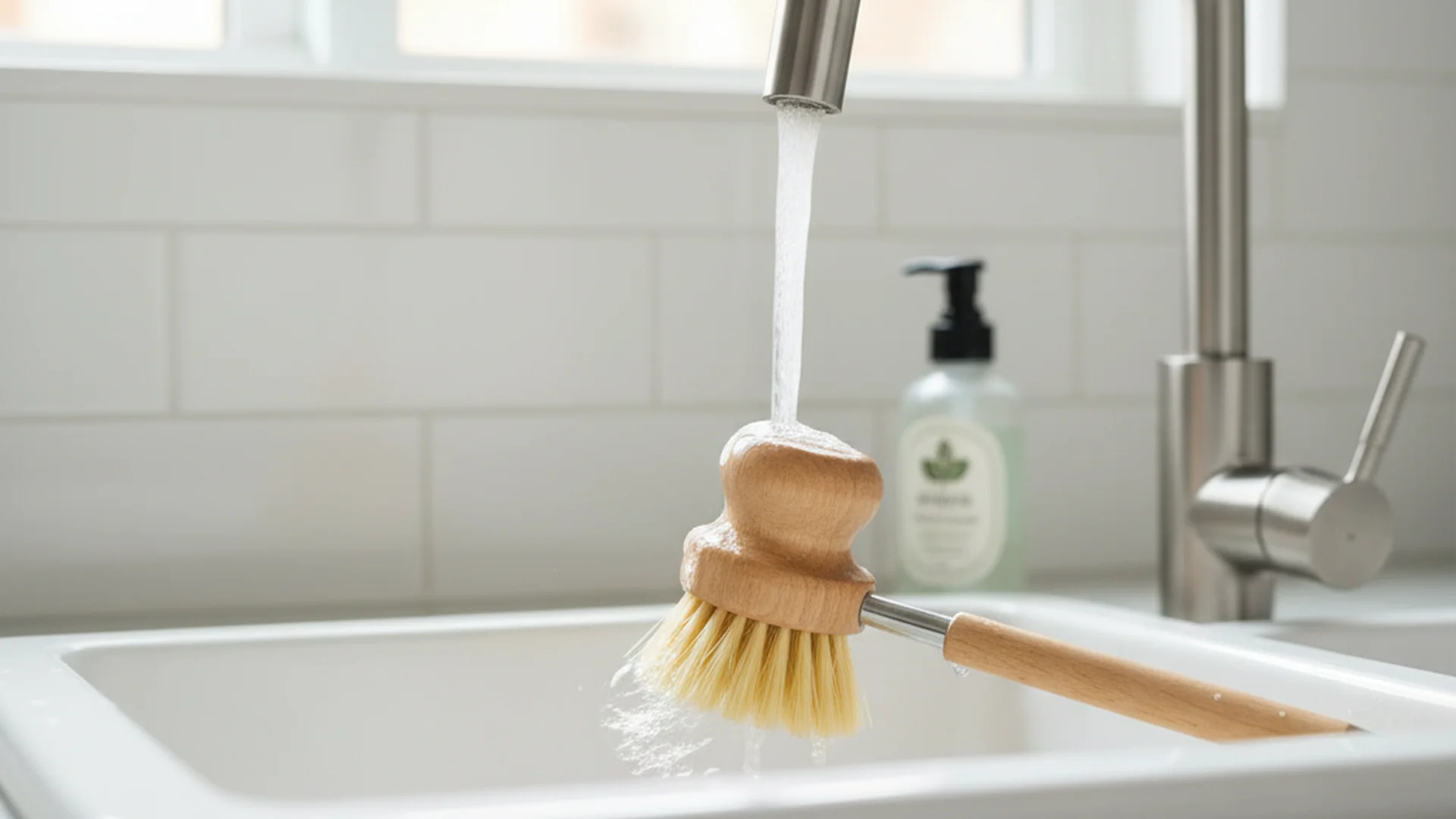
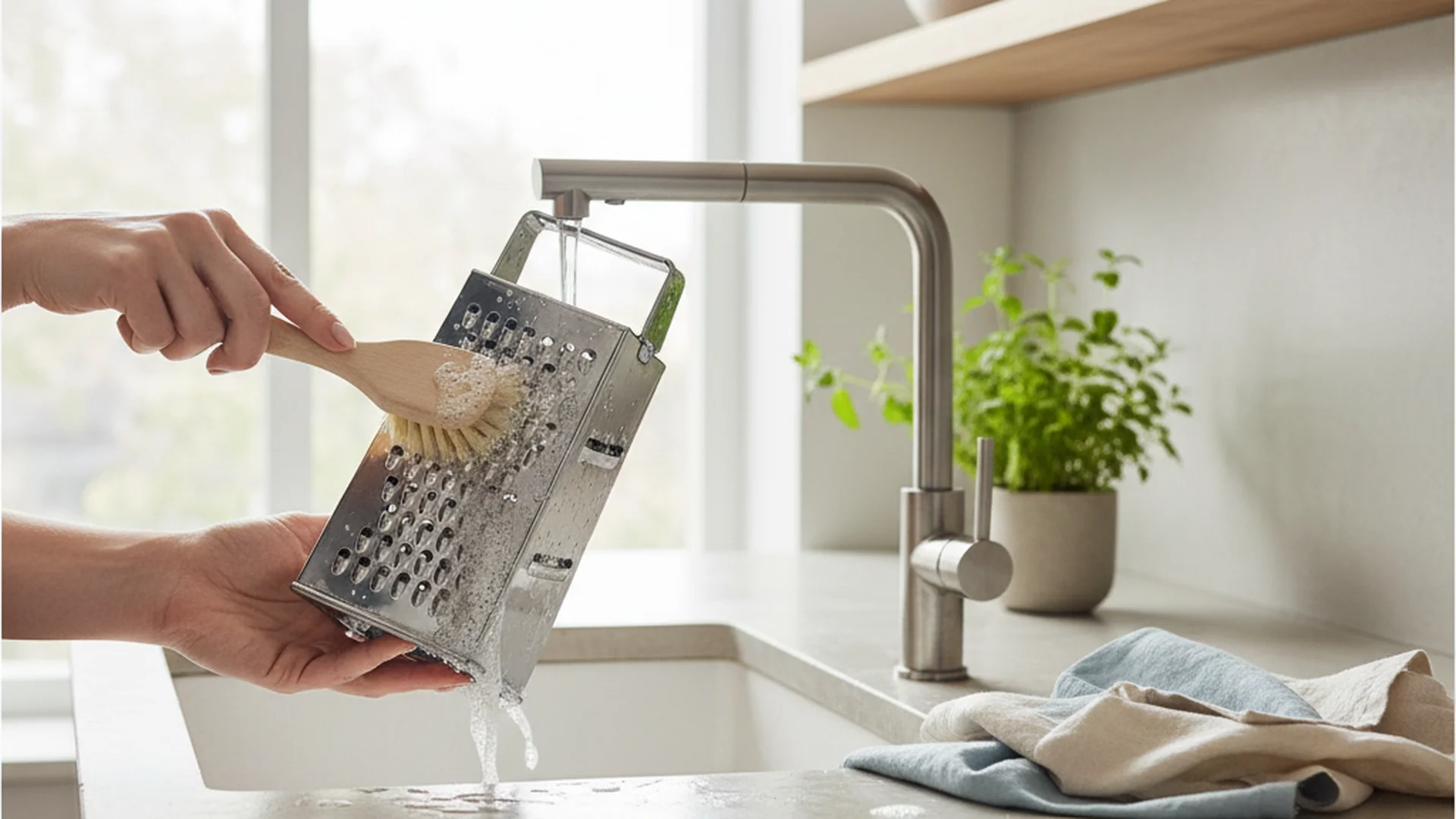
As soon as you finish grating, run the tool under warm water. Many people make the mistake of using boiling water. However, boiling water can actually "cook" certain cheese proteins onto the metal, making them stickier and harder to remove. Lukewarm to warm water softens the fats without setting the proteins.
Directional Scrubbing
The "Sponge Crisis" is real—almost every home cook has shredded a sponge trying to scrub a grater. This doesn't just ruin the sponge; it leaves microplastic contamination inside the grater holes.
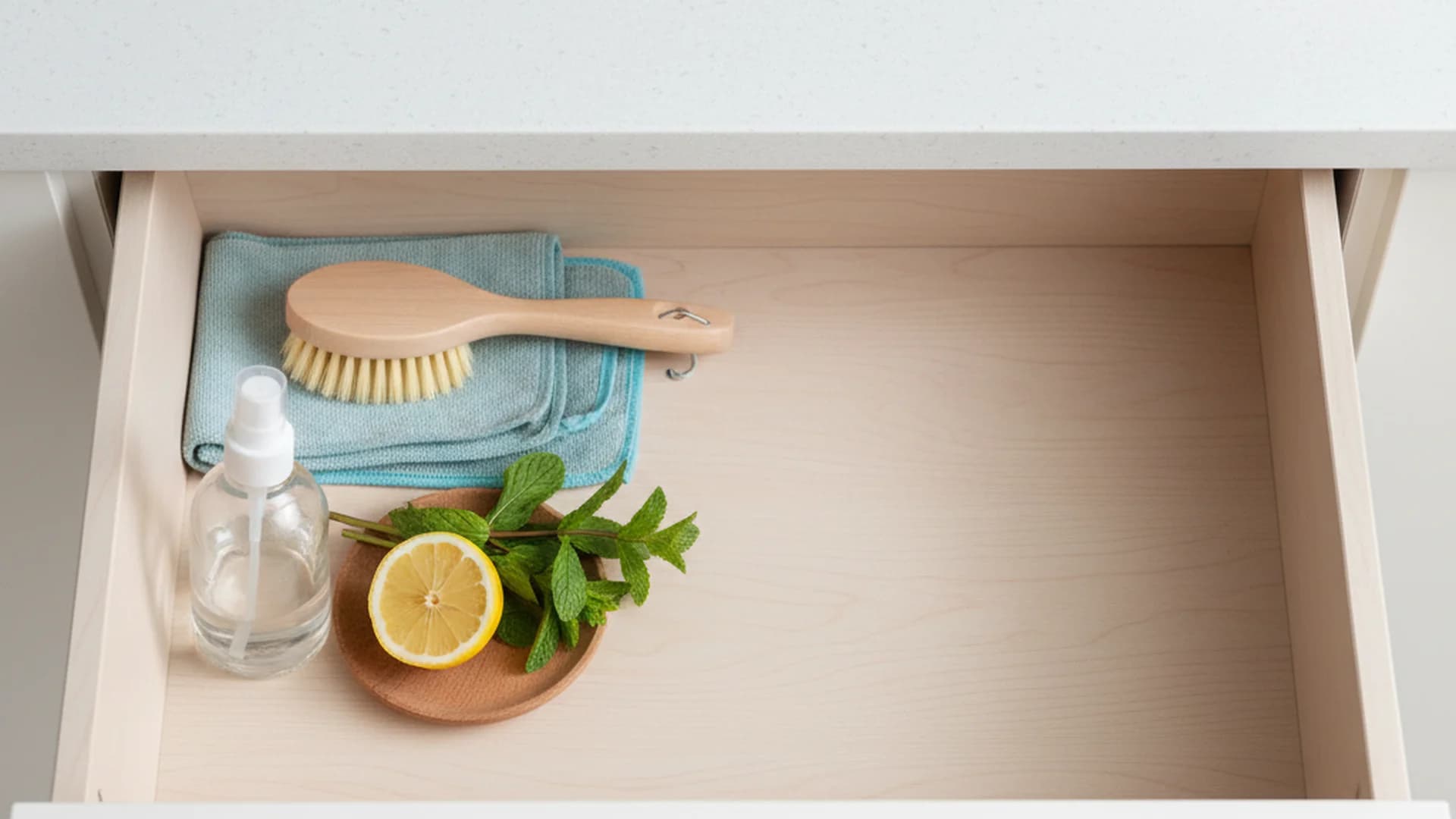
Instead of a sponge, use a stiff-bristled nylon or bamboo-handled agave fiber brush. The key is to scrub in the opposite direction of the grating motion. This allows the bristles to enter the holes and push the cheese out from the back, rather than getting snagged on the sharp edges.
Tip: Use an old toothbrush specifically for fine-etched microplanes. The smaller head allows for precision cleaning in the tiny teeth where standard brushes can't reach.
Professional Hacks for Stubborn, Dried Residue
If you missed the 10-minute window and are now facing rock-hard cheese, don't panic. You don't need harsh chemicals.
The Potato Hack
This is a favorite among professional chefs. If bits of cheese are stuck in the holes, grate a small portion of a raw potato. The oxalic acid in the potato acts as a natural cleaner, and its firm texture pushes out cheese remnants while polishing the stainless steel. Once you're done, simply rinse the potato starch away.
The Lemon and Salt Method
For graters that have developed a "funky" smell or a greasy film, the lemon and salt method is the gold standard for 2026.
- Cut a lemon in half.
- Dip the cut side into coarse sea salt.
- Scrub the grater surfaces vigorously.
- The citric acid acts as a powerful degreaser, while the salt provides a safe abrasive that won't dull the blades.
Success: This method not only removes stubborn fats but also neutralizes odor-causing bacteria, leaving your grater smelling fresh and looking brand new.
The Vinegar Soak
For extremely stubborn, dried-on cheese, a 5-minute soak in a mixture of warm water and white vinegar can break down the proteins. Vinegar lowers the pH, making the cheese more soluble. After the soak, a quick brush-through should clear the holes easily.
Modern Trends in Grater Maintenance (2025–2026)
The kitchen cleaning industry is moving toward sustainability and high-tech solutions. If you're looking to upgrade your kitchen game this year, keep these trends in mind.
Sustainable Scrubbers
In 2026, the shift away from disposable plastic sponges is nearly complete. Professionals now recommend silicone scrubbers or bamboo-handled brushes. Unlike sponges, silicone is antimicrobial and won't shred on sharp edges, preventing microplastic contamination in your food.
High-Tech Dishwashers
While hand-washing is still the gold standard for blade longevity, new AI-integrated dishwasher models feature "Intensive Zone" sensors. These sensors detect high-residue items like graters and apply targeted, high-pressure jets to clear the holes without the need for abrasive detergents that dull the metal.
Hydrophobic Coatings
Higher-end graters are now being manufactured with hydrophobic (water-repelling) coatings. These "rinse-and-go" surfaces prevent cheese oils from adhering in the first place, making the cleaning process almost instantaneous.
Note: Even if your grater is labeled "dishwasher safe," the high-heat cycles can eventually temper the metal, making the blades brittle. If you value your tools, hand-wash them whenever possible.
Common Mistakes to Avoid
To keep your grater in top shape for years, avoid these frequent pitfalls:
| Mistake | Why it's Bad | The Fix |
|---|---|---|
| Using a sponge | Leaves microplastics and shreds the foam | Use a nylon or natural fiber brush |
| Air-drying flat | Causes moisture to pool and leads to rust | Dry upright or use a microfiber cloth |
| Using boiling water | "Cooks" proteins onto the metal | Use lukewarm water for the initial rinse |
| Long-term soaking | Causes pitting corrosion and rust | Limit soaks to 5-10 minutes maximum |
Frequently Asked Questions
Can I put my cheese grater in the dishwasher?
How do I get dried, rock-hard cheese off the blades?
Why does my grater always smell like old cheese even after washing?
Is there a way to clean it without ruining my sponge?
Conclusion
Mastering how to clean cheese grater tools is a small but vital part of maintaining a professional-standard kitchen. By moving away from the "sponge and soak" method and embracing directional brushing and natural abrasives like the potato hack, you protect your health, your equipment, and your food quality.
Remember, the goal is to remove the fats and proteins before they have a chance to oxidize or host bacteria. A quick rinse and a smart scrub are all it takes to keep your kitchen running safely and efficiently.
Success: Consistently using these methods will extend the life of your grater by years and ensure every meal you prepare is free from cross-contamination.
Cleaning that keeps score
Every task earns points, every streak multiplies them, and Premium adds a household leaderboard plus a monthly Dustagorgon to beat.
- Free forever
- 30 badges to earn
- Up to 6 in a household
No card needed. Set up your rooms in a couple of minutes.