In this article
What you’ll learn
- Match your cleaning method to the pan's material to avoid permanent damage.
- The "Aluminum Foil Hack" is the most efficient method for stainless steel in 2025.
- Avoid the "Volcano Effect" by using vinegar and baking soda sequentially, not simultaneously.
We have all been there: a momentary distraction—perhaps a phone call or a rogue sourdough timer—and suddenly your favorite skillet is covered in a stubborn, blackened crust. Learning how to clean burnt pan surfaces is a rite of passage for every home cook, especially with the 2025 resurgence of high-heat artisan cooking. While your first instinct might be to toss the pan in the trash, nearly any piece of cookware can be salvaged with the right chemistry and a little patience.
In this guide, we will explore the best way clean burnt pan interiors and exteriors using modern, non-toxic methods that protect your health and the environment. Whether you are dealing with a scorched stainless steel pot or a delicate ceramic pan, these expert-backed techniques will restore your kitchen arsenal to its former glory.
Identify Your Material Before You Begin
Before you reach for the scrub brush, you must identify what your pan is made of. Using the wrong abrasive on a delicate surface is the quickest way to turn a temporary burn into permanent damage.
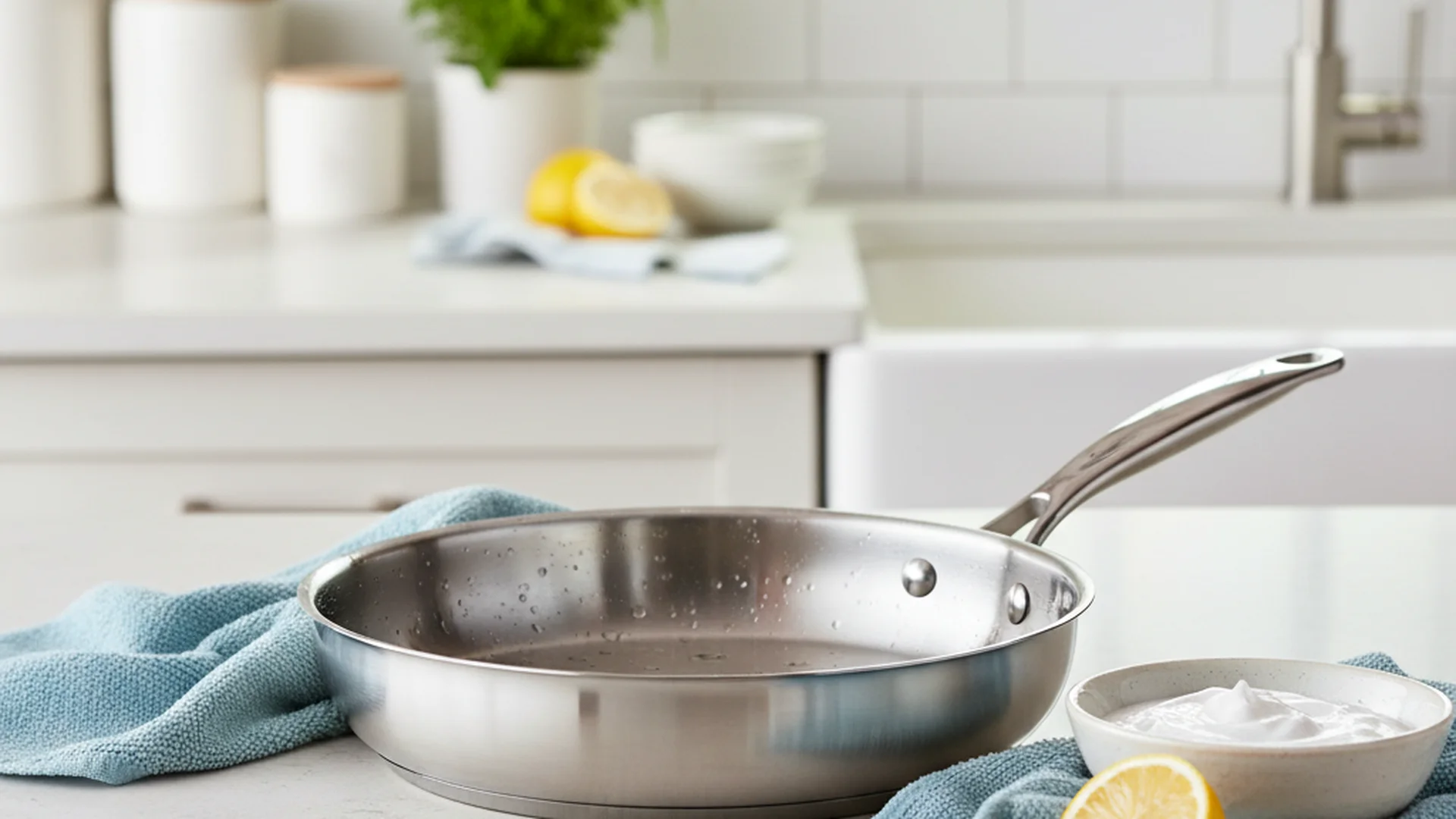
Stainless Steel
The workhorse of the modern kitchen. It is durable but prone to "rainbow" heat tints and carbonized oil. It can handle heavy scrubbing but hates chlorine bleach.
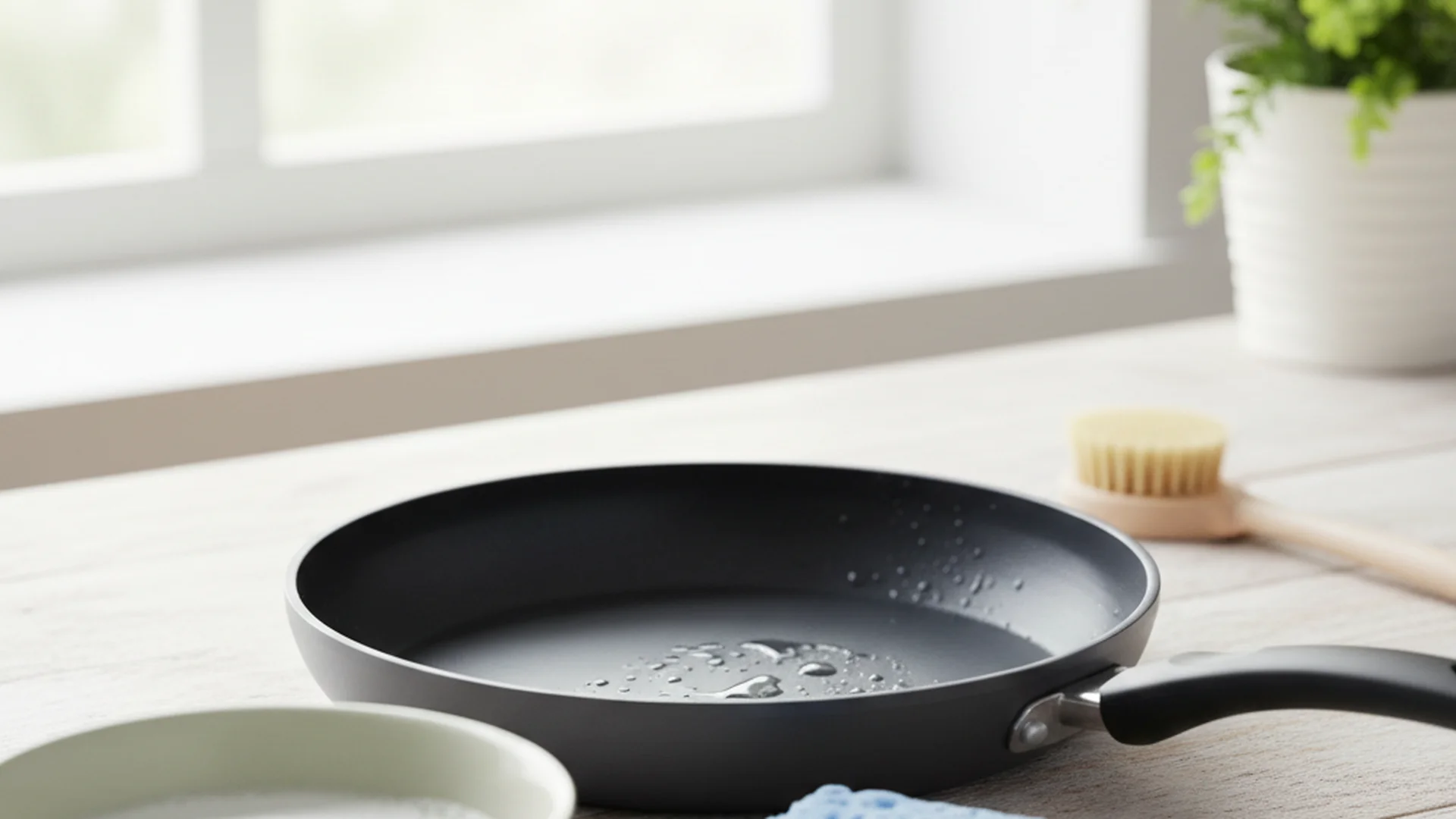
Non-Stick and Ceramic
These are the most delicate. As we move into 2026, more households are switching to PFAS-free ceramic coatings. These require gentle, non-abrasive methods to maintain their "easy-release" properties.
Cast Iron and Carbon Steel
These rely on a layer of "seasoning" (polymerized oil). Harsh soaps or boiling acidic liquids for too long can strip this protective layer, leading to rust.
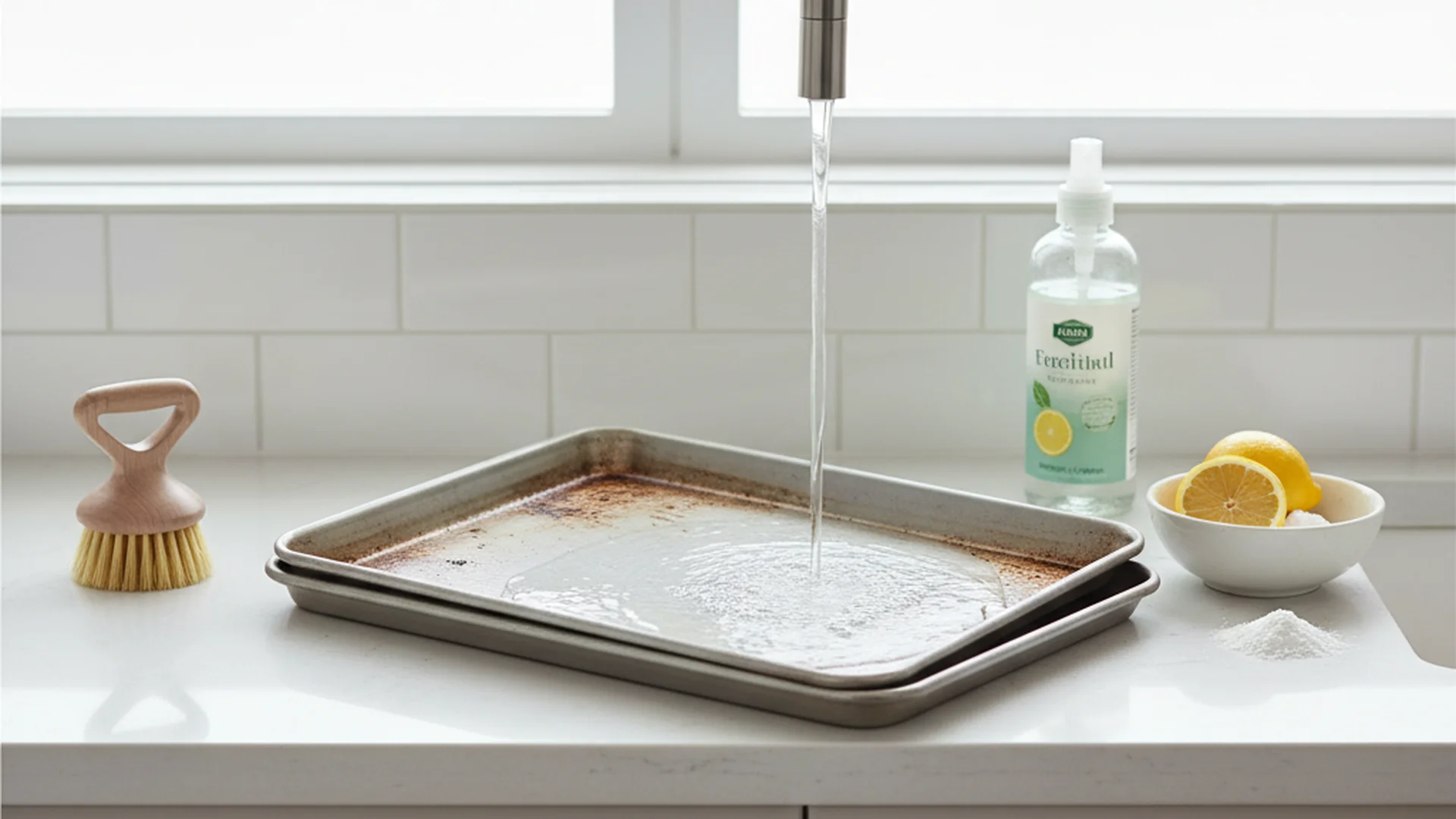
Aluminum
Often found in baking sheets or lightweight frying pans. Aluminum is reactive; using high-acid cleaners like vinegar for extended periods can cause "pitting" or grey discoloration.
Warning: Never plunge a scorching hot pan into cold dishwater. This causes "thermal shock," which can permanently warp or bow the base of your cookware.
The "Holy Trinity" of Cleaning Methods
Based on 2025 testing data, these three methods are the most effective for general burns.
1. The Baking Soda and Vinegar Technique (The Right Way)
Many people make the mistake of mixing these two immediately, creating a fizzing "volcano" that looks cool but actually neutralizes the cleaning power.
- Step 1: Pour enough white vinegar into the pan to cover the burnt area.
- Step 2: Bring the vinegar to a simmer on the stove for 5 minutes. This acidity begins to break down the carbon bonds.
- Step 3: Remove from heat and drain the vinegar.
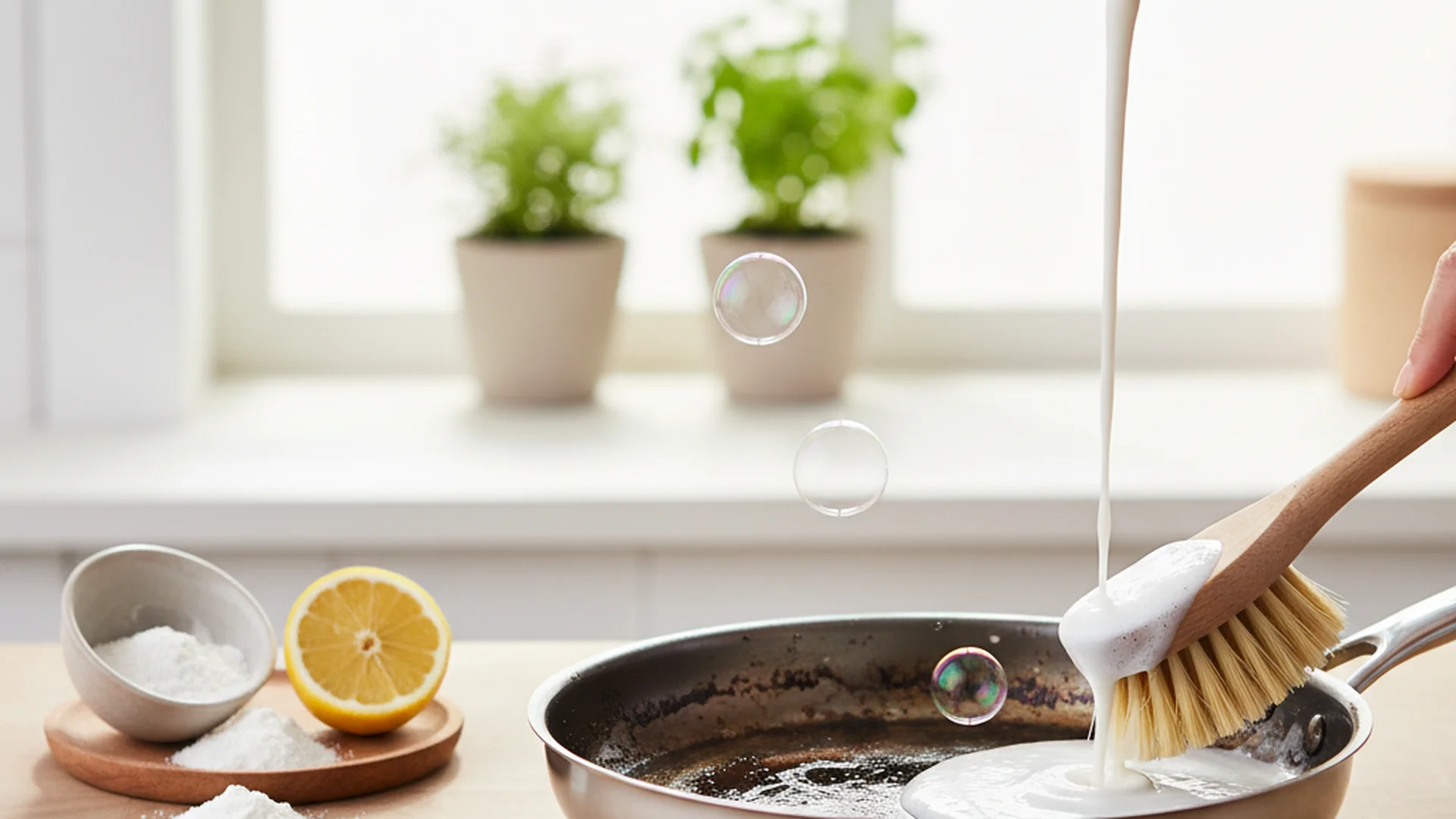
- Step 4: While the pan is still warm, apply a thick paste of baking soda and a few drops of water. Scrub with a non-scratch pad.
2. The 2025 Efficiency Winner: Aluminum Foil and Baking Soda
Research from late 2024 shows that for stainless steel, a crumpled ball of aluminum foil is 70% faster than traditional sponges.
- Example: Imagine a stainless steel pot used for a thick tomato sauce that caught on the bottom. After a 10-minute soak in warm water, sprinkle a generous amount of baking soda over the scorch marks. Use a small, crumpled ball of aluminum foil to "buff" the stains away. The foil acts as a targeted abrasive that is harder than the burnt food but softer than the steel.
3. The Lemon Boil for Aluminum
Since you should avoid vinegar on bare aluminum, lemons are your best friend.
- Step 1: Quarter 2–3 lemons and place them in the burnt pan.
- Step 2: Fill with water and bring to a rolling boil for 10 minutes.
- Step 3: The citric acid lifts the scorch marks. Discard the water and lemons, then wipe clean with a soft cloth.
Tip: If you’re dealing with a "rainbow" stain on stainless steel, this is likely caused by overheating. A quick wipe with a cloth dipped in diluted vinegar or a specialized cleaner like Bar Keepers Friend will remove it instantly.
Material-Specific Deep Dives
Restoring Stainless Steel to a Mirror Finish
For professional-grade results, Bar Keepers Friend (which contains oxalic acid) remains the gold standard. It is specifically designed to tackle the molecular bond between the burnt fat and the metal.
Note: When scrubbing stainless steel, always try to scrub in the direction of the metal's grain (the faint lines on the surface) to maintain the shine.
Salvaging Non-Stick and Ceramic
If your non-stick pan has a "sticky" brown residue, it’s usually burnt-on fat, not the coating itself.
- Method: Fill the pan with water and 2 tablespoons of baking soda. Simmer for 15 minutes. Use a silicone scraper to gently lift the softened debris.
- Expert Recommendation: In 2026, experts suggest moving away from green-and-yellow sponges, which can trap bacteria. Instead, use an ergonomic silicone dish brush for non-stick surfaces.
The Cast Iron "Exfoliation"
If you’ve burnt sugar or protein onto your cast iron, don't reach for the soap immediately.
- Example: A honey-glazed salmon fillet that charred onto your skillet. Pour in a half-cup of coarse Kosher salt and a tablespoon of vegetable oil. Use a paper towel to scrub the salt around like an exfoliant. The salt provides the grit needed to remove the burn without stripping the seasoning.
Success: For severe cast iron disasters, a "chainmail scrubber" (often called "The Ringer") is a professional-grade tool that can remove carbonized food in seconds without harming the metal.
Modern Cleaning Trends: Bio-Enzymatic Cleaners
As we move toward 2026, the "Eco-Cleaning" shift is dominating the market. Many home cooks are now using bio-enzymatic cleaners. These products use plant-based enzymes to "eat" organic matter. If you have a burnt Dutch oven from a sourdough loaf, applying an enzymatic spray and leaving it for 30 minutes allows the enzymes to digest the proteins and starches, making the cleanup effortless.
Common Mistakes to Avoid
- The "Volcano" Myth: As mentioned, mixing vinegar and baking soda together creates carbon dioxide gas (the fizz), but the resulting liquid is mostly salty water. Use them separately for the best results.
- Over-soaking Cast Iron: Never leave cast iron in the sink overnight. It will rust, and the rust is much harder to fix than the burn.
- Using Steel Wool on Stainless: While effective, it creates microscopic scratches that make food stick even more in the future. Stick to the aluminum foil method.
- Relying on the Dishwasher: High-heat drying cycles in dishwashers can "bake" a small stain into a permanent one. Hand-washing is always the best way clean burnt pan surfaces for longevity.
Frequently Asked Questions
Can I use Coca-Cola to clean a burnt pan?
Is my non-stick pan ruined if food is burnt onto it?
Does toothpaste actually work for cleaning pans?
How do I clean the black carbon off the bottom of my pans?
Is it safe to use oven cleaner on my pots and pans?
Conclusion
Cleaning a burnt pan doesn't have to be a grueling chore. By understanding the chemistry of your ingredients—using acids like vinegar and lemons to loosen bonds and alkalis like baking soda to lift grease—you can restore almost any piece of cookware. Remember to always prioritize the material of your pan, avoid thermal shock, and embrace the efficiency of the 2025 "Aluminum Foil Hack" for your stainless steel.
Success: With these methods, you've not only saved money by not replacing your cookware but also reduced waste by keeping your pans in the kitchen and out of the landfill.
Cleaning that keeps score
Every task earns points, every streak multiplies them, and Premium adds a household leaderboard plus a monthly Dustagorgon to beat.
- Free forever
- 30 badges to earn
- Up to 6 in a household
No card needed. Set up your rooms in a couple of minutes.