In this article
What you’ll learn
- Use baking soda and hydrogen peroxide for the most effective deep clean.
- Avoid the dishwasher to prevent oxidation and permanent damage to aluminum.
- Match your cleaning method to the pan material (aluminum vs. non-stick).
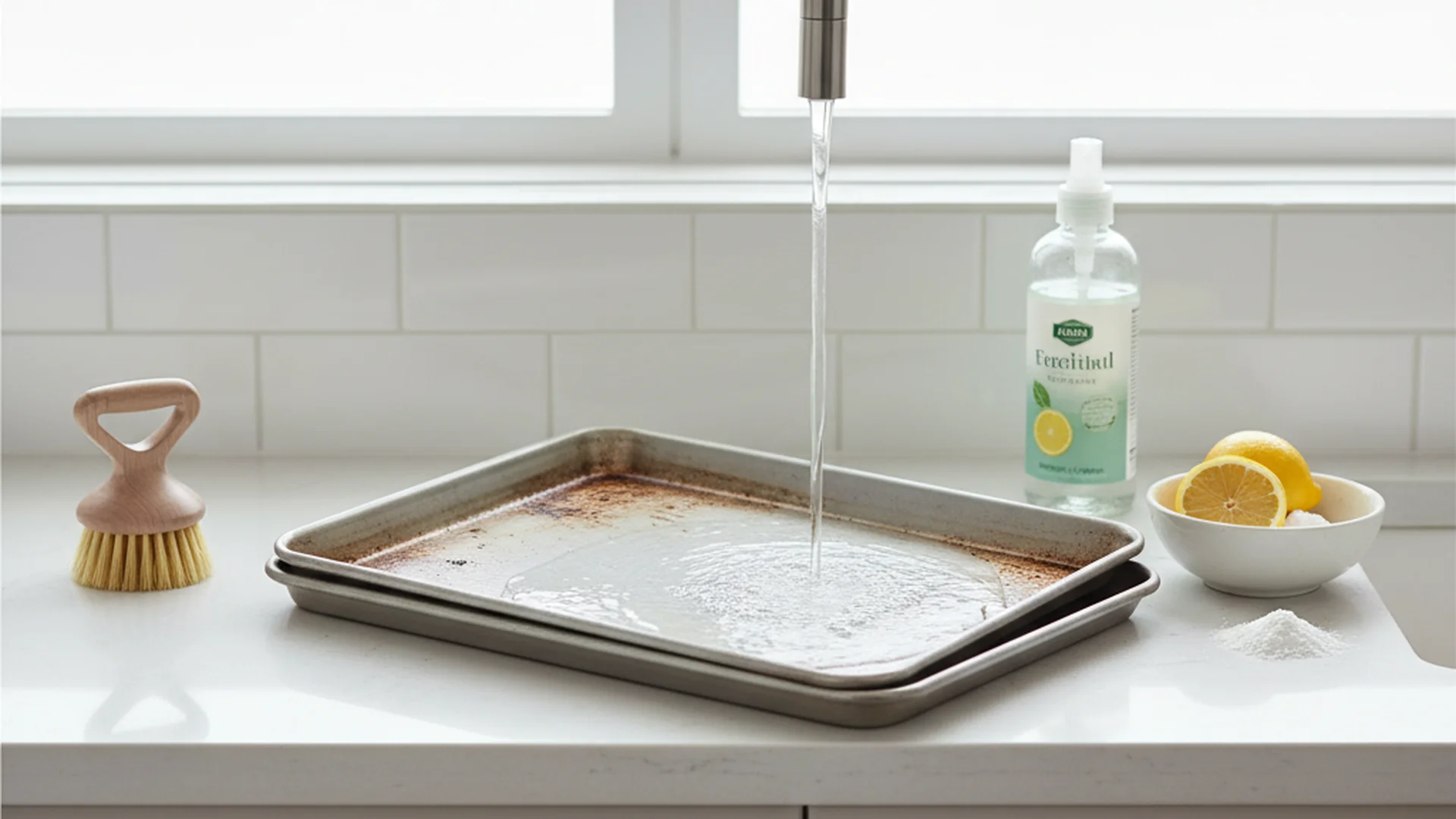
We have all been there: standing in the kitchen, looking at a once-shiny pan that is now covered in a stubborn, sticky, brown layer of mystery residue. Whether you are an avid baker or a sheet-pan dinner enthusiast, learning how to clean baking sheets properly is the difference between a kitchen tool that lasts a lifetime and one that ends up in a landfill. In 2025, the trend has shifted away from "disposable" living.
Why Cleaning Your Bakeware Matters in 2026
It isn't just about aesthetics. While a professional chef might talk about a "seasoned" pan, there is a massive difference between a functional patina and dangerous grime. Built-up, polymerized oils can actually go rancid over time, transferring unpleasant "off" flavors to your delicate cookies or roasted vegetables.
Furthermore, carbonized buildup—those black, crusty spots—creates "hot spots" on the metal. This leads to uneven heat distribution, meaning one side of your tray might burn while the other remains doughy. In the current era of "green" cleaning, more and more households are prioritizing non-toxic methods to handle these issues, moving away from harsh industrial degreasers in favor of smarter, bio-based solutions.
The Aluminum Workhorse: Deep Cleaning Methods
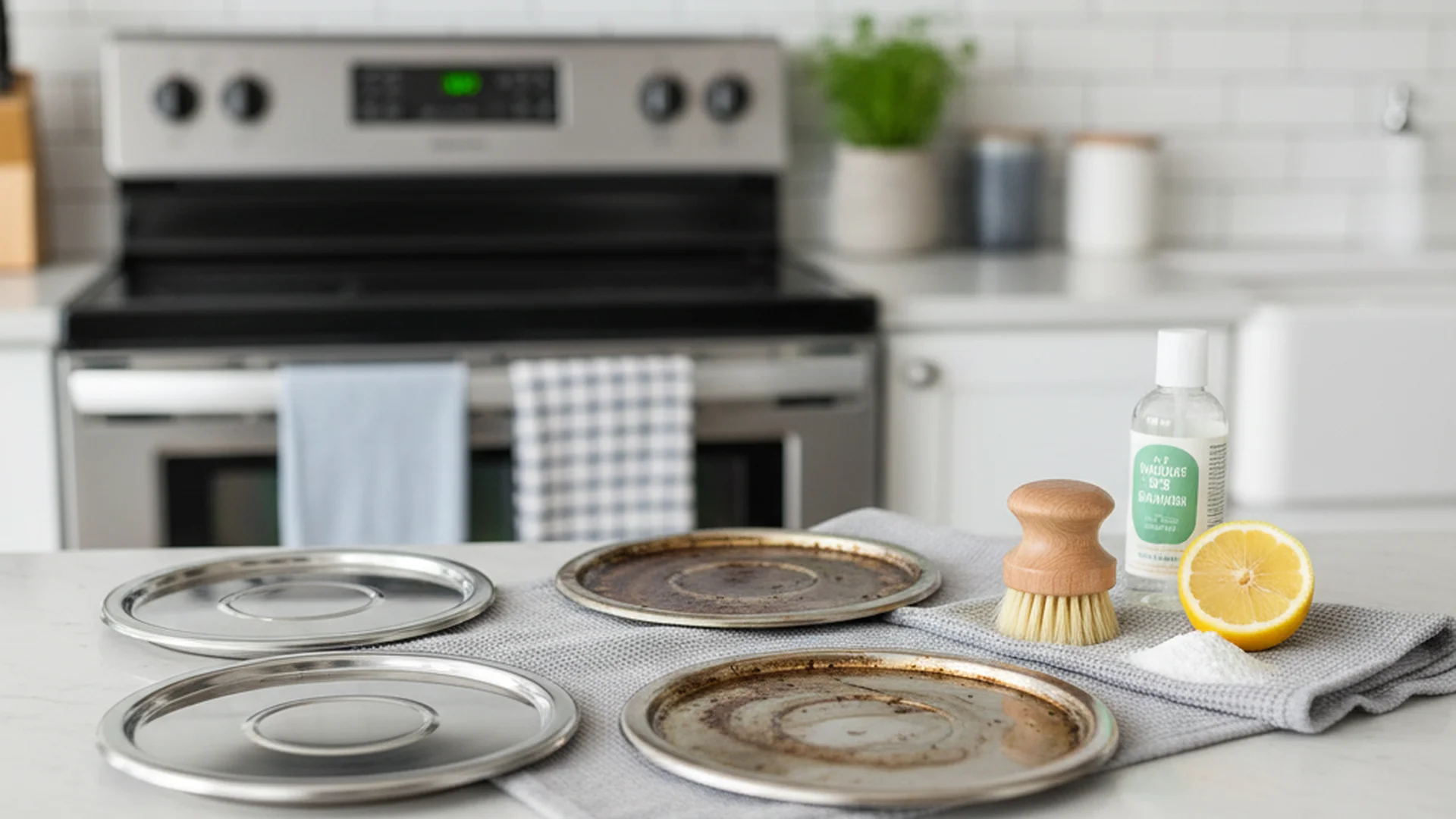
Most home bakers use natural aluminum sheets. They are excellent heat conductors, but they are also highly reactive. If your aluminum pans look like they’ve seen better days, here are the two best ways to clean baking sheets of this type.
The "Overnight Paste" Method (Heavy Duty)
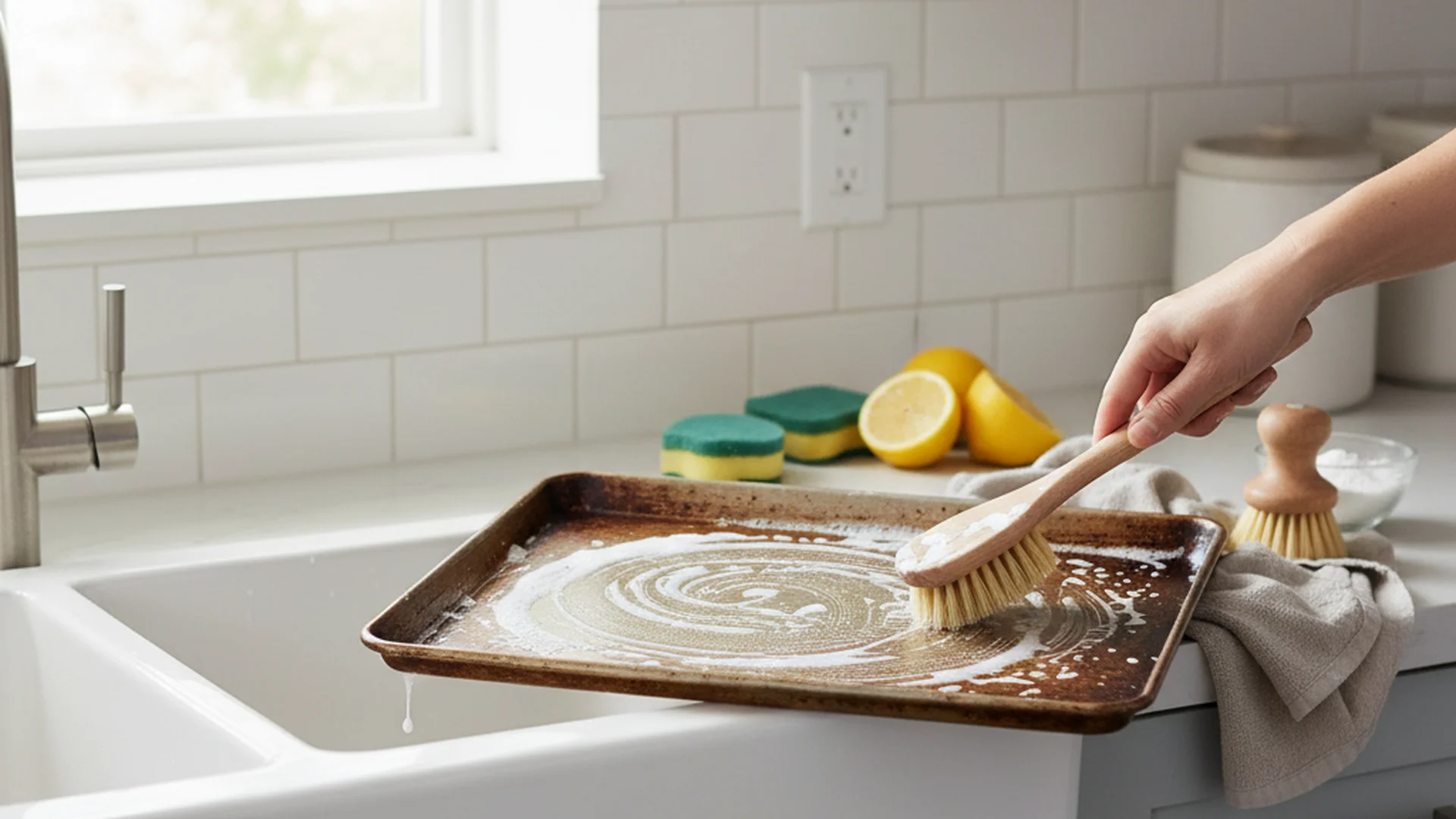
This is the gold standard for pans that look beyond saving. When baking soda (a base) is mixed with hydrogen peroxide (an oxidizer), it creates a chemical reaction that breaks the organic bonds of polymerized grease.
- Create the Paste: Mix roughly 1/2 cup of baking soda with enough hydrogen peroxide to create a thick, gritty paste (similar to toothpaste consistency).
- Apply: Spread the paste evenly over the stained areas of the sheet.
- The Wait: Let it sit for 2 to 8 hours. For extreme cases, a full 8-hour soak is best.
- Wipe and Rinse: Use a standard sponge to wipe the paste away. You’ll see the brown residue lift effortlessly.
Tip: If you have high-walled rimmed baking sheets, you can spray the peroxide directly onto the soda once it's already spread across the pan to ensure even coverage.
The Fizzy Soak (Medium Duty)
If your pans just have a slight "tackiness" or light browning, a fizzy soak is a faster alternative.
- Sprinkle a generous layer of baking soda over the pan.
- Pour white vinegar over the top until it fizzes vigorously.
- Submerge the pan in a sink filled with very hot water for 30–60 minutes.
- Scrub with a non-scratch pad.
Warning: Never use this method on a hot pan. "Thermal shock"—rinsing a hot pan with cold water—is the leading cause of warped bakeware.
Specialized Care for Non-Stick and Ceramic Sheets
The methods above are great for raw metal, but 2026 has seen a massive surge in PFAS-free ceramic bakeware. These require a much gentler touch to protect the "forever chemical-free" coating.
Caring for Ceramic and PTFE
Non-stick surfaces are delicate. If you use abrasive pads or harsh chemicals, you create microscopic scratches that actually make food stick more over time.
- The Gentle Paste: Use only baking soda and water. Avoid the hydrogen peroxide here as it can be too aggressive for some ceramic finishes.
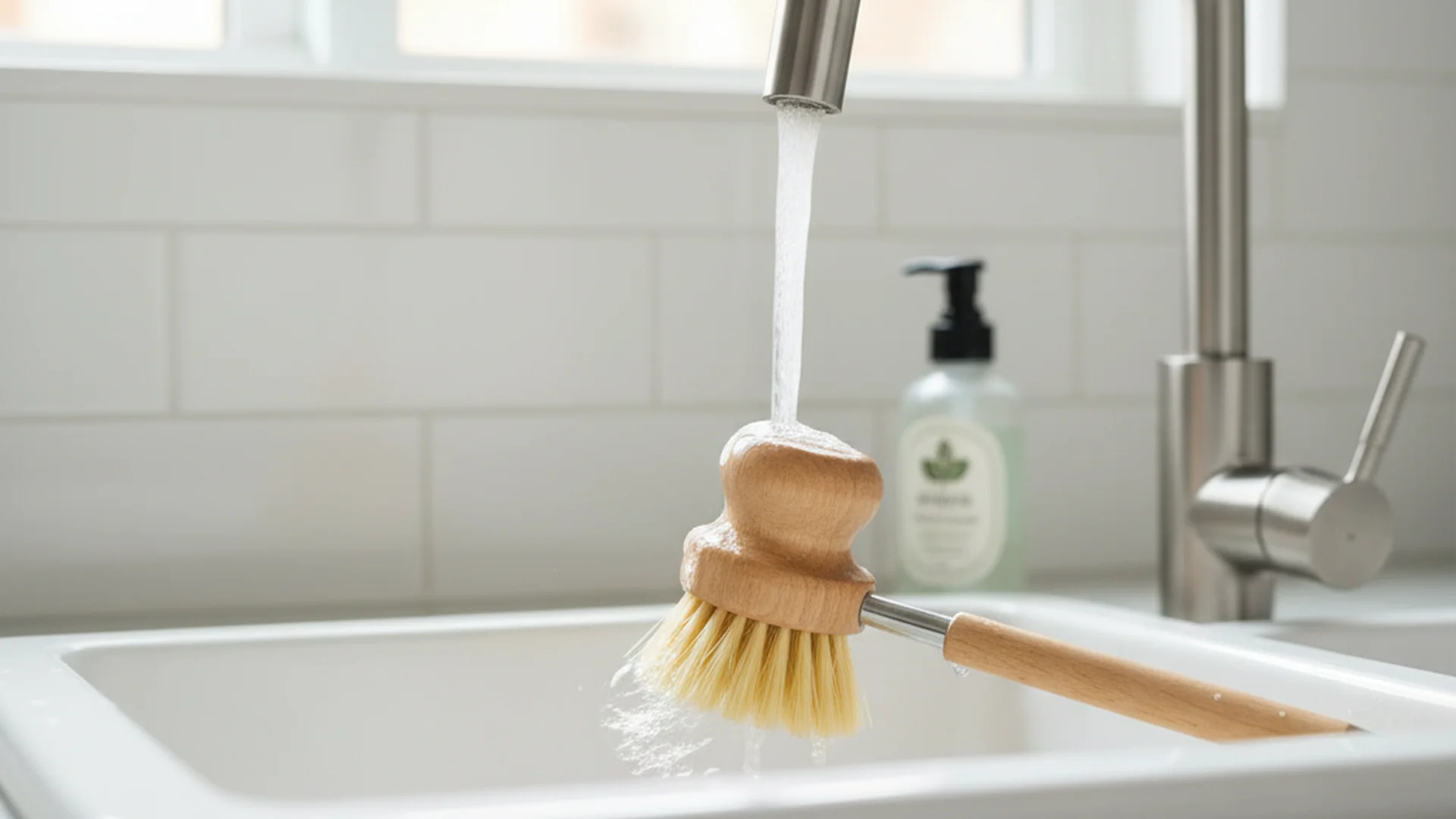
- Soft Tools: Use a soft nylon brush or a microfiber cloth.
- pH-Neutral Cleaners: Look for the new wave of enzyme-based cleaners hitting the market. These use lipase (which breaks down fats) and amylase (which breaks down starches) to "eat" the grime without scrubbing.
| Material | Best Cleaner | Tool to Use | Avoid |
|---|---|---|---|
| Aluminum | Baking Soda + Peroxide | Scouring Pad | Dishwasher |
| Non-Stick | Dish Soap + Soda | Soft Sponge | Steel Wool |
| Ceramic | Enzyme Cleaner | Nylon Brush | Metal Scrapers |
| Stainless | Bar Keepers Friend | Steel Wool | Bleach |
The Foil Ball Hack for Commercial Aluminized Steel
If you use heavy-duty, commercial-grade aluminized steel pans (often found in restaurant supply stores), you have a secret weapon: Aluminum Foil.
Note: This method is only for uncoated, sturdy steel pans. Do not use this on your shiny Nordic Ware or any non-stick surface!
Crumple up a ball of aluminum foil into the size of a golf ball. Use a bit of dish soap and a splash of water, and use the foil ball as a scrubber. The foil is hard enough to scrape off carbonized "black spots" but soft enough that it won't gouge the heavy steel. It is an incredibly efficient way to restore a commercial pan to its original silver luster.
Real-World Examples of Pan Restoration
Example 1: The "Cookie Test"
A home baker in Seattle noticed her chocolate chip cookies were burning on the bottom before the tops were set. Upon inspection, her aluminum sheets had a thick, dark brown coating. After using the Overnight Paste Method, the pans returned to their silver state. The result? The "hot spots" vanished, and her next batch of cookies baked perfectly evenly.
Example 2: The Rancid Oil Discovery
A family reported a "fishy" smell whenever they roasted potatoes. They realized the underside of their baking sheet was covered in years of dripped grease. This grease had gone rancid from repeated heating. By deep cleaning the entire pan—top and bottom—the smell was eliminated, and the kitchen air quality improved.
Example 3: The Gifted Heirloom
A vintage enthusiast bought a set of high-end aluminized steel pans at an estate sale that looked completely black. Using the Foil Ball Hack and some elbow grease, they restored $150 worth of bakeware for the price of a roll of foil, proving that restoration is almost always better than replacement.
Common Mistakes to Avoid
- Using the Dishwasher: This is the #1 mistake. Even if a pan says "dishwasher safe," the caustic detergents cause a chemical reaction called oxidation. This turns your silver aluminum pans a dull, greyish-black that can rub off on your hands and food.
- Steel Wool on Non-Stick: It may seem like the fastest way to get the gunk off, but you are effectively stripping the non-stick coating, which could lead to chemicals flaking into your food.
- Mixing Vinegar and Baking Soda for "Power": While the fizzing looks cool and helps lift debris mechanically, the two actually neutralize each other, leaving you with sodium acetate (salt water). For a real chemical clean, use the paste form so the ingredients stay active.
- Ignoring the Underside: Grease on the bottom of the pan is a fire hazard. It smokes in the oven and can eventually transfer to the heating elements.
Frequently Asked Questions
Is my baking sheet supposed to be brown?
How do I get off "burnt-on" black spots?
Why did my baking sheet warp in the oven?
Can I use Bar Keepers Friend on aluminum?
Conclusion
Mastering the art of how to clean baking sheets is a foundational skill for any modern kitchen. By choosing the right method—whether it’s the powerful baking soda and peroxide paste for aluminum or a gentle enzyme soak for ceramic—you can extend the life of your bakeware by decades. Not only does this save you money, but it ensures that your food tastes exactly how it was intended, free from the flavors of rancid oils or the bitterness of carbonized residue.
Success: Regularly maintaining your baking sheets ensures even heat distribution and better-tasting food for years to come.
Cleaning that keeps score
Every task earns points, every streak multiplies them, and Premium adds a household leaderboard plus a monthly Dustagorgon to beat.
- Free forever
- 30 badges to earn
- Up to 6 in a household
No card needed. Set up your rooms in a couple of minutes.