In this article
What you’ll learn
- Chores at ages 3-4 catch children while they still want to help.
- Focus on participation and effort rather than perfection.
- Use child-sized tools and collaborative "Do-With" methods.
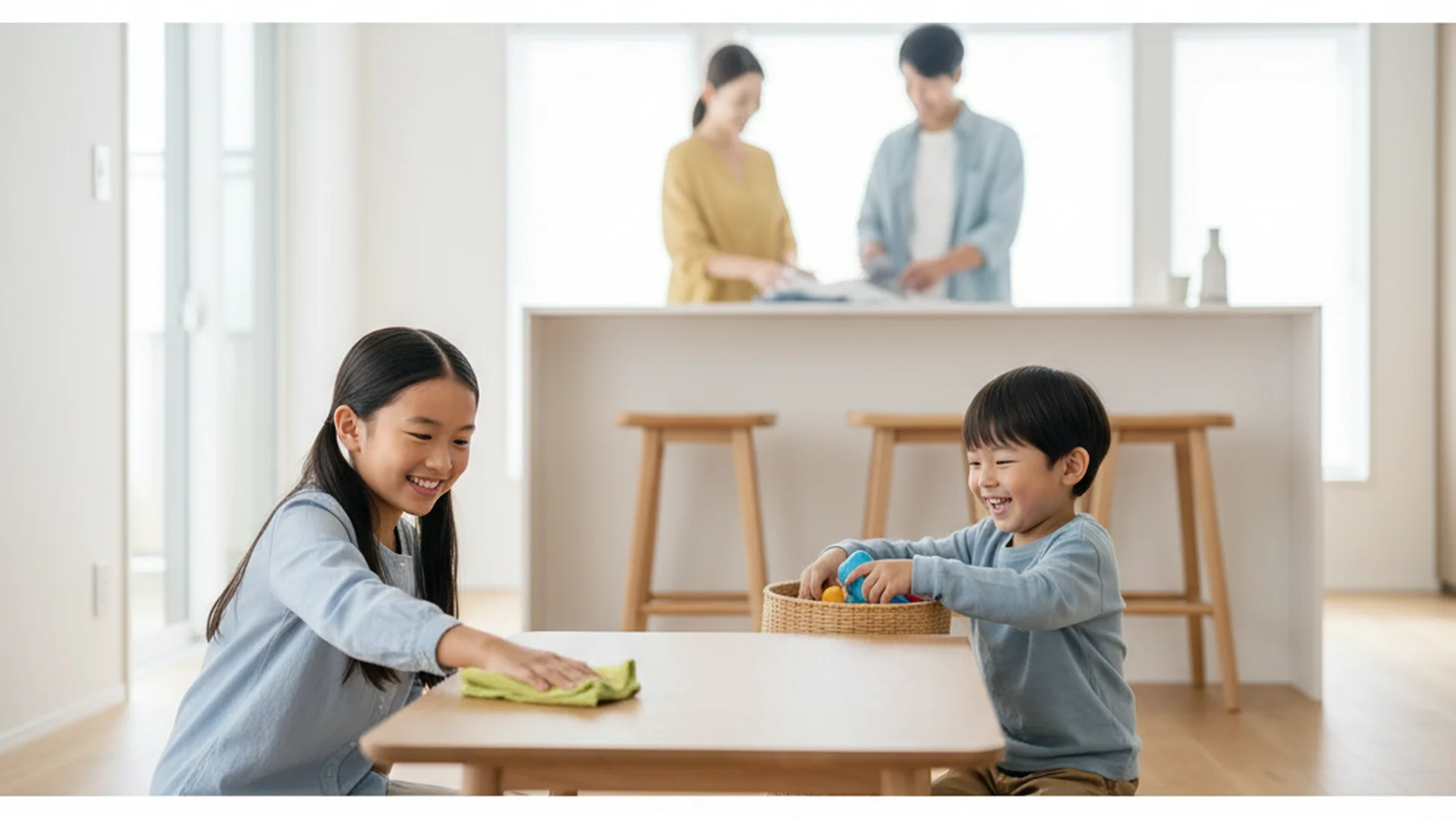
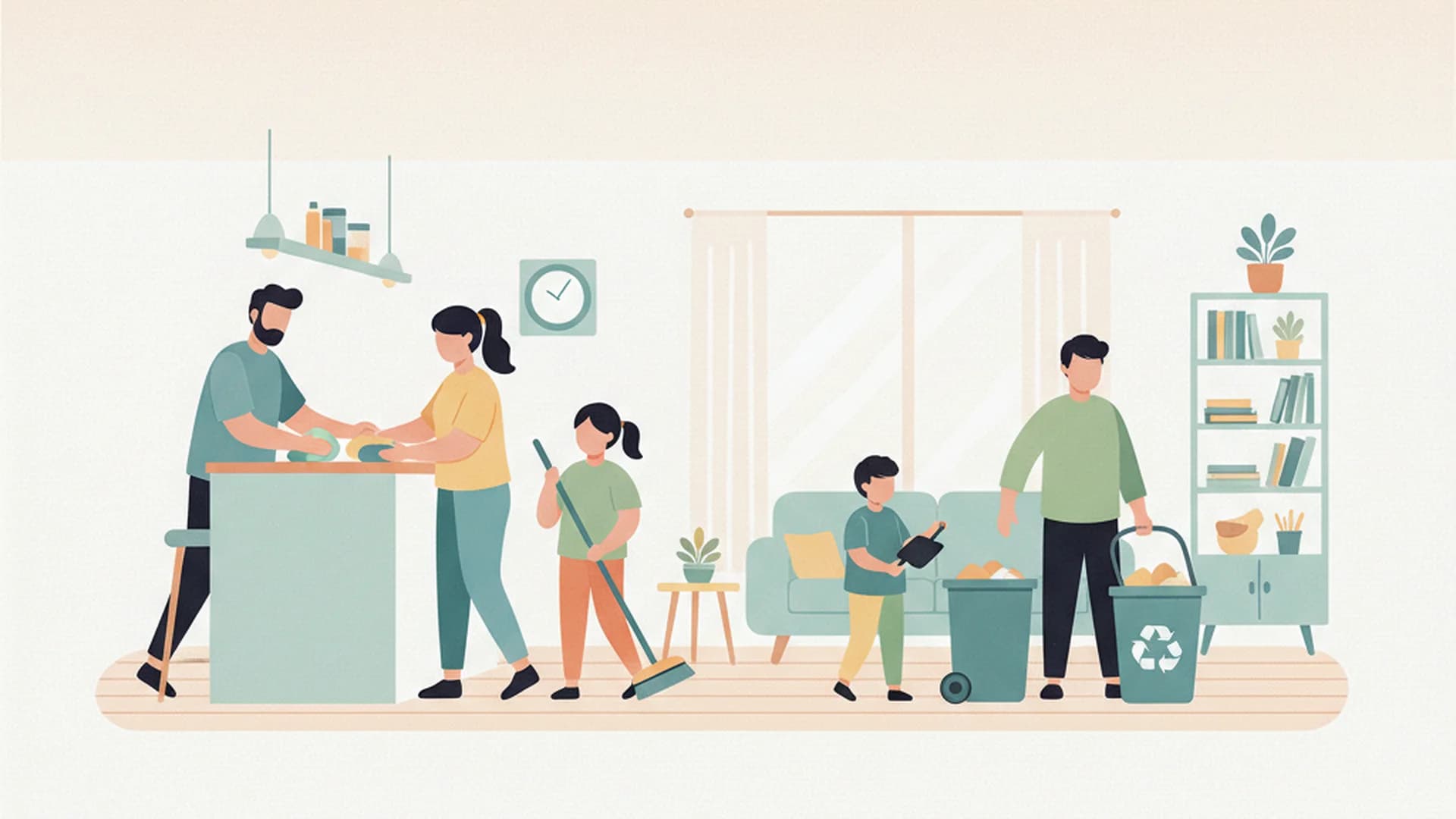
Many parents look at their three-year-old and see a whirlwind of energy, toy cars, and half-eaten snacks. It is easy to think, "I'll wait until they are older to help out," but introducing chores for preschoolers is one of the most impactful parenting decisions you can make. Far from being "free labor," household tasks at this age are essential developmental building blocks. When we invite our youngest family members to participate in the upkeep of our homes, we aren't just getting the floor swept—we are raising capable, resilient future adults.
In this guide, we will explore the developmental benefits of early household contributions, provide a comprehensive chores for preschoolers list, and look at how modern technology is changing the way we track progress in 2025.
The Science Behind the Success
It might sound like an exaggeration to say that picking up blocks matters for a child's future, but the logic is straightforward. A three-year-old who is folded into the running of the household learns that effort produces a visible result and that other people are counting on them. That lesson does not stay in the toy bin—it shapes educational persistence, working life, and relationships decades later.
Timing appears to matter, too. Children who don't start until their teens rarely take to it the same way, which suggests a "sensitive period" for order and community contribution. Preschoolers are naturally in a stage where they want to imitate adults and belong to the "community" of the home.
Despite these benefits, we are facing a generational gap. Far more of today's parents had regular chores growing up than currently expect them of their own children. By closing this gap, we give our children a head start on developing critical life skills.
The Developmental Benefits of Helping Out
Beyond future career success, chores for preschoolers provide immediate psychological and physical benefits:
- Delayed Gratification: Children who perform chores are better equipped to handle frustration. They learn that some rewards (like a clean room to play in) require effort first.
- Fine and Gross Motor Skills: Wiping a table or sorting socks isn't just cleaning; it's a workout for small muscles and hand-eye coordination.
- A Sense of Belonging: When a child "helps," they feel like a valued member of the family unit rather than just a passive recipient of care.
Note: At ages 3 to 5, the "help" often takes longer than doing it yourself. View this as an investment in their future skills rather than an immediate time-saver for you.
Age-Appropriate Chores for Preschoolers List
When building your routine, it is vital to select tasks that match a child’s physical capabilities. Preschoolers excel at one-step or two-step instructions. Below is a comprehensive chores for preschoolers list categorized by area of the home.
| Category | Recommended Tasks |
|---|---|
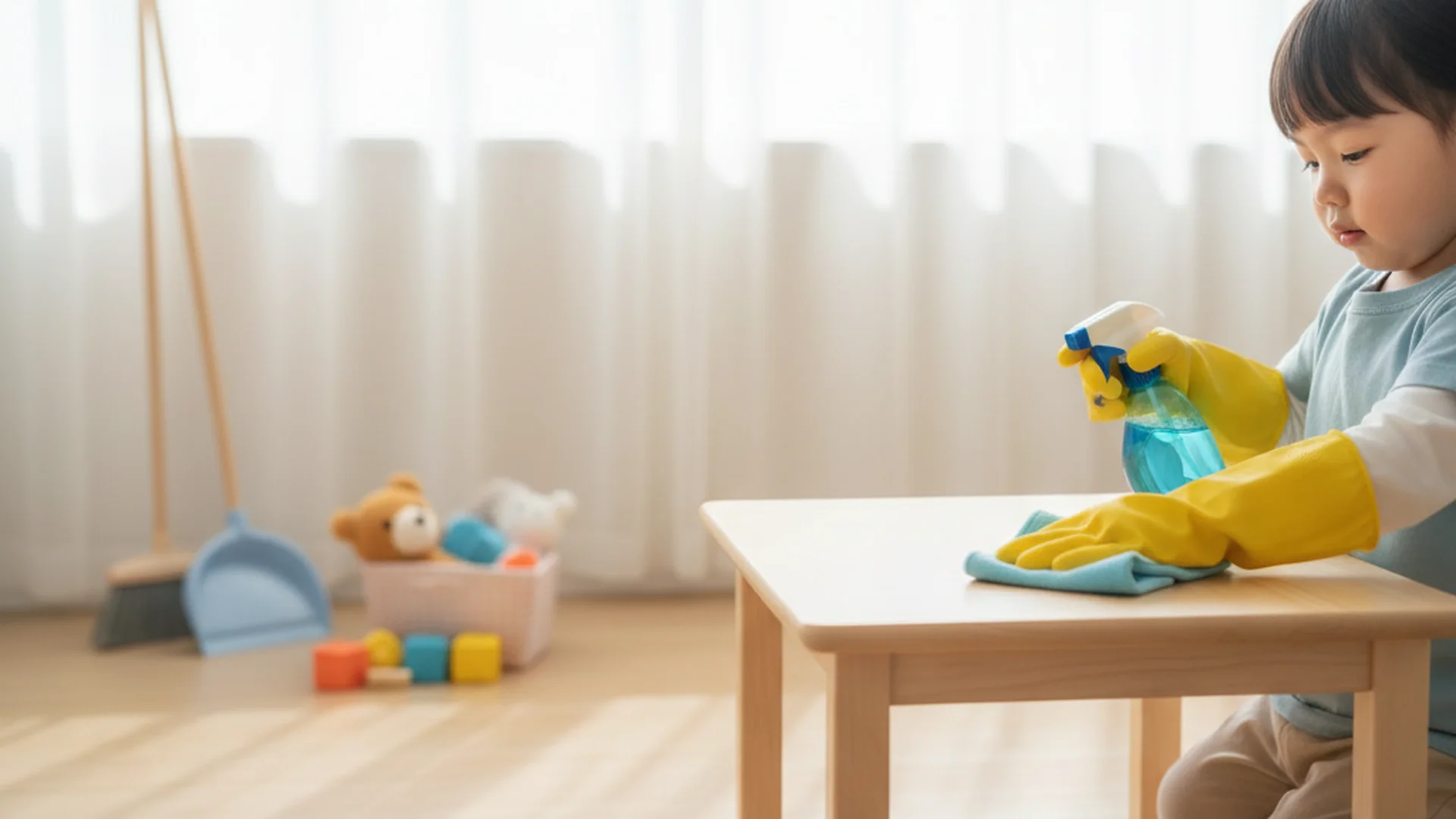
| Kitchen | Clear their own plate; Wipe the table with a damp cloth; Sort silverware (no knives); Help put groceries away. |
| Bedroom | Put toys in bins; Place dirty clothes in the hamper; Pull up the duvet/blanket; Help pick out clothes. |
| Pet Care | Fill a water bowl (with a small pitcher); Help "brush" the pet; Put a scoop of food in the bowl. |
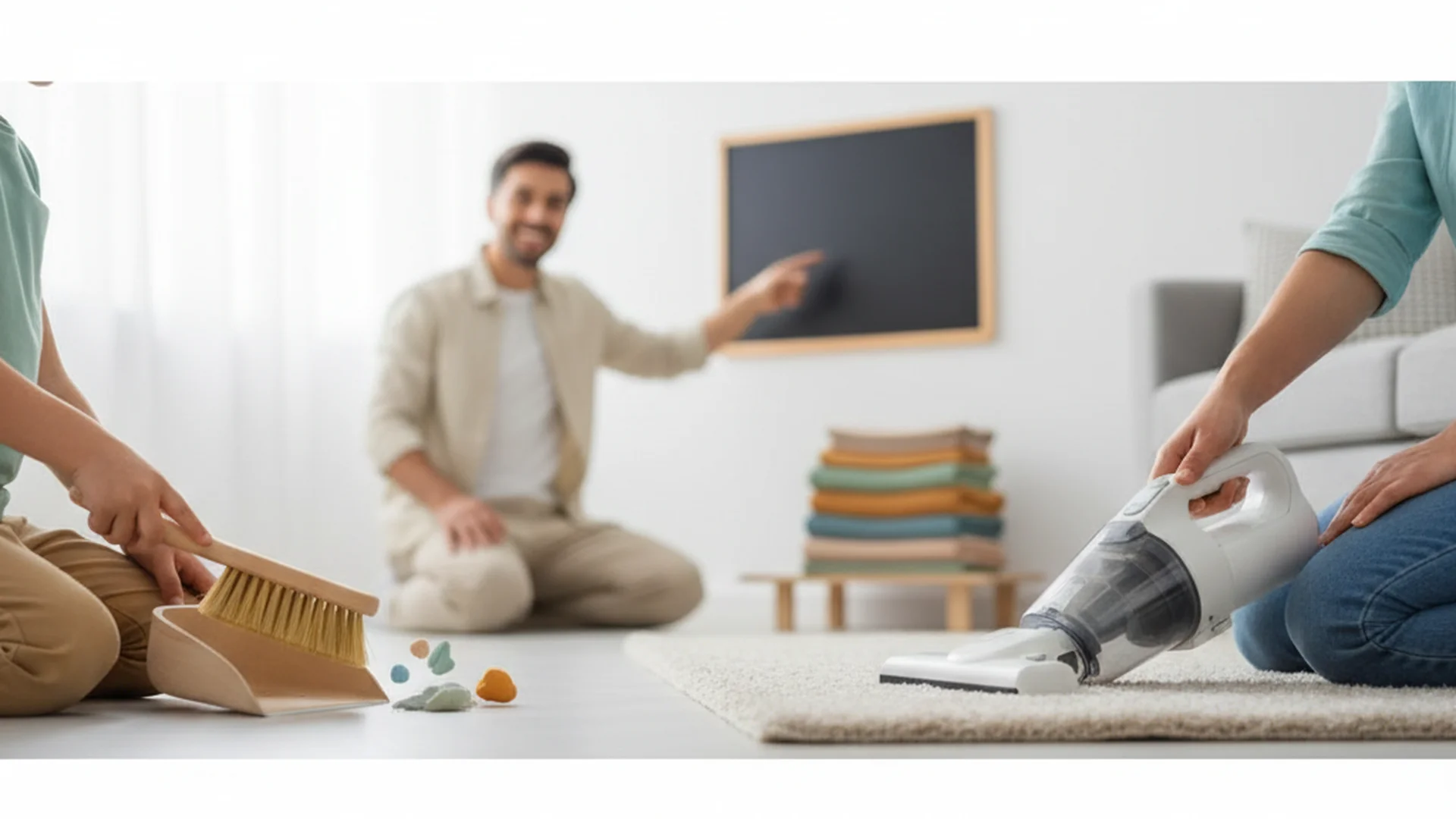
| General Home | Dust low shelves; Water indoor plants; Match clean socks; Use a hand-held vacuum for crumbs. |
Real-World Example: The "Sock Match-Up Challenge"
Instead of handing a preschooler a basket of laundry, turn it into a game. Lay out ten pairs of colorful socks. Ask the child to find the "twins" and put them together. This teaches visual discrimination and categorization while checking a task off your list.
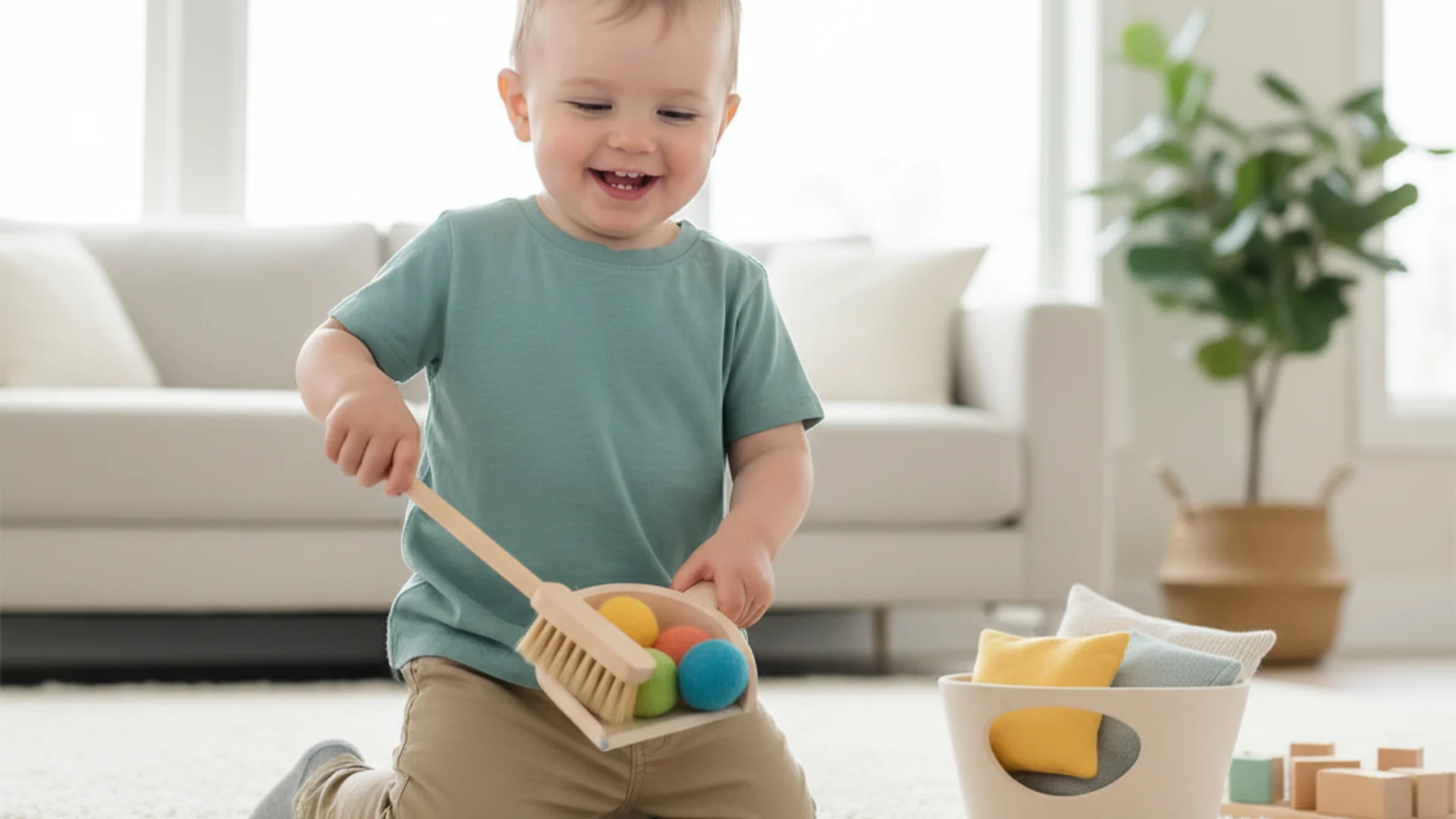
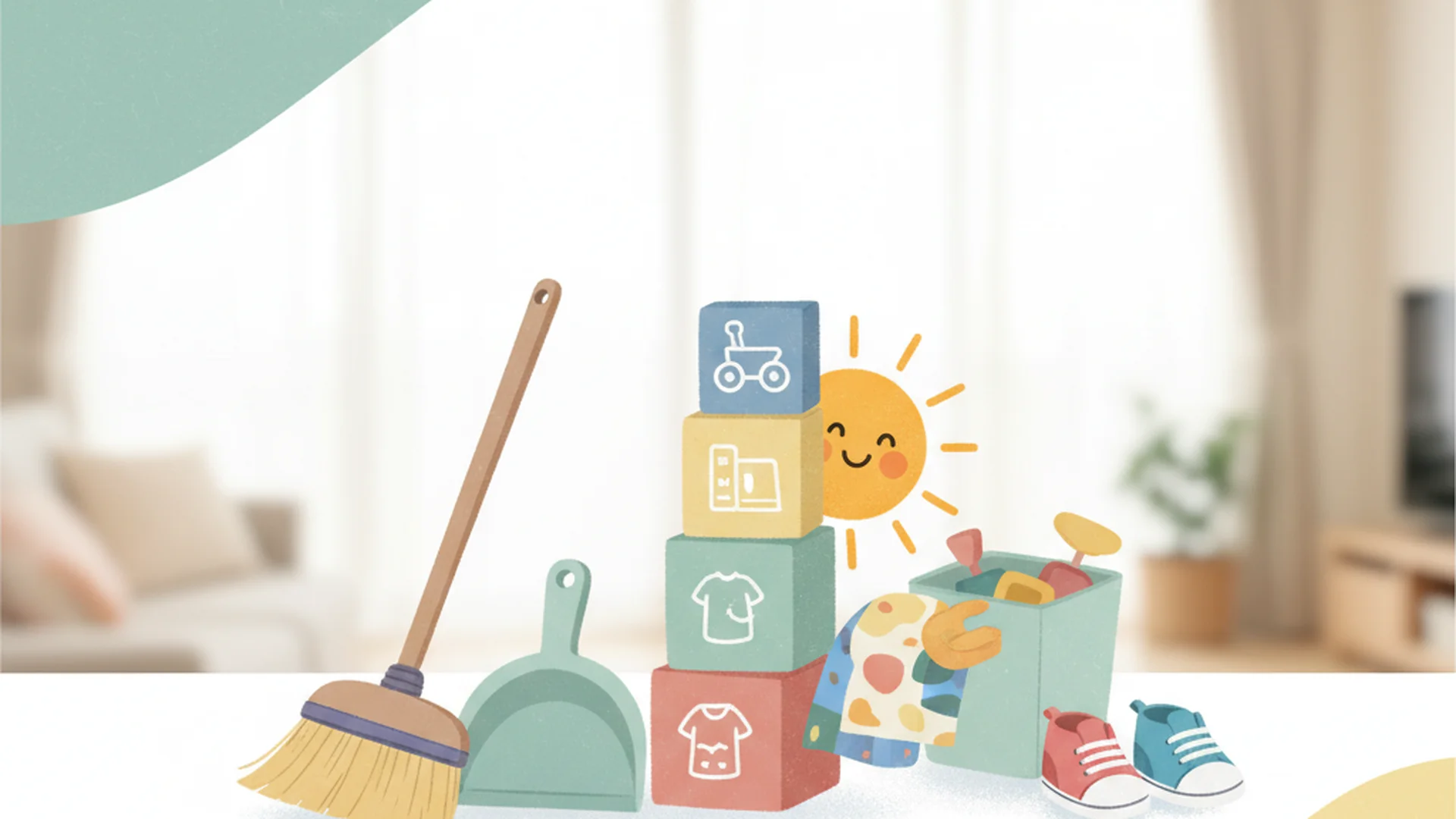
Tip: Use child-sized tools. A full-sized broom is a lever of destruction in the hands of a 4-year-old. Provide small brooms, mini-dustpans, and small spray bottles filled with water to ensure they can physically succeed.
The 2025 Chore Chart Revolution
Gone are the days of just a simple paper list on the fridge. As we move through 2025 and into 2026, many families are using a chores for preschoolers chart that integrates digital and physical elements.
Digital Integration and Gamification
Modern parents are moving toward interactive trackers. Popular trends include Canva-designed digital planners that you can display on a kitchen tablet, or apps like AFFiNE that allow for collaborative family goal-setting.
Gamification 2.0 has also arrived. Instead of just a gold star, parents are using "chore tokens" or digital badges. These badges might unlock "special dates with Mom" or an extra 15 minutes of storytime. The focus is on rewarding the effort rather than just the completion of the task.
Eco-Conscious Chores
In 2025, teaching preschoolers about sustainability has become a standard household task. Many families now include "sorting the recycling" or "taking scraps to the compost bin" as part of the daily routine. This helps the child develop an early awareness of their environmental impact.
Success: Children who see chores as "taking care of our Earth and our home" develop a stronger sense of intrinsic motivation than those who only clean to avoid punishment.
Expert Methods for Teaching Chores
Teaching a preschooler to clean requires a specific strategy. You cannot simply say "Clean your room" and expect results.
The "Do-With" Method
For children under 5, chores should be collaborative. Instead of issuing commands from another room, use the "Do-With" approach. Say, "Let’s put the blocks in the bin together. You find the blue ones, and I’ll find the red ones." This models the behavior and makes the task feel like a shared activity rather than a lonely burden.
Scaffolding Skills
Break tasks into tiny, manageable steps. If you want them to help set the table, don't start with the whole set. Start with "Please put one napkin at every chair." Once they master that, add the spoons.
Routine Anchoring
Tie chores to "anchor points" in the day. For example:
- Tidy-up time always happens right before dinner.
- Hamper time (putting clothes away) always happens before the bath.
- Plant watering happens every Saturday morning after breakfast.
Warning: Never use chores as a punishment for bad behavior. Linking cleaning to "being bad" creates a lifelong negative association with maintaining a home.
Common Mistakes to Avoid
Even with the best intentions, parents often fall into traps that discourage children from helping.
The "Perfection" Trap
If a 4-year-old folds a towel and it looks like a lumpy ball, leave it. Re-doing a chore in front of a child—or immediately after they walk away—crushes their self-confidence. It tells them that their effort wasn't good enough. In their mind, they think, "Why should I try if Mom is just going to do it again anyway?"
Waiting Too Long
Many parents wait until a child is 7 or 8 to start chores, thinking they aren't "ready" yet. By this time, the "eager to help" window has often closed. At 8, a child sees a chore as a burden. At 3, they see it as a grown-up privilege.
Vague Instructions
"Clean the living room" is an abstract concept to a preschooler. They need concrete, spatial instructions. Instead, try: "Put the toy trucks into the red basket."
Real-World Example: The "Watering Station"
One family I consulted with set up a "watering station" for their 4-year-old. They used a small, lightweight pitcher and marked a line on the indoor plant pots with a silver Sharpie. The child knew exactly how much water to pour (up to the line). This eliminated the "vague instruction" problem and gave the child a clear metric for success.
Frequently Asked Questions
Should I pay my preschooler for doing chores?
How long should a chore take for a 3-year-old?
What if my child refuses to do their chores?
My child does a "bad" job. Should I fix it?
Conclusion
Introducing chores for preschoolers is about much more than a tidy living room. It is about character integration, motor skill development, and setting a foundation for lifelong success. By using a structured chores for preschoolers list, embracing modern chores for preschoolers chart trends, and focusing on the "Do-With" method, you are teaching your child that they are a capable and necessary part of the household.
Start small, be consistent, and remember to praise the effort, not the outcome. Your future 25-year-old will thank you.
Success: Consistent participation in household tasks builds a child's confidence and teaches them that their contributions truly matter to the family.
Cleaning that keeps score
Every task earns points, every streak multiplies them, and Premium adds a household leaderboard plus a monthly Dustagorgon to beat.
- Free forever
- 30 badges to earn
- Up to 6 in a household
No card needed. Set up your rooms in a couple of minutes.