In this article
What you’ll learn
- Chores build the work ethic that carries into young adulthood.
- Using the 'Scaffolding Method' ensures kids learn tasks correctly and confidently.
- Framing chores as 'family contributions' boosts mental health and belonging.
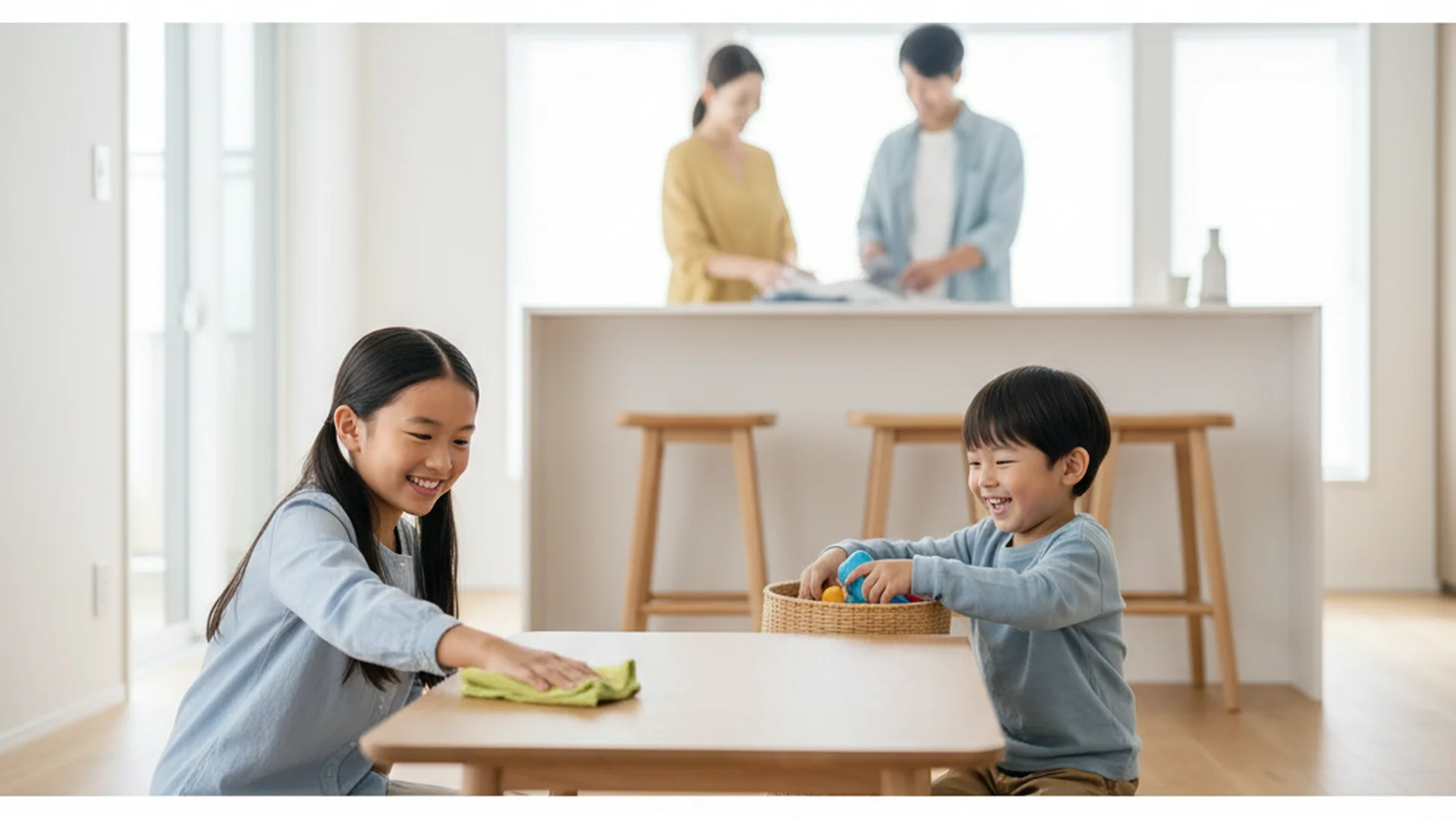
Finding the right chores for 6 year olds is more than just a way to keep your house tidy—it is a powerful investment in your child’s future. At age six, children are transitioning into a new developmental phase where they crave competence and "grown-up" responsibilities. They are no longer toddlers who simply want to mimic you; they are students capable of following multi-step directions and contributing meaningfully to the household "team."
This developmental window matters more than most parents realise. From sharper focus at school to stronger executive function, the simple act of emptying a dishwasher or matching socks can have profound long-term effects.
Why 6-Year-Olds Need Chores
It might seem easier to just do the housework yourself. After all, a six-year-old rarely cleans as efficiently as an adult. However, skipping this stage does a disservice to your child’s development.
Building a Capacity to Work
A childhood capacity to work—the willingness to take on regular household tasks—shapes how well a person copes as an adult far more reliably than social class or raw intelligence does. By age six, children who contribute to the home are learning the "work ethic" required for professional environments later in life.
Academic and Cognitive Benefits
Household tasks and school performance tend to move together. Children who take on chores in kindergarten often find the structured thinking of maths easier by the third grade, because both rely on the same habit of working through steps in order.
Beyond maths, chores improve "executive functioning." Tasks like sorting laundry or following a recipe require working memory and inhibitory control. This is the ability to ignore distractions and stay focused on a goal—a skill that is essential in a modern classroom.
Success: Children who contribute to the household tend to be happier at home, because they feel like valued, competent members of the family team.
Best Practices for Introducing Chores
If you want your child to succeed, you cannot simply hand them a mop and walk away. Success requires a strategic approach that balances instruction with autonomy.
The Scaffolding Method
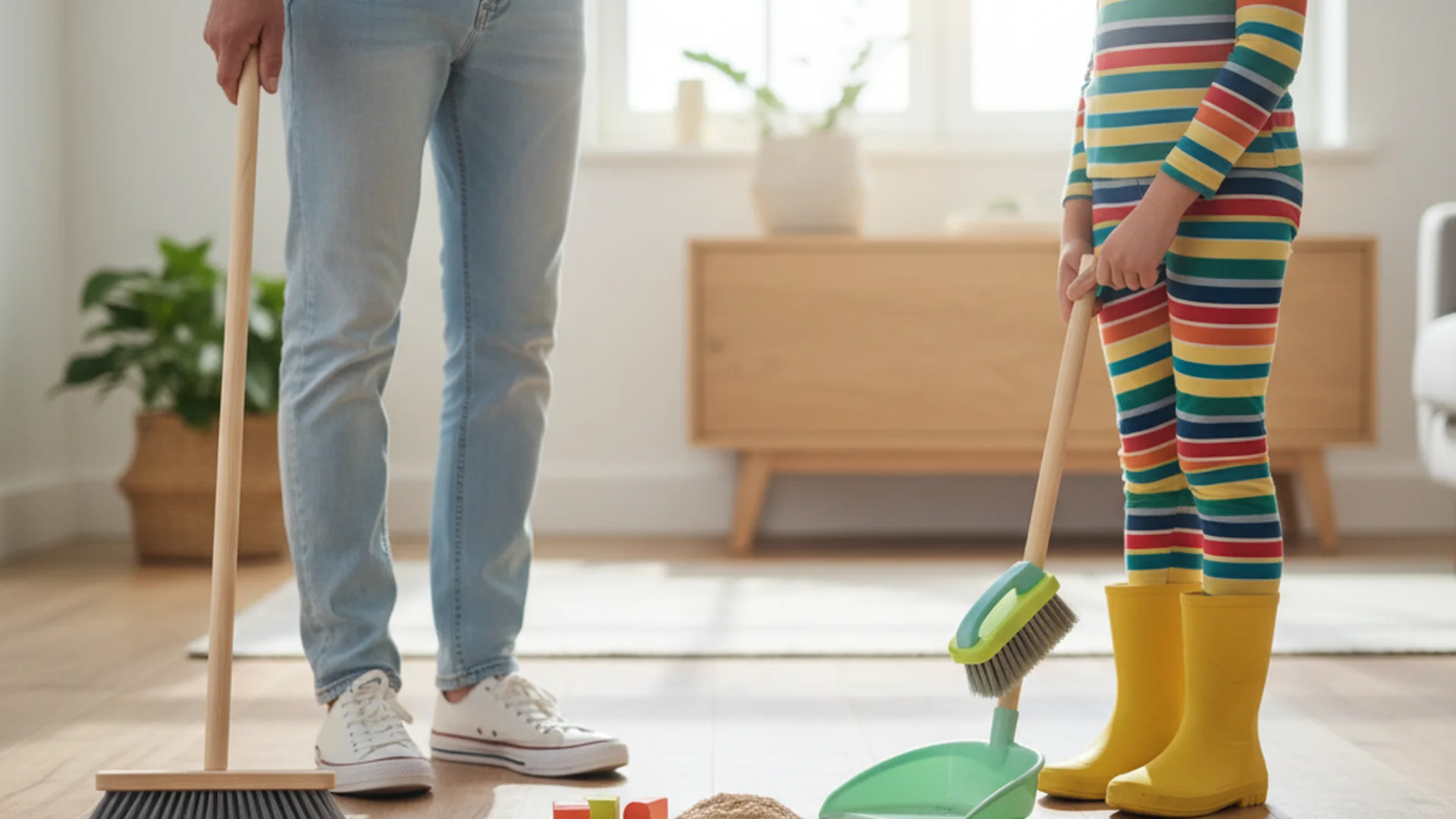
The best way to teach chores for 6 year olds is through a process called "scaffolding." This prevents the child from feeling overwhelmed and ensures the task is done correctly.
- I do, you watch: You perform the chore while explaining your actions.
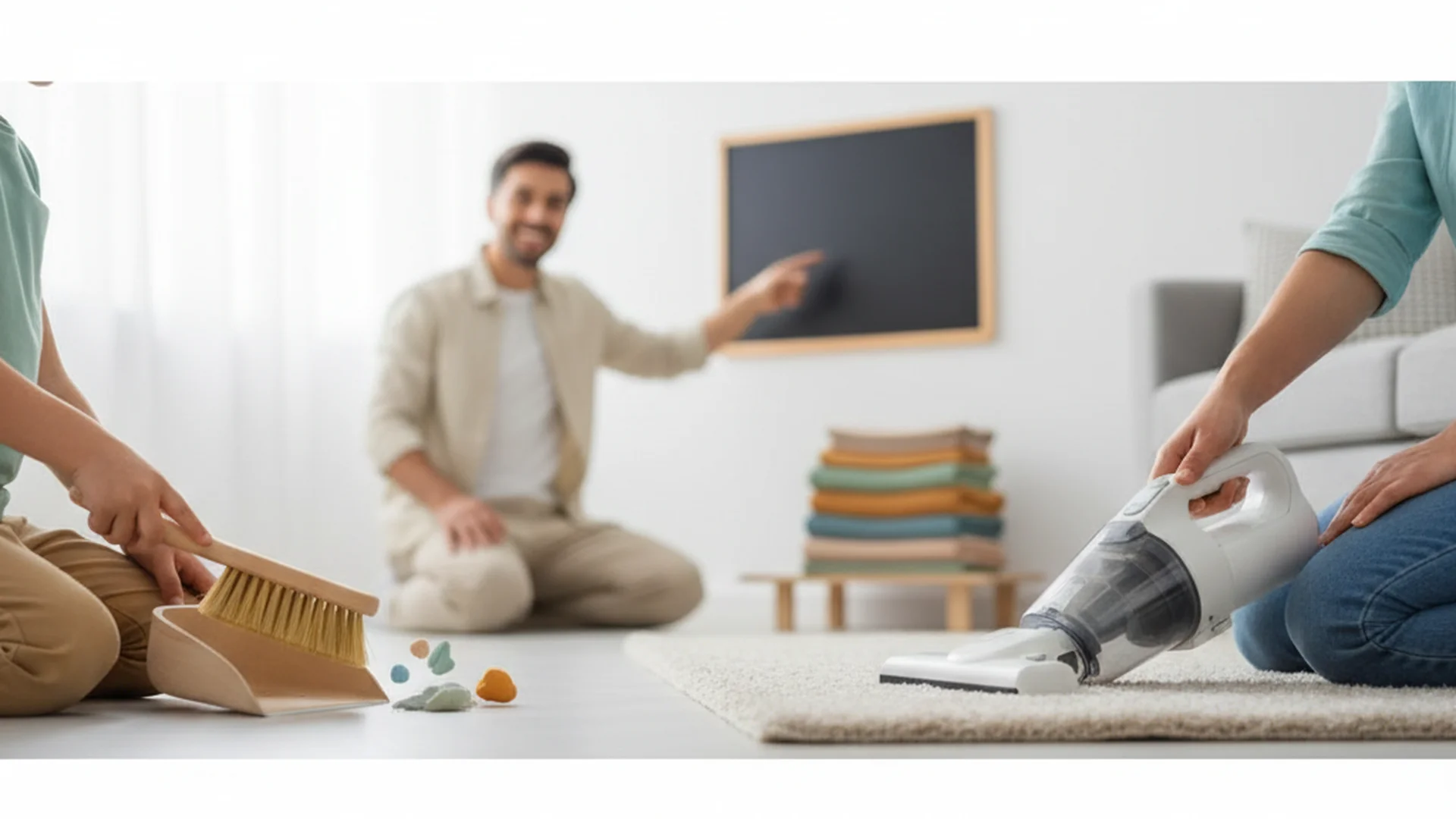
- We do together: You work side-by-side, correcting gently as you go.
- You do, I watch: The child performs the task while you provide verbal encouragement.
- You do independently: The child is given full ownership of the task.
Be Specific, Not Vague
Six-year-olds can become paralyzed by broad instructions. "Clean your room" is a monumental task that feels impossible to a child. Instead, break it down into micro-tasks. Replace "Clean your room" with "Put your LEGOs in the blue bin and your books on the shelf."
Tip: Use a "When/Then" technique to motivate your child. For example: "When your toys are in the bin, then we can go to the park."
The Ultimate Chores for 6 Year Olds List
To help you get started, we have categorized the most age-appropriate tasks for this developmental stage. Use this chores for 6 year olds list to fill out your weekly schedule.
| Category | Recommended Task Ideas |
|---|---|
| Personal Care | Make bed, put dirty clothes in hamper, brush hair, hang up coat. |
| Kitchen & Dining | Set the table, clear dishes, help put away groceries, rinse plastic items. |
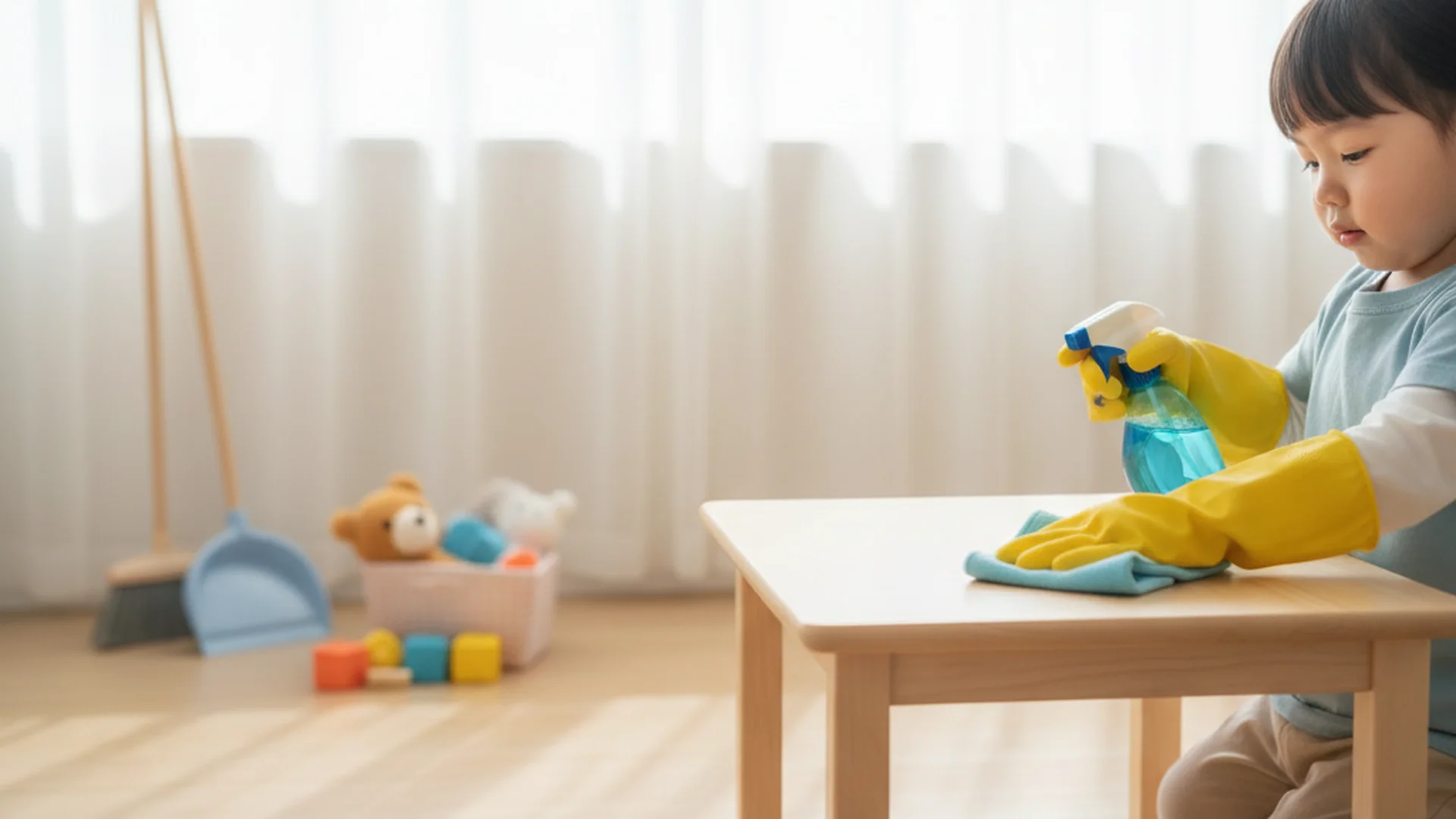
| Cleaning | Dust low surfaces, sweep small areas, empty small trash cans. |
| Outdoor & Pets | Water houseplants, fill pet's water bowl, rake leaves into a pile. |
| Organization | Match socks, put away shoes, organize books on a shelf by size. |
Real-World Example: The "Table Captain"
Instead of just asking your child to "help with dinner," give them the official title of "Table Captain." Their job includes laying out placemats, placing napkins, and ensuring everyone has a fork. This "meaningful work" boosts their sense of significance more than just "busy work" like picking up their own toys.
Using a Chores for 6 Year Olds Chart
Visual aids are essential for this age group. Because 6-year-olds are often still developing their reading skills, a chores for 6 year olds chart should include both words and icons.
Digital vs. Physical Charts
- Physical Charts: A magnetic board or a printed sheet on the fridge provides a tactile sense of accomplishment. There is a psychological "win" when a child gets to move a magnet or place a sticker.
- Digital Quest Apps: In 2025, many parents are using apps like Greenlight or Pastory to turn chores into "quests." These apps gamify the process, turning daily tasks into a "leveling up" experience.
Note: If you are tech-savvy, you can use AI tools like ChatGPT to create a personalized "Superhero Training" chore list tailored to your child’s specific interests (e.g., "The Flash's Speed Sweeping").
2025 Trends: The "Life Skill" Shift
The way we talk about chores is changing. In 2025 and moving into 2026, there is a distinct shift away from the word "chore"—which sounds like a burden—toward "life skill training" or "family contributions."
Eco-Responsibility Chores
A rising trend is "Eco-Responsibility." Parents are teaching 6-year-olds to contribute to the planet while they contribute to the home.
- The "Light Hunter": Give your child the job of "hunting" for lights left on in empty rooms to "save the planet."
- Sorting Recycling: Teach them the difference between paper, plastic, and glass.
- Compost Assistant: Let them help carry vegetable scraps to the backyard compost bin.
Experience Rewards
Parents are moving away from traditional "sticker for a toy" reward systems. Instead, 2025 trends show a preference for "experience rewards." For example, completing a full week of chores might earn "15 minutes of extra park time" or a "family movie night pick."
Common Mistakes to Avoid
Even with the best intentions, parents often fall into traps that can discourage a child's willingness to help.
The "Rewards Economy" Trap
Avoid giving a treat or money for every single task. If you pay for everything, you may end up with a child who asks, "What will you give me?" before helping in an emergency. Basic chores should be framed as a contribution to the family. Save payments for "extra" chores, such as washing the car or pulling weeds in the garden.
The Perfectionism Pitfall
If your 6-year-old makes the bed and it looks lumpy, resist the urge to fix it in front of them. Redoing their work tells them their effort wasn't good enough and kills their sense of autonomy.
Warning: Never use chores as a punishment. Linking "cleaning the bathroom" to "bad behavior" makes children associate work with shame and resentment.
Waiting Until "They're Ready"
Many parents wait until age 8 or 9 because a 6-year-old "makes too much mess" while helping. Waiting misses the developmental window where kids actually want to help. By age 9, the desire to mimic parents has faded, making it much harder to start a routine.
Frequently Asked Questions
Should I pay my 6-year-old for chores?
How long should a 6-year-old spend on chores?
What if my child refuses to do their chores?
Do I really need a chore chart?
Conclusion
Teaching chores for 6 year olds is a journey of patience and persistence. While it may take more time to teach them how to sweep than it would to do it yourself, the developmental rewards are immeasurable. By framing these tasks as "family contributions" and using tools like the scaffolding method and visual charts, you are raising a child who is not only helpful but also confident, responsible, and academically prepared for the years ahead.
Success: Consistent household contributions at age six build the foundational "inhibitory control" and "working memory" needed for a lifetime of success.
Cleaning that keeps score
Every task earns points, every streak multiplies them, and Premium adds a household leaderboard plus a monthly Dustagorgon to beat.
- Free forever
- 30 badges to earn
- Up to 6 in a household
No card needed. Set up your rooms in a couple of minutes.