In this article
What you’ll learn
- Chores build the competence and reliability that carry into adult life.
- 10-year-olds are cognitively ready for multi-step tasks like meal prep and full laundry cycles.
- Shifting from "work for pay" to "family citizenship" improves executive function.
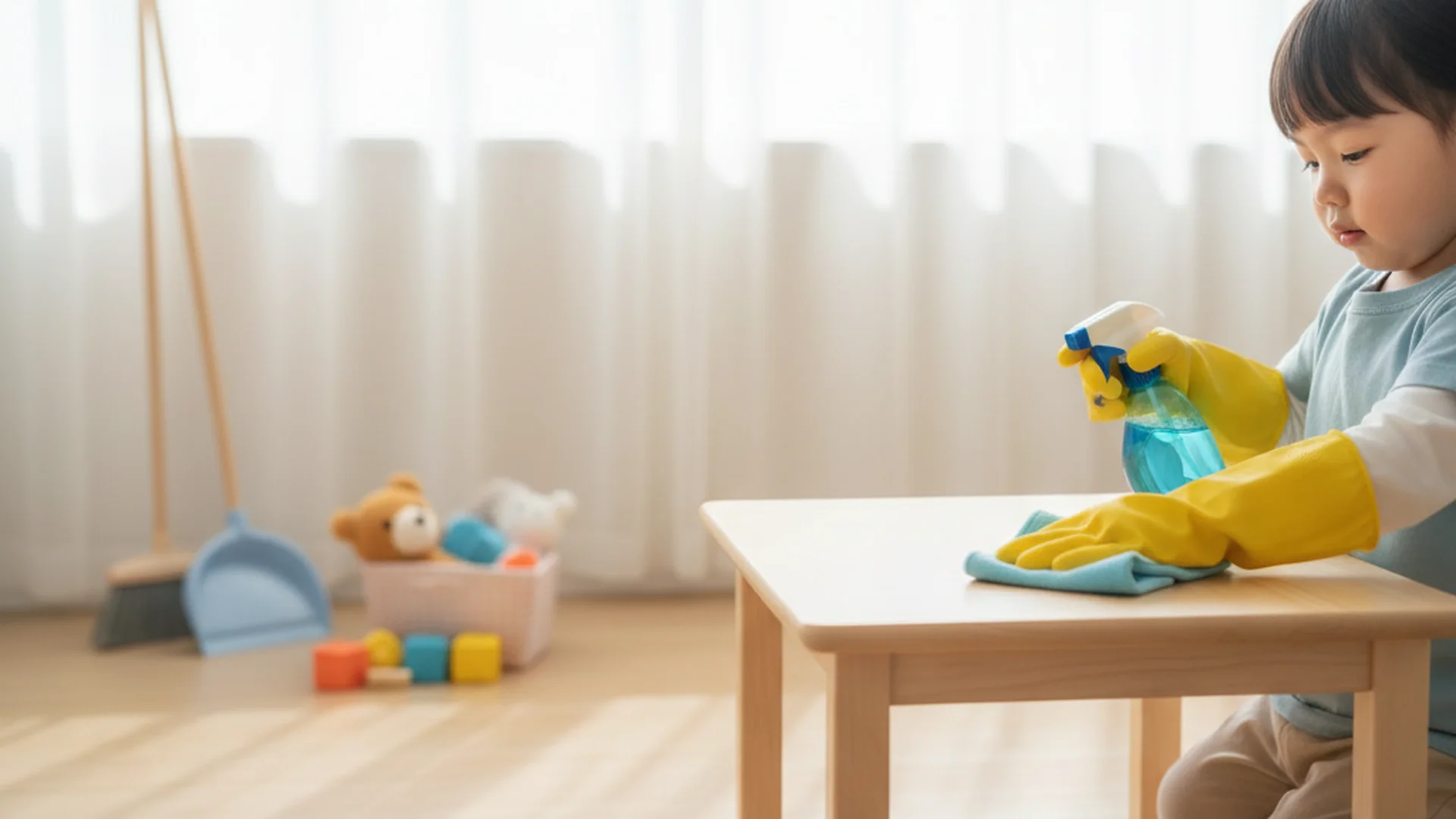
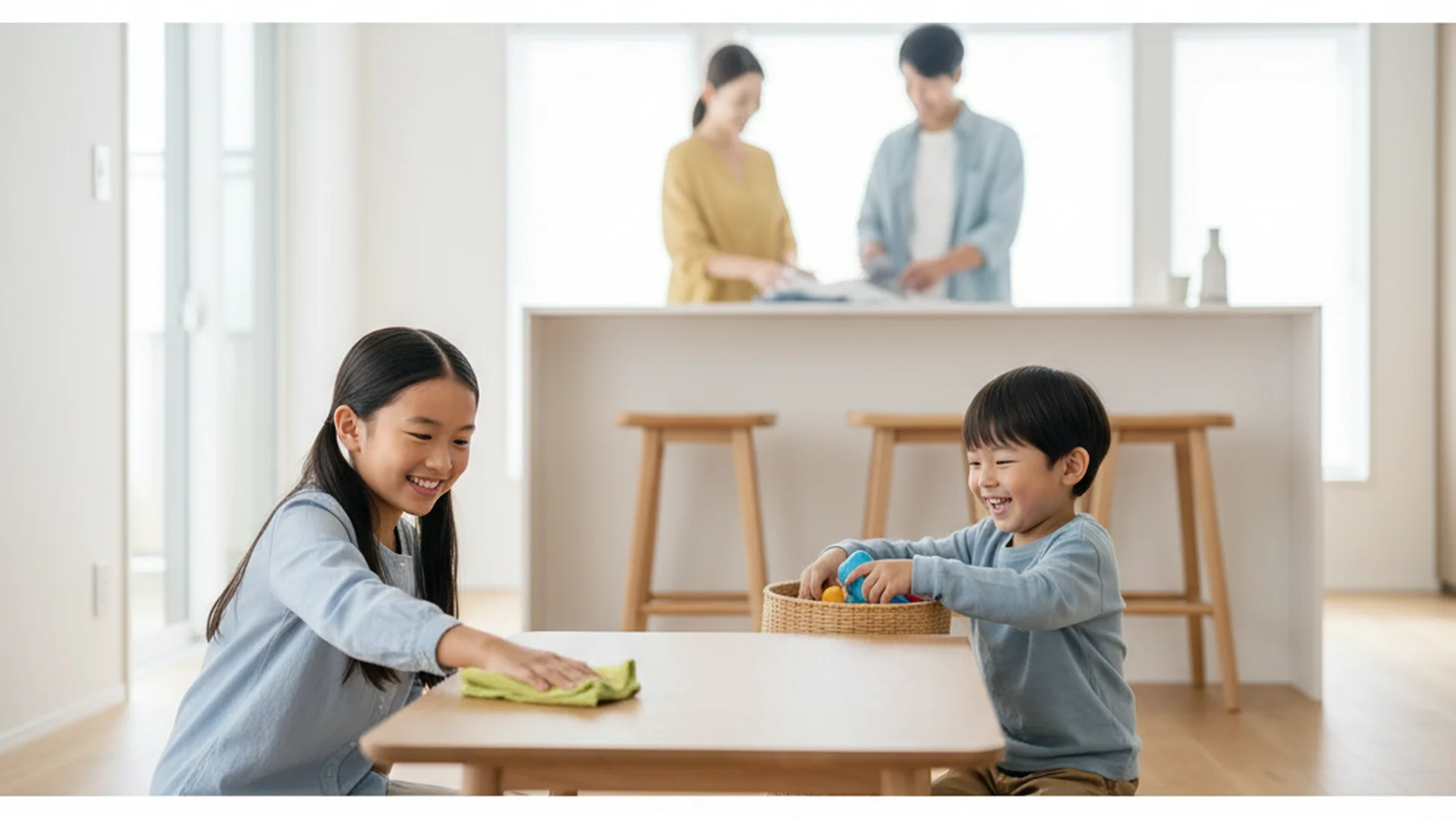
As we move into 2026, the way we look at household responsibilities is shifting. We are no longer just asking kids to "help out" to keep the house tidy; we are using chores for 10 year olds as a vital framework for developing executive function and a sense of family citizenship. At age ten, your child is in the "golden window" of development—they possess the physical coordination for complex manual tasks and the cognitive maturity to follow multi-step instructions without constant hand-holding.
A childhood capacity to work—the habit of taking on regular household tasks—tends to matter more to how a person copes as an adult than raw academic ability does. By assigning regular tasks, you aren't just getting the dishwasher emptied; you are training a future adult to be competent, reliable, and empathetic.
Why Chores Matter at Age 10
By the time a child reaches double digits, their brain is undergoing significant changes. Children who take on both "self-care" chores (like making their own lunch) and "family-care" chores (like mopping the kitchen) tend to develop noticeably better working memory and inhibitory control.
These are the building blocks of executive function. When a 10-year-old has to remember to sort the whites from the colors, set the water temperature, and move the load to the dryer before the clothes get musty, they are practicing task-switching and forward planning.
Despite these benefits, there is a growing "responsibility gap." Far more parents grew up with regular chores than assign them to their own children today. Bridging this gap is essential for preparing your child for the complexities of middle school and beyond.
The Ultimate Chores for 10 Year Olds List
At age ten, children can handle tasks that require judgment and care. They are no longer limited to "putting toys away." They can now manage entire systems within the home. Below is a comprehensive chores for 10 year olds list categorized by area.
Kitchen and Meal Preparation
The kitchen is the heart of executive function training. It requires timing, safety awareness, and sequencing.
- Independent Meal Prep: Preparing sandwiches, scrambled eggs, or simple pasta dishes.
- Dishwasher Management: Loading and unloading the dishwasher, including fragile glassware.
- Lunch Packing: Taking full responsibility for packing a balanced school lunch.
- Grocery Planning: Checking the pantry and helping write the weekly grocery list.
Household Maintenance
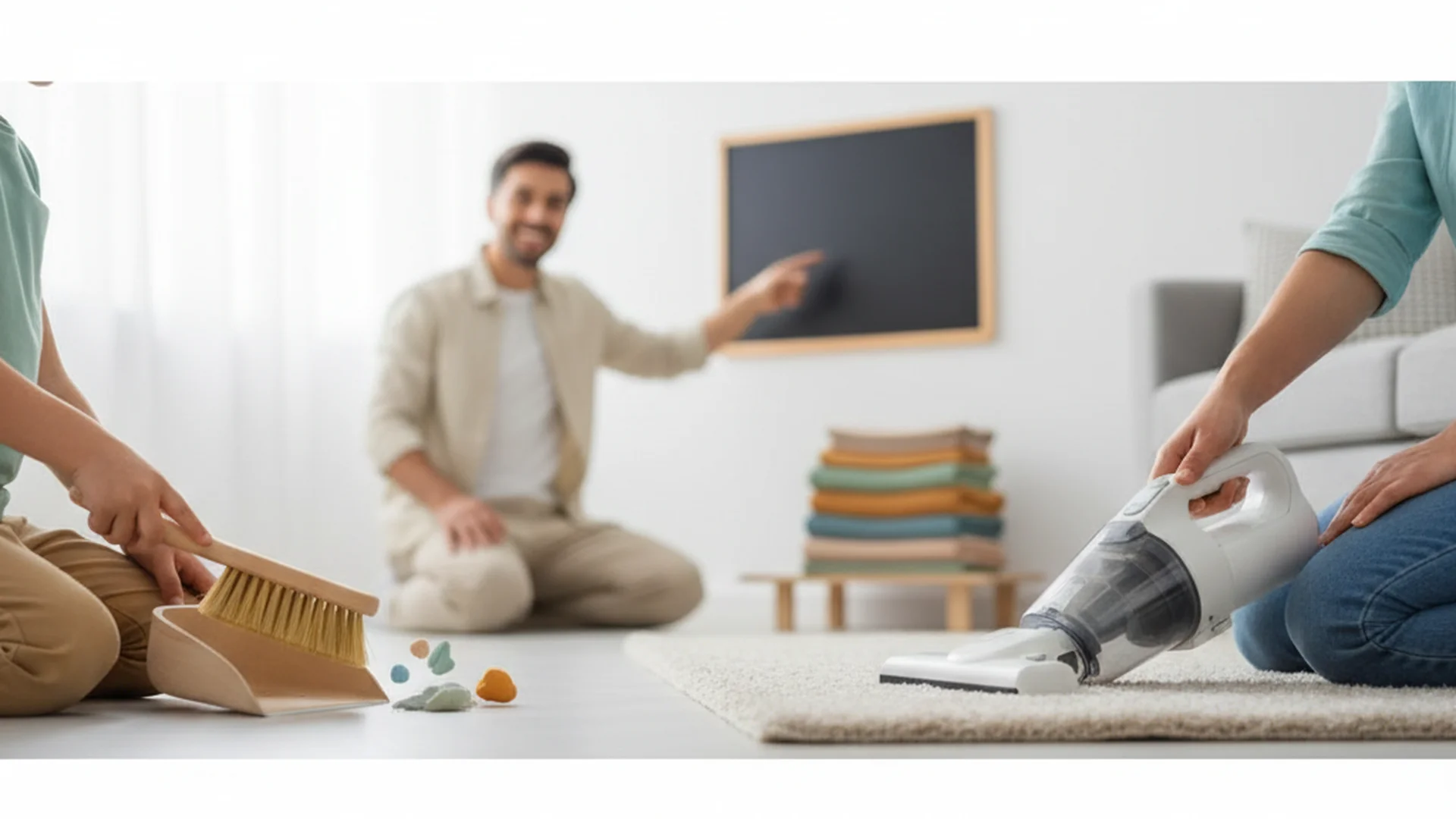
10-year-olds are physically capable of using most cleaning tools, including vacuums and mops.
- Full Bathroom Clean: Scrubbing sinks, cleaning mirrors, and disinfecting toilets using non-toxic cleaners.
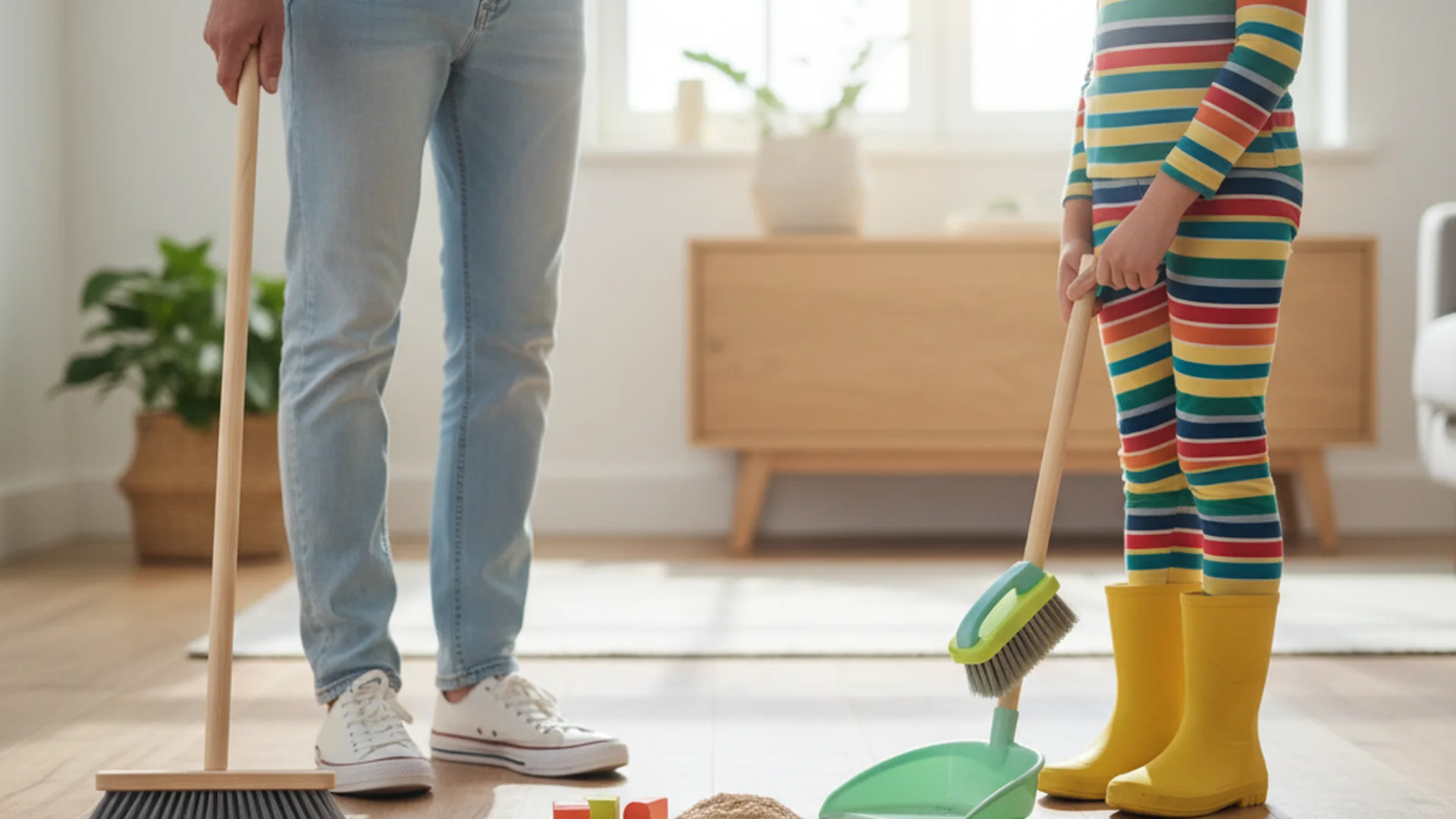
- Floor Care: Sweeping and mopping high-traffic areas like the entryway or kitchen.
- Vacuuming: Cleaning entire rooms, including moving light furniture to get to the edges.
- Glass and Dusting: Cleaning windows and dusting hard-to-reach areas like ceiling fans.
Laundry and Personal Care
By ten, a child should be nearly autonomous regarding their own clothing and bedding.
- The Full Cycle: Sorting, washing, drying, folding, and putting away their own laundry.
- Bed Maintenance: Stripping old sheets and putting on fresh linens weekly.
Outdoor Tasks and Pet Care
Outdoor work provides a great outlet for physical energy and teaches environmental stewardship.
- Lawn Care: Mowing the lawn (with initial supervision and a light mower).
- Seasonal Yard Work: Raking leaves, shoveling snow, or weeding the garden.
- Pet Management: Walking the dog, cleaning the litter box, and bathing/brushing pets.
Note: "Self-care" chores, like cleaning their own room or making their own bed, should generally be unpaid. These are considered basic requirements of living in a shared space.
Creating a Chores for 10 Year Olds Chart
Visual aids are essential for maintaining consistency. A chores for 10 year olds chart shouldn't just be a list of "to-dos"; it should reflect the frequency and the "why" behind the tasks.
| Category | Chore | Frequency | Skill Developed |
|---|---|---|---|
| Kitchen | Empty Dishwasher | Daily | Consistency |
| Laundry | Full Wash/Fold Cycle | Weekly | Sequencing |
| Bathroom | Clean Sink/Toilet | Weekly | Attention to Detail |
| Pets | Walk Dog | Daily | Empathy & Health |
| Outdoor | Mow Lawn/Rake | Bi-Weekly | Physical Stamina |
2026 Trends: Gamification and Green Chores
As we look at the parenting landscape in 2025 and 2026, two major trends have emerged: the digital integration of chores and a focus on sustainability.
Digital Integration (Gamification)
Parents are increasingly moving away from paper charts and toward digital "quest" systems. Apps like Greenlight, GoHenry, and KiddiKash allow parents to send push notifications for chores. When the task is marked complete (and verified), the child earns digital badges or automated allowance. This gamification taps into the "streak" mentality, making chores feel less like a burden and more like a level-up in a game.
The Rise of "Green Chores"
In 2026, "sustainability chores" have become a staple in modern households. This involves the 10-year-old managing the home's composting system, ensuring the complex recycling (separating plastics by number) is handled correctly, or even monitoring the family's "smart home" energy usage dashboard to find ways to reduce electricity consumption.
Tip: Use the "When/Then" technique to avoid power struggles. For example: "When the dishwasher is emptied, then you can have your gaming time." This puts the child in control of their own schedule.
The 4-Step Training Method
You cannot expect a 10-year-old to clean a bathroom perfectly on the first try. To ensure success and avoid frustration, use this proven training method:
- I Do, You Watch: Perform the chore while explaining your thought process (e.g., "I start at the top of the mirror so the drips don't ruin the clean part at the bottom").
- I Do, You Help: Work together. Let them spray the cleaner while you wipe.
- You Do, I Help: Let them take the lead while you provide minor corrections and support.
- You Do, I Watch: They perform the task solo. You provide a final "check-off" and positive reinforcement.
Success: Praising the effort and consistency rather than just the end result builds a growth mindset. Say, "I noticed you remembered to feed the dog without me asking—that was really helpful!"
Common Mistakes to Avoid
Even with the best intentions, parents often fall into traps that discourage children from wanting to help.
- The "Perfection" Trap: If you re-clean the bathroom the moment your child finishes, they learn that their best effort isn't good enough. Accept "good enough" for now; their skills will improve with practice.
- Tying All Chores to Money: Many families choose to keep basic contributions to the home unpaid. Save the allowance for "extra" jobs like washing the car or intensive gardening.
- Using Chores as Punishment: "Go do the dishes because you were rude" creates a negative neurological association with housework. Chores should be framed as a way we care for one another, not a penalty.
- Vague Instructions: Telling a 10-year-old to "clean your room" is overwhelming. Use specific checklists: "Put clothes in the hamper, clear the desk, and vacuum the rug."
Warning: Never mix cleaning chemicals. Ensure your child understands that bleach and ammonia-based cleaners must never be used together.
Frequently Asked Questions
How much allowance should a 10-year-old get?
What if my child refuses to do their chores?
Should I pay for "Self-Care" chores like making the bed?
Is 10 too young to mow the lawn?
Conclusion
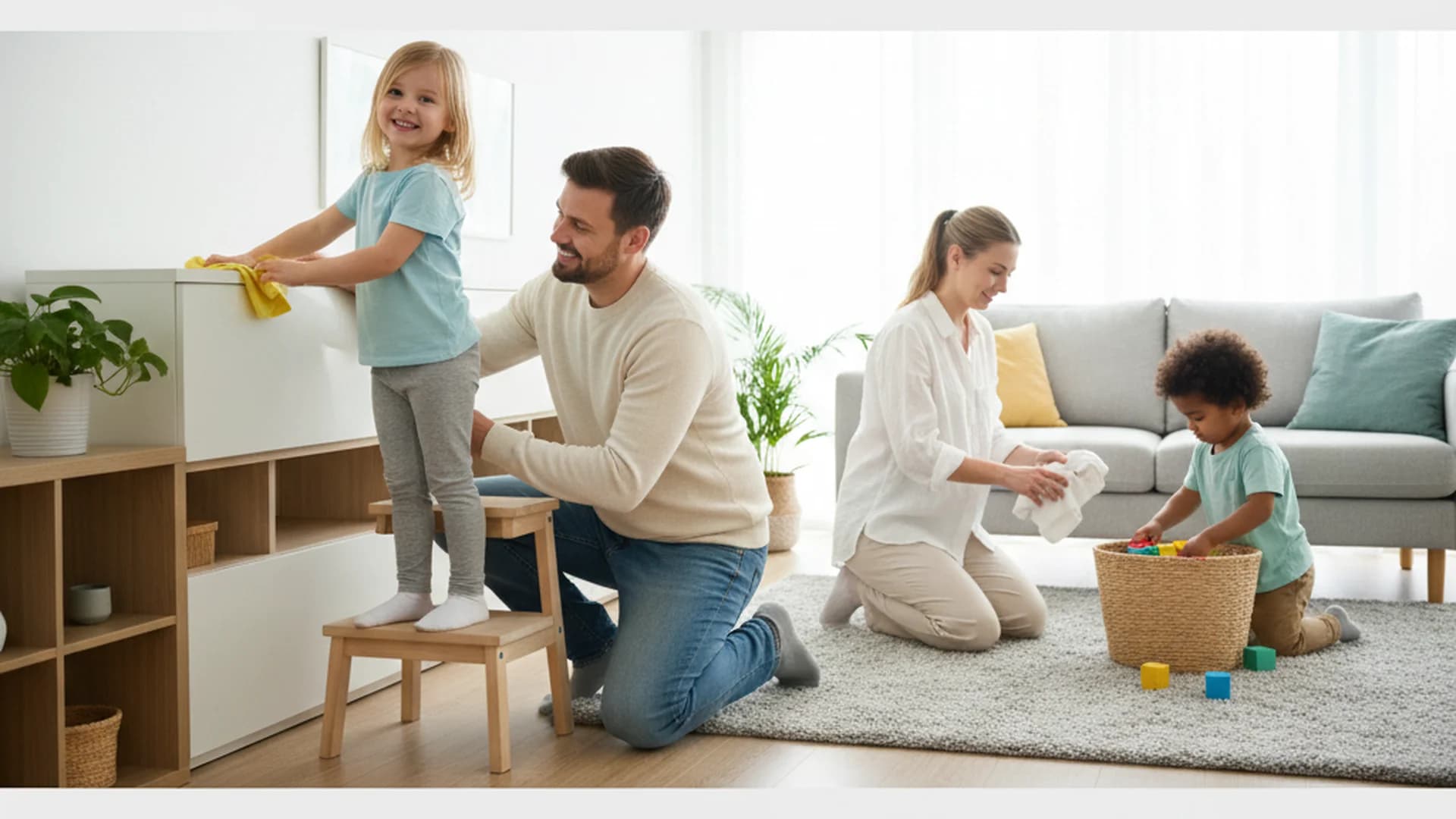
Assigning chores for 10 year olds is one of the most significant investments you can make in your child's future. By moving away from a "work for pay" model and toward a "family citizenship" model, you are fostering independence, improving their executive function, and teaching them that their contributions matter. Whether they are mastering the "full cycle" of laundry or managing the family's green composting, these tasks are building the confidence they need to navigate the world.
Cleaning that keeps score
Every task earns points, every streak multiplies them, and Premium adds a household leaderboard plus a monthly Dustagorgon to beat.
- Free forever
- 30 badges to earn
- Up to 6 in a household
No card needed. Set up your rooms in a couple of minutes.