In this article
What you’ll learn
- Shift the focus from "chores" to "independent living skills" to reduce conflict.
- Use a hybrid financial model to teach both community contribution and financial literacy.
- Focus on executive function tasks like meal planning and budgeting rather than just manual labor.
The transition from high school to the "real world" is often described as a cliff, but it should feel more like a gradual ramp. As a professional cleaning consultant, I often see parents struggling with how to manage chores 17 year olds are expected to perform. At this age, your teenager is standing on the threshold of adulthood. They aren't just "helping out" around the house anymore; they are undergoing a final internship for independent living.
This stage is critical. Children who start pitching in early tend to arrive at adulthood better equipped for it—healthier habits, steadier moods, and a stronger work ethic. For a 17-year-old, these daily tasks act as a vital refresher course. Whether they are heading to a college dorm, a shared flat, or a trade apprenticeship, the habits they solidify today will determine how they handle the pressures of tomorrow.
Reframing Chores as Independent Living Skills
The first mistake many parents make is using the word "chore." To a 17-year-old, a chore sounds like a burden imposed by an authority figure. To foster a sense of autonomy, we must reframe these responsibilities as Independent Living Skills.
At 17, the prefrontal cortex—the part of the brain responsible for executive function, planning, and impulse control—is still in a major state of development. Chores that require multi-step planning, such as grocery shopping for a specific budget and menu, act as essential "brain training." By shifting the language from "doing the dishes" to "managing kitchen sanitation," you are acknowledging their maturity and the professional nature of the task.
The "Flatmate" Approach
One of the most effective strategies I recommend is the "Flatmate" approach. Instead of a parent-child dynamic based on obedience, treat your 17-year-old like a roommate. Explain that every resident of a shared home contributes to the maintenance of shared spaces. This reduces the "power struggle" dynamic and prepares them for the social contracts they will sign when they eventually move out with peers.
Tip: Give them the what and the when (e.g., "The bathroom needs to be cleaned by Sunday night"), but let them choose the how. This builds the self-governance needed for college life.
The Ultimate Chores 17 Year Olds List
When creating a chores 17 year olds list, you need to balance routine maintenance with high-level "adulting" tasks. A 17-year-old should be capable of handling four to five household tasks per day, reflecting the complexity of full household management.
| Category | Task Ideas | Frequency |
|---|---|---|
| Personal | Laundry (wash/dry/fold/put away), maintaining bedroom, changing bed sheets. | Daily/Weekly |
| Shared Spaces | Manage kitchen after dinner, vacuuming common areas, cleaning one shared bathroom. | Daily/Weekly |
| Maintenance | Mowing the lawn, washing the family car, deep-cleaning the fridge. | Monthly |
| Adulting | Meal planning, grocery shopping ($50 budget), booking doctor appointments, checking tire pressure. | Weekly/As Needed |
Real-World Example: The "Grocery Challenge"
Sarah, a mother of a 17-year-old named Leo, implemented a "Grocery Challenge" as part of his weekly chores. Every Tuesday, Leo was given a $60 budget and tasked with planning three family dinners. He had to check the pantry for ingredients, write a list, and shop. This chore taught him about inflation, nutritional balancing, and the time-management required to shop efficiently.
Modern Tools: Beyond the Sticker Chart
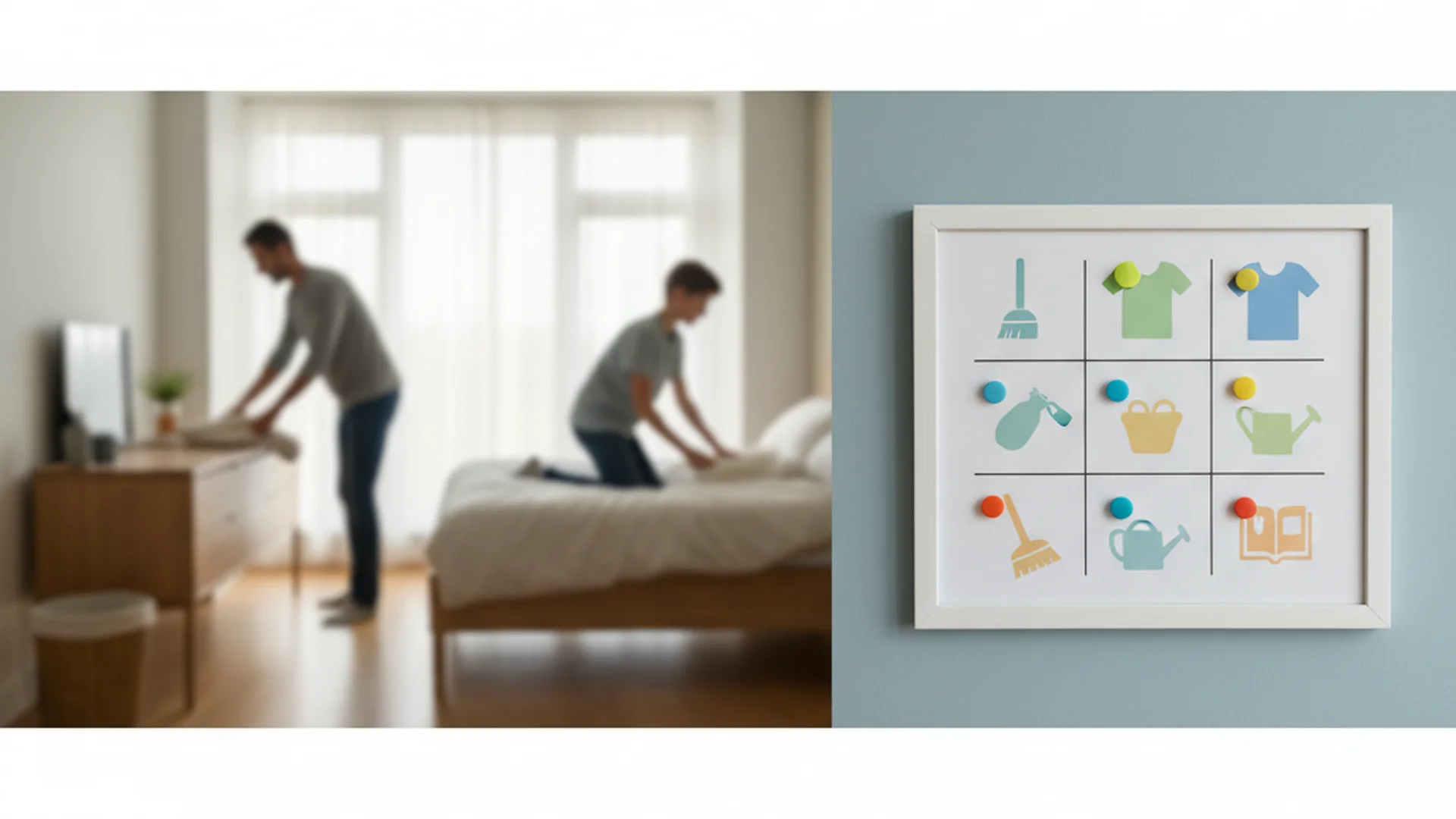
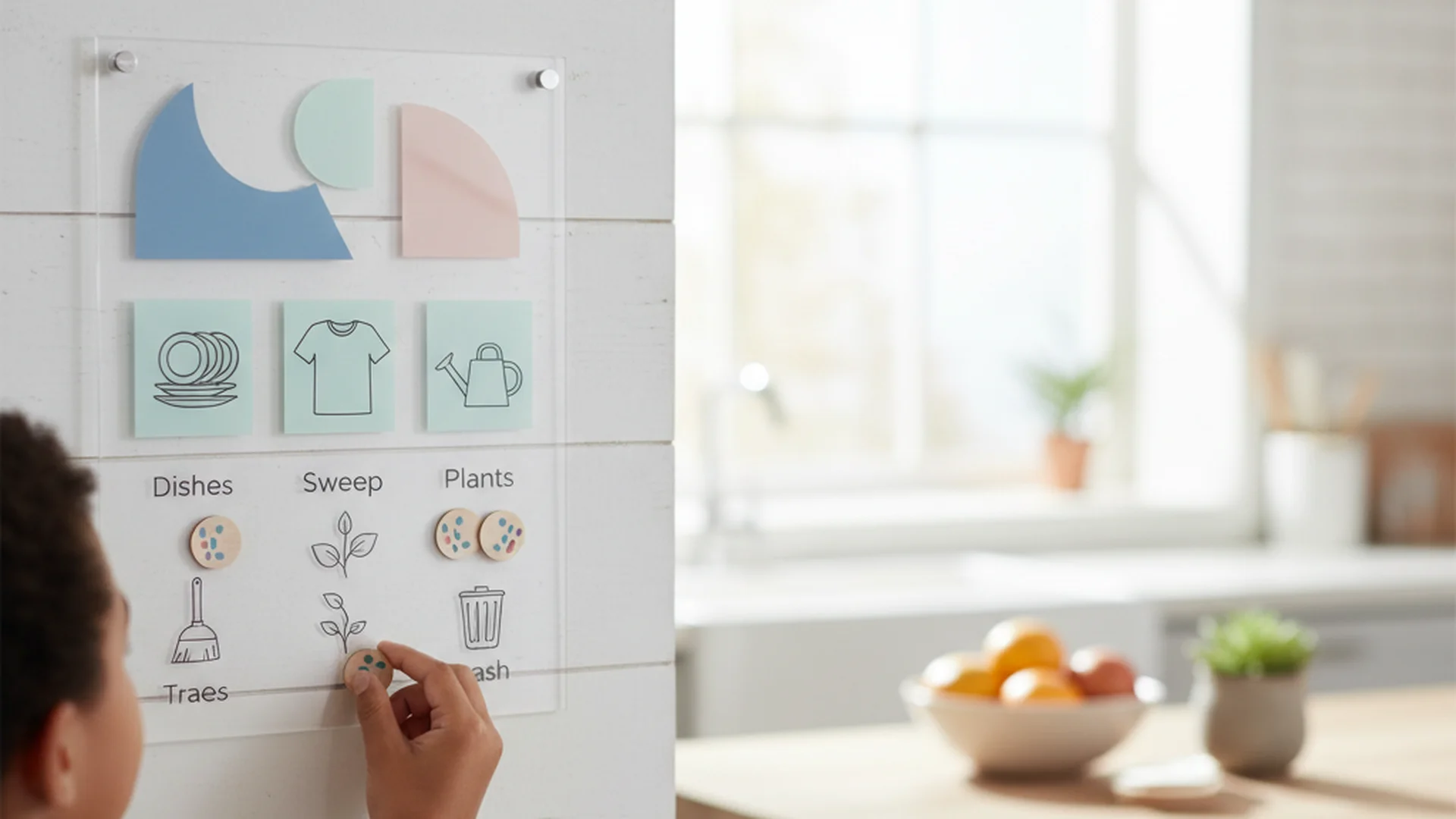
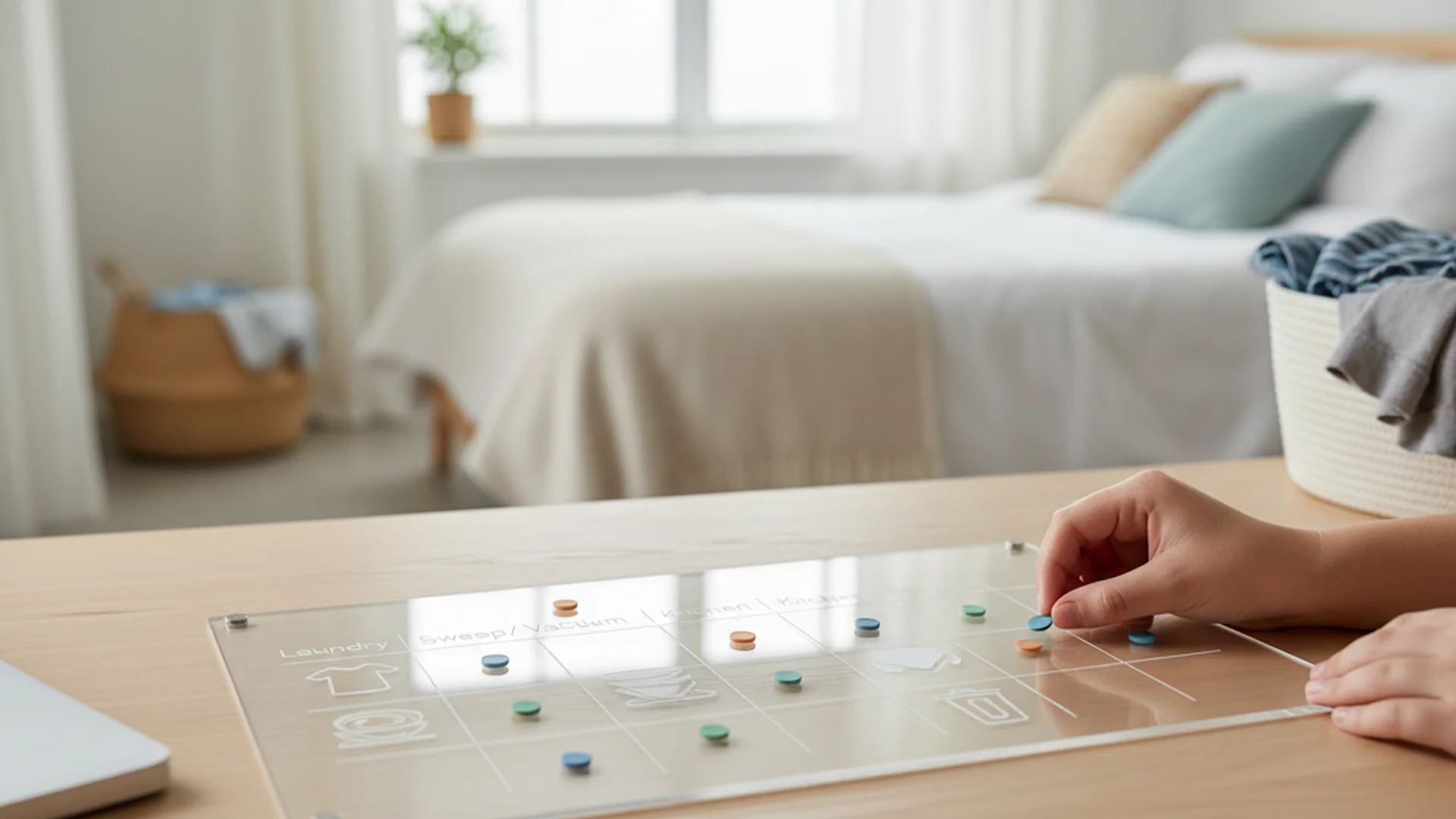
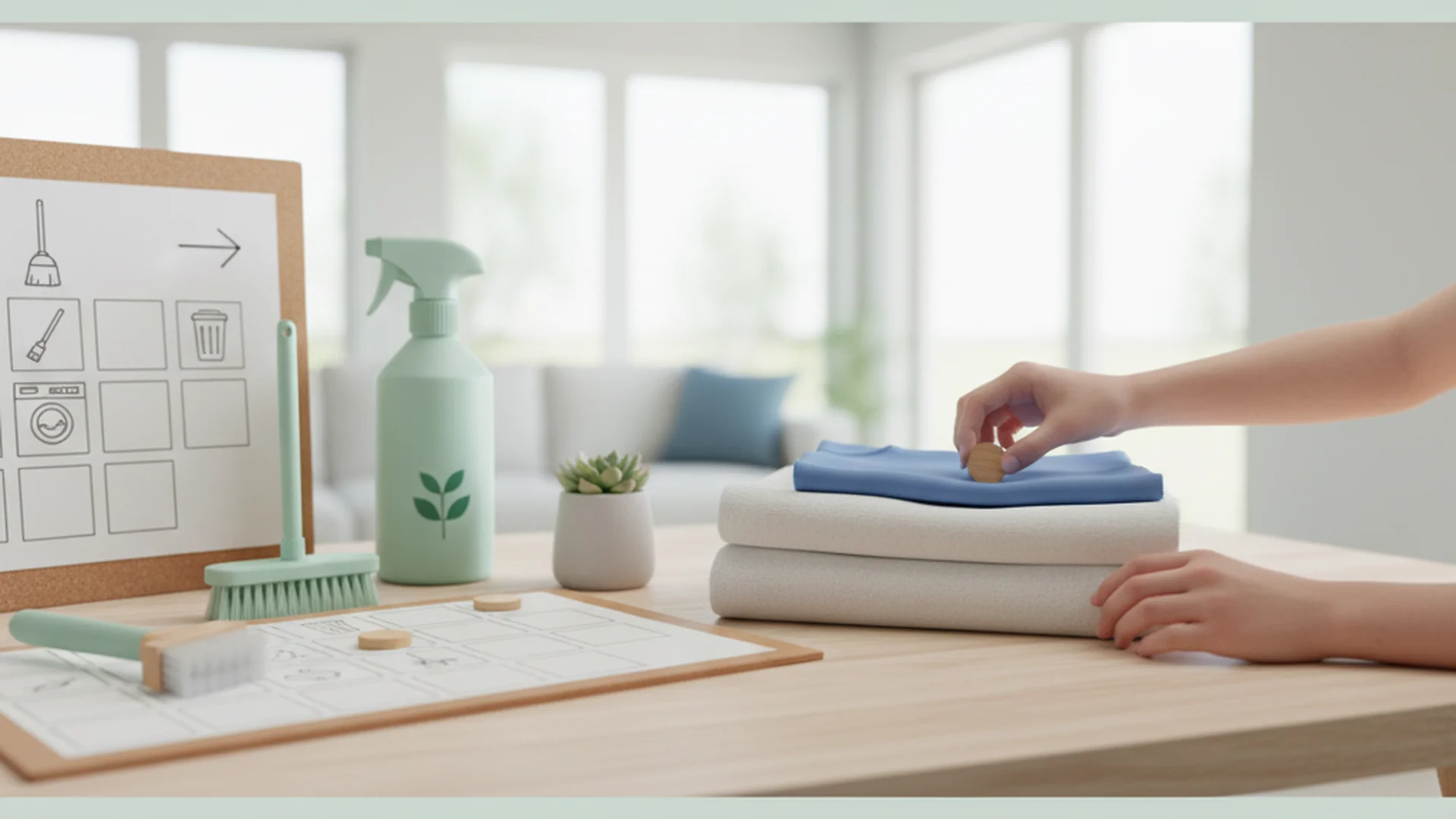
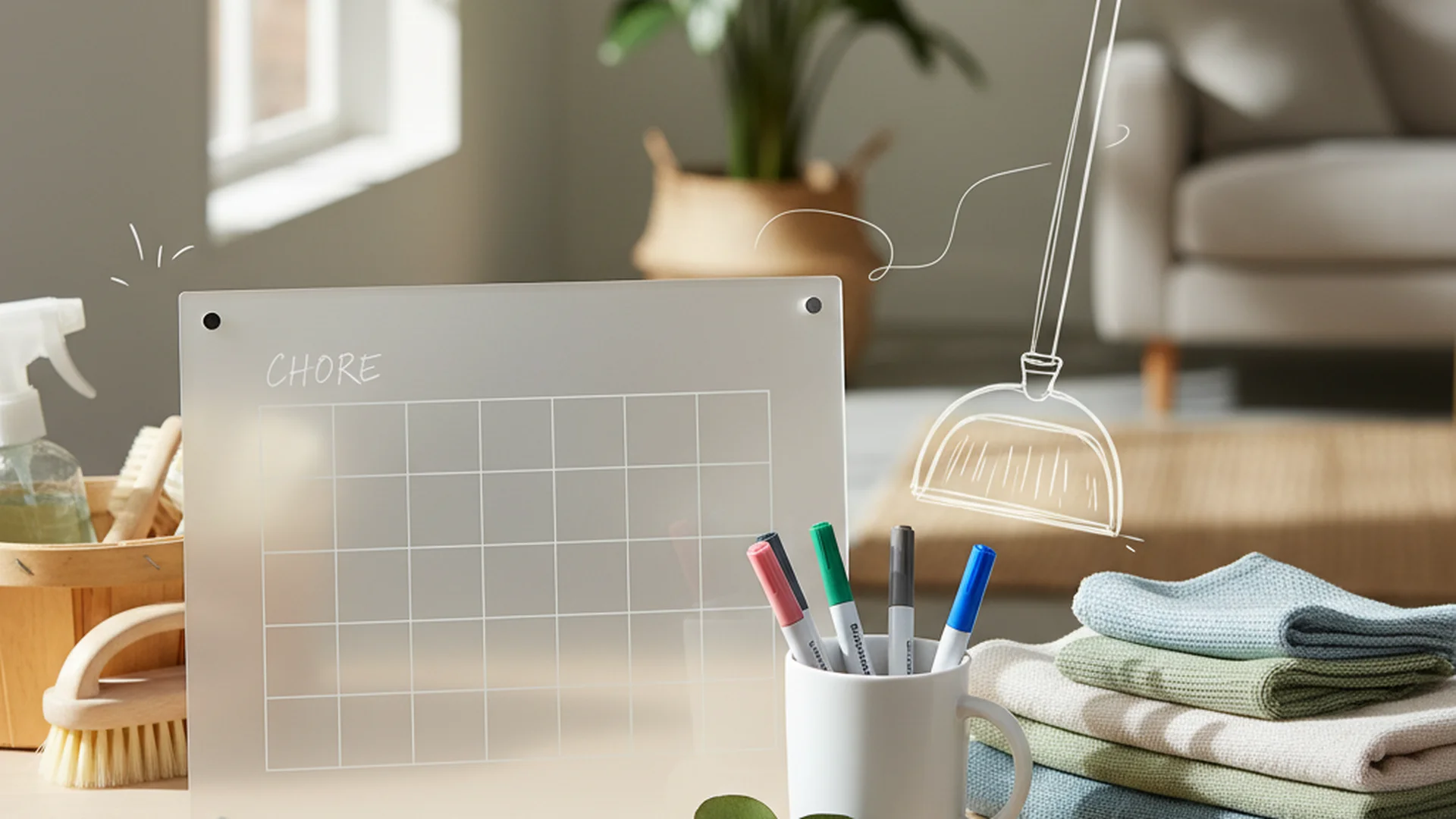
A common question I hear is, "Is a 17-year-old too old for a chore chart?" The answer is yes—if you’re talking about a chart with gold stars and stickers. However, no 17-year-old is too old for an Accountability Dashboard.
In 2025 and 2026, we are seeing a massive shift toward digital integration. Modern chore charts are moving to shared digital Kanban boards like Trello or Notion. Tasks move from "To-Do" to "Done," providing a visual representation of progress without the need for parental nagging.
AI and Smart Home Integration
Teens are increasingly using AI, like ChatGPT, to generate meal plans or cleaning schedules. If your teen is tech-savvy, encourage them to use these tools. A 17-year-old might be more motivated to clean the garage if they can use an app to "gamify" the process or track their "commissions" through financial literacy apps like Greenlight, GoHenry, or Mydoh.
Note: These platforms are the standard way parents in 2026 assign commission-based tasks, teaching teens about investing and saving before they hit the real world.
The Financial Aspect: To Pay or Not to Pay?
The debate over paying for chores is long-standing. For 17-year-olds, I recommend a Hybrid Model.
- Routine Tasks: Cleaning their own room, doing their own laundry, and helping with dishes after a meal they ate should be unpaid. These are "the cost of entry" for living in a community.
- Bonus Chores: Tasks that go above and beyond—such as deep-cleaning the attic, detailed car valeting, or seasonal yard work—can be tied to an allowance or gas money.
This model teaches financial literacy. It mimics the real world where you aren't paid to brush your teeth, but you are paid for professional labor.
Warning: Avoid using chores as a primary punishment. This creates a negative association with cleanliness that can lead to "clutter-blindness" or resentment in their future homes.
The 2025 "Adulting Audit" Trend
A popular trend in 2025 is the "Adulting Audit." This is a skills-gap assessment where parents and teens sit down to identify what the teen doesn't know how to do yet.
If a 17-year-old can't cook three healthy meals, change a flat tire, or unclog a sink, those tasks become their "chores" for the month. Instead of repetitive vacuuming, their chore might be to watch a tutorial and successfully perform a basic home repair. This keeps the chores 17 year olds ideas fresh and relevant to their upcoming transition.
Real-World Example: The "Laundry Strike"
Consider Mark, who noticed his 17-year-old son never bothered to move his wet clothes to the dryer. Mark stopped "rescuing" him. When the son had no clean jersey for his football game, he had to deal with the natural consequence. This "strike" was more effective than any lecture; the teen realized that the household system only works when every gear turns.
Common Mistakes to Avoid
Even with the best intentions, parents often fall into traps that hinder their teen's growth.
- The "Rescue" Trap: If your teen forgets their chores, don't do them for them. This teaches them that their "no" eventually leads to your "yes." Let the natural consequences—such as a lack of clean dishes or a messy room—be the teacher.
- Nagging vs. Instruction: Nagging creates a "wait-for-instruction" mindset. Instead, give a clear instruction once, set a deadline (e.g., "by 6 PM Sunday"), and apply a pre-agreed consequence if it isn't met.
- Expecting Perfection: A 17-year-old will likely do a "B-grade" job initially. If you go behind them and re-wipe the counters, you discourage future participation. Focus on the fact that they did the task rather than the microscopic details.
- The "I Pay for Everything" Argument: While it’s true parents provide housing, "commission-based" chores provide a safe environment for teens to make financial mistakes. It's better they overspend their "chore money" at 17 than their rent money at 19.
Success: When a teen takes ownership of a task without being asked, they have transitioned from "helping" to "managing." This is the ultimate goal of any chore system.
Frequently Asked Questions
Should I pay my 17-year-old for chores?
What if they are too busy with school and sports?
Is a chore chart too childish for a 17-year-old?
How many chores should a 17-year-old do?
Conclusion
Managing chores 17 year olds perform is less about having a clean house and more about raising a capable adult. By moving away from the "nagging" dynamic and toward a "flatmate" or "stewardship" model, you provide your teenager with the tools they need to thrive. Use digital tools, focus on executive function, and don't be afraid to let them fail occasionally. The goal is to ensure that when they finally leave the nest, they aren't just flying—they're also capable of cleaning the nest they land in.
Success: Implementing these strategies creates a more harmonious home and a more prepared young adult.
Cleaning that keeps score
Every task earns points, every streak multiplies them, and Premium adds a household leaderboard plus a monthly Dustagorgon to beat.
- Free forever
- 30 badges to earn
- Up to 6 in a household
No card needed. Set up your rooms in a couple of minutes.