In this article
What you’ll learn
- Chores at 16 should focus on life skills and executive function rather than just 'helping out.'
- Autonomy is key—moving away from rigid charts toward digital systems or 'Sunday Resets.'
- Household contributions build the work ethic and self-competence that carry into adulthood.
At sixteen, the finish line of childhood is officially in sight. As a professional cleaning consultant, I’ve worked with hundreds of families to streamline their home maintenance, and the most common friction point I see is the "teenage transition." Parents often struggle to balance the need for a clean home with the reality of a 16-year-old’s busy schedule of AP classes, sports, and social lives. However, implementing a structured system for chores 16 year olds can actually do is one of the most significant investments you can make in their future.
At this age, chores are no longer about just keeping the floor clean; they are about mastering the "adulting" skills required for the fast-approaching college years or the workforce. We are moving away from simple tasks and toward a "Life Skills Curriculum."
Why Chores Matter at 16
It might seem easier to just do the laundry yourself rather than argue with a teenager, but doing so does them a disservice. A childhood "capacity to work"—the willingness to take on regular, unglamorous household tasks—shapes the habits a young adult carries into their working life far more than raw academic ability does.
Children who take on chores early tend to grow into teenagers with more self-competence, more consideration for others, and more confidence that they can handle a problem on their own—precisely the qualities you want a 16-year-old carrying into adulthood. By assigning chores 16 year olds can manage independently, you are helping them close the gap between being digitally fluent and being able to actually run a household.
Note: A 16-year-old should spend roughly 30 to 45 minutes a day on household tasks, though this may be consolidated into a larger block on weekends.
Moving Beyond the "Chore Chart"
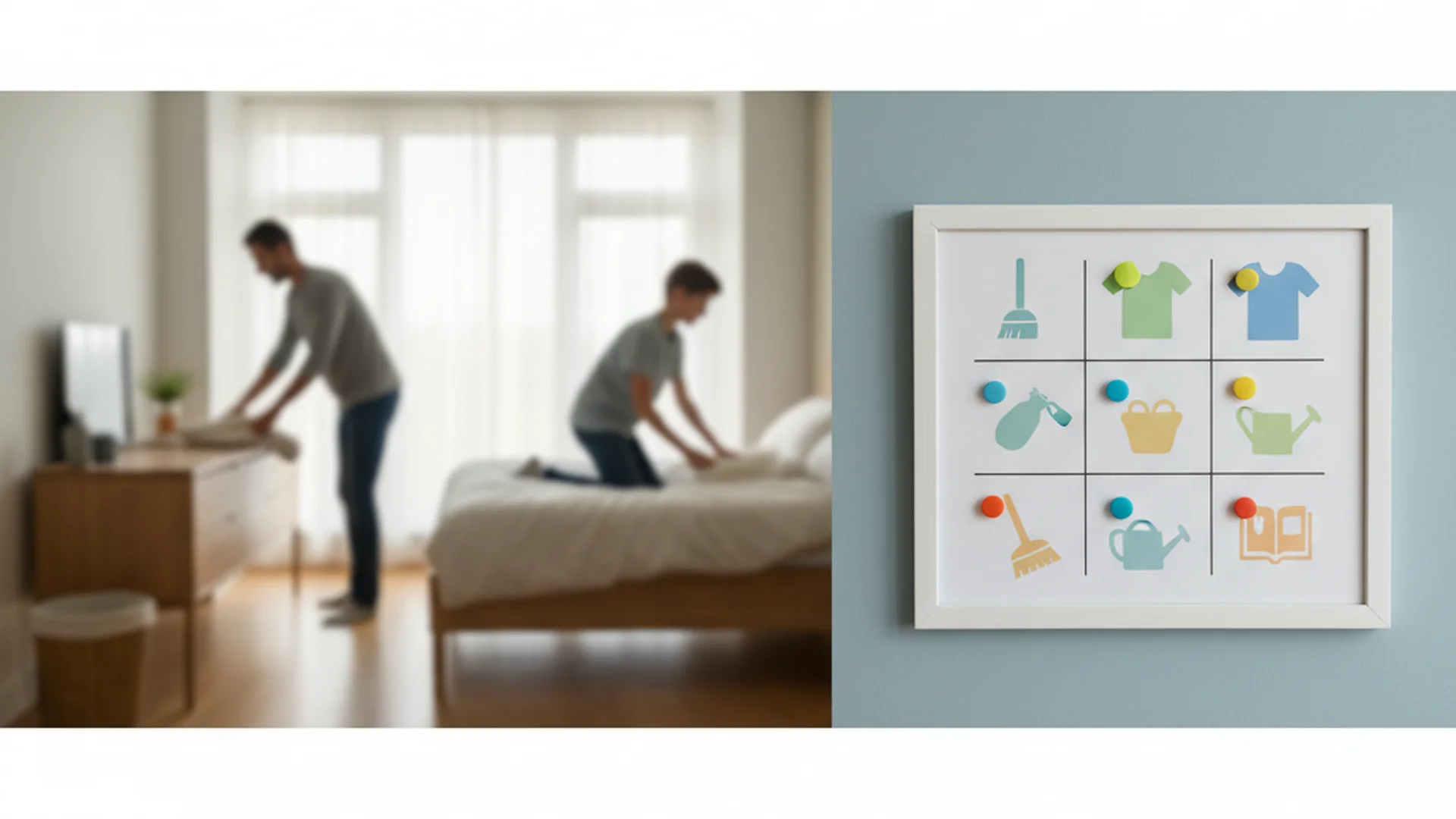
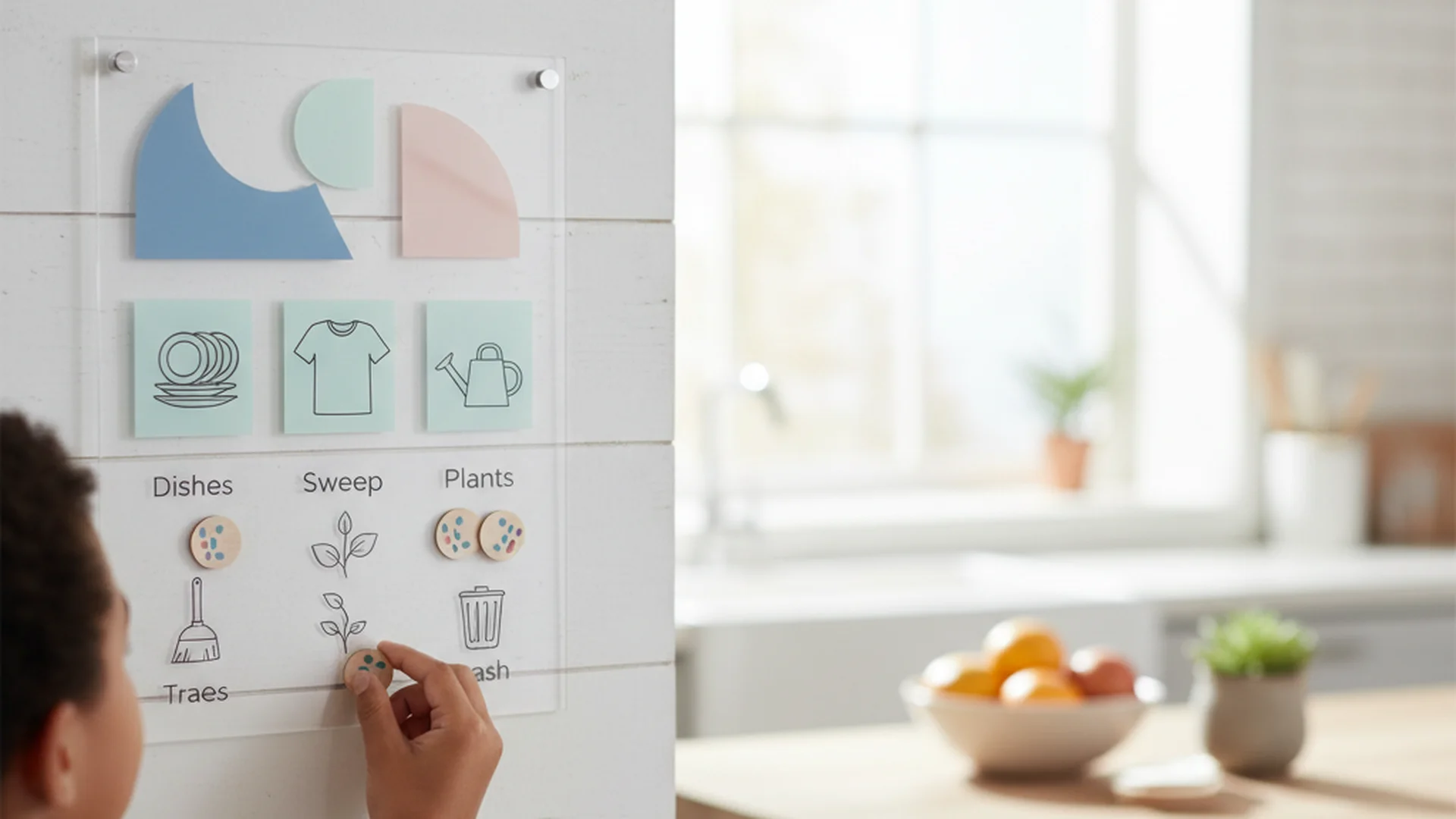
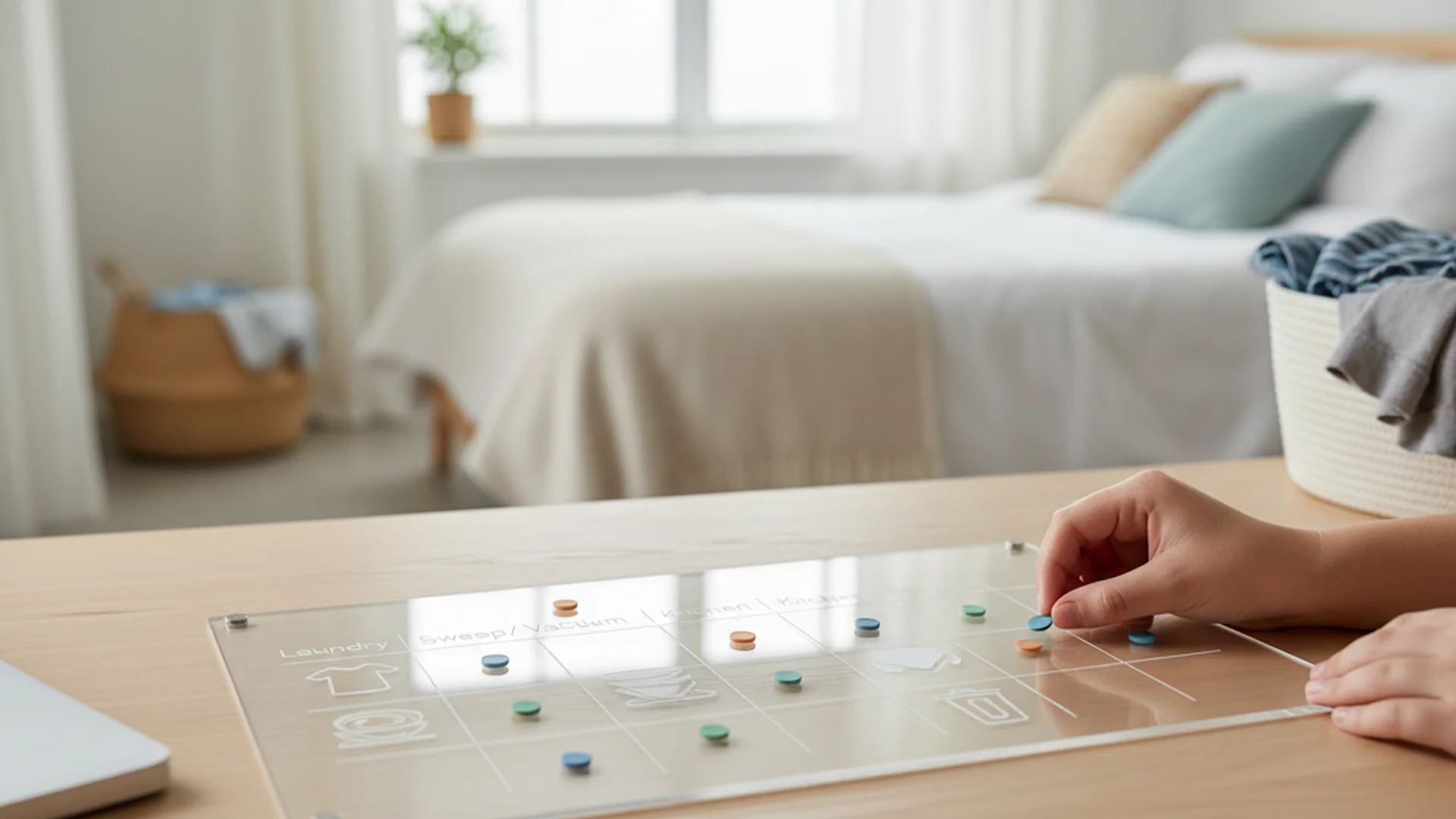
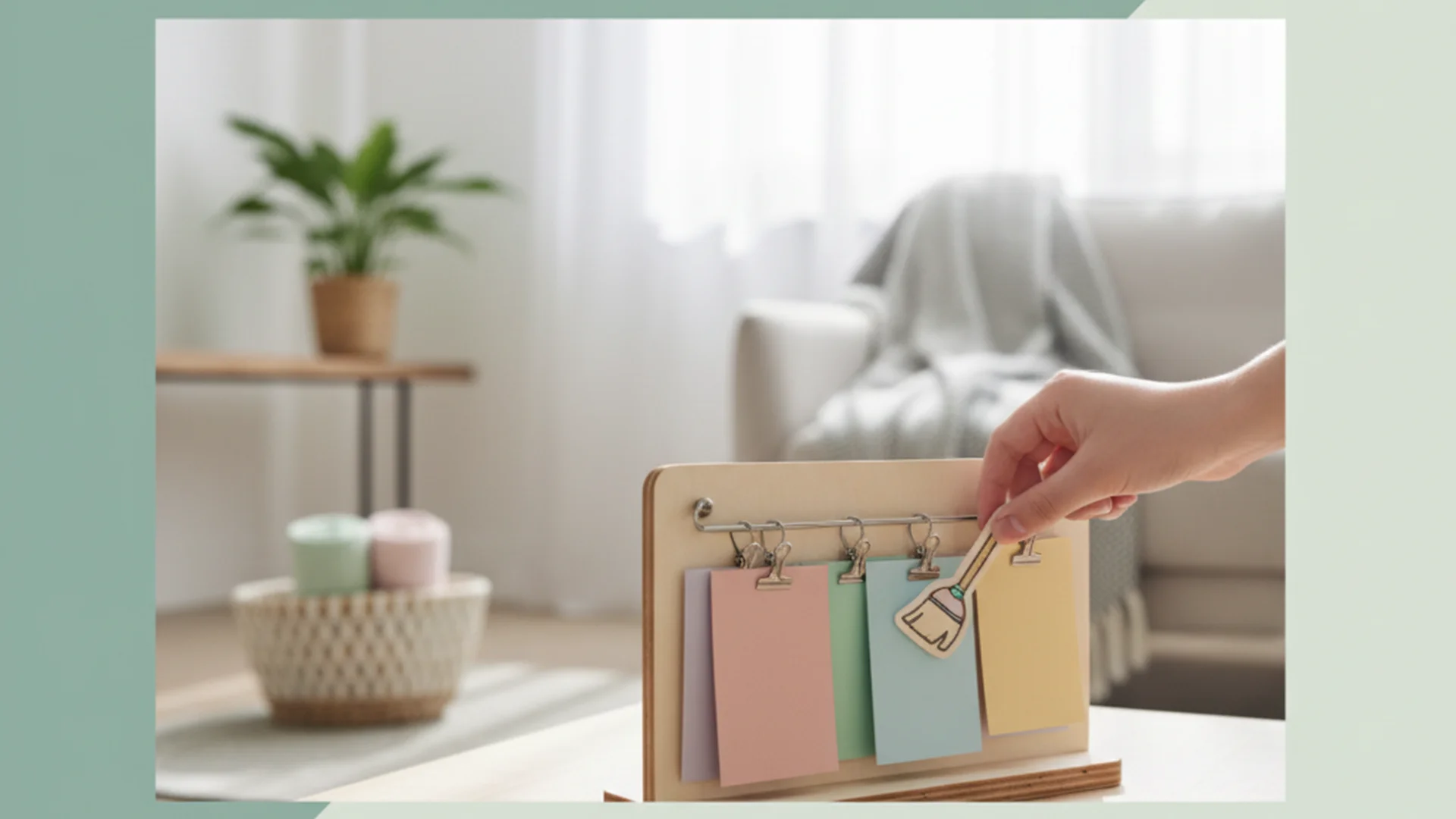
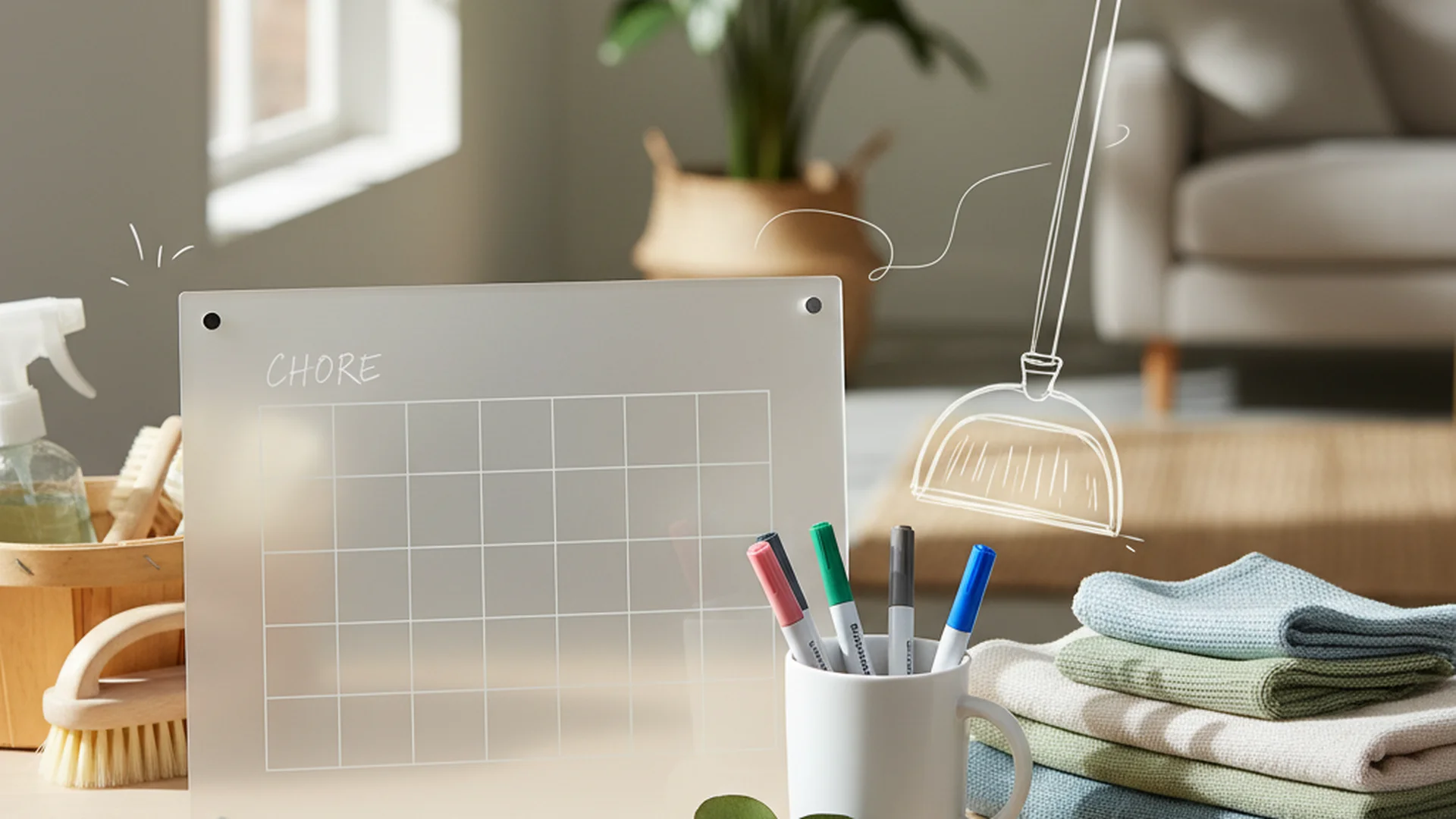
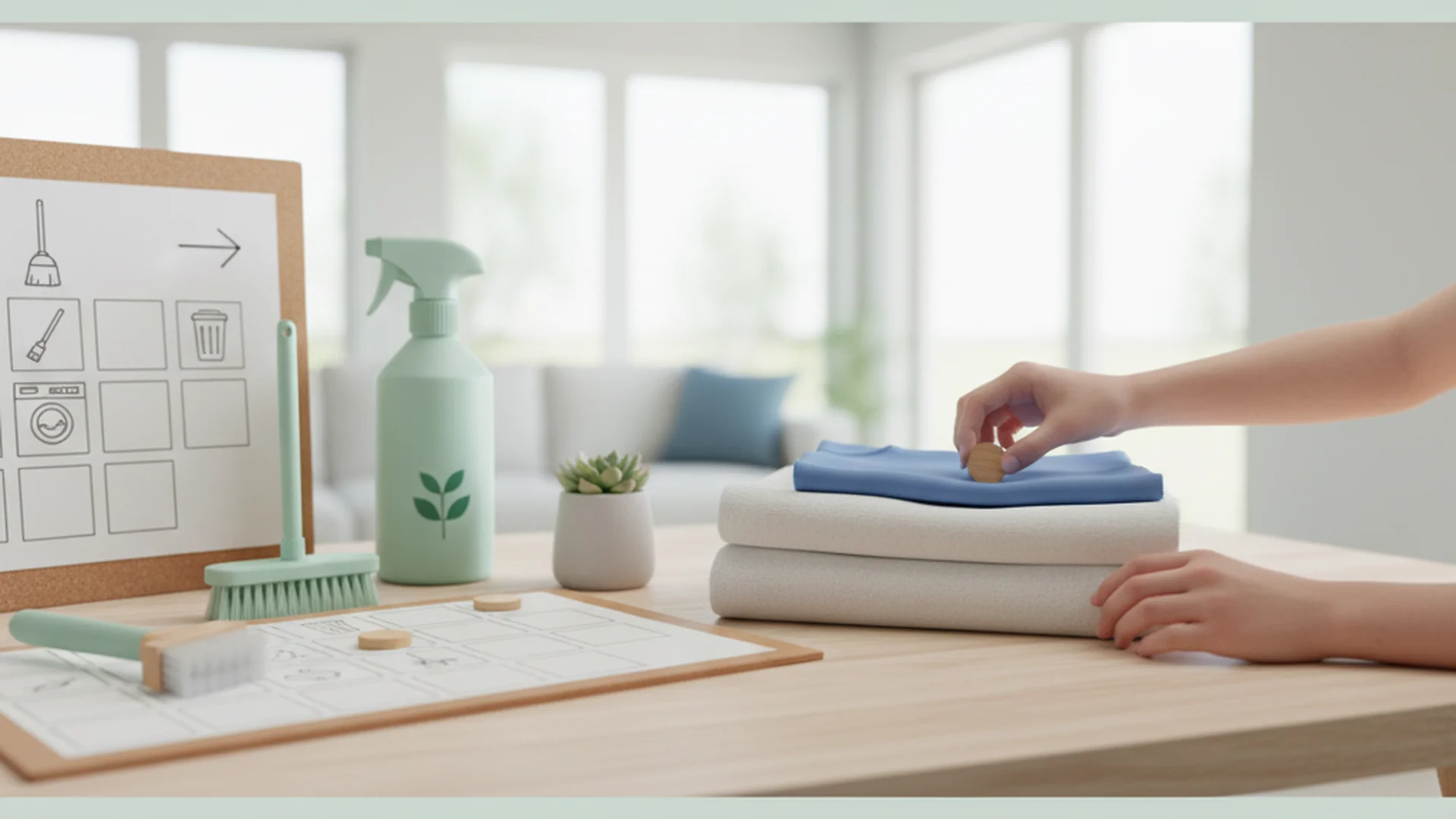
By the time a teen reaches 16, the colorful chart on the refrigerator often becomes "white noise." To be effective, the system needs to evolve. At this age, focus on autonomy. Instead of telling them when to do a task, set a deadline.
The Sunday Reset Trend
Influenced by social media trends like the "Sunday Reset" on TikTok, many 16-year-olds prefer a "batching" method. Instead of daily nagging, they spend two hours on Sunday cleaning their room, doing their laundry for the week, and prepping their lunches. This mimics the way many successful adults manage their homes around a 40-hour work week.
Digital Integration
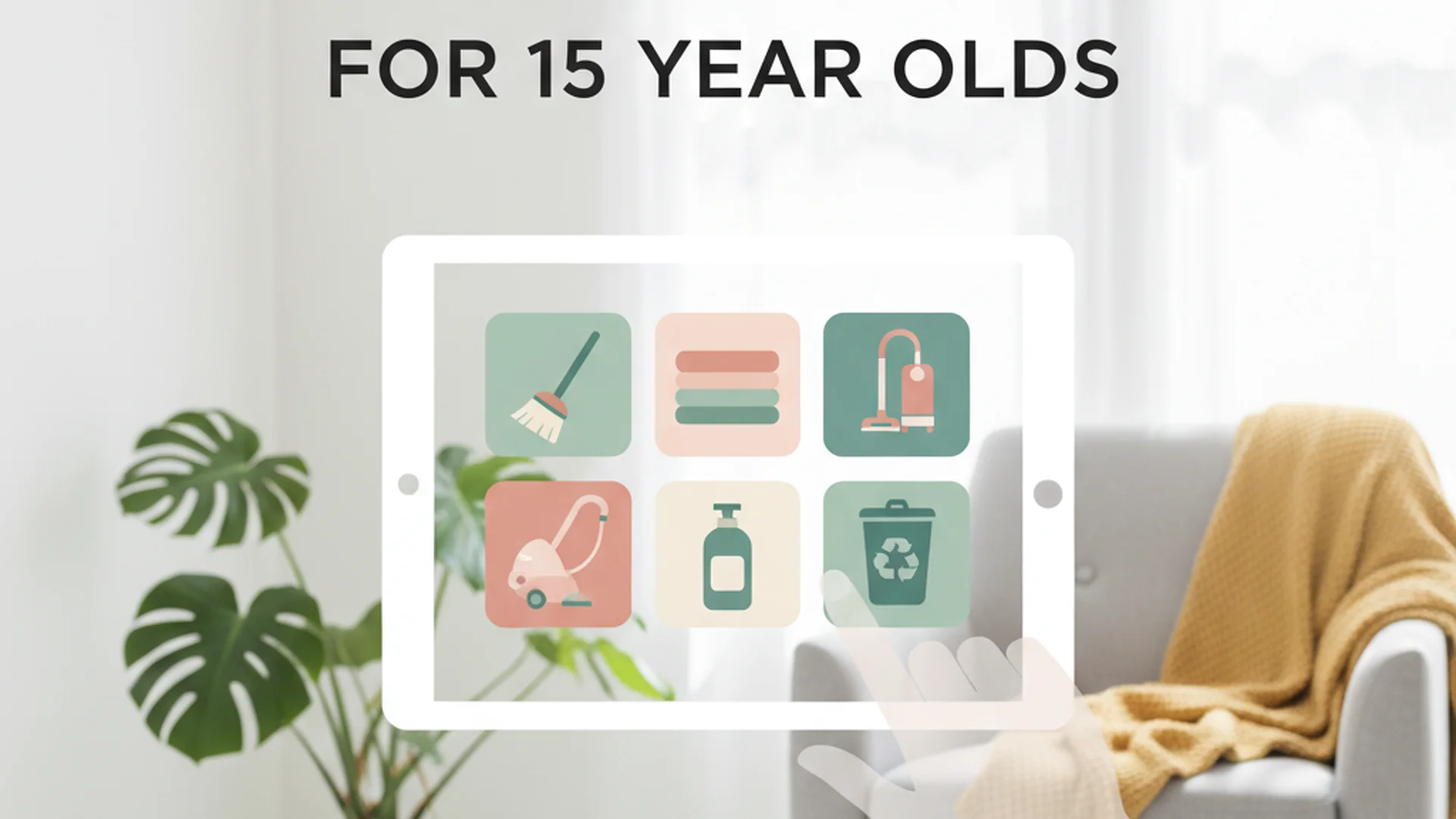
Since 16-year-olds are rarely without their phones, leverage that. Apps like Greenlight, GoHenry, or RoosterMoney allow parents to assign tasks and tie them to a debit card balance. This integrates financial literacy with household responsibility, teaching them that "work leads to reward."
Tip: If your teen struggles with focus, suggest they use the "Body Doubling" technique—cleaning while on a FaceTime call with a friend who is also doing chores.
The "Adulting" Curriculum: Chores 16 Year Olds Ideas
To help your teen prepare for independence, their chore list should move beyond their own bedroom. Here are some comprehensive chores 16 year olds ideas categorized by life skill.
1. Kitchen Mastery and Meal Prep
At 16, a teen should be able to feed themselves and others.
- Meal Planning: They should be responsible for cooking at least one or two full family dinners per week, including making the grocery list for those meals.
- Kitchen Maintenance: This includes loading and unloading the dishwasher without being asked and cleaning the stovetop after cooking.
2. Full-Cycle Laundry
A 16-year-old should be 100% responsible for their own wardrobe.
- The Full Cycle: This isn't just putting clothes in the washer; it’s drying, folding, and—crucially—putting them away.
- Linens: They should also be responsible for stripping their bed and washing their sheets and towels weekly.
3. Automotive and Outdoor Care
If they are driving or preparing to drive, the car becomes a classroom.
- Vehicle Maintenance: Checking tire pressure, monitoring oil levels, and keeping the interior vacuumed and trash-free.
- Yard Work: Mowing the lawn, using a leaf blower, or shoveling snow. These tasks build physical stamina and a sense of "curb appeal" pride.
4. Financial Responsibility
- The Budgeting Chore: Assign them a "household budget" task, such as being responsible for ordering the family’s bulk toiletries online while staying under a specific price limit.
| Category | Specific Task | Frequency |
|---|---|---|
| Kitchen | Cook family dinner | 1-2x Weekly |
| Laundry | Wash/Dry/Fold/Put Away | Weekly |
| Auto | Vacuum interior/Check fluids | Monthly |
| General | Manage one "guest-ready" zone | Daily |
Success: Teens who master these four areas tend to feel far less "overwhelmed" when they eventually move out for college or work.
Common Mistakes to Avoid
In my experience as a consultant, I see parents fall into several traps that turn chores into a battleground rather than a teaching tool.
Micromanaging the Process
If your teen loads the dishwasher in a way that looks like a game of Tetris gone wrong, but the dishes come out clean—let it go. Perfectionism is the fastest way to kill a 16-year-old’s motivation. Focus on the outcome, not the specific method.
Using Chores as Punishment
Never use cleaning as a "sentence" for bad grades or broken curfews. This creates a psychological association that home maintenance is a negative consequence rather than a neutral, necessary part of life.
The "Academic Excuse"
Many parents excuse chores 16 year olds have because "they have too much homework." This is a mistake. In the real world, you still have to eat and have clean clothes even when you are busy at work. Learning to balance high-stress periods with basic self-care is a vital executive function skill.
Warning: Using gender-biased chore assignments (e.g., girls inside, boys outside) limits your child's ability to survive solo. Every 16-year-old needs to know how to use a vacuum and a screwdriver.
Real-World Examples of Success
Example 1: The "Kitchen Manager" Shift One family I worked with gave their 16-year-old daughter total control of the kitchen on Tuesday and Thursday nights. She chose the recipes, checked the pantry for ingredients, and cooked for the family of four. In exchange, she was exempt from all other chores those days. By the time she left for college, she was a confident cook who didn't rely on expensive takeout.
Example 2: The "Natural Consequences" Method A father decided to stop nagging his son about laundry. If the son didn't do his laundry on his assigned Saturday, the father simply didn't intervene. When the son had no clean jersey for his Monday soccer game, the "natural consequence" taught him more than a dozen lectures ever could. He never missed a Saturday again.
Example 3: AI-Generated Fair Play A tech-savvy family used ChatGPT to input their teen's school schedule and extracurriculars. The AI generated a custom chore rotation that was lighter during finals week and heavier during the summer, which the teen felt was "fair" and respected their time.
Frequently Asked Questions
How many chores should a 16-year-old have?
Should I pay my 16-year-old for chores?
How do I get my 16-year-old to do chores without nagging?
Should a 16-year-old with a part-time job still do chores?
My teen has ADHD; how do I help them manage chores?
Conclusion
Transitioning to a more mature list of chores 16 year olds can handle is a pivotal moment in parenting. By shifting the focus from "doing as they're told" to "managing their life," you are providing them with the tools they need for a successful adulthood. Remember to prioritize autonomy, use modern tools, and avoid the trap of micromanagement.
Success: When a teen realizes they are capable of maintaining their environment, their self-confidence and independence soar.
Cleaning that keeps score
Every task earns points, every streak multiplies them, and Premium adds a household leaderboard plus a monthly Dustagorgon to beat.
- Free forever
- 30 badges to earn
- Up to 6 in a household
No card needed. Set up your rooms in a couple of minutes.