In this article
What you’ll learn
- Chores improve executive functioning and long-term career success.
- A hybrid allowance model ($10-$12/week) is the 2025 standard for 12-year-olds.
- Digital tools and specific checklists reduce friction and increase autonomy.
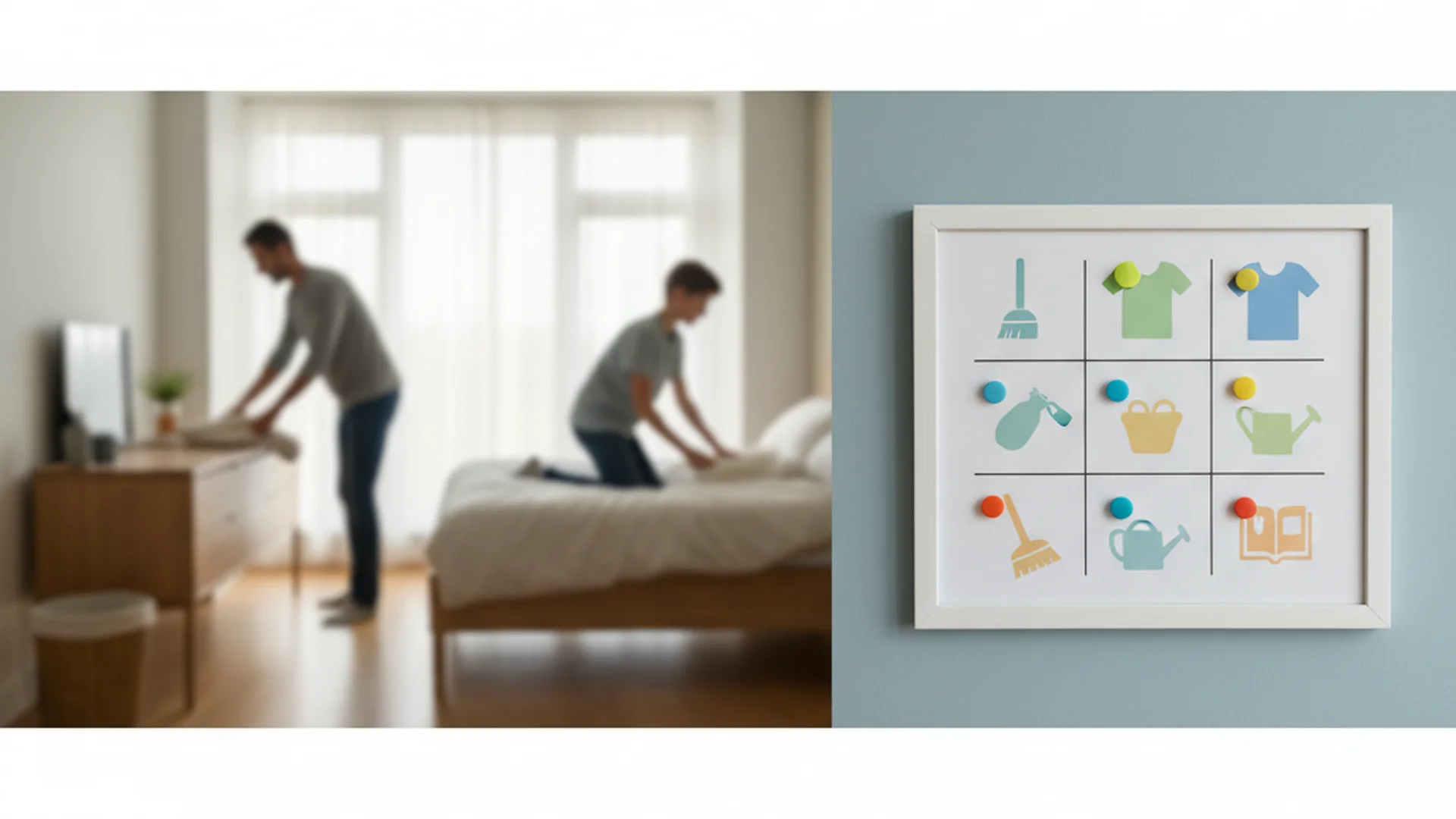
As children approach their teenage years, finding the right balance of chores 12 year olds can perform without constant friction is a challenge many parents face. At twelve, children are in a unique developmental window—they are no longer "little kids," yet they aren't quite full-fledged teenagers. This is the perfect time to transition from simple tasks to high-responsibility roles that prepare them for the real world. Integrating a structured chore system is not just about a cleaner house; it’s about neurodevelopment and long-term happiness.
Why Chores Matter at Twelve
Most of today's parents grew up with regular chores, yet far fewer require the same of their own children—a striking drop in a single generation. The children who do keep up that habit gain something lasting: a childhood "capacity to work" tends to carry through into adult mental health and steady employment, more reliably than raw intelligence or family background. These individuals develop a stronger work ethic and higher self-esteem because they see themselves as capable contributors to a community.
Household chores also build executive functioning. For a 12-year-old, tasks like sorting laundry or following a multi-step recipe stimulate working memory and impulse control. By assigning chores 12 year olds can manage, you are literally helping wire their brains for adulthood.
Success: Children who perform chores tend to build better relationships and steadier careers as adults.
The "Teamwork" Framework vs. The "Chore" Mindset
One of the biggest mistakes parents make is framing household tasks as a burden or a punishment. In my work as a Domestic Efficiency Specialist, I encourage families to adopt the "Family Teamwork Plan."
At 12, the "power struggle" phase begins. To mitigate this, shift the language. Instead of saying "Do your chores," try "Let's complete our team contributions so we can all enjoy our weekend." This subtle shift recognizes the 12-year-old’s growing need for autonomy. By framing the home as an "ecosystem" where everyone has a role, you reduce the "What’s in it for me?" attitude that often plagues the middle school years.
Tip: Allow your 12-year-old to choose two or three tasks from a master list. Giving them a sense of agency over their "job description" drastically increases compliance.
The Comprehensive Chores 12 Year Olds List
By age 12, a child’s fine motor skills and cognitive ability allow them to handle almost any task a typical adult can, provided they have been shown how. Below is a breakdown of age-appropriate chores 12 year olds ideas categorized by area.
Kitchen Responsibilities
The kitchen is the heart of the home and the best place to teach "Life Skills 101." A 12-year-old should be moving beyond just clearing their plate.
- Meal Prep: They should be able to prepare at least 3-5 basic meals independently (e.g., pasta, scrambled eggs, or a grilled cheese sandwich).
- Dish Management: Loading and unloading the dishwasher with care (understanding where the "sharp" knives go).
- Surface Care: Wiping down counters and disinfecting the sink after meal prep.
Deep Cleaning and Maintenance
This age is perfect for introducing "zone" cleaning. Instead of "clean the house," assign them the "Guest Bathroom" or the "Entryway."
| Task Area | Specific Action | Frequency |
|---|---|---|
| Bathroom | Scrubbing the sink, cleaning the mirror, and replacing towels. | Weekly |
| Floors | Vacuuming high-traffic areas or using a microfiber mop. | Twice Weekly |
| Windows | Cleaning interior windows and glass sliding doors. | Monthly |
| Trash | Emptying all small bins and taking the main bin to the curb. | Weekly |
Laundry Independence
A 12-year-old is fully capable of managing their own wardrobe. This includes sorting colors, choosing the correct wash cycle, drying, folding, and—most importantly—putting the clothes away in drawers.
Note: Teaching a 12-year-old to read clothing care labels now will save you hundreds of dollars in ruined sweaters later!
Outdoor and High-Responsibility Tasks
In 2025, we see a trend toward "Life-Skill Integration." This involves tasks that take place outside the home or require a higher level of trust.
- Lawn Care: Mowing the lawn (with initial supervision) is a classic milestone for 12-year-olds.
- Car Maintenance: Helping wash the car or vacuuming the interior.
- Pet Ownership: Walking the dog independently and handling the "unpleasant" side of pet ownership, like waste cleanup.
- Street Smarts: Running into a local store to grab milk or bread while you wait in the car. This builds confidence in navigating social and commercial environments.
Warning: Always ensure 12-year-olds understand safety protocols for power tools (like mowers) and cleaning chemicals before letting them work unsupervised.
Allowance Trends: The 2025/2026 Standard
The question of whether to pay for chores is a hot topic, and most families end up somewhere in the middle.
A typical allowance for a 12-year-old lands somewhere around $10–$15 per week. A simple rule of thumb remains the "$1 per year of age" model. Better still is a Hybrid Model:
- Baseline Chores (Unpaid): These are tasks required because the child lives in the house (cleaning their room, clearing their own dishes).
- Extra Chores (Paid): These are tasks that go above and beyond (mowing the lawn, deep cleaning the refrigerator, washing the car).
This model prevents the "Rewards Economy" where a child refuses to help with anything unless there is a financial incentive.
Tip: Use the "When/Then" technique for non-paid chores. "When the dishwasher is emptied, then you can have your gaming time."
Digital vs. Physical Chore Charts
The way we track chores has evolved. In 2025, parents are moving away from paper and toward two distinct ends of the spectrum:
1. Digital Allowance Apps
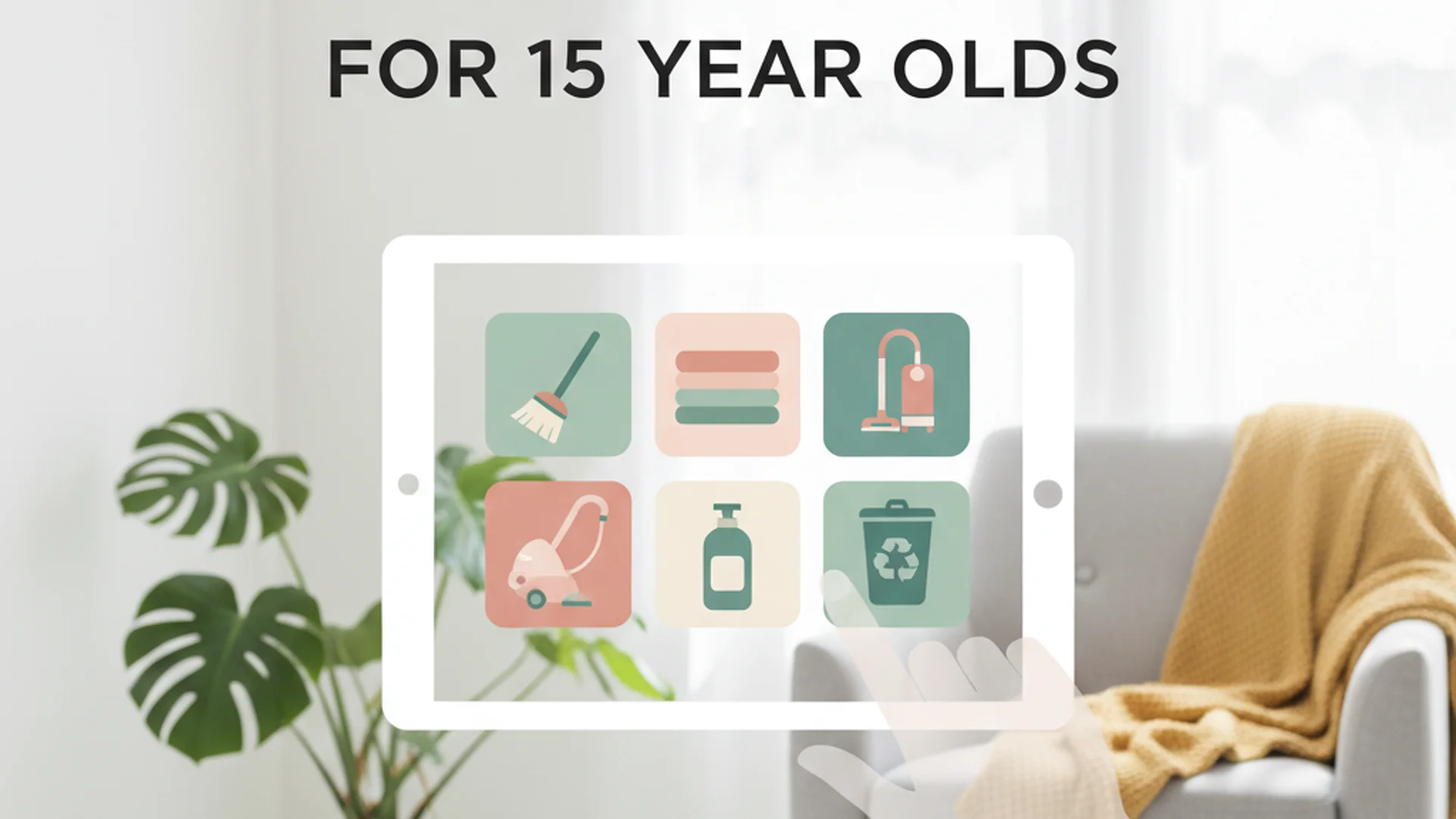
Apps like Greenlight, GoHenry, and Mydoh are leading the way. These allow you to set "Automatic Chores." Once the child marks them as done in the app, their allowance is digitally deposited. This teaches 12-year-olds financial literacy in a digital-first world, showing them how to balance "Spend, Save, and Give" buckets.
2. Aesthetic Command Centers
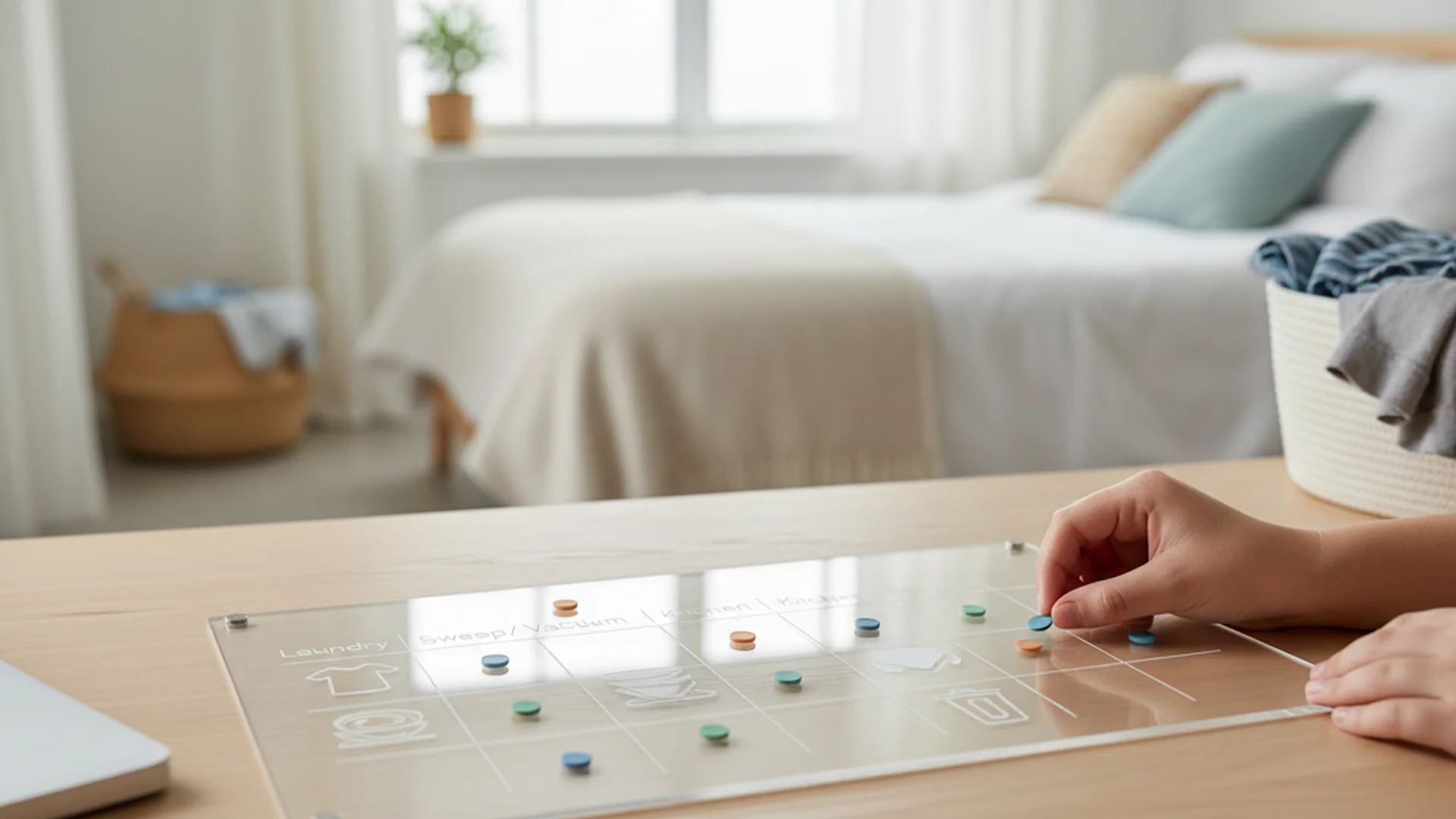
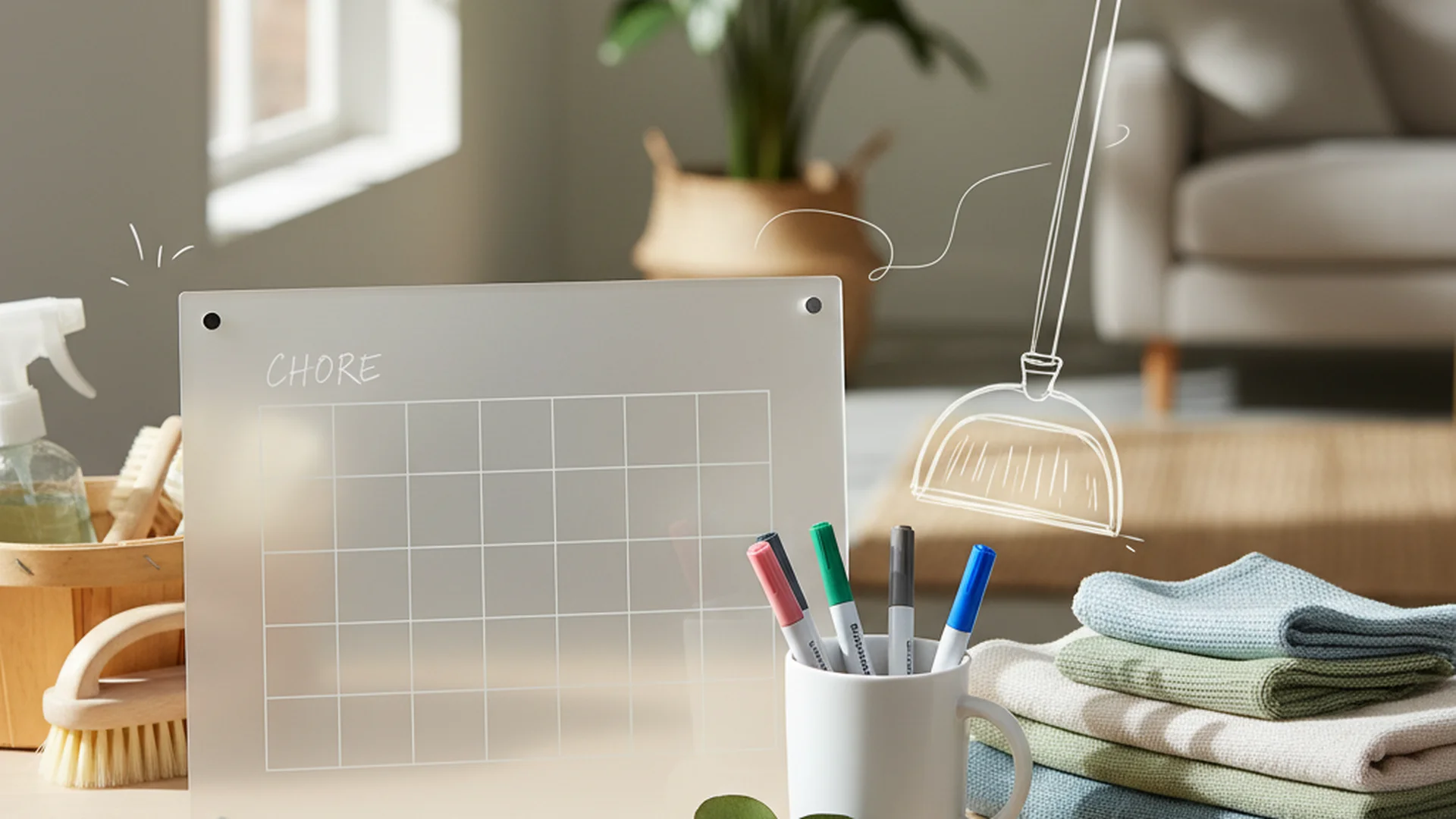
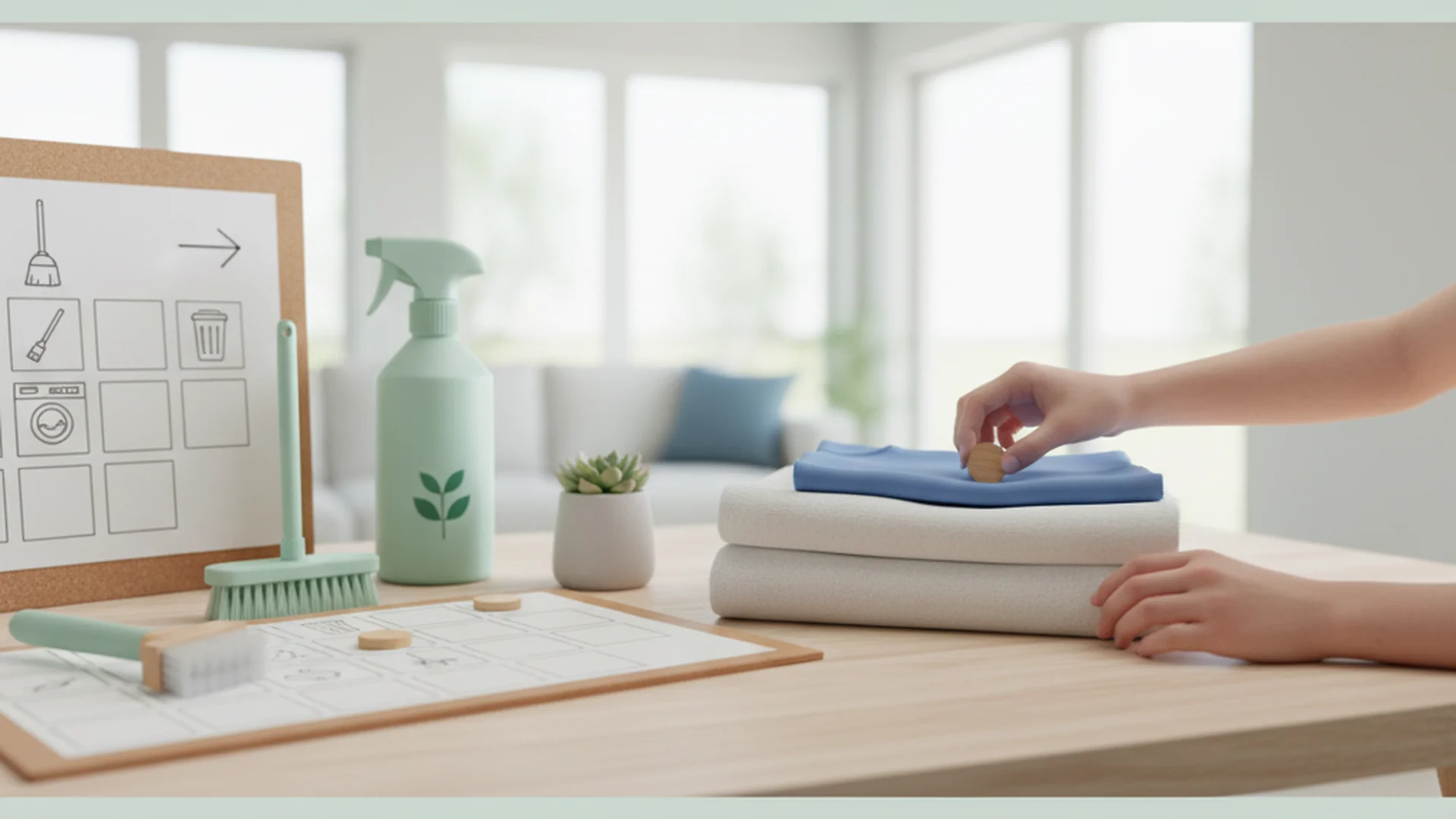
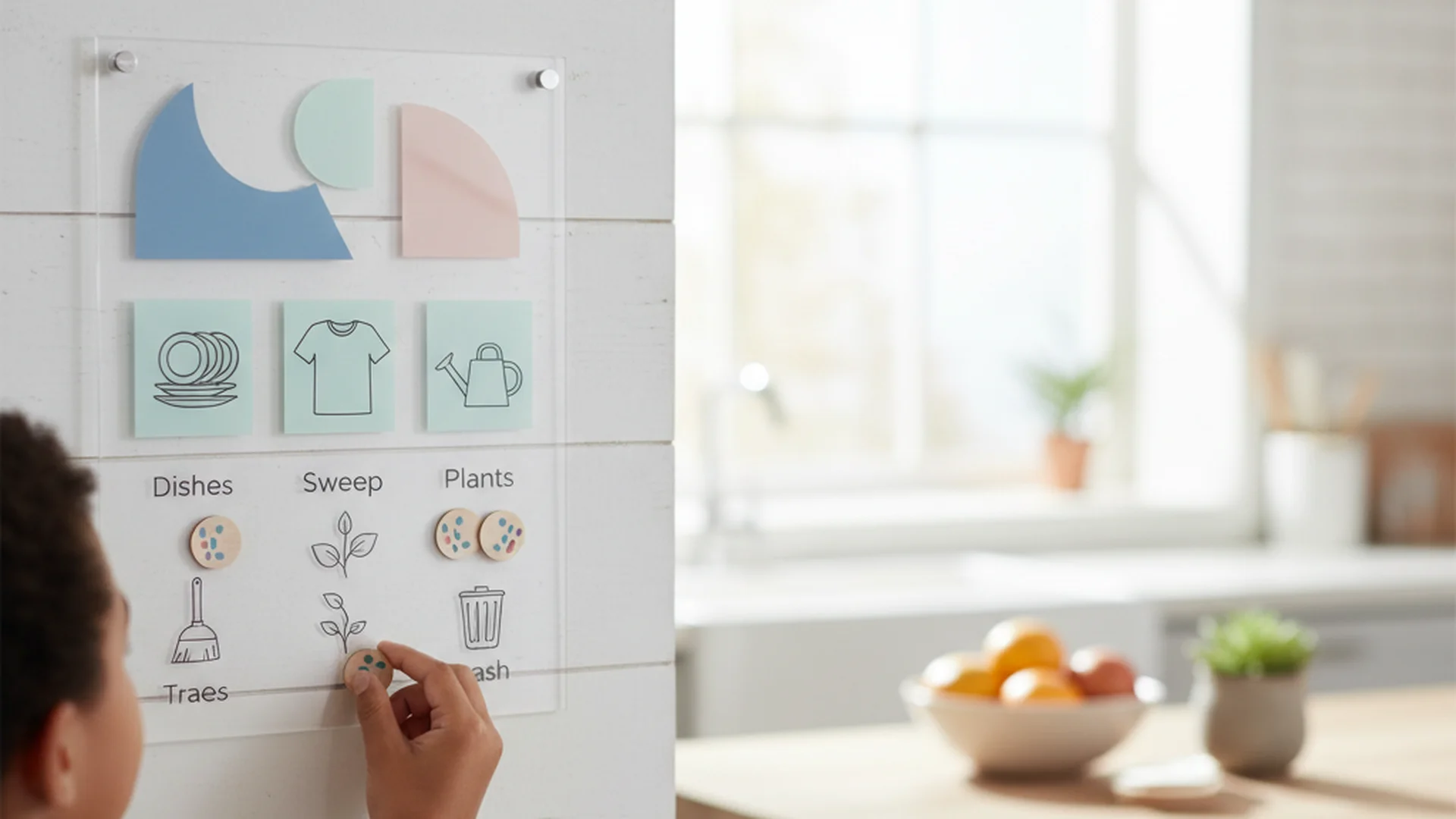
For those who prefer a physical visual, acrylic wall planners and magnetic fridge charts are the 2025 trend. These "Command Centers" often use sliding "Done" toggles. For a 12-year-old, a sleek, adult-looking acrylic board feels much more respectful than a "star chart" designed for a toddler.
Common Mistakes to Avoid
Even the best-laid chore plans can fail. Here are the most common pitfalls I see in modern households:
- Insisting on Perfection: If your 12-year-old mops the floor but leaves a small streak, do not jump in and fix it immediately. This undermines their sense of competence. Instead, wait a day and then show them a "pro tip" for a streak-free finish.
- The "Busy Student" Trap: Many parents waive chores because their child has a heavy homework load or sports. However, removing responsibilities actually hurts time-management skills. Chores provide a necessary mental break and teach them how to balance life and work.
- Vague Instructions: "Clean the kitchen" is too broad. For a 12-year-old, provide a specific checklist: (1) Load dishwasher, (2) Wipe counters, (3) Sweep floor. Clarity eliminates the "I didn't know I had to do that" excuse.
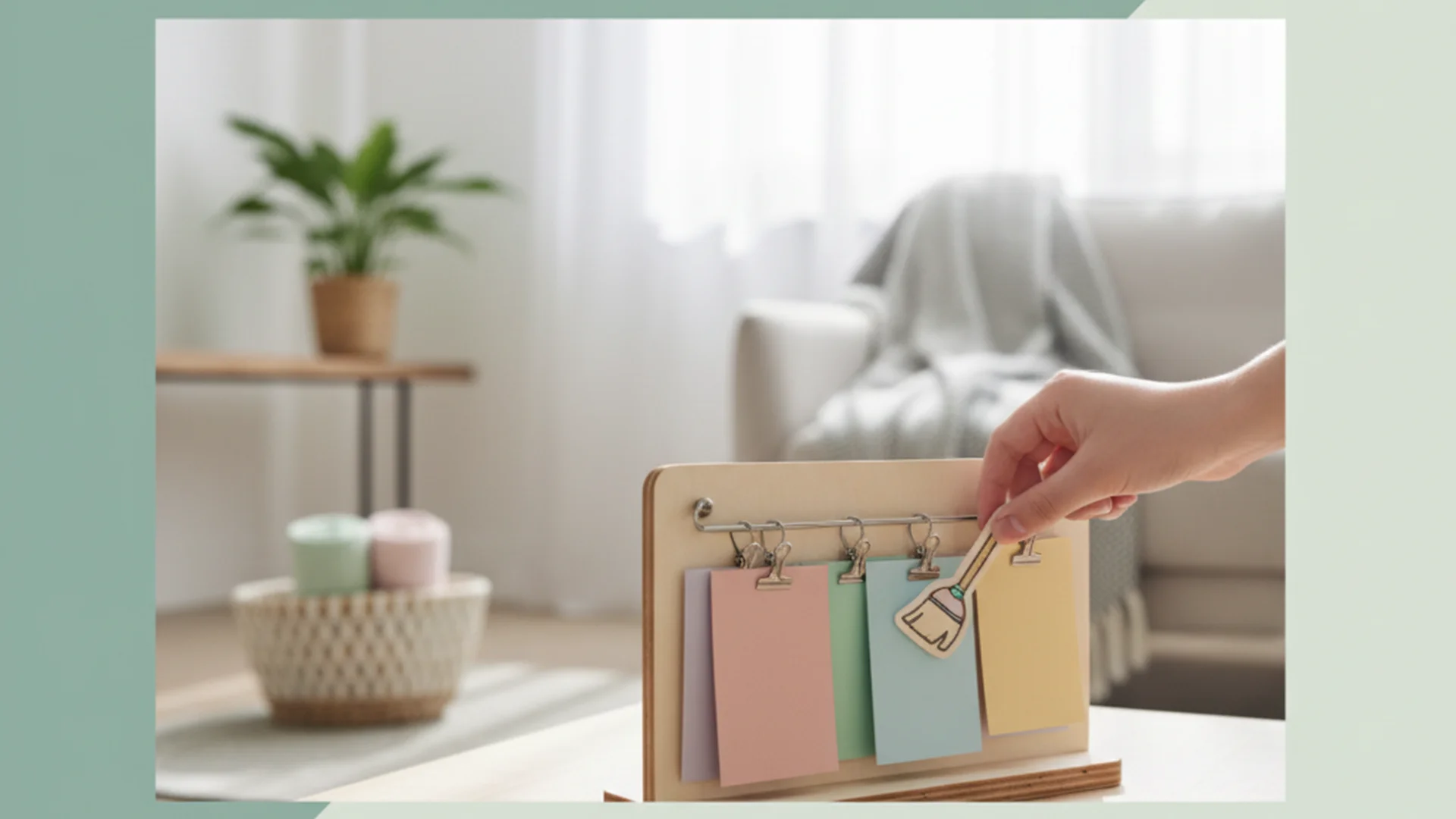
- Overcomplicating the System: If your chore chart requires 20 minutes of parental maintenance every day, it will fail within two weeks. Keep the system simple, visible, and consistent.
Real-World Examples of Chore Success
Example 1: The "Laundry Graduate"
In Chicago, the Miller family decided that on their daughter's 12th birthday, she would become the "CEO of her own laundry." They spent one Saturday teaching her the machine settings. By giving her total control (and the natural consequence of having no clean jeans if she forgot), she developed a routine that took a massive load off the parents.
Example 2: The Errand Runner
A 12-year-old named Sam was struggling with social anxiety. His parents started including "Commercial Errands" in his chore list. He would go into the local pharmacy to pick up a pre-paid prescription while his dad waited outside. This "chore" built his social confidence and "street smarts" more than any indoor task could.
Example 3: The Hybrid Allowance Winner
The Garcia family uses a digital app. Their 12-year-old has "Daily 3" (unpaid): Make bed, dishes to the sink, and backpack organized. Then, he has "Saturday Specials" (paid): Mowing and bathroom cleaning. This clear distinction has ended all arguments about money in their house.
Frequently Asked Questions
Should I pay my 12-year-old for cleaning their room?
How many chores are too many for a 12-year-old?
Is a 12-year-old old enough to babysit as a chore?
What if my child refuses to do their chores?
Conclusion
Implementing a chore chart for 12-year-olds is an investment in their future. By moving away from the "nagging" cycle and toward a structured, choice-based "Teamwork Plan," you provide your child with more than just a clean room. You provide them with the executive function, financial literacy, and confidence they need to navigate the teenage years and beyond.
Remember, the goal isn't a perfect house—it's a prepared child. Start small, be consistent, and watch as your 12-year-old rises to the challenge of their new responsibilities.
Success: Consistent household responsibilities act as an "antidote to lack of motivation," providing structure that supports better mental health and a sense of tangible accomplishment.
Cleaning that keeps score
Every task earns points, every streak multiplies them, and Premium adds a household leaderboard plus a monthly Dustagorgon to beat.
- Free forever
- 30 badges to earn
- Up to 6 in a household
No card needed. Set up your rooms in a couple of minutes.