In this article
What you’ll learn
- Age 11 is a critical developmental window for executive function and autonomy.
- A 'Hybrid Model' for allowance helps balance contribution with financial literacy.
- Modern chores now include digital hygiene and eco-sustainability tasks.
Are you struggling to find the right balance of responsibilities for your pre-teen? Transitioning into the "tween" years can be challenging, but finding the right chores 11 year olds can handle is a powerful way to foster independence. At age 11, children are at a developmental "sweet spot"—they are old enough to handle complex, multi-step tasks but still young enough to find satisfaction in contributing to the household. By moving beyond simple toy cleanup and into meaningful home management, you are preparing your child for the realities of adulthood.
Why Age 11 is the Developmental Sweet Spot
At eleven years old, children are entering early adolescence. Their brains are undergoing a significant shift toward "Executive Function"—the ability to plan, organize, and execute tasks from start to finish. Doing chores as a young child is one of the strongest foundations for professional success and empathy in adulthood.
However, there is a growing "Chore Gap." Most of today's parents grew up doing chores, yet far fewer assign them to their own children. By introducing a structured system of chores for 11 year olds, you are bridging this gap and providing your child with a competitive advantage in life.
Note: At this age, the goal isn't just a clean floor; it’s about teaching your child to "notice" what needs to be done without being asked.
The Ultimate Chore List for 11-Year-Olds
When looking for chores 11 year olds ideas, it is important to categorize tasks into daily maintenance and weekly deep cleans. At this age, children can safely operate most household machinery, including vacuums, dishwashers, and washing machines.
Daily and Weekly Task Breakdown
| Category | Daily Tasks | Weekly Deep Cleans |
|---|---|---|
| Kitchen | Load/Unload dishwasher, wipe counters | Mop floors, clean microwave interior |
| Laundry | Sort laundry, fold one basket | Wash and dry bedding, organize closet |
| Common Areas | Tidy shoes/bags, dust TV stand | Vacuum all rugs, clean windows/mirrors |
| Bathroom | Wipe down sink, hang towels | Scrub the toilet, clean the shower floor |
| Pet Care | Feed pets, fresh water, walk dog | Clean litter box, wash pet bedding |
Tip: Use a "Menu of Options" for weekly chores. Letting your 11-year-old choose two deep-cleaning tasks from a list of five gives them a sense of autonomy and control.
Kitchen and Meal Prep
By age 11, your child should be capable of packing their own school lunch and preparing simple meals. This includes using the stove (with supervision initially) for tasks like making scrambled eggs or boiling pasta. This not only lightens your load but also ensures they won't head to college only knowing how to use a microwave.
Laundry Mastery
Don't just ask them to "put clothes away." Teach them the full cycle: sorting colors, selecting the correct wash temperature, moving items to the dryer, and folding. 11-year-olds are more than capable of managing their own wardrobe entirely.
Implementing the "I Do, We Do, You Do" Method
To ensure your chores 11 year olds list doesn't lead to frustration, use a phased teaching approach. Jumping straight to independent work often leads to "weaponized incompetence" or genuine confusion.
- I Do: You perform the chore while the child watches. Explain why you are doing certain things (e.g., "We wipe the counter in S-patterns so we don't miss spots").
- We Do: Perform the chore together. This is the time to correct form and answer questions.
- You Do: The child performs the chore while you supervise from the doorway.
- Check-off: The child performs the chore independently and notifies you when it is complete for a quick "quality check."
Warning: Avoid redoing a chore immediately after they finish it. If the job is 80% correct, accept it. Redoing their work kills motivation and sends the message that their effort isn't good enough.
Modern Trends: Digital Hygiene and Eco-Chores
As we move through 2025 and 2026, the definition of "household chores" is evolving. Modern parents are now including "Digital Hygiene" and "Eco-chores" in their weekly rotations.
Digital Home Management
Our homes are no longer just physical spaces; they are digital ones too. Chores in this category might include:
- Cleaning screens (tablets, TVs, monitors) with appropriate microfiber cloths.
- Organizing the family "digital photo dump" or shared folders.
- Ensuring all family devices are plugged into the central charging station at night.
Sustainable Living Tasks
Eco-chores teach environmental responsibility. An 11-year-old can take charge of the household composting bin, sort hard-to-recycle plastics, or act as the "Energy Monitor"—ensuring lights are off and thermostats are adjusted when the family leaves the house.
Success: Incorporating digital and eco-chores makes the list feel relevant to the modern world, increasing "buy-in" from tech-savvy pre-teens.
Real-World Examples: Three Chore Profiles
To help you visualize how this looks in practice, here are three ways to structure chores for 11 year olds based on different personalities and schedules.
Example 1: The Student-Athlete
- The Schedule: Busy weekday evenings with sports practice.
- The Solution: This child has minimal daily chores (dishwashing and room tidying) but handles a larger "Sunday Reset" where they do their own laundry and prep their gym bags for the entire week.
Example 2: The Digital Native
- The Schedule: High interest in gaming and technology.
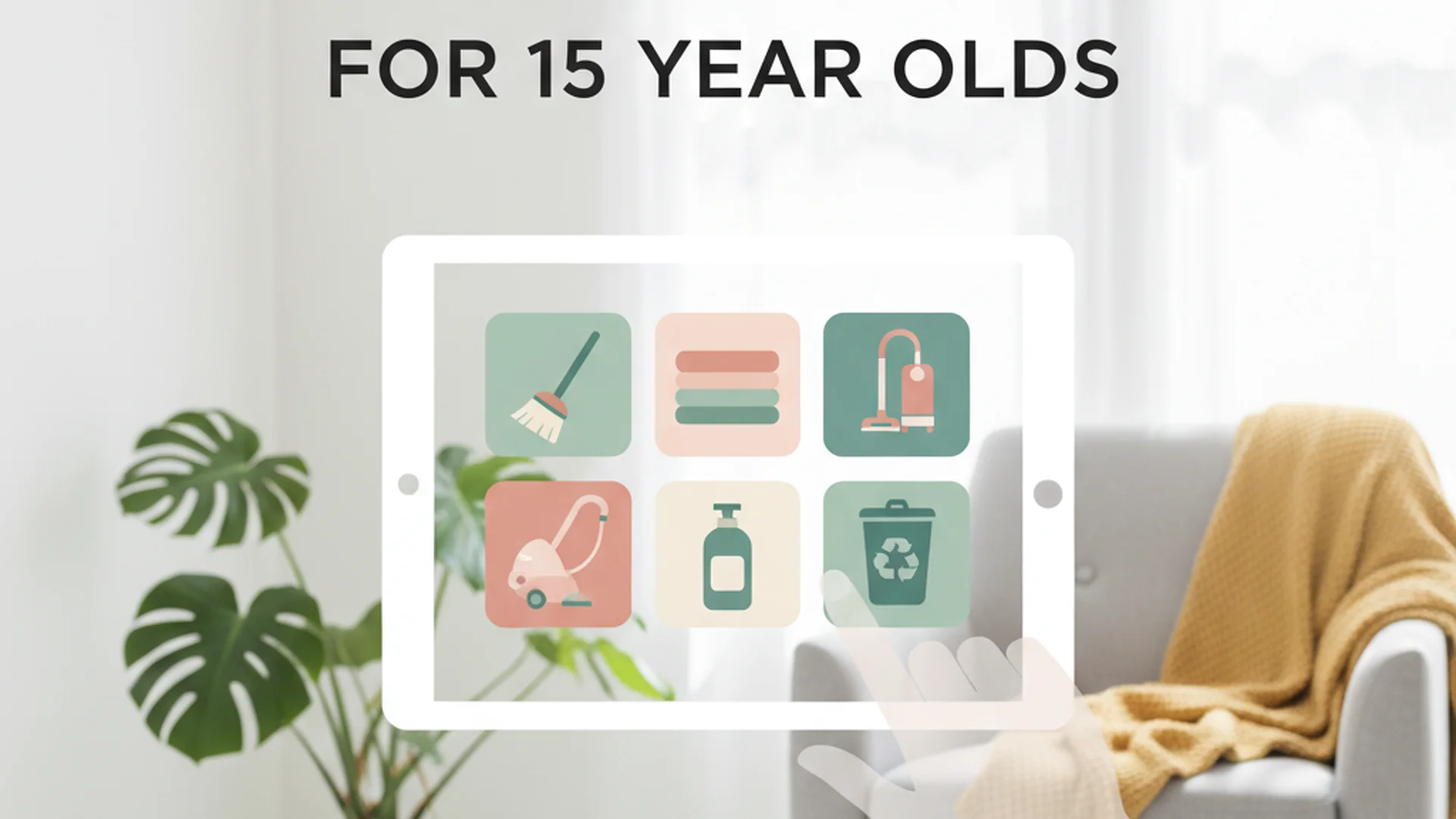
- The Solution: Uses a digital chore app like GoHenry or Greenlight. Their list includes "Digital Hygiene" tasks, and their "When/Then" reward is often extra gaming time or a small deposit into their digital wallet.
Example 3: The Pet Lover
- The Schedule: Enjoys being outdoors and active.
- The Solution: Their primary responsibilities revolve around the family dog. This includes daily walks, twice-daily feeding, and a weekly "Pet Spa" (brushing the dog and washing the pet bed).
The Allowance Debate: To Pay or Not to Pay?
One of the most frequent questions parents ask is: "Should I pay my 11-year-old for chores?"
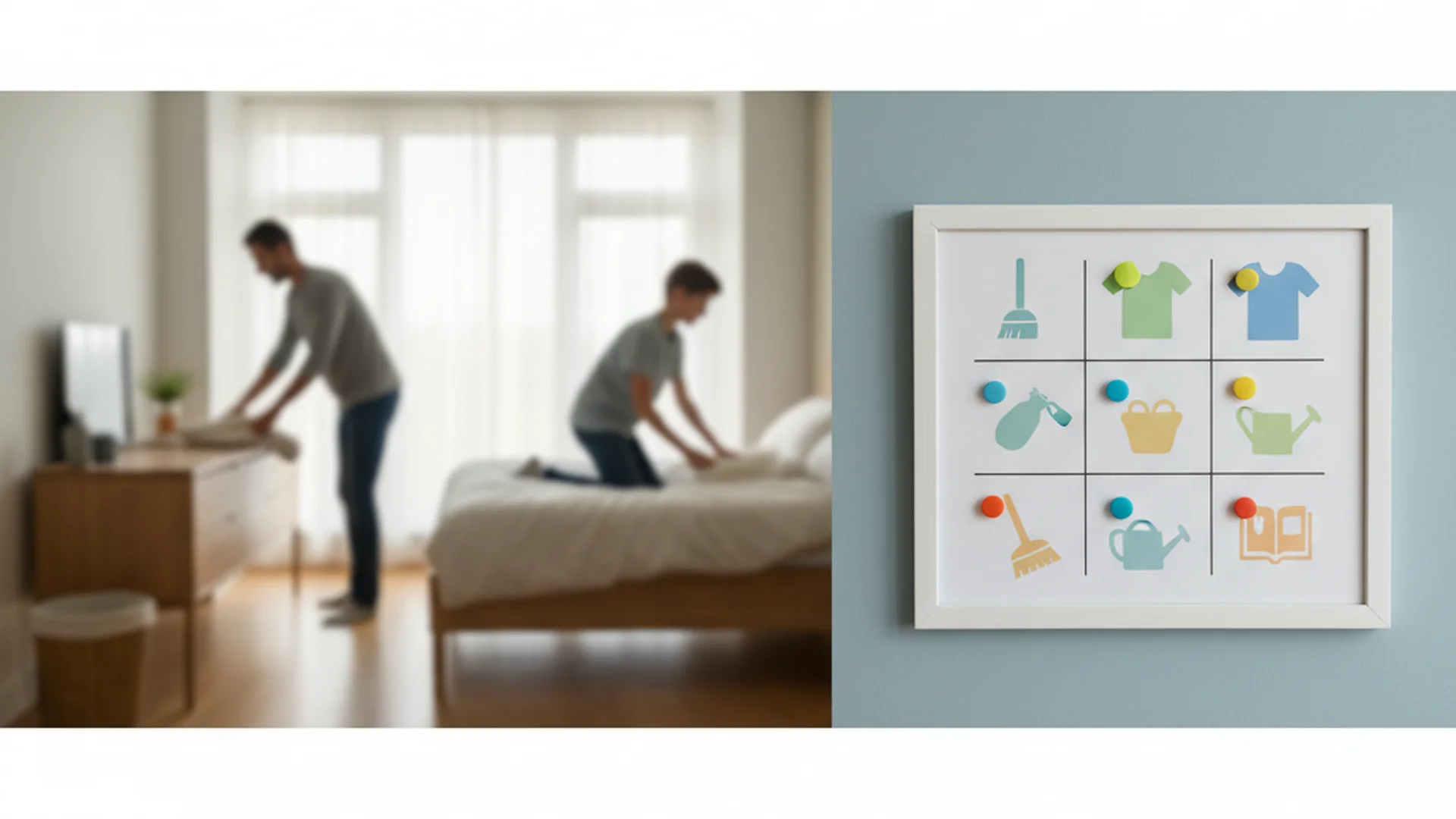
The Hybrid Model works best for most families. In this system, basic "citizenship" chores are unpaid. These are tasks required because the child lives in the house, such as cleaning their own room, clearing their plate, and putting away their laundry.
"Above and Beyond" chores, however, can be linked to an allowance. These are tasks that you might otherwise hire someone to do, such as mowing the lawn, washing the car, or deep-cleaning the baseboards. This teaches the link between work and financial reward without making basic cleanliness a paid transaction.
Common Mistakes to Avoid
When setting up chores 11 year olds ideas, avoid these four common pitfalls:
- Using Chores as Punishment: If "cleaning the bathroom" is the penalty for a bad grade, your child will learn to hate work. Keep chores framed as a contribution to the "family team."
- Inconsistency: If you only enforce the chore chart when you are stressed, the child learns they can outlast your rules. Consistency is more important than the number of chores assigned.
- The Perfectionism Trap: Expecting professional-level cleaning from an 11-year-old is unrealistic. Focus on the habit of the chore rather than the absolute perfection of the result.
- The "Too Busy" Excuse: Many parents waive chores during exam weeks or sports seasons. While flexibility is good, eliminating chores entirely suggests that responsibility is optional when life gets busy—a dangerous lesson for a future adult.
Frequently Asked Questions
What are age-appropriate chores for an 11-year-old?
How do I get my 11-year-old to do chores without nagging?
How much time should an 11-year-old spend on chores?
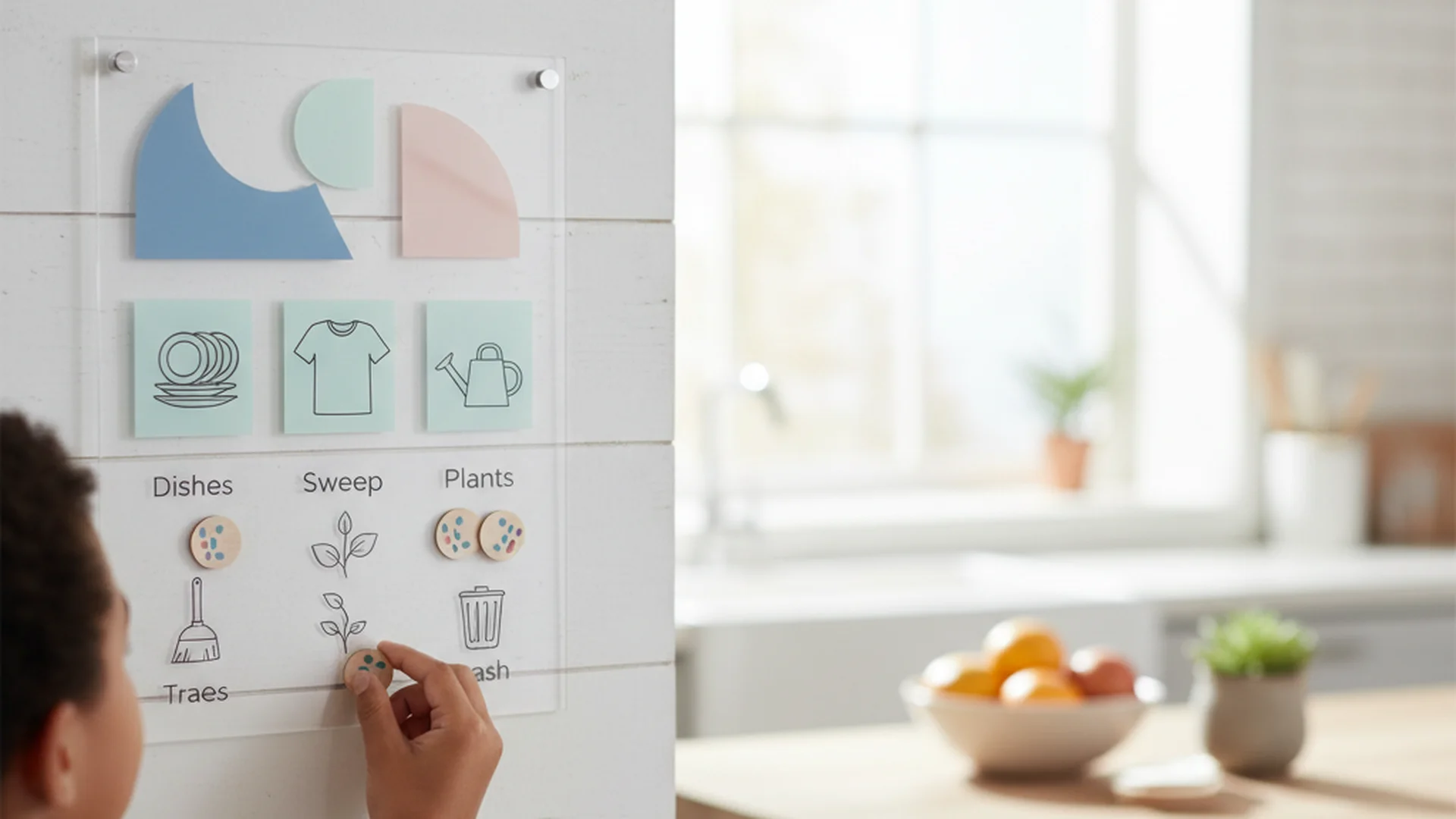
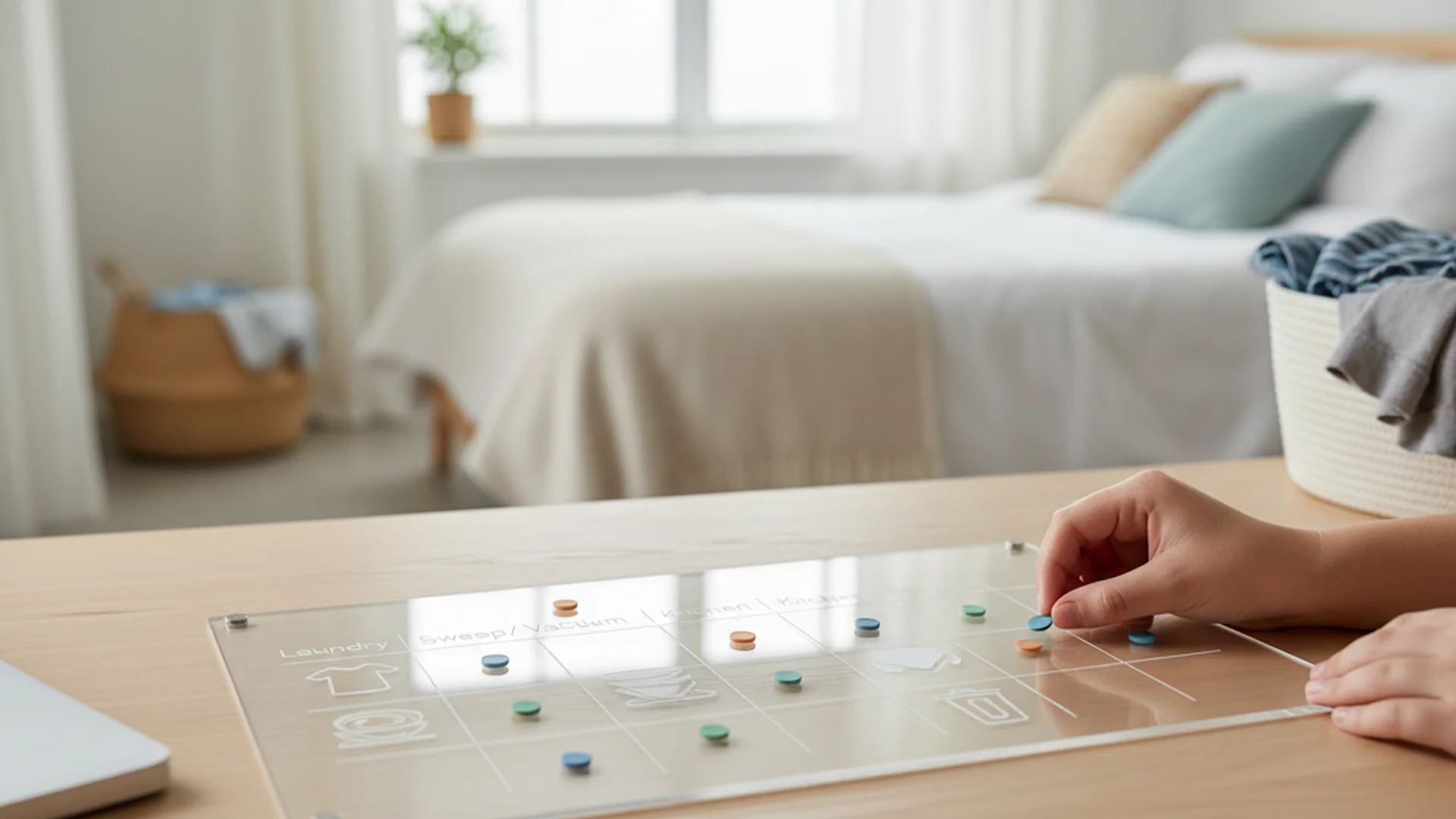
Should I use a paper chart or a digital app?
Conclusion
Setting up a system of chores for 11 year olds is an investment in your child's future. You aren't just getting a cleaner house; you are teaching your pre-teen how to manage their time, notice the needs of others, and develop the "soft skills" that lead to success in college and the workplace. By being consistent, using the "I Do, We Do, You Do" method, and incorporating modern tasks like digital hygiene, you can turn a daily struggle into a source of pride for your child.
Success: Consistent chores build confidence. When an 11-year-old masters a difficult task like cooking a meal or deep-cleaning a room, they see themselves as capable and independent.
Cleaning that keeps score
Every task earns points, every streak multiplies them, and Premium adds a household leaderboard plus a monthly Dustagorgon to beat.
- Free forever
- 30 badges to earn
- Up to 6 in a household
No card needed. Set up your rooms in a couple of minutes.