In this article
What you’ll learn
- The 'Dollar-per-Age' rule remains the gold standard, adjusted for 2025 inflation.
- Differentiate between unpaid 'citizen chores' and paid 'work chores.'
- Digital apps have largely replaced cash for modern parents.
Teaching children the value of a dollar while maintaining a clean home is one of the most common balancing acts for modern parents. As we move into 2026, the landscape of parenting and home management has shifted significantly, moving away from loose change in a jar toward digital dashboards and hyper-gamified reward systems. Whether you are just starting out with a five-year-old or managing the complex schedule of a teenager, having a structured chore allowance guide is essential for fostering both responsibility and financial literacy.
Establishing an allowance isn't just about getting the dishes done; it’s about creating a "micro-economy" within your home. In this guide, we will break down the latest 2025-2026 going rates, provide a comprehensive list of age-appropriate tasks, and explore the best practices for raising financially savvy children.
The New Rules of Allowance: The Dollar-per-Age Baseline
For decades, the "Dollar-per-Age" rule has been the benchmark for parents. This rule suggests that a child should receive $1 per week for every year of their age (e.g., an 8-year-old earns $8 per week). However, as of late 2025, inflation has finally hit the "kid economy."
With the rising cost of apps, snacks, and small toys, a 10-15% upward adjustment to this rule keeps it realistic. This ensures that the allowance remains a functional tool for teaching budgeting rather than just a token gesture.
Note: While the Dollar-per-Age rule is a great starting point, consider your local cost of living and what expenses you expect your child to cover themselves.
Suggested Weekly Payouts by Age
| Age Group | Recommended Weekly Range | Key Focus |
|---|---|---|
| 5–8 | $5.50 – $8.25 | Counting & Saving |
| 9–12 | $10.00 – $15.50 | Budgeting for Wants |
| 13–17 | $18.00 – $35.00 | Personal Expenses (Gas/Clothes) |
The Ultimate Chore Allowance Guide List
One of the biggest hurdles for parents is deciding which tasks are worth a monetary reward and which are simply part of living in a shared space. To help you organize your household, here is a chore allowance guide list broken down by age and responsibility level.
Early Childhood (Ages 4–6)
At this age, the goal is to build the habit of helping. Chores should be simple, tactile, and take no more than 10–15 minutes.
- Picking up toys: Putting building blocks or dolls back into bins.
- Matching socks: A great way to build cognitive skills while helping with laundry.
- Watering plants: Teaching them to care for living things.
- Setting the table: Placing napkins and non-breakable utensils.
The Elementary Years (Ages 7–10)
Children in this bracket can handle more complex, multi-step tasks. This is where many parents find great chore allowance guide ideas involving basic kitchen and pet care.
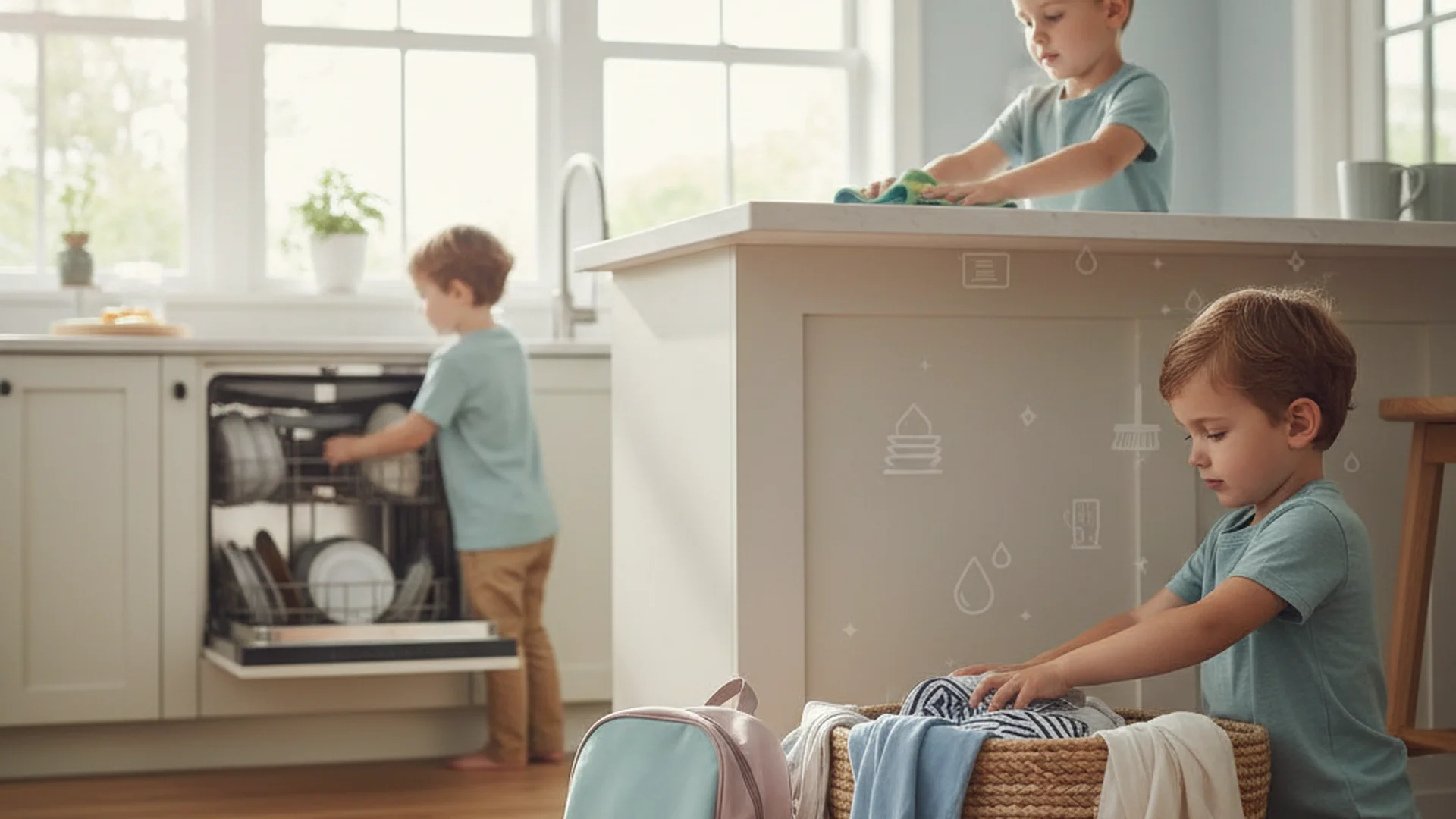
- Loading/Unloading the dishwasher: Handling non-sharp items.
- Feeding pets: Measuring out food at consistent times.
- Vacuuming high-traffic areas: Focused on a single room like the living room.
- Clearing the table: Bringing dishes to the sink after dinner.
The Middle School Transition (Ages 11–13)
This age group is capable of "work-level" chores that provide significant relief to parents.
- Mowing the lawn: For those with the physical stature and safety awareness.
- Cleaning bathrooms: Scrubbing sinks and toilets (with proper safety gear).
- Meal preparation: Helping chop vegetables or cooking simple pasta dishes.
- Taking out the trash/recycling: Managing the weekly bin cycle.
High Schoolers (Ages 14+)
Teenagers should be treated like "junior adults." Their chores often involve logistics and higher levels of independence.
- Washing the car: Interior and exterior detailing.
- Babysitting younger siblings: Taking on a caregiver role.
- Managing grocery runs: Navigating the store with a budget and a list.
- Deep cleaning projects: Cleaning out the garage or organizing the pantry.
Tip: Use a "Subscription-Based" model for recurring chores. Let your teen "subscribe" to taking out the trash every Tuesday for a fixed monthly rate. It mimics real-world salary structures!
Defining "Citizen" vs. "Work" Chores
A major point of debate in the 2025 parenting community is whether children should be paid for every task they do. A "split" system works best:
- Citizen Chores (Unpaid): These are tasks required as a contributing member of the family. Examples include making their own bed, keeping their room tidy, and clearing their own plate.
- Work Chores (Paid): These are tasks that provide a service to the entire household. Examples include deep cleaning a shared bathroom, raking leaves, or washing the family car.
Warning: Using allowance as a bribe to stop bad behavior (like a tantrum) is a common mistake. It undermines the connection between work and reward.
Implementing the Three-Pillar System
Once the money is earned, the lesson shifts to management. I advocate for the "Three-Pillar System." This method divides the weekly allowance into three distinct buckets:
- Spend: Money for immediate gratification—toys, snacks, or digital currency.
- Save: Money for larger, long-term goals like a new bike or a gaming console.
- Give: A small portion (usually 10%) dedicated to a charity or community cause chosen by the child.
Success: Children who use a Spend/Save/Give system tend to arrive at college far more comfortable with budgeting than their peers.
The Digital Shift: Apps and Gamification
In 2025, physical cash is becoming a rarity. Most younger parents now utilize family fintech apps like Greenlight, GoHenry, or Step. These platforms offer several advantages:
- Automated Paydays: No more "forgetting" to pay the kids on Saturday morning.
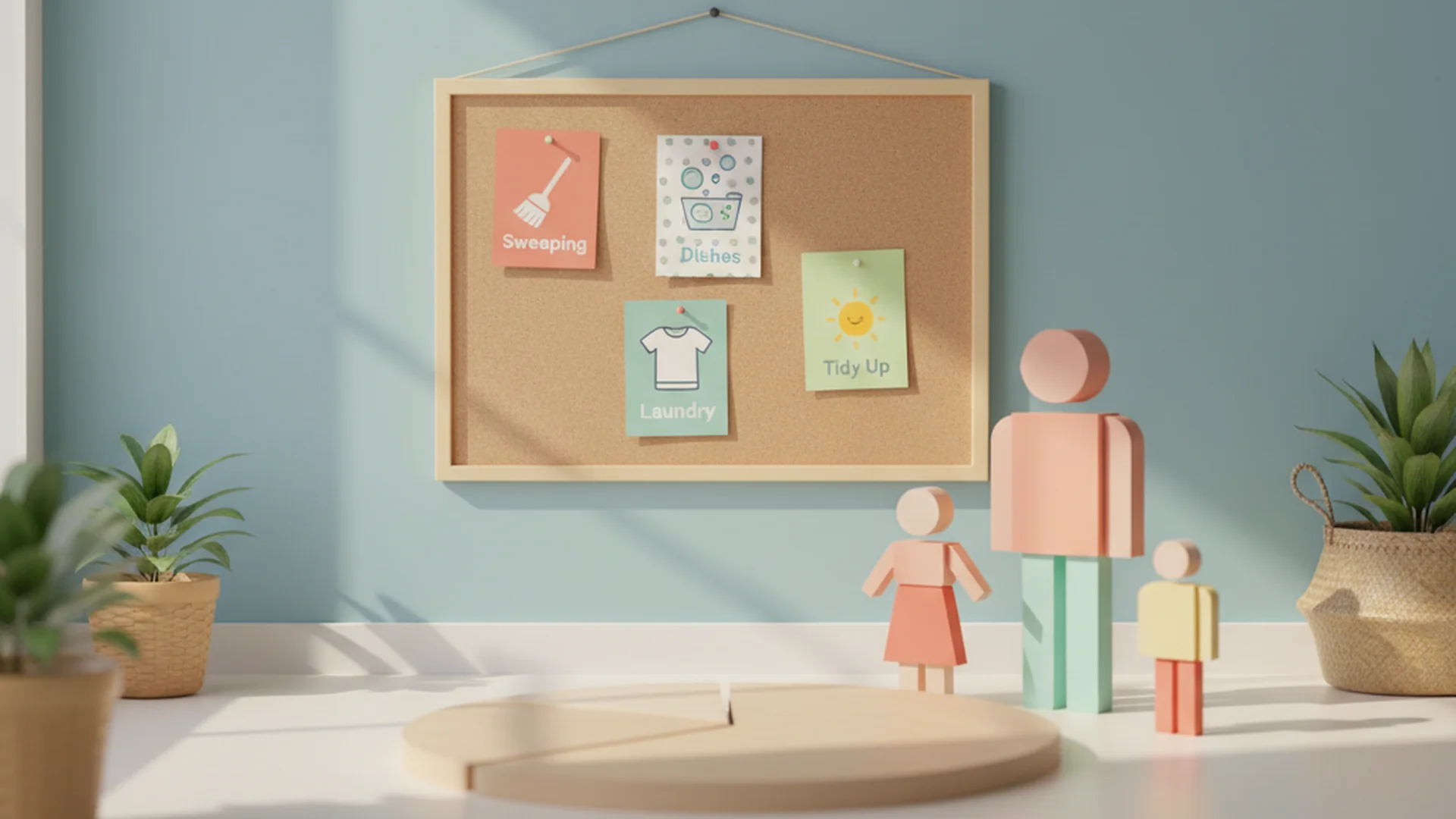
- Task Tracking: Digital chore boards that sync to the child’s phone or smartwatch.
- Gamification: Apps now use AI-driven "streaks" and badges (similar to Duolingo) to keep kids motivated.
The Rise of the Family Dashboard
Smart home hubs, such as upgraded versions of Alexa or Google Home, now act as central "command centers." Families can display a digital chore allowance guide on the kitchen wall, allowing kids to "tap and complete" tasks in real-time.
Common Mistakes to Avoid
Even with a perfect chore allowance guide, pitfalls exist. Avoiding these three common errors will ensure your system is sustainable:
- The Gender Pay Gap: Boys still tend to out-earn girls in allowance. This is often because "outdoor" chores are valued higher than "indoor" chores. Ensure your pay scale is based on time and effort, not traditional roles.
- Micromanaging the "Spend" Bucket: It is tempting to stop your child from buying "junk." However, the regret of a broken $10 toy is a more powerful teacher than a parent’s lecture. Let them fail while the stakes are low.
- Inconsistency: If you forget to pay or forget to check chores, the child loses the incentive to work. Consistency is king.
Real-World Examples
Example 1: The Inflation-Linked Adjustment
The Miller family noticed their 12-year-old was struggling to save for a $70 video game because her $10 allowance was being eaten up by the rising cost of school lunches. They implemented a "Cost of Living" adjustment, raising her base pay to $12 but requiring her to track her spending in a digital ledger. This turned a frustration into a math and economics lesson.
Example 2: The "Performance Review"
Every six months, the Rodriguez family holds a "Performance Review." They sit down with their 10-year-old to discuss which chores he’s mastered and which new, higher-paying responsibilities (like using the lawnmower) he’s ready to take on. This keeps the child engaged and gives them a sense of career progression.
Example 3: The Regret Factor
A 7-year-old saved for three weeks to buy a low-quality plastic robot. Within two hours, it was broken. Instead of replacing it, the parents empathized but didn't offer a refund. The child learned to research toy reviews before his next purchase—a lesson that would have cost much more in adulthood.
Frequently Asked Questions
Should I withhold allowance for bad grades?
At what age should I start an allowance?
Is $20 too much for a 10-year-old?
How do I handle chores if we travel for vacation?
Conclusion
Creating a functional chore allowance guide is one of the most impactful things you can do for your child’s future. By differentiating between household contributions and "work for hire," and by utilizing modern digital tools, you are teaching them the fundamental mechanics of the adult world. Remember that the goal isn't just a clean house—it's a confident, financially responsible young adult.
Success: Start small, stay consistent, and watch your child's confidence grow as they earn their first "paycheck."
Cleaning that keeps score
Every task earns points, every streak multiplies them, and Premium adds a household leaderboard plus a monthly Dustagorgon to beat.
- Free forever
- 30 badges to earn
- Up to 6 in a household
No card needed. Set up your rooms in a couple of minutes.