In this article
What you’ll learn
- Consistency and maintenance are more effective than sporadic deep cleaning.
- Using "dwell time" and the "top-to-bottom" rule maximizes every minute.
- The 2026 "Closing Shift" trend helps prioritize mental health and a fresh start.
In the fast-paced landscape of 2026, the traditional four-hour Saturday "deep clean" is becoming a relic of the past. As a professional cleaning consultant, I’ve seen a massive shift toward micro-habits that prioritize mental well-being alongside hygiene. The 20 minute cleaning routine has emerged as the gold standard for modern homeowners who want a presentable, healthy environment without sacrificing their entire weekend. This routine isn't about scrubbing every baseboard; it's about a high-velocity maintenance "sprint" that prevents clutter and grime from ever taking hold.
The Science of the "Cleaning Sprint"
Why does a short, timed burst of activity feel so much more rewarding than a long cleaning session? It comes down to psychology and physical health. Most people feel noticeably less stressed once their home is in order. By utilizing a 20 minute cleaning routine, you tap into this stress-relief effect without the looming dread of a "marathon" cleaning day.
Furthermore, it’s a stealthy way to stay active. Vigorous cleaning tasks like vacuuming or scrubbing get your heart rate up, so your daily 20-minute session is roughly on par with a brisk walk around the block.
Success: Regular short bursts of cleaning leverage the "Maintenance Mindset," preventing "clutter creep" and reducing overall cortisol levels by providing a sense of environmental control.
The 2026 "Closing Shift" Trend
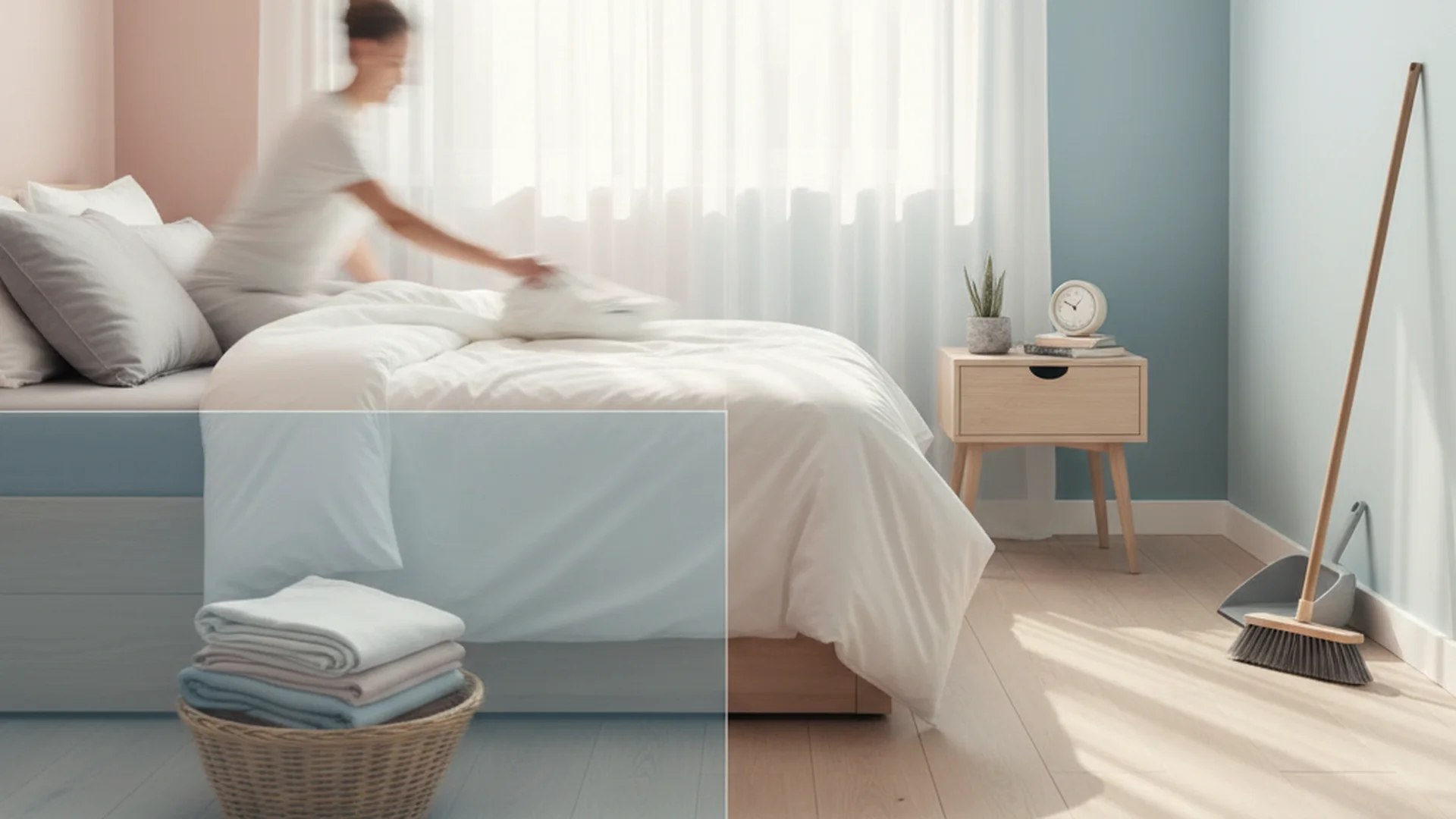
One of the most significant shifts we’ve seen in 2025 and 2026 is the "Closing Shift" routine. Borrowed from the retail and hospitality industries, this involves treating your home like a business at the end of the night. You perform a quick 20-minute "reset"—dishes in the dishwasher, pillows fluffed, surfaces wiped—to ensure that when you wake up, you are walking into a fresh, organized space.
Plenty of adults now use this evening cleaning time to "unwind." It has transitioned from a chore into a sensory-driven ritual that signals the end of the workday and the beginning of relaxation.
The Fastest 20 Minute Cleaning Routine Checklist
To make this routine work, you cannot wander aimlessly. You need a structured approach. Below is the 20 minute cleaning routine checklist designed for maximum efficiency.
Phase 1: The 5-Minute High-Traffic Reset (Kitchen)
The kitchen is the heart of the home and usually the source of the most immediate stress.
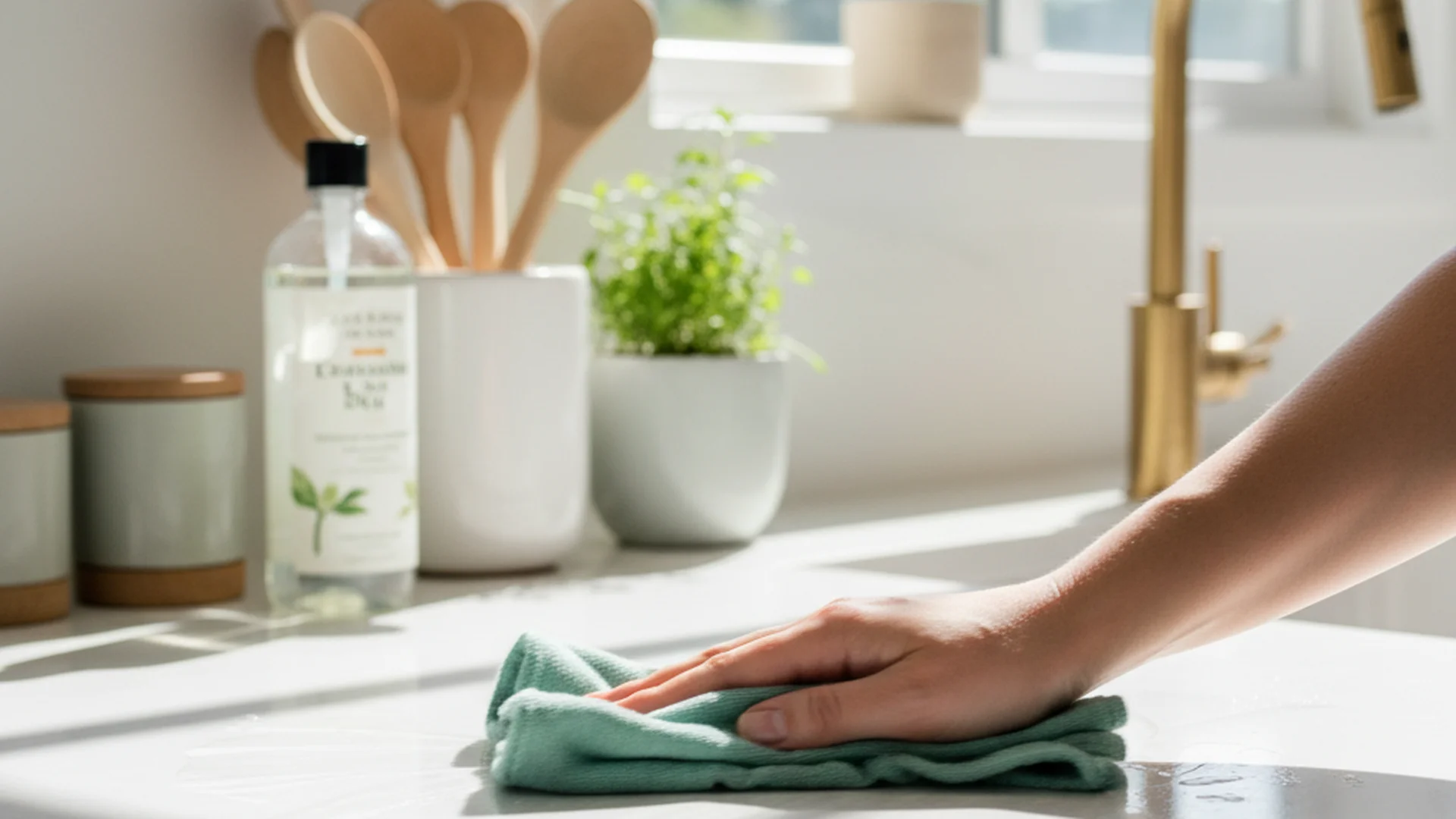
- Clear and Wipe: Load the dishwasher and wipe down the primary counters.
- The Sink Sprint: Give the sink a quick scrub with a probiotic cleaner.
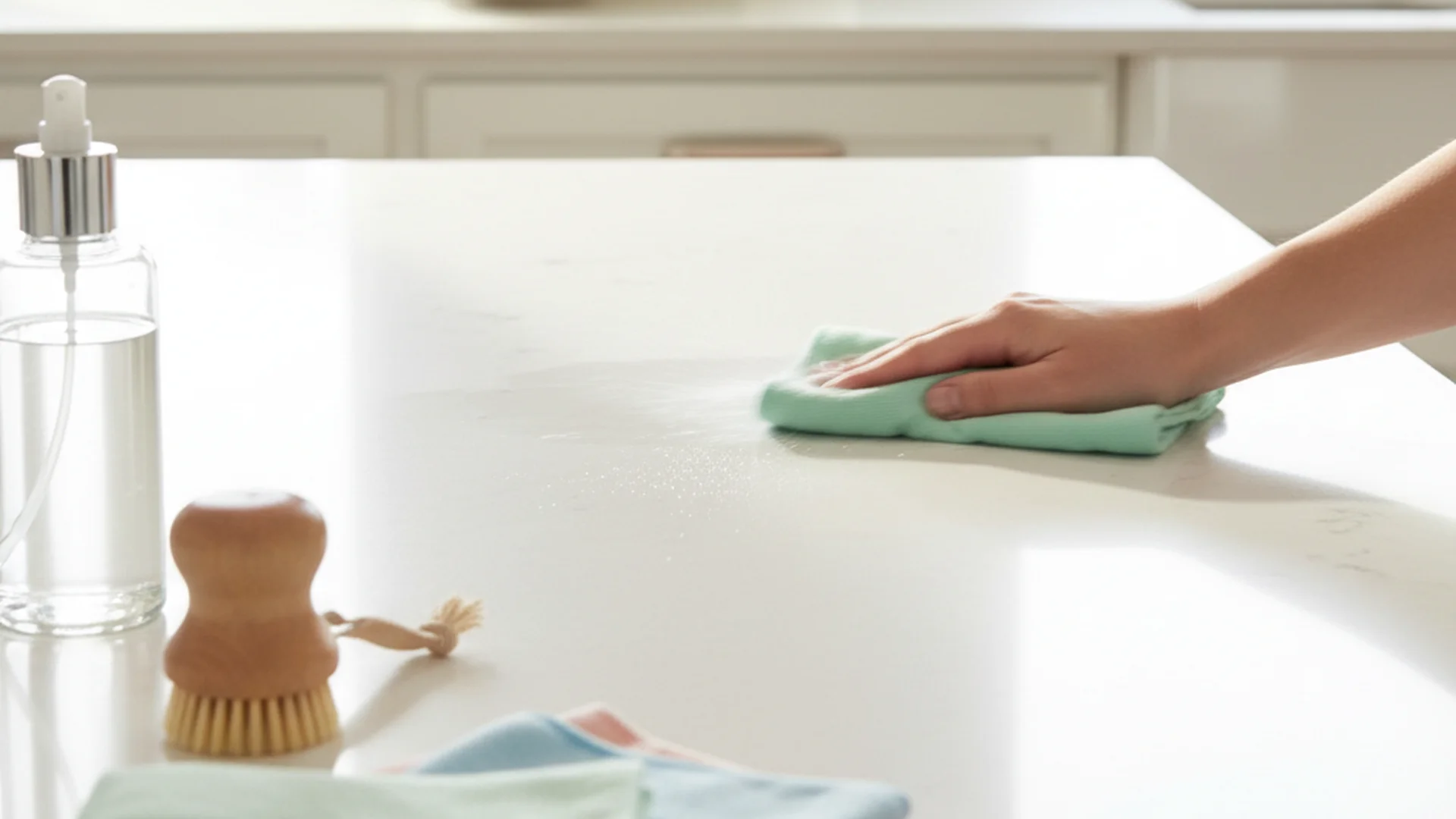
- Dwell Time Initiation: Spray any stubborn spots on the stove or counter and let them sit while you move to the next room.
Phase 2: The 5-Minute Surface Sweep (Living Areas)
- The "Look Around": Remove any items that don't belong (mail, shoes, toys) and place them in a dedicated "return basket."
- Pillow and Throw Refresh: Fluff the sofa cushions and fold the throw blankets.
- Dust Pass: Use a microfiber wand to hit high-visibility surfaces like the coffee table and TV stand.
Phase 3: The 5-Minute Refresh (Bathrooms)
- Mirror and Faucet: A quick wipe of the mirror and the chrome fixtures instantly makes the room look cleaner.
- Toilet Swish: Use a brush for a 30-second scrub.
- Empty the Bin: Take out the small trash liners.
Phase 4: The 5-Minute Floor and Air Finish
- Zone Vacuum/Sweep: Don't do the whole house. Focus only on the high-traffic "lanes" (entryway, kitchen front, rug center).
- The Sensory Reset: Open a window for two minutes to improve indoor air quality or use a natural linen spray.
| Task Category | Duration | Primary Focus |
|---|---|---|
| Kitchen | 5 Minutes | Dishes & Counters |
| Living | 5 Minutes | Declutter & Dust |
| Bathroom | 5 Minutes | Mirror & Toilet |
| Floors | 5 Minutes | High-traffic zones |
Note: In 2025, smart home apps like Samsung SmartThings can now generate personalized versions of this checklist based on which rooms your sensors detected the most activity in during the day.
Professional Tactics for Maximum Efficiency
As a consultant, I teach my clients the "Pro Trio" of efficiency. If you master these three rules, your fastest 20 minute cleaning routine will feel effortless.
1. Top-to-Bottom, Left-to-Right
This is the golden rule of professional cleaning. Always start at the highest point (ceiling fans, top shelves) so that dust falls downward. By working left-to-right around a room, you ensure your eyes and hands cover every square inch without retracing your steps.
2. Maximize "Dwell Time"
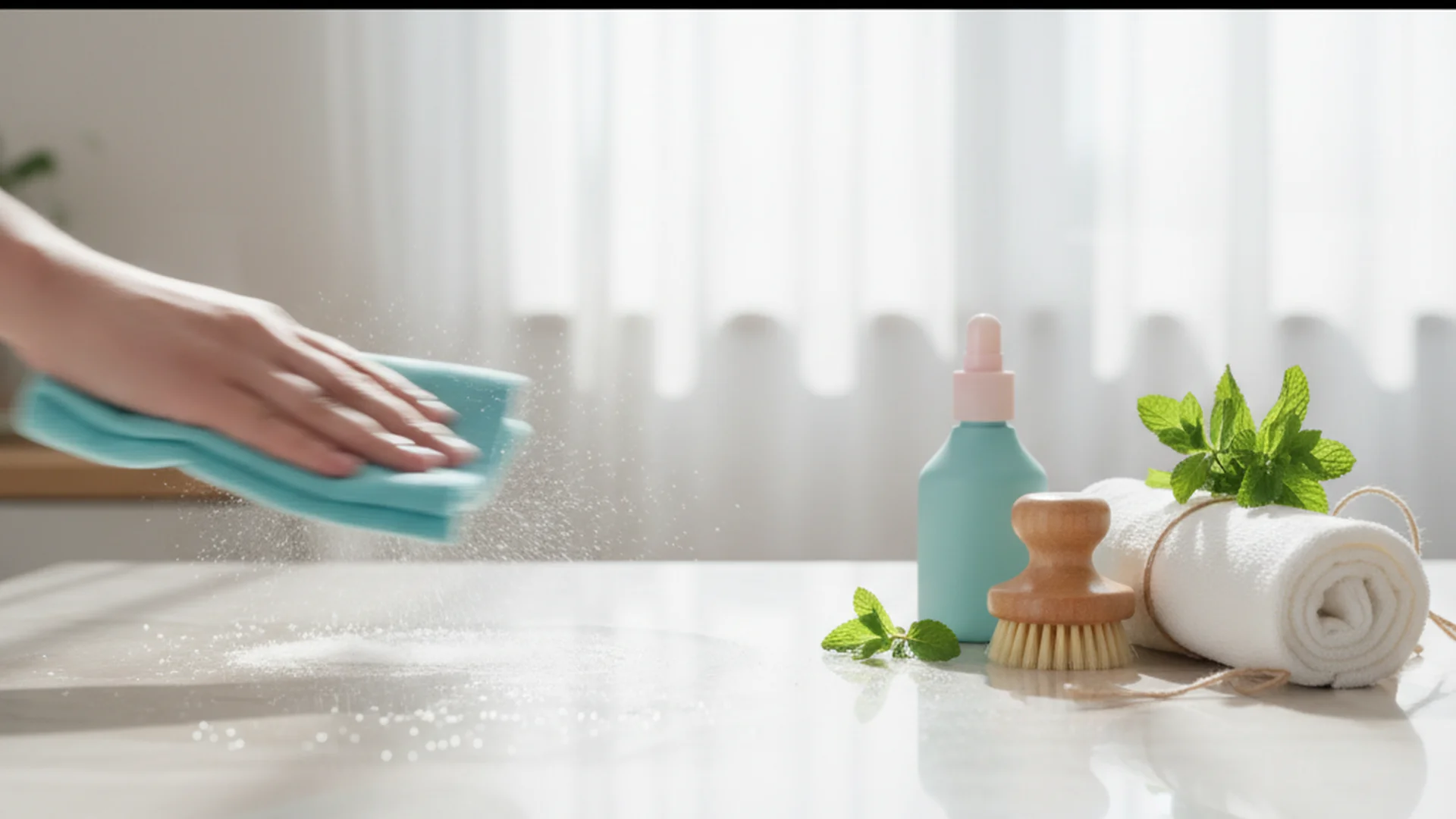
Most people spray a cleaner and immediately wipe it off. This is a waste of time and product. Most modern cleaners need 2–5 minutes of "dwell time" to chemically break down oils and bacteria. Spray your kitchen counters and bathroom surfaces first, then go perform another task. When you return, the grime will wipe away with zero scrubbing required.
3. Supply Centralization
You can waste up to 25% of your 20-minute window just looking for a glass cleaner or a fresh cloth. Use a cleaning caddy or a specialized cleaning apron (a 2026 professional favorite) to keep your essential tools on your person at all times.
Tip: Color-code your microfiber cloths. Use blue for glass, yellow for kitchens, and red for bathrooms to prevent cross-contamination.
Modern Trends: The 2026 Micro-Cleaning Evolution
The way we clean is changing thanks to technology and new biological insights. Here is what is trending in the world of quick cleaning this year:
- Probiotic Efficacy: We are moving away from "killing everything" with bleach. Probiotic cleaners are trending because they leave behind beneficial bacteria that continue to "clean" and eat organic matter for up to 72 hours after application.
- Steam Everything: Handheld steam cleaners have become the ultimate "no-scrub" tool. In 2026, they are used to quickly sanitize kitchen handles and bathroom taps in seconds without any chemical residue.
- HEPA-Filtered Micro-Vacuums: With a focus on "invisible dirt" like microplastics, a 2-minute pass with a HEPA-filtered handheld vacuum on upholstery is now a staple of the quick routine.
- Sensory-Driven Rituals: The routine doesn't end when the dirt is gone; it ends with a "sensory reset." Essential oil mists or fragrance-led cleaning products are used to signal to the brain that "work time" is over.
Warning: Avoid over-using heavy chemical disinfectants for daily 20-minute routines. They can degrade indoor air quality. Save the heavy hitters for monthly deep cleans.
Real-World Examples of the 20-Minute Routine
Example 1: The "Busy Professional" Morning Sprint
Sarah is a corporate lawyer who uses her 20 minutes right after her morning coffee. She focuses on the "visible" areas: the kitchen island, the entryway where she drops her keys, and a quick vacuum of the living room rug. This ensures that when she returns home after a 10-hour day, she isn't met with immediate chores.
Example 2: The "Toddler-Zone" Reset
Mark, a stay-at-home parent, uses the 20-minute routine during his child's nap. His priority is the "return basket" method—sweeping up toys into a bin and then using a steam mop on the kitchen floor where lunch was dropped. For Mark, the routine is about safety and sanitization.
Example 3: The "Pre-Guest" Dash
We’ve all been there: guests are arriving in 30 minutes. The 20-minute routine becomes a "high-visibility" sprint. The focus shifts entirely to the guest bathroom, the scent of the home (opening windows), and clearing the "clutter piles" on the dining table.
Common Mistakes to Avoid
Even a short routine can be ineffective if you fall into these common traps:
- Seeking Perfection: This is the #1 reason people quit. If you spend 15 minutes perfectly organizing a junk drawer, you've failed the routine. Consistency > Perfection. The goal is maintenance, not a magazine-ready home.
- Using Dirty Tools: If your microfiber cloth is grey and dusty, you are just moving dirt around. Use a fresh cloth for every session and wash them in a dedicated load once a week.
- Skipping the Floor: Many focus only on eye-level surfaces. However, a crumb-filled floor makes a room feel dirty even if the counters sparkle. Always reserve the last 3 minutes for a quick sweep or vacuum of high-traffic zones.
- The "Bleach Obsession": Modern 2026 consumers are realizing that a home doesn't need to smell like a swimming pool to be clean. A lack of chemical smell is actually a sign of a healthier, microbiome-friendly home.
Frequently Asked Questions
Is 20 minutes really enough to clean a whole house?
How do I choose which room to focus on?
What is the best time of day for this routine?
Do I need expensive 2026 gadgets to make this work?
Conclusion
The 20 minute cleaning routine is more than just a way to keep your house tidy; it is a vital practice for mental clarity and home health in 2026. By shifting your perspective from "cleaning as a chore" to "cleaning as self-care," you can transform your environment in less time than it takes to watch a sitcom episode. Remember to utilize dwell time, work top-to-bottom, and don't let the pursuit of perfection stop you from starting.
Success: By sticking to this routine for just 21 days, you will find that your "deep clean" days are cut in half, and your daily stress levels are significantly lower.
Cleaning that keeps score
Every task earns points, every streak multiplies them, and Premium adds a household leaderboard plus a monthly Dustagorgon to beat.
- Free forever
- 30 badges to earn
- Up to 6 in a household
No card needed. Set up your rooms in a couple of minutes.