In this article
What you’ll learn
- Focus on high-visibility zones for maximum impact in minimal time.
- Use a physical timer to prevent "rabbit-holing" into deep cleaning.
- Consistency over intensity is the secret to 60+ hours of productivity annually.
We have all been there: the weekend arrives, and instead of relaxing, you spend eight hours scrubbing, dusting, and decluttering a week’s worth of chaos. It is the "marathon cleaning" cycle, and it is the fastest route to burnout. But what if you could break that cycle forever? Enter the 10 minute tidy, a revolutionary yet simple approach to home maintenance that prioritizes consistency over intensity. By dedicating just a small sliver of your day to surface-level resets, you can transform the atmosphere of your home and reclaim your weekends.
10 Minute Tidy Explained: The Science of Small Wins
To understand why the 10 minute tidy explained so well in productivity circles, we have to look at the psychology of the "low-pressure" entry point. Most people avoid cleaning not because they are lazy, but because the perceived magnitude of the task is overwhelming. When you tell your brain you have to "clean the whole house," it triggers a procrastination response. However, telling yourself you only have to work for ten minutes creates a manageable boundary.
The Power of Compound Time
While ten minutes might seem negligible, the math tells a different story. Performing a 10 minute tidy every single day adds up to over 60 hours of organizing and cleaning per year. Imagine what your home would look like if a professional organizer spent a full week and a half working on it—that is the cumulative effect of this daily habit.
Historical and Cultural Roots
While the concept of "tidying" is as old as homes themselves, the modern framework draws inspiration from various cultural touchpoints. Many Gen X and Millennial parents remember the "Ten Second Tidy" from the 1990s children’s show The Big Comfy Couch. Modern experts like Becky Rapinchuk (Clean Mama) have evolved this into a "Daily Task" system that emphasizes "putting the house to bed." By 2025, this has become a cornerstone of the "Slow Living" movement, where home maintenance is viewed as an act of self-care rather than a chore.
Note: The 10 minute tidy is not about deep cleaning. It is a "reset" meant to return items to their "homes" and clear visual clutter.
How to Use 10 Minute Tidy: A Step-by-Step Guide
Knowing how to use 10 minute tidy effectively is the difference between spinning your wheels and seeing real results. Follow this structured approach to maximize your ten-minute sprint.
Step 1: Set a Physical Timer
Do not rely on your internal clock. Use a kitchen timer, a phone app, or a visual countdown timer. Seeing the time tick away creates a healthy sense of urgency, known as "gamification." It prevents you from getting distracted by a stack of old photos or deep-cleaning the inside of the microwave.
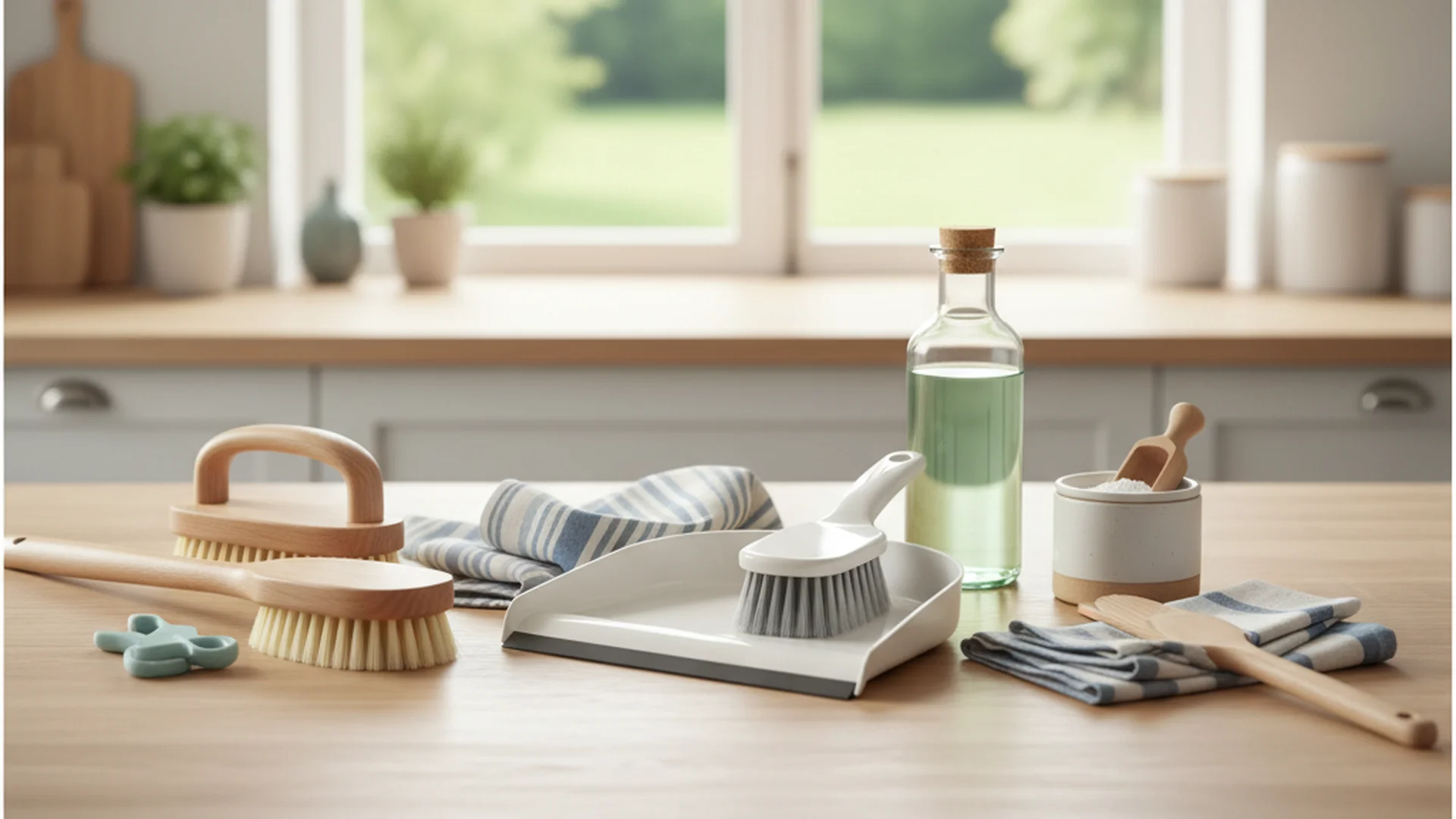
Step 2: Grab Your Tools
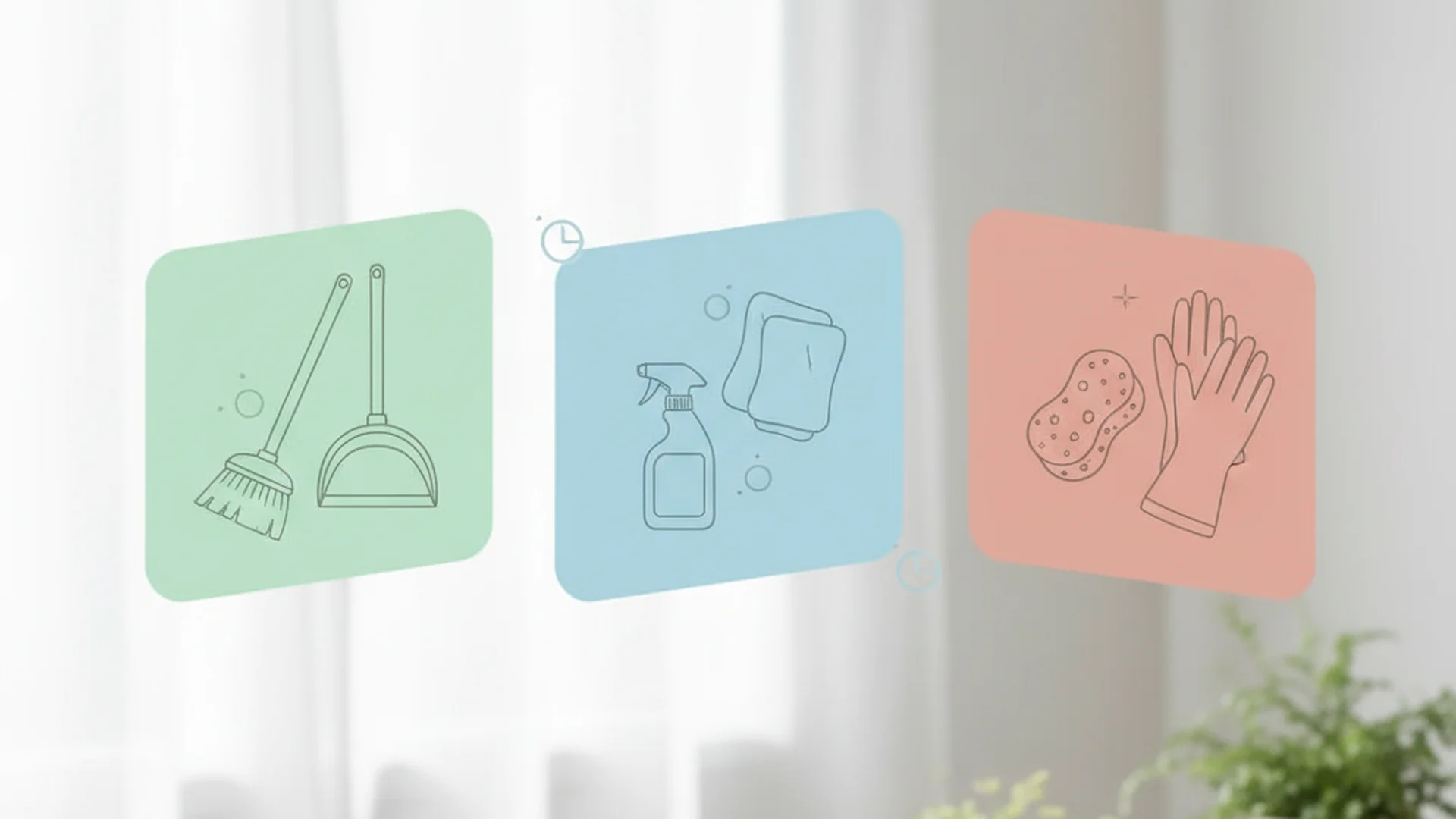
You don't need a full cleaning caddy. For a successful tidy, you only need:
- A "Tidy Basket" (for items that belong in other rooms).
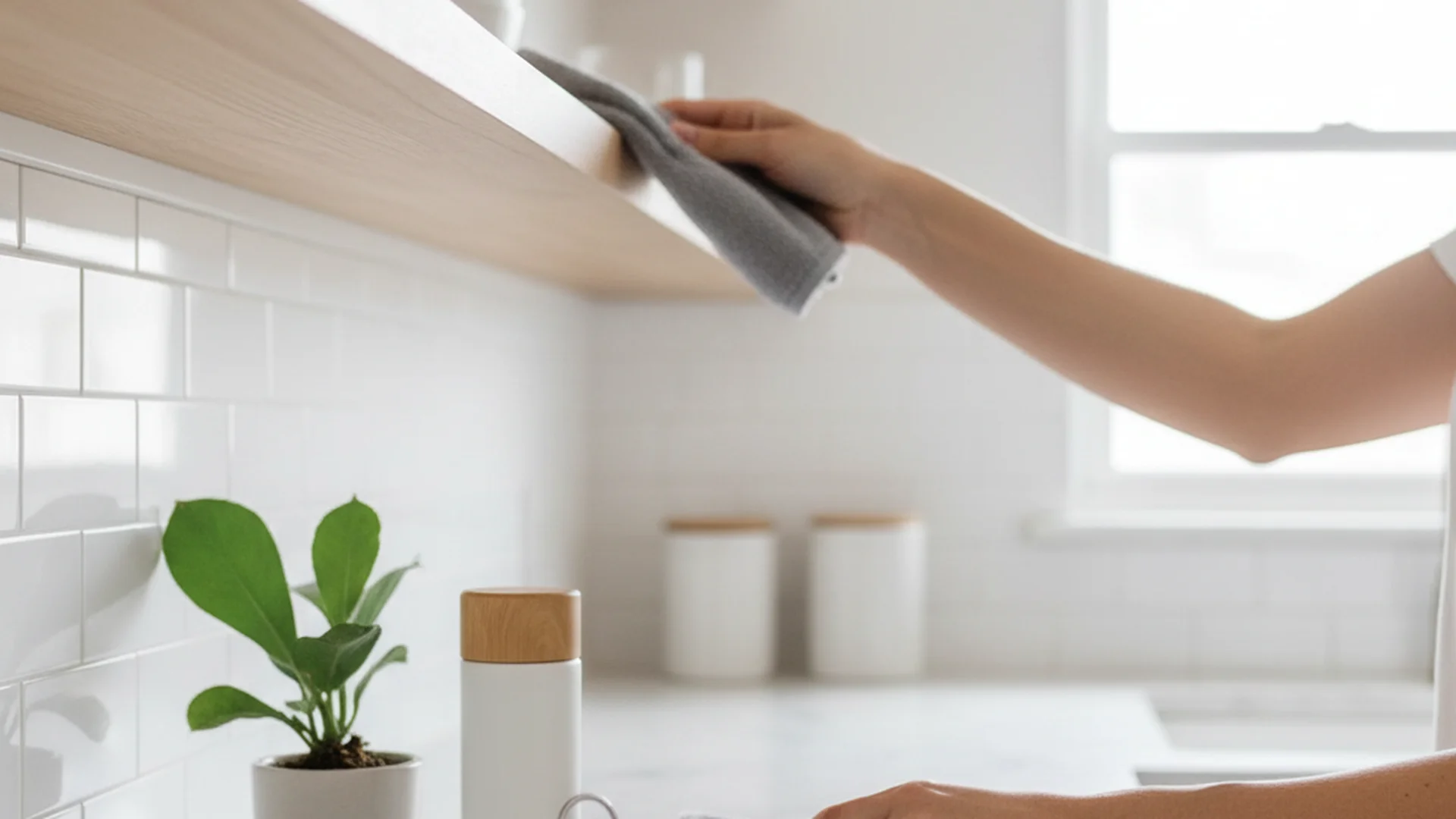
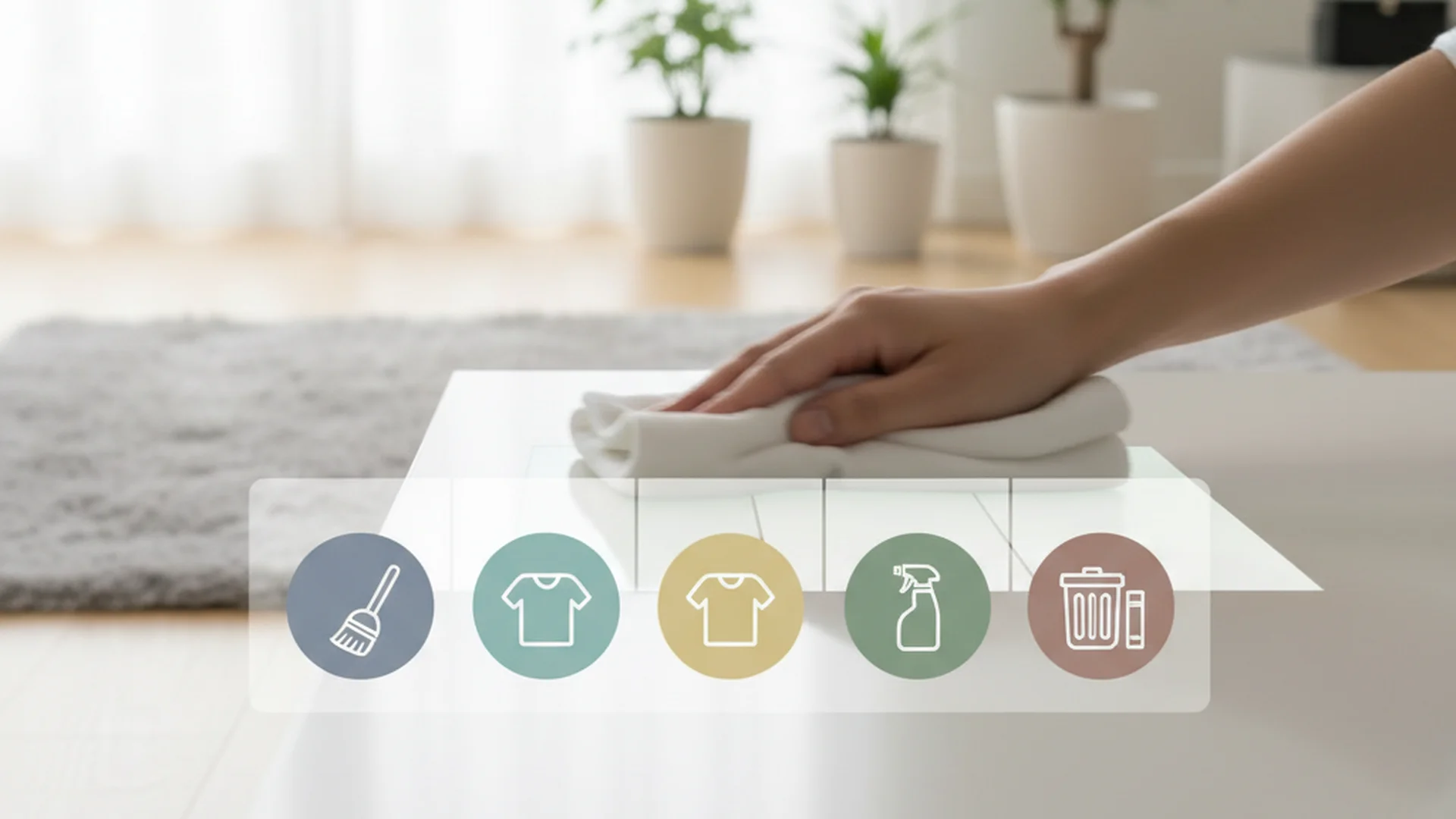
- A microfiber cloth.
- One multi-purpose spray (for quick surface wipes).
Step 3: Attack the "High-Traffic Trinity"
Don't wander aimlessly. Focus your ten minutes on the areas that impact your mood the most:
- The Entryway: Clear the "shoe graveyard," hang up stray coats, and deal with the mail pile.
- The Kitchen Counters: A clear counter is the ultimate signal to your brain that the day is done.
- The Living Room: Fluff the sofa cushions, fold the throw blankets, and clear the coffee table.
Tip: Use a "Visual Timer" with a disappearing red disk. This is especially helpful if you have children participating, as it gives them a concrete understanding of how much time is left.
Real-World Examples of the 10 Minute Tidy in Action
To see how this fits into a busy lifestyle, let’s look at three common scenarios.
Example 1: The "After-Work Reset"
Imagine arriving home to a cluttered entryway and a kitchen full of breakfast dishes. Instead of collapsing on the couch, you set a timer for 10 minutes. You load the dishwasher, wipe the island, and put your shoes in the closet. When the timer dings, you stop. The "visual noise" is gone, allowing you to actually relax during your evening.
Example 2: The "Pre-Bed Sweep"
Many practitioners use the tidy as a "closing shift" for their home. During this time, you walk through the living area, pick up any toys or remote controls, and ensure the sink is empty. Waking up to a tidy home significantly reduces morning cortisol levels.
Example 3: The "Commercial Break Sprint"
If you’re watching a show, use the transition periods. While many use this for phone scrolling, a 10-minute burst between episodes can result in a clean bathroom or a straightened linen closet without it feeling like "work."
| Zone | Primary Tasks | Goal |
|---|---|---|
| Kitchen | Clear counters, load dishwasher | Functionality |
| Living Room | Fold blankets, align pillows | Relaxation |
| Entryway | Sort mail, stow shoes | Accessibility |
| Bathroom | Wipe mirror, hang towels | Hygiene |
Advanced Strategies for 2025 and Beyond
As we move into 2026, the 10 minute tidy is evolving with new technology and lifestyle trends.
The "One Basket" Method
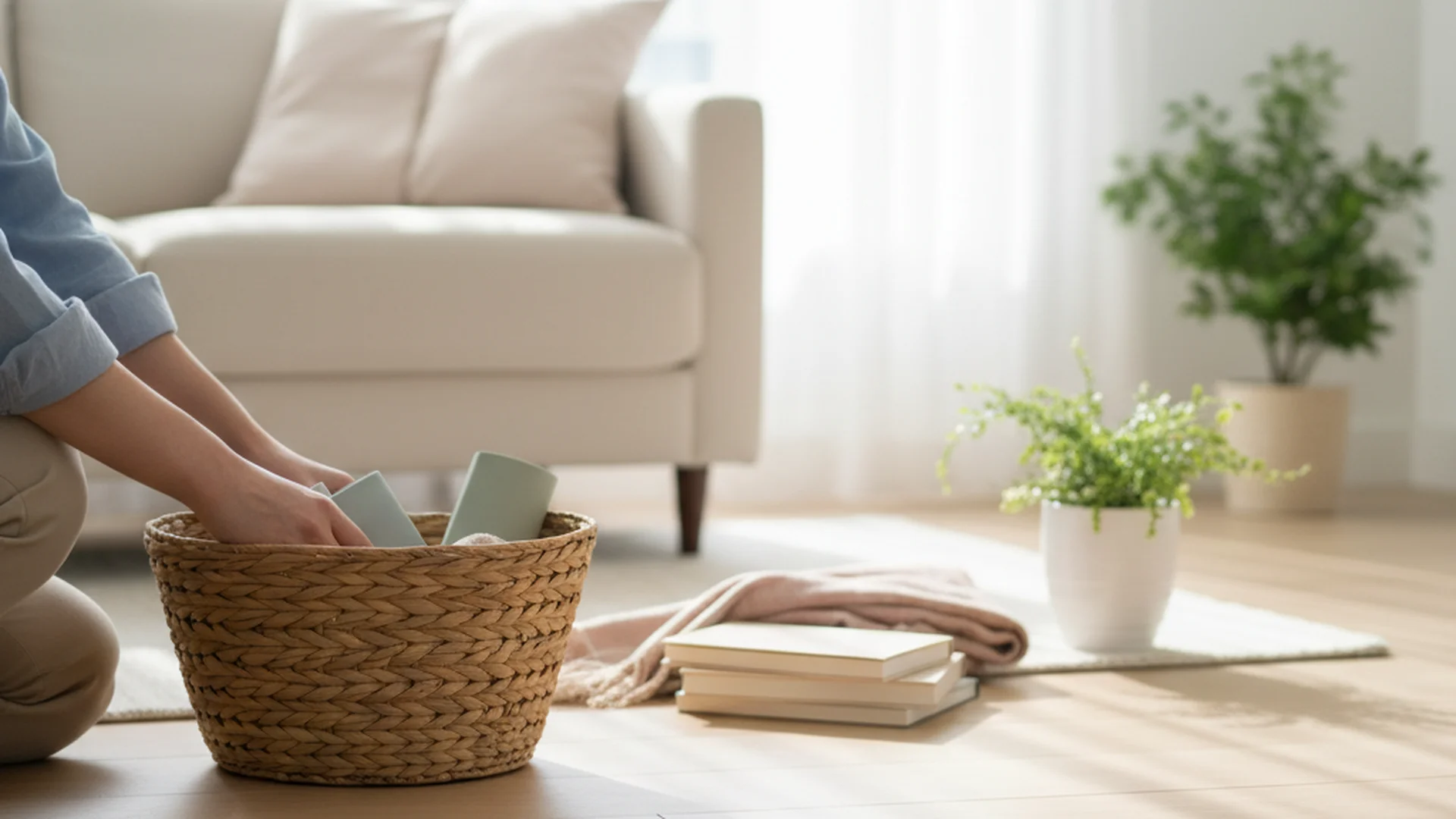
One of the biggest mistakes people make is leaving the room they are tidying to put an item away. This breaks your "flow state." Instead, carry a basket. If you find a toy in the kitchen, put it in the basket. Only when the timer goes off do you walk the basket through the house to distribute items.
AI-Enhanced Scheduling
New smart home integrations in 2025 now offer "clutter nudges." Using motion sensors and habit-tracking AI, these systems can identify which rooms have had the most traffic and suggest a 10-minute tidy in those specific zones. This removes the "decision fatigue" of wondering where to start.
Sustainable Sprints & Capsule Kits
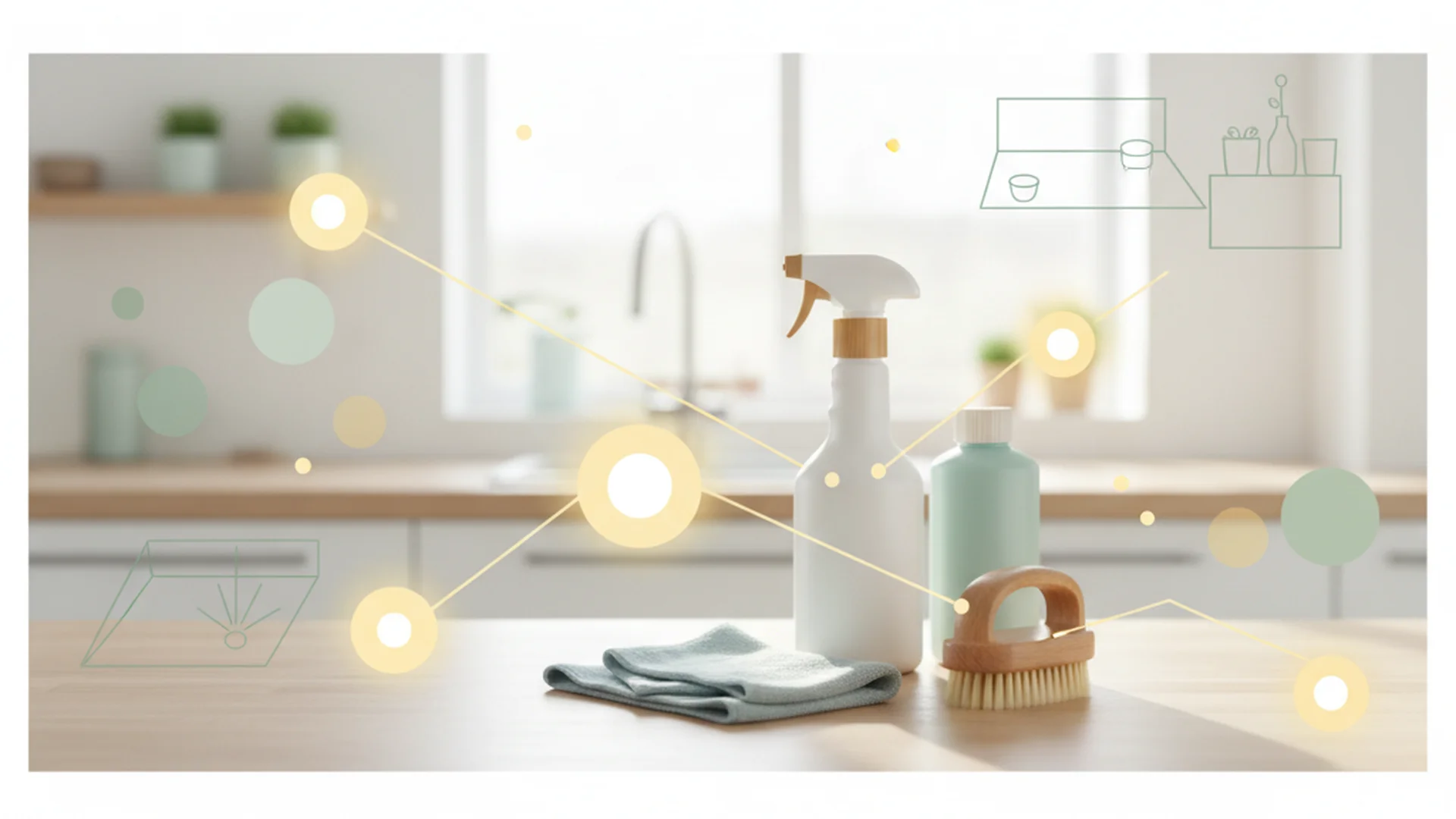
A major 2025 trend is the "Capsule Cleaning Kit." Instead of a massive cupboard of chemicals, users keep a small, aesthetic kit in plain sight. This kit contains one eco-friendly glass cleaner, one multi-surface spray, and two high-quality cloths. Keeping these tools accessible reduces the "friction" of starting your tidy.
Success: Households using short, daily cleaning sprints report 62% lower levels of home-related stress compared to those who rely on weekly deep cleans.
Common Mistakes to Avoid
Even a ten-minute habit can go off the rails if you aren't careful. Watch out for these common pitfalls:
1. The Deep Cleaning Trap
The most common mistake is trying to scrub the shower or mop floors during a tidy. If a task requires a bucket, a vacuum, or a scrub brush, it is likely not a "tidy" task. Stick to straightening, surface wiping, and decluttering.
2. "Pinterest-Perfect" Obsession
During these ten minutes, your goal is functionality, not aesthetics. Don't spend the time "decanting" flour into pretty jars or color-coding your bookshelf. Simply return items to their designated spots. As organization expert Clutterbug often notes, "Good enough is better than perfect."
3. Over-Planning
Do not spend five minutes of your ten-minute block making a list of what to tidy. The best approach is to just "attack" whatever is in your direct line of sight. Momentum is more important than a perfect strategy.
Warning: Never mix cleaning chemicals (like bleach and ammonia) during a "quick" clean. Even when rushing, safety is the priority.
Frequently Asked Questions
Is 10 minutes really enough to make a difference?
Should I use this for decluttering or cleaning?
How do I stay focused without getting distracted?
What if my house is already a "disaster"?
Can kids participate in the 10 minute tidy?
Conclusion: Embodying the "Tidy" Mindset
The 10 minute tidy is more than just a cleaning hack; it is a lifestyle shift. It acknowledges that our lives are busy and that perfection is an impossible standard. By committing to these short, daily "sprints," you are choosing to respect your space and your mental health. You are trading 10 minutes of scrolling for 10 minutes of "meditative movement" that yields a tangible, visual reward.
As we look toward 2026, the trend of "Mindful Cleaning" continues to grow. We are no longer cleaning to hide our lives; we are tidying to enhance them. Start your timer today, focus on your "High-Traffic Trinity," and watch as the stress of a messy home begins to melt away.
Success: You have completed the first step toward a more organized life. Consistency is your only requirement from here on out.
Cleaning that keeps score
Every task earns points, every streak multiplies them, and Premium adds a household leaderboard plus a monthly Dustagorgon to beat.
- Free forever
- 30 badges to earn
- Up to 6 in a household
No card needed. Set up your rooms in a couple of minutes.