In this article
What you’ll learn
- Consistency beats intensity when preventing house cleaning burnout.
- High-touch surfaces like remotes and sinks require targeted disinfection.
- Modern "active maintenance" blends robot technology with quick human resets.
In the fast-paced world of 2025, the idea of spending your entire Saturday scrubbing baseboards is becoming a relic of the past. As a domestic efficiency specialist, I’ve observed that the most successful households don’t rely on marathon cleaning sessions; instead, they thrive on a consistent 10 minute cleaning routine. By shifting your focus from "deep cleaning" to "maintenance bursts," you can reclaim hours of your life every month while keeping your home in a perpetual state of "show-ready" calm.
The Science of the Micro-Clean
Most homeowners are shocked when they add up how much of the month disappears into house cleaning—it easily amounts to a full day lost to chores. The primary reason for this "time sink" is the tendency to wait until a home is visibly dirty before acting. By the time grime is visible, it has often bonded to surfaces, requiring aggressive scrubbing and harsh chemicals.
A 10 minute cleaning routine isn’t just about aesthetics—it’s about how your space makes you feel. Most people notice a lift in mood after tidying up. When your environment is cluttered, your brain's ability to focus tends to suffer. A quick 10-minute reset signals to your nervous system that the day is transitioning, providing a "sensory reset" that leaves plenty of people feeling more productive and happier.
Note: Efficiency in cleaning is about reducing the "friction" between noticing a mess and clearing it. Keep your supplies accessible to cut down on prep time.
The 2025 Approach: Strategy Over Strength
As we move into 2026, the philosophy of cleaning has shifted. We are no longer just "wiping surfaces"; we are managing "traffic heat maps." Modern domestic efficiency uses data to prioritize the areas that actually impact health and visual order.
The Efficiency Gap and Dwell Time
One of the biggest mistakes in quick cleaning is failing to understand "dwell time." Hardly anyone reads the product label, which leads straight to "mistake cleaning." Most disinfectants require 2 to 10 minutes of contact time to actually kill bacteria. In a fastest 10 minute cleaning routine, you must leverage this time. Spray your surfaces first, let the chemistry do the heavy lifting while you declutter, and then wipe.
Bacterial Reality Check
Speed should not come at the cost of hygiene. Two spots are worth singling out:
- Remote Controls: Handled constantly and cleaned almost never, they often carry more bacteria than a toilet handle.
- Kitchen Sinks: Food residue and standing moisture make a kitchen sink far grubbier than a bathroom sink.
Your 10-minute routine should always include a quick "high-touch" wipe-down of these specific items to ensure your home is actually healthy, not just tidy.
| Surface Area | Bacterial Risk Level | Suggested Cleaning Frequency |
|---|---|---|
| Kitchen Sink | Critical | Daily |
| Remote/Phone | High | Daily |
| Door Knobs | Medium | Every 2 Days |
| Coffee Table | Low | Weekly |
Your 10-Minute Cleaning Routine Checklist
To make this routine work, you need a room-specific strategy. Do not attempt to clean the entire house in ten minutes. Instead, pick one "Zone" per day or follow this "Show-Ready" lightning round for the main living areas.
The Kitchen "Fast-Flush" (3 Minutes)
- Clear the Sink: Load all dishes into the dishwasher. A clear sink is the visual anchor of a clean kitchen.
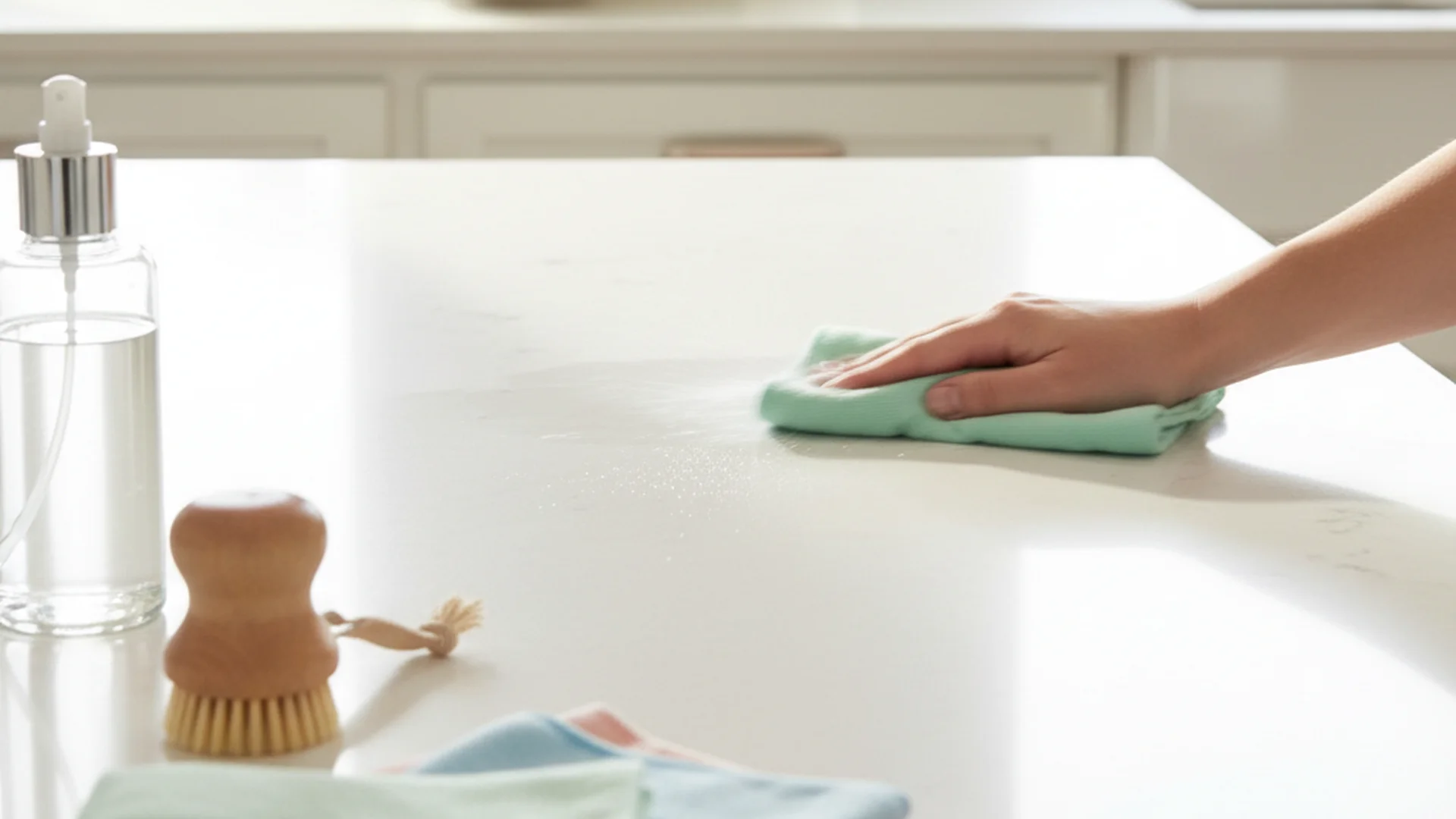
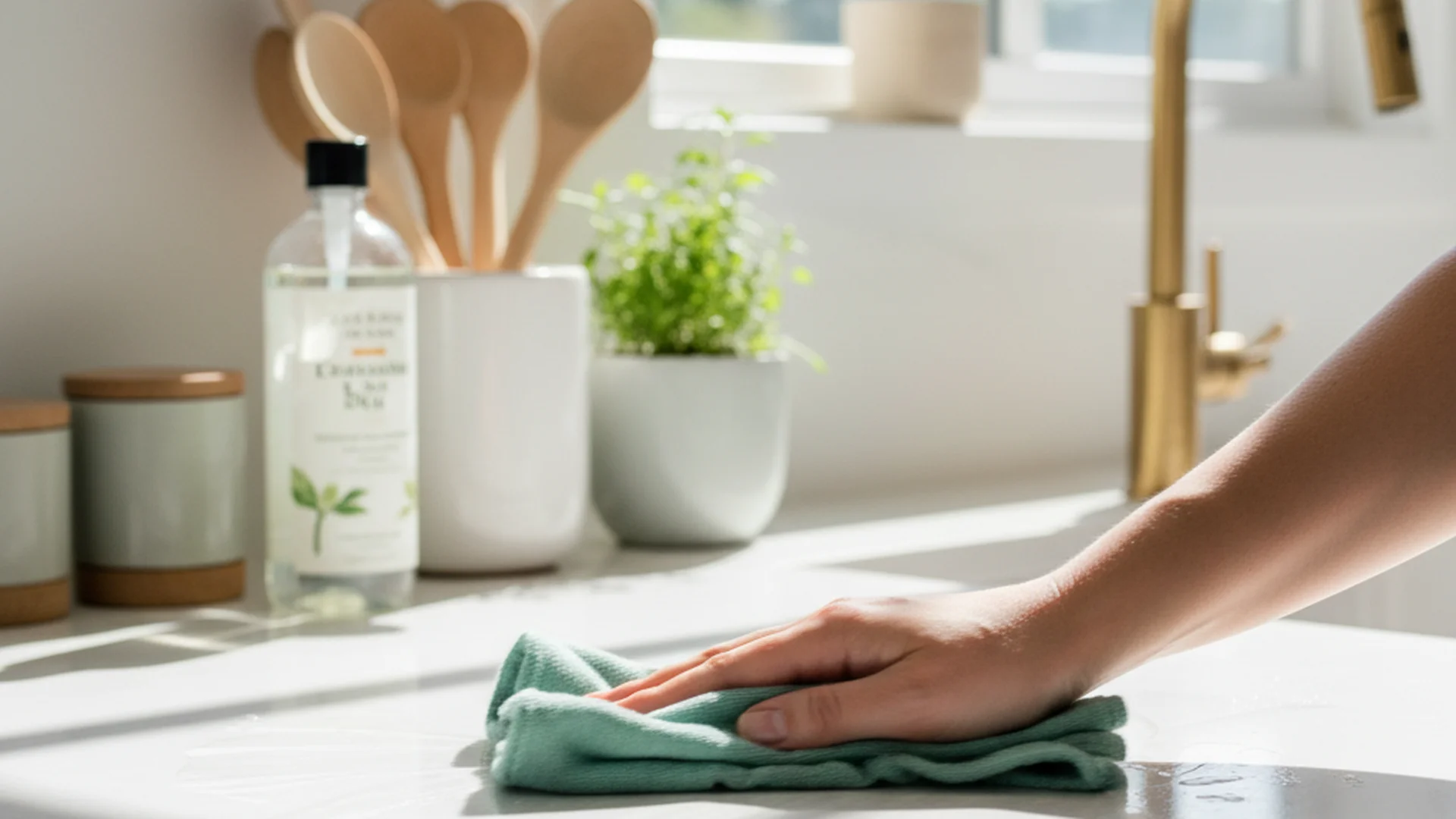
- The S-Pattern Wipe: Spray counters and use the "S-pattern" technique (top to bottom, left to right) to wipe them down.
- Trash Reset: Tie off the bag if it's full and replace the liner immediately.
The Living Room "Visual Reset" (3 Minutes)
- Surface Sweep: Use a microfiber cloth to wipe the coffee table and remotes.
- Pillow & Throw Reset: Fluff the sofa pillows and fold the throw blanket. This creates an immediate "tidy" appearance.
- The 2-Minute Floor Sweep: Use a cordless vacuum or a dry mop to hit the high-traffic center of the room.
The Bathroom "Refresh" (2 Minutes)
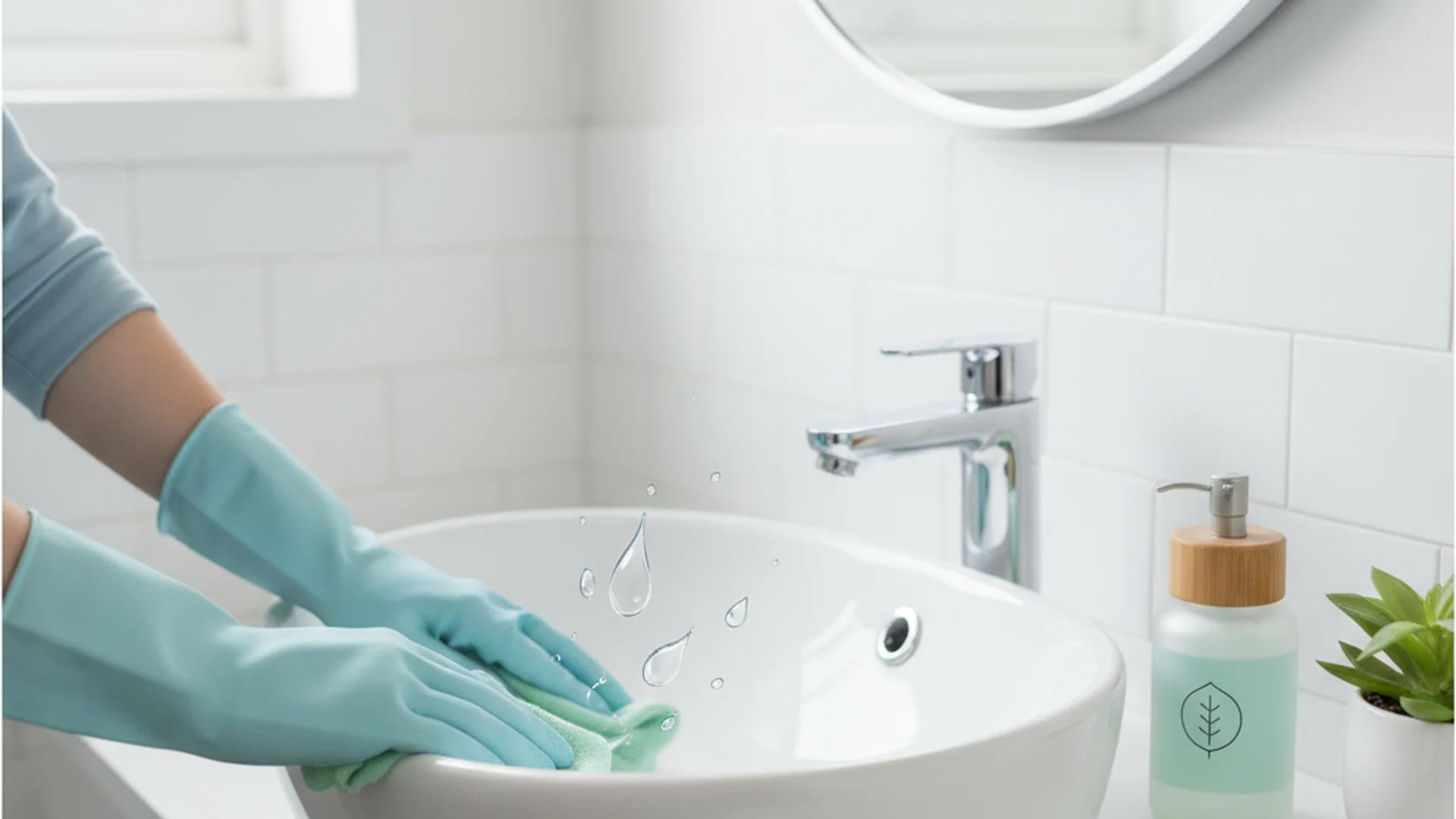
- Mirror & Faucet: A quick wipe of the mirror and the chrome faucet eliminates water spots that make a bathroom look "grimy."
- The Bowl Swish: Squirt cleaner, swish with the brush, and let it sit.
- Hand Towel Swap: Fresh towels signal cleanliness and provide a sensory upgrade.
The Entryway "Win" (2 Minutes)
- Shoe Alignment: Straighten shoes and place them in their designated rack or bin.
- Mail Sort: Toss junk mail immediately into recycling; do not let it hit the counter.
Success: Completing the entryway reset first provides an immediate psychological "win" every time you walk through your front door.
Professional Techniques for Maximum Speed
If you want to master the 10 minute cleaning routine checklist, you must stop cleaning like an amateur. Professionals use specific physical movements to save time and energy.
The S-Pattern Technique
Never wipe in circles. Circular motions simply redistribute the dirt you just picked up back onto the "clean" surface. Instead, start at the top left corner of a surface, move horizontally to the right, then loop back down and to the left in a continuous "S" shape. This ensures every square inch is touched only once.
Task Stacking
In 2025, we use "Habit Stacking" to maintain motivation. Pair your 10-minute routine with a high-value reward. Listen to your favorite 10-minute news briefing or a specific "cleaning playlist." When the music stops, the cleaning stops. This prevents the "scope creep" that turns a quick tidy into a three-hour deep clean.
Tip: Use a cordless vacuum. The time spent finding an outlet and untangling a cord can eat up 20% of your 10-minute window.
Trends for 2025–2026: The Future of Tidying
The landscape of home maintenance is evolving with technology and shifting cultural values.
- AI-Enhanced Scheduling: New applications now use "traffic heat maps" to tell you exactly which room needs your 10 minutes today based on your household's actual usage patterns.
- Robot-Human Hybrid Routines: The trend for 2026 is "Active Maintenance." While your robot vacuum handles the floors, you spend your 10 minutes on "vertical cleaning"—dusting shelves, wiping walls, and cleaning mirrors that the robot cannot reach.
- Mindful Tidying: Cleaning is being rebranded as self-care. Using aromatherapy-based cleaners (lavender, eucalyptus) turns the 10-minute routine into a sensory reset rather than a chore.
Warning: Avoid "Mistake Cleaning" by using too much soap. Excess detergent leaves a sticky residue that actually attracts more dust, making your next 10-minute session twice as hard.
Common Mistakes to Avoid
Even with a timer, certain habits can sabotage your efficiency.
- Making the Bed Immediately: Leave your bed unmade for at least 30 minutes. This allows moisture to evaporate and prevents dust mite buildup. Save the "bed reset" for the very end of your routine or after you've finished your morning coffee.
- Using a Feather Duster: These are "dirt movers," not "dirt removers." They launch dust into the air, only for it to land back on your surfaces 20 minutes later. Use a damp microfiber cloth or an electrostatic duster to actually trap the particles.
- Cleaning Clean Surfaces: Don't waste your 10 minutes on the guest room if no one has stayed there. Follow the "High-Usage" rule: focus only on the rooms where you spent the most time in the last 24 hours.
Frequently Asked Questions
Can you really clean a house in 10 minutes?
Should I focus on one room or the whole house?
What tools are essential for a fast routine?
How do I stay motivated when I’m tired?
Is it better to clean in the morning or the evening?
Conclusion
The 10 minute cleaning routine is more than just a way to pick up socks; it is a fundamental shift in how we manage our environments and our time. By embracing "dwell time," the "S-pattern," and the latest 2026 efficiency trends, you transform your home from a source of stress into a sanctuary of order. Remember, the goal isn't perfection—it's progress. Start your timer today and see how much of your life you can win back.
Success: Consistency is the secret ingredient. Ten minutes every day is infinitely more effective than five hours once a month.
Cleaning that keeps score
Every task earns points, every streak multiplies them, and Premium adds a household leaderboard plus a monthly Dustagorgon to beat.
- Free forever
- 30 badges to earn
- Up to 6 in a household
No card needed. Set up your rooms in a couple of minutes.