In this article
What you’ll learn
- Focus on high-impact zones like the kitchen to maximize perceived cleanliness.
- Utilize "dwell time" by spraying cleaners early in the process.
- Avoid the "clutter trap" by separating tidying from actual cleaning.
In the fast-paced world of 2026, time is the most valuable currency we have. For the modern professional, spending an entire Saturday scrubbing baseboards is no longer a viable option. However, the psychological need for a pristine environment remains, and most people notice a real lift in mood after a tidy-up. This is where the 1 hour deep clean comes into play. It isn't about doing everything; it’s about doing the right things with surgical precision to achieve high-impact results in a fraction of the time.
The Science of the "Power Hour"
The concept of a 1 hour deep clean is rooted in the "Professional’s Flow." While a total-home overhaul might take 6 to 8 hours, you can achieve "visual and hygienic excellence" by focusing on the handful of surfaces responsible for most of the grime.
Cleaning spread across a week has a way of eating whole evenings. By shifting to a high-intensity "Power Hour," you reclaim hours of your life while maintaining a home that feels—and smells—professionally maintained. This efficiency is bolstered by 2026 technology, such as AI-integrated scheduling that tells you exactly when your high-traffic zones need intervention.
Note: A 1-hour deep clean is a high-intensity session designed for specific zones or high-traffic surface deep cleaning, not a full-house architectural scrub.
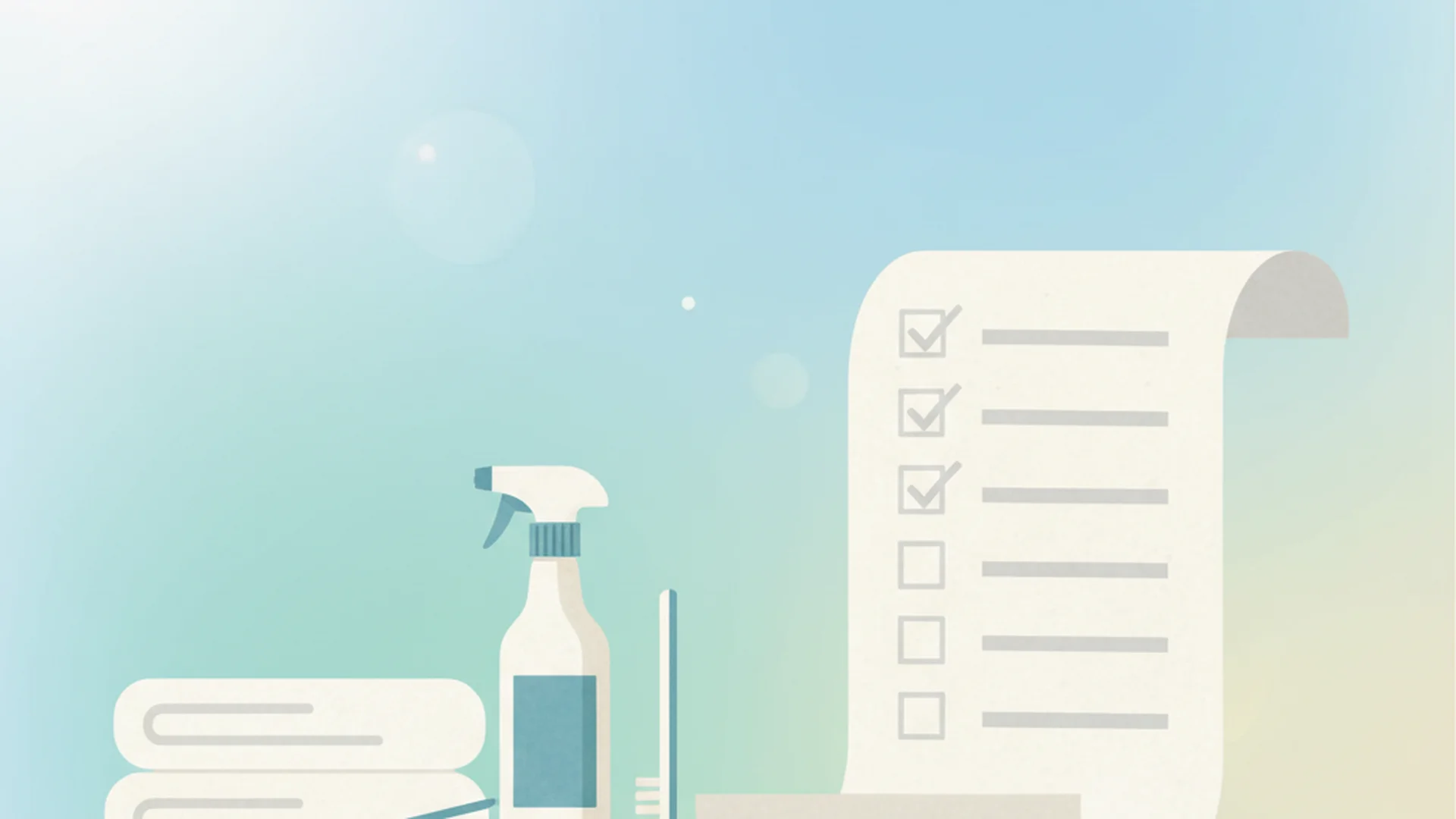
The Fastest 1 Hour Deep Clean Checklist
To execute the fastest 1 hour deep clean, you must follow a strict chronological order. This prevents "re-cleaning" areas where dust has fallen and ensures that chemical agents have enough time to work their magic.
00:00–00:05: Pre-Clean and Prep
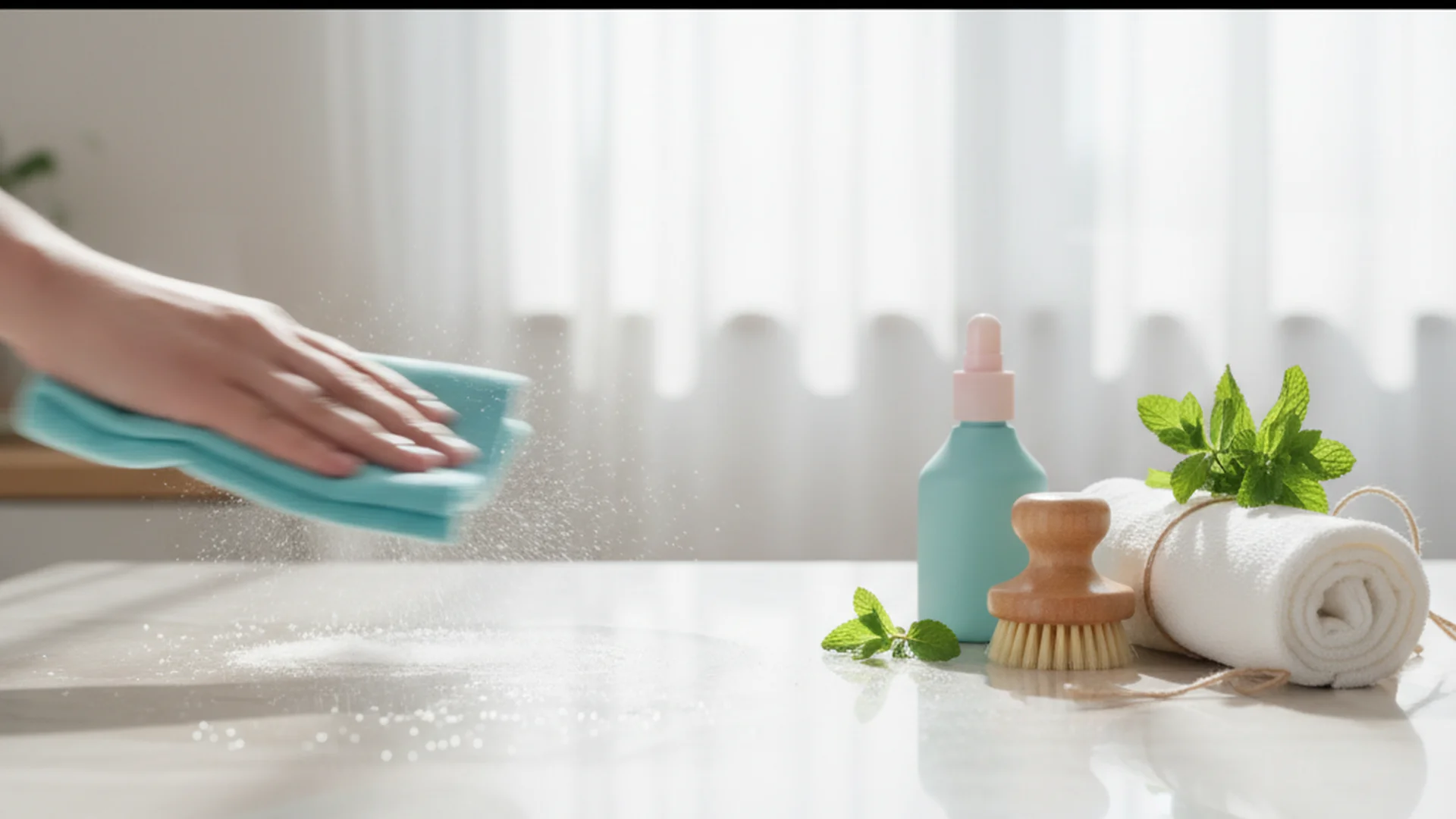
The first five minutes are the most critical. You are setting the stage for the rest of the hour. Assemble your cleaning caddy with microfiber cloths, bio-enzymatic cleaners, and your UV-C wand.
Go to the bathroom and kitchen first. Spray your "dwelling" cleaners—the toilet bowl cleaner and the heavy-duty degreaser on the stovetop. These chemicals need "dwell time" to break down proteins and oils. If you wipe them immediately, you’re doing the work the chemistry should be doing for you.
Tip: Always use color-coded microfiber cloths. Red for the bathroom and blue for glass prevents the cross-contamination of up to 200,000 types of bacteria.
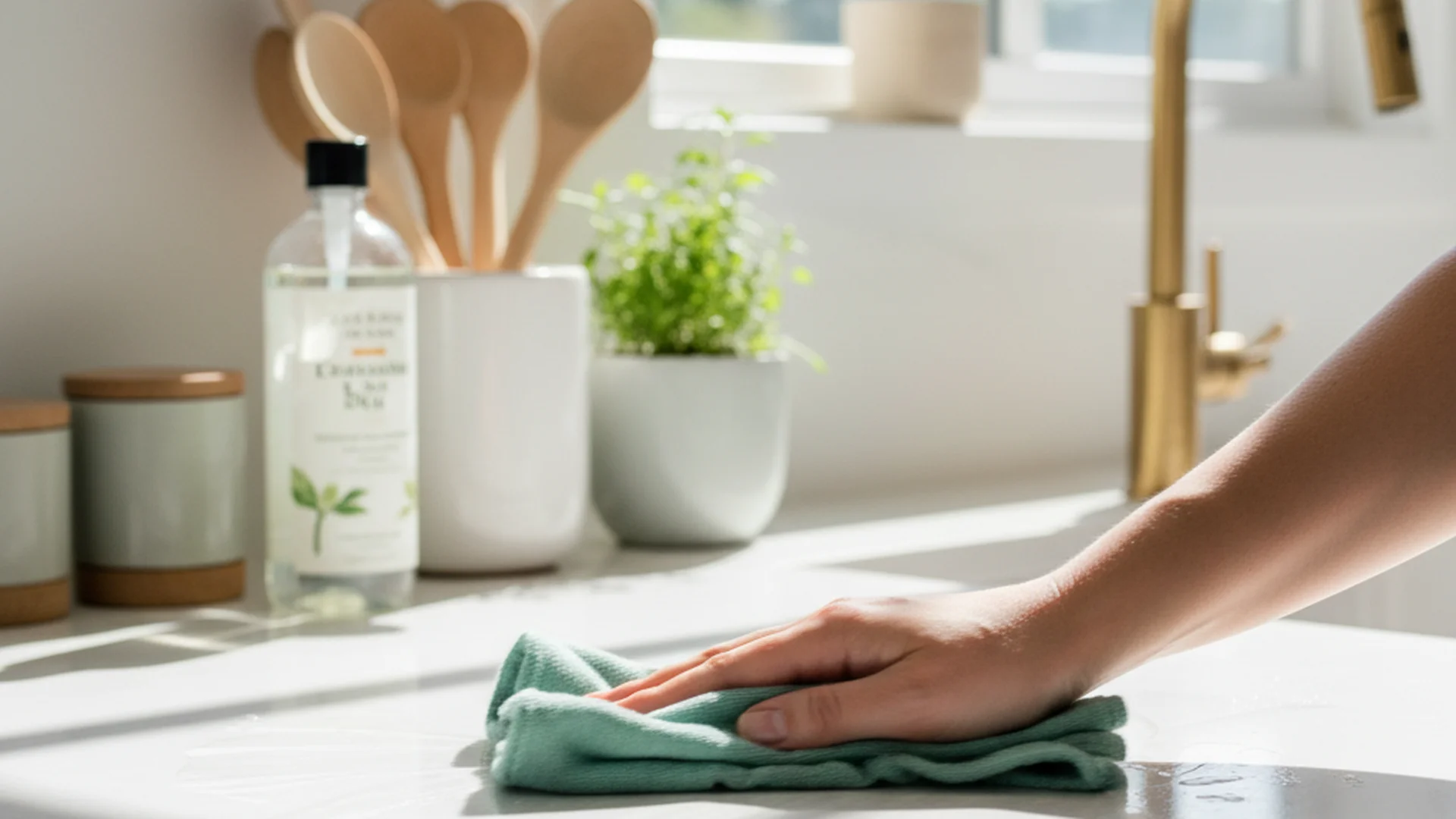
00:05–00:15: The Kitchen Blitz
The kitchen gets used and wiped down more than any other room, making it the top priority. Since the degreaser has been sitting for five minutes, the grime should wipe away effortlessly.
| Task | Focus Area | 2026 Tool Recommendation |
|---|---|---|
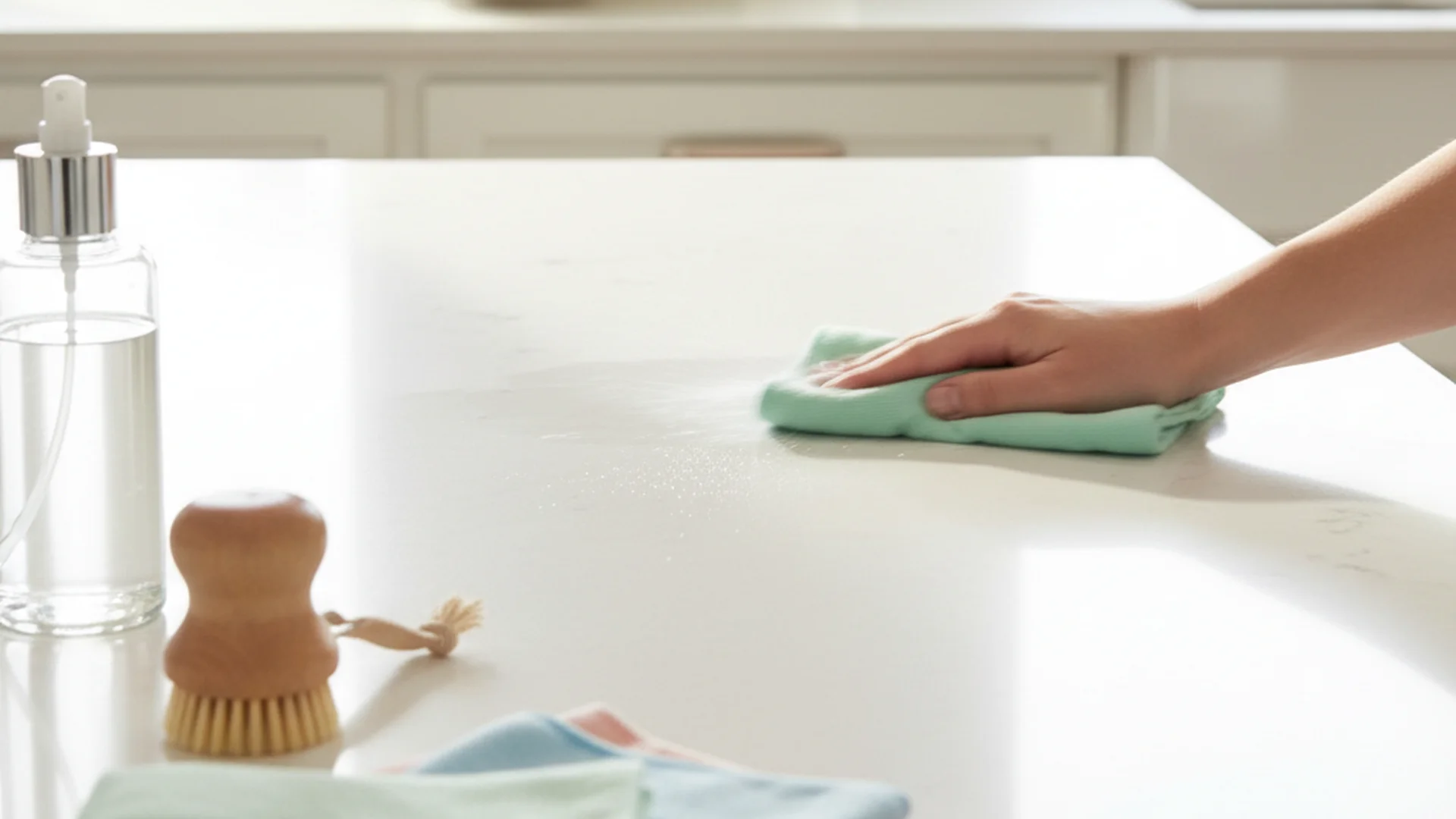
| Countertop Wipe | All flat surfaces | Bio-enzymatic spray |
| Sink Polish | Stainless steel/Porcelain | Microfiber + Polish |
| Appliance Faces | Fridge/Oven doors | Steam cleaner or damp cloth |
Focus on "The Shine." If the sink and the appliance faces are reflective, the entire room feels deep-cleaned.
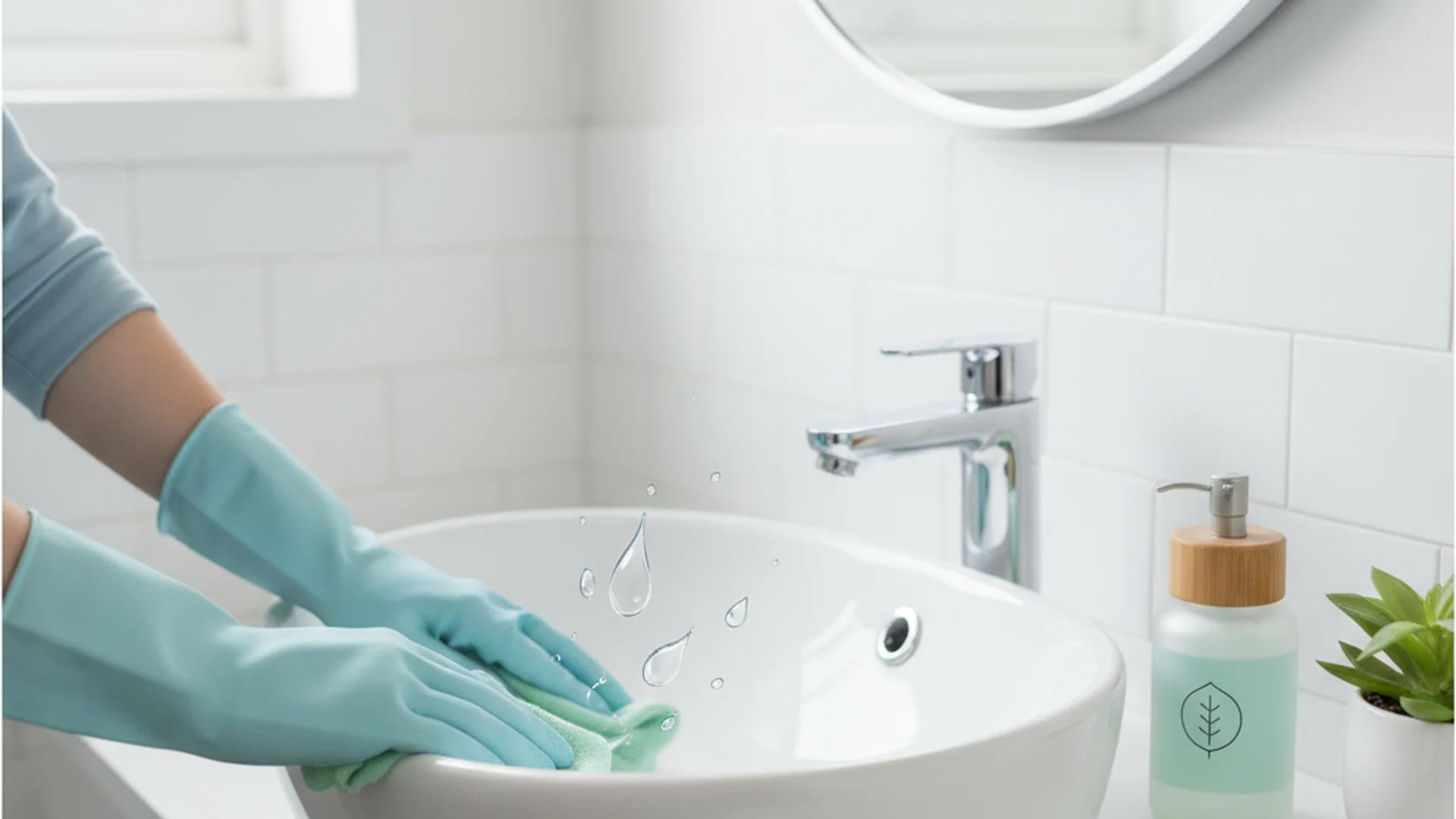
00:15–00:25: The Bathroom Reset
Move to the bathroom where the pre-sprayed cleaner has already dissolved the soap scum. Use a stiff brush for the shower floor and a dedicated cloth for the mirror.
Warning: Never mix bleach with ammonia-based glass cleaners; the resulting fumes are toxic and can be fatal in enclosed spaces like bathrooms.
00:25–00:40: Living Area "High-Dusting"
In the living room, follow the rule of "Top-to-Bottom, Left-to-Right." Use a duster for ceiling fans and a damp cloth for electronics and coffee tables. This is where you use your UV-C sanitization wand on high-touch tech like remotes and keyboards.
00:40–00:55: Floor Finale
Floors must always come last because dust and debris fall during the previous steps. If you already run a robot vacuum, you have a head start. However, for a deep clean, use a manual vacuum for the edges and a spray-mop for hard floors. This avoids the "bucket and water" time-sink of traditional mopping.
00:55–01:00: Final Flourish
Empty the main trash bins, put away your tools, and light a high-quality candle. This acts as a "scent-anchor," a psychological signal to your brain that the work is finished and the environment is safe and clean.
Success: Completing this cycle leaves most people feeling noticeably happier and readier to get on with the day.
2026 Cleaning Trends Enhancing Efficiency
The landscape of home maintenance has shifted significantly in the last year. To truly master the 1 hour deep clean checklist, you should integrate these modern advancements:
1. Bio-Enzymatic Cleaners
Moving away from harsh bleaches, 2026 has seen a surge in enzyme-based cleaners. These products contain "good" bacteria that continue to consume organic matter (like grease and urine) for up to 24 hours after you’ve finished wiping.
2. Eco-Refill Culture
Concentrated refills have become the default choice for a lot of households. Not only does this reduce plastic waste, but keeping concentrates on hand ensures you never run out of supplies mid-clean, which is a major momentum killer.
3. AI-Integrated Scheduling
Smart home apps now sync with your digital calendar. If the app detects you have a free hour between meetings, it can suggest a "Micro-Clean" based on which rooms have seen the most foot traffic that week according to your smart home sensors.
Real-World Examples
Example 1: The "Unexpected Guest" Sprint
Sarah, a software engineer, receives a text that her parents will arrive in 60 minutes. Instead of panicking, she executes the 1 hour deep clean. She skips the deep dusting of the guest room and focuses 100% of her energy on the "Visual Triangle": the entryway, the kitchen island, and the guest bathroom. By prioritizing the areas guests actually touch, she creates the illusion of a full-day deep clean.
Example 2: The Remote Worker’s Friday Reset
James works from home and finds that by Friday, his home office and kitchen are cluttered. He uses the "Power Hour" strategy every Friday at 4:00 PM. By using a spray-mop and a UV-C wand on his desk equipment, he "closes" his work week mentally and physically, allowing him to enjoy a clean home for the weekend.
Example 3: The Small Apartment Efficiency
In a 600-square-foot urban apartment, a 1 hour deep clean can actually be a "true" deep clean. Maria uses this time to not only wipe surfaces but to use the extra 15 minutes gained from the smaller floor plan to clean inside her microwave and organization bins, proving that scale changes the depth of the "Power" hour.
Common Mistakes to Avoid
Even with the best 1 hour deep clean checklist, certain pitfalls can derail your progress:
- The "Clutter Trap": This is the most common mistake. People start "cleaning" but end up "organizing" mail or closets. If it’s not dirt, ignore it. Put clutter in a single "to-be-sorted" basket and keep cleaning.
- Cleaning in the Wrong Order: If you vacuum first and then dust the ceiling fan, you have effectively wasted your vacuuming time. Gravity always wins; work from the ceiling to the floor.
- The One-Cloth Sin: Using the same cloth for the kitchen and bathroom is a hygienic disaster. It spreads more bacteria than it removes.
- Ignoring the Tools: If your vacuum filter is clogged or your microfiber cloth is gray and oily, you aren't cleaning; you're just moving dirt around.
- Over-Spraying: Spraying chemicals directly onto wooden furniture creates a sticky residue that attracts more dust. Always spray the cloth, then wipe the surface.
Frequently Asked Questions
Is it actually possible to "deep clean" a whole house in an hour?
How much does a professional 1-hour clean cost in 2026?
What is the "6/10 Method" people mention?
Can I use a robot vacuum for the "Floor Finale"?
Conclusion
The 1 hour deep clean is more than just a chore; it is a strategic approach to home maintenance that respects your time and your mental health. By using the "Professional's Flow," leveraging 2026 technology like bio-enzymatic cleaners and UV-C sanitization, and avoiding common pitfalls like the "clutter trap," you can maintain a sanctuary without sacrificing your entire weekend.
Cleaning that keeps score
Every task earns points, every streak multiplies them, and Premium adds a household leaderboard plus a monthly Dustagorgon to beat.
- Free forever
- 30 badges to earn
- Up to 6 in a household
No card needed. Set up your rooms in a couple of minutes.