In this article
What you’ll learn
- Improving indoor air quality is vital when we spend most of winter indoors.
- Proper entryway maintenance can stop 80% of outdoor dirt from entering.
- Regular HVAC filter changes can save up to 15% on heating costs.
As the temperature drops and the first frost settles on the windows, most homeowners begin thinking about cozy blankets and hot cocoa. However, as a professional cleaning consultant, I see this season through a different lens. Winter presents a unique set of challenges for your home’s hygiene and structural integrity. From corrosive road salt tracked onto hardwood floors to the accumulation of allergens in a sealed-up house, a comprehensive winter cleaning checklist is not just about aesthetics—it is about health, safety, and efficiency.
Unlike the traditional "spring cleaning" which focuses on decluttering and renewal, winter cleaning is a tactical approach to maintenance. It is about protecting your indoor air quality when the house is airtight and ensuring your appliances don't fail you during the year's most demanding months. In this guide, we will break down every essential task to keep your sanctuary pristine until the spring thaw.
Why Winter Cleaning is Essential for Your Home
Many people ask me, "Is winter cleaning actually necessary if I did a deep spring clean?" The answer is a resounding yes. During the winter months, the environmental conditions inside and outside your home shift dramatically.
First, consider Indoor Air Quality (IAQ). Because we spend so much more of our time indoors during winter, pollutants like dust mites, pet dander, and mold build up to far higher concentrations than you would ever breathe outside. A proper winter cleaning routine targets these hidden threats.
Secondly, there is the financial aspect. Simply replacing a dirty HVAC filter with a clean one can reduce your furnace's energy consumption by 5% to 15%. In an era of rising energy costs, this is a critical saving that pays for the cleaning supplies themselves.
The "First Line of Defense": Entryway and Mudroom
The most significant threat to your home's interior in winter comes from the bottom of your boots. Up to 80% of indoor dirt and contaminants are tracked in on the soles of shoes. In winter, this includes corrosive rock salt, slush, and nitrogen-rich mud.
The Dual-Mat System
To combat this, I recommend a "Dual-Mat System." Place a high-quality "scraper" mat outside your door to knock off large chunks of snow and ice. Inside, place an absorbent microfiber mat to catch the remaining moisture. This combination can stop nearly 90% of moisture before it hits your floors.
Salt Neutralization
If you have hardwood or stone floors, rock salt is your enemy. Salt is alkaline and can chemically "burn" or dull the finish of your wood floors.
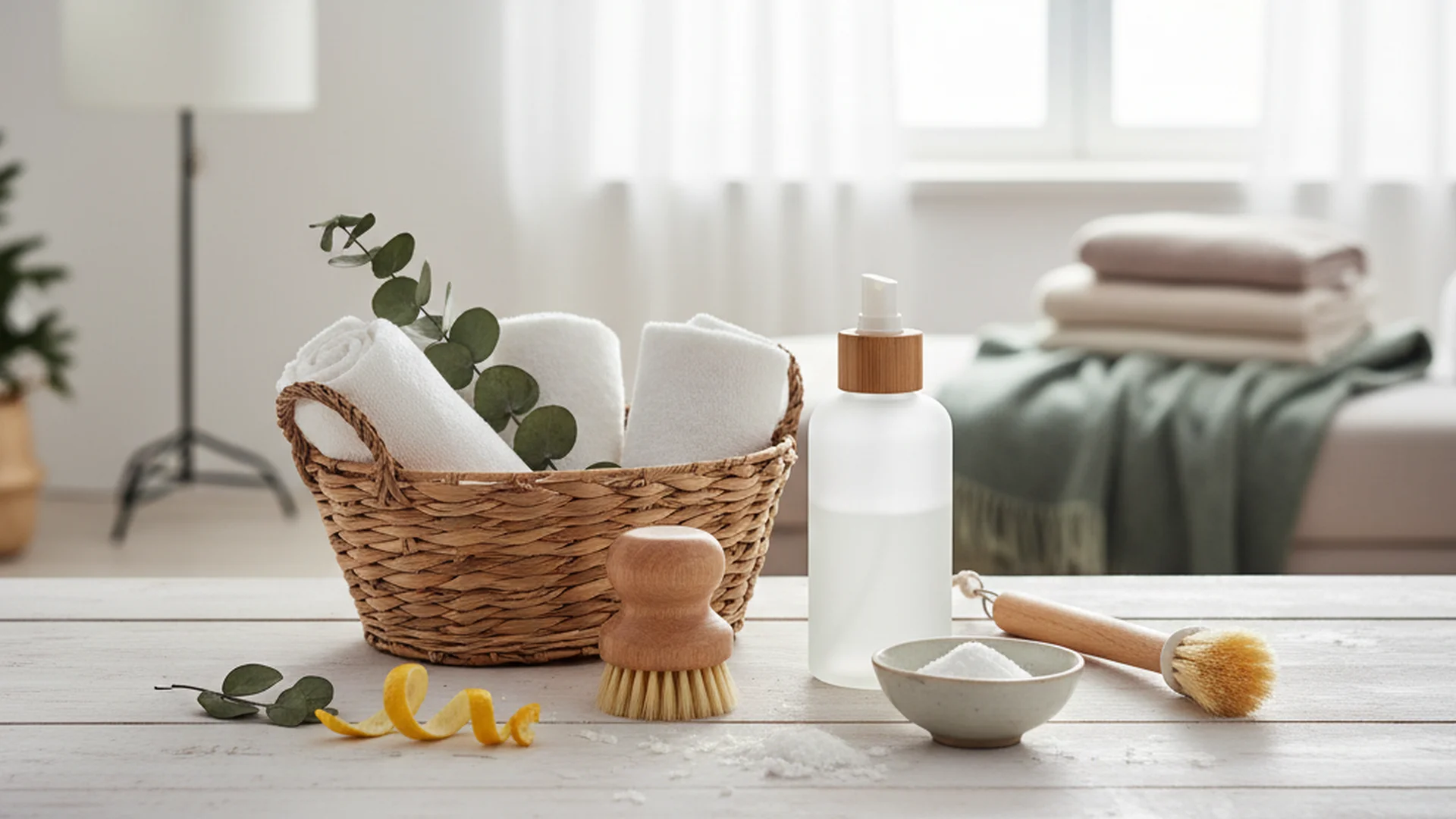
Tip: Keep a spray bottle filled with a 1:1 water and white vinegar solution near the door. This mildly acidic solution neutralizes the alkaline salt, allowing you to wipe it away without leaving a white, hazy residue or damaging the wood.
Boot Trays and Storage
Don't let boots sit in a pool of melting, dirty slush on your floor. Use raised-grid boot trays. These allow the water to drip away from the soles, helping the boots dry faster and keeping the grime contained in a washable tray.
Air Quality and Respiratory Health
When we seal our homes against the cold, we also trap allergens. Dust mite populations often peak in late winter because homes are sealed tight and humidifiers (if set too high) create the perfect breeding ground in bedding and carpets.
The Reverse Fan Trick
Most people forget their ceiling fans in the winter. First, use a damp microfiber cloth to clean the dust off the blades—otherwise, that dust will circulate the moment you turn the fan on. Once clean, switch the fan's direction to clockwise at a low speed. This creates an updraft that pushes the warm air trapped at the ceiling back down into the living space.
Humidity Control
Maintaining the right humidity is a delicate balance. Aim for levels between 40% and 60%.
Warning: If your humidity exceeds 60%, you are encouraging mold growth in corners and window sills. If it drops below 40%, viruses can travel more easily through the dry air, increasing your risk of the flu or common cold.
Soft Surface Sanitization
In winter, your carpets, rugs, and upholstery act as "giant filters" that trap allergens. Use a HEPA-filter vacuum at least twice a week. For a deeper clean, consider steam cleaning your high-traffic rugs in January to remove the deep-set salt and oils that standard vacuuming misses.
Kitchen and Appliance Efficiency
Winter cooking often involves heavy roasts, stews, and holiday baking, which puts extra strain on your kitchen.
Refrigerator Coil Cleaning
This is perhaps the most overlooked task on any winter cleaning checklist. Vacuum your refrigerator coils (usually located at the bottom or back). Dust-covered coils can increase your fridge's energy use by 20%.
Note: Always unplug your refrigerator before vacuuming the coils to avoid any electrical risks.
Range Hood Filters
Deep clean your range hood filters by soaking them in hot water and a heavy-duty degreaser. Winter cooking creates more grease-laden steam, which can lead to odors and even fire hazards if the filters are clogged.
| Appliance | Winter Task | Benefit |
|---|---|---|
| HVAC | Change Filter | 5-15% Energy Savings |
| Fridge | Clean Coils | 20% Better Efficiency |
| Dryer | Clear Vent | Fire Prevention |
| Oven | Degrease | Better Air Quality |
Recent Trends for the 2025-2026 Season
The world of cleaning is evolving, and for the 2025-2026 season, we are seeing a shift toward technology and biology.
Probiotic Cleaning
A major shift toward "microbiome-friendly" cleaning is currently underway. Instead of harsh chemicals that kill 99.9% of all bacteria (including the good ones), homeowners are using products containing live beneficial bacteria. these "eat" bad bacteria and organic matter on surfaces for up to 72 hours after application, providing a long-lasting biological shield.
AI-Integrated Scheduling
Many users are moving away from the traditional winter cleaning checklist pdf and toward smart-home cleaning apps. These apps sync with your robotic vacuums and air purifiers. For example, your air purifier can now alert your phone when it detects a spike in particulates, prompting an unscheduled "dusting" notification for that specific room.
Wellness Fragrances
Scent is being used as "emotional care" during the darker months. Trends for 2026 favor "forest bathing" scents like pine, cedar, and eucalyptus. These aren't just for smell; these essential oils have natural antimicrobial properties and support mental health during "Grey January."
Common Mistakes to Avoid
In my years as a consultant, I’ve seen homeowners make the same errors every winter. Avoiding these can save you time and money.
- The "Bleach Myth": Many believe bleach is the ultimate winter cleaner for killing germs. However, bleach does not clean dirt; it only disinfects. If you spray bleach on a dirty surface, the germs can hide under the grime. You must clean with soap and water first, then disinfect.
- Neglecting the Dryer Vent: Lint buildup is a massive fire hazard in winter when the air is dry and static electricity is high. This is the #1 "forgotten" winter safety task.
- Over-Salting the Entryway: Using too much ice-melt doesn't melt ice faster; it just creates a toxic runoff that kills your spring plants and ruins your indoor rugs. Use the minimum amount required.
- Closing Vents in Unused Rooms: Some homeowners close vents to save money. This is a mistake. It puts back-pressure on your HVAC system, potentially causing it to fail mid-winter when you need it most.
The Master Winter Cleaning Checklist
To help you stay organized, I have categorized these tasks into a logical flow. You can use this structure to create your own winter cleaning checklist printable.
Daily Tasks
- Wipe Entryways: Sweep or mop the immediate entrance to remove salt and moisture.
- Squeegee the Shower: With the house sealed, humidity stays high. Squeegeeing prevents mold growth.
- 10-Minute Clutter Reset: Keeping surfaces clear makes deep cleaning much easier.
Weekly Tasks
- Vacuum High-Traffic Zones: Focus on areas within 10 feet of every entrance.
- Disinfect High-Touch Points: Wipe down remotes, doorknobs, and light switches to reduce flu transmission.
- Wash Winter Bedding: Heavy blankets trap more skin cells and dust mites than summer sheets.
Monthly Tasks
- Change HVAC Filter: Check it every 30 days if you have pets.
- Clean Range Hood: Remove grease buildup from winter cooking.
- Dust Ceiling Fans: Remember to reverse the direction afterward.
Seasonal (One-Time) Tasks
- Inspect Fireplace and Chimney: Ensure there is no soot buildup before heavy use.
- Clean Refrigerator Coils: Vacuum away dust to keep the motor running cool.
- Organize the Winter Gear Closet: Check for salt-damaged boots or coats that need professional cleaning.
Success: Following this structured approach ensures your home remains a healthy, efficient sanctuary all winter long.
Frequently Asked Questions
Is winter cleaning actually necessary if I did a spring clean?
How often should I change my furnace filter in winter?
Do I really need hot water to disinfect?
What are the most overlooked spots in a winter checklist?
Should I use rock salt on my porch?
Conclusion
Winter is a time for rest and recovery, but your home maintenance shouldn't sleep. By following a dedicated winter cleaning checklist, you protect your family's respiratory health, save money on energy bills, and preserve the longevity of your flooring and appliances. Whether you use a winter cleaning checklist pdf or a smart-home app, the key is consistency. Start at your front door to stop the salt, work on your air quality to keep the flu at bay, and don't forget those hidden appliance coils.
Cleaning that keeps score
Every task earns points, every streak multiplies them, and Premium adds a household leaderboard plus a monthly Dustagorgon to beat.
- Free forever
- 30 badges to earn
- Up to 6 in a household
No card needed. Set up your rooms in a couple of minutes.