In this article
What you’ll learn
- Small actions prevent 'clutter creep' and reduce mental load.
- The rule bridges the gap between efficiency and long-term habit building.
- Integrating 2026 tech and probiotic cleaners makes micro-cleaning more effective.
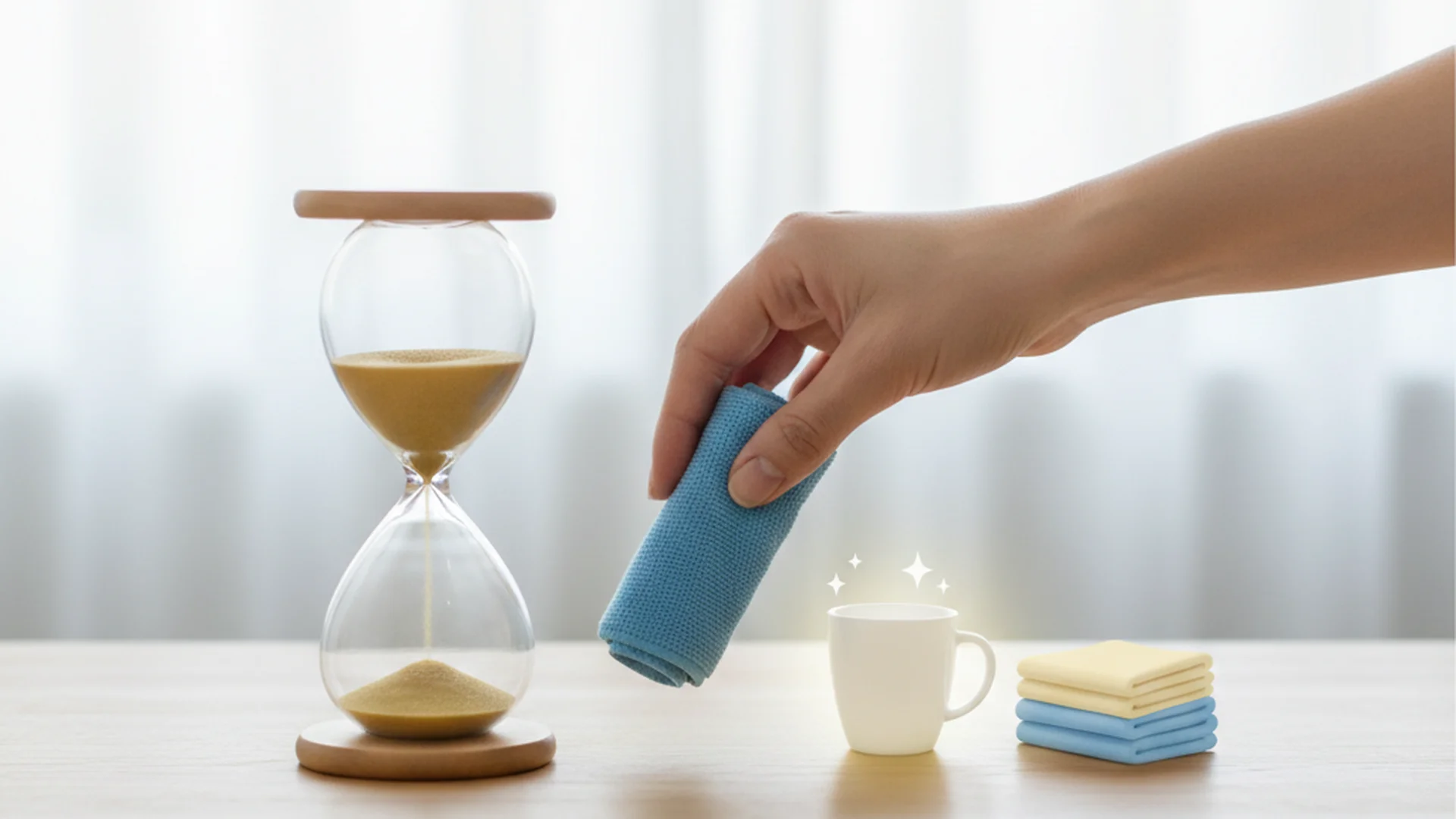
We have all been there: staring at a mountain of laundry or a cluttered kitchen counter, feeling completely paralyzed by the sheer volume of work. In the fast-paced world of 2025 and 2026, the traditional "Saturday deep clean" is becoming a relic of the past. Instead, the most organized households are turning to two minute rule cleaning to maintain their sanity and their living spaces. This micro-cleaning strategy isn’t just about tidying up; it’s a psychological reset that leverages small bursts of energy to create a massive impact on your environment and mental well-being.
Whether you are looking for two minute rule cleaning explained or you want to know exactly how to use two minute rule cleaning to manage a busy work-from-home schedule, this guide covers everything from the origin of the rule to the latest 2026 trends in smart home integration and probiotic cleaning solutions.
Two Minute Rule Cleaning Explained: Two Paths to a Tidy Home
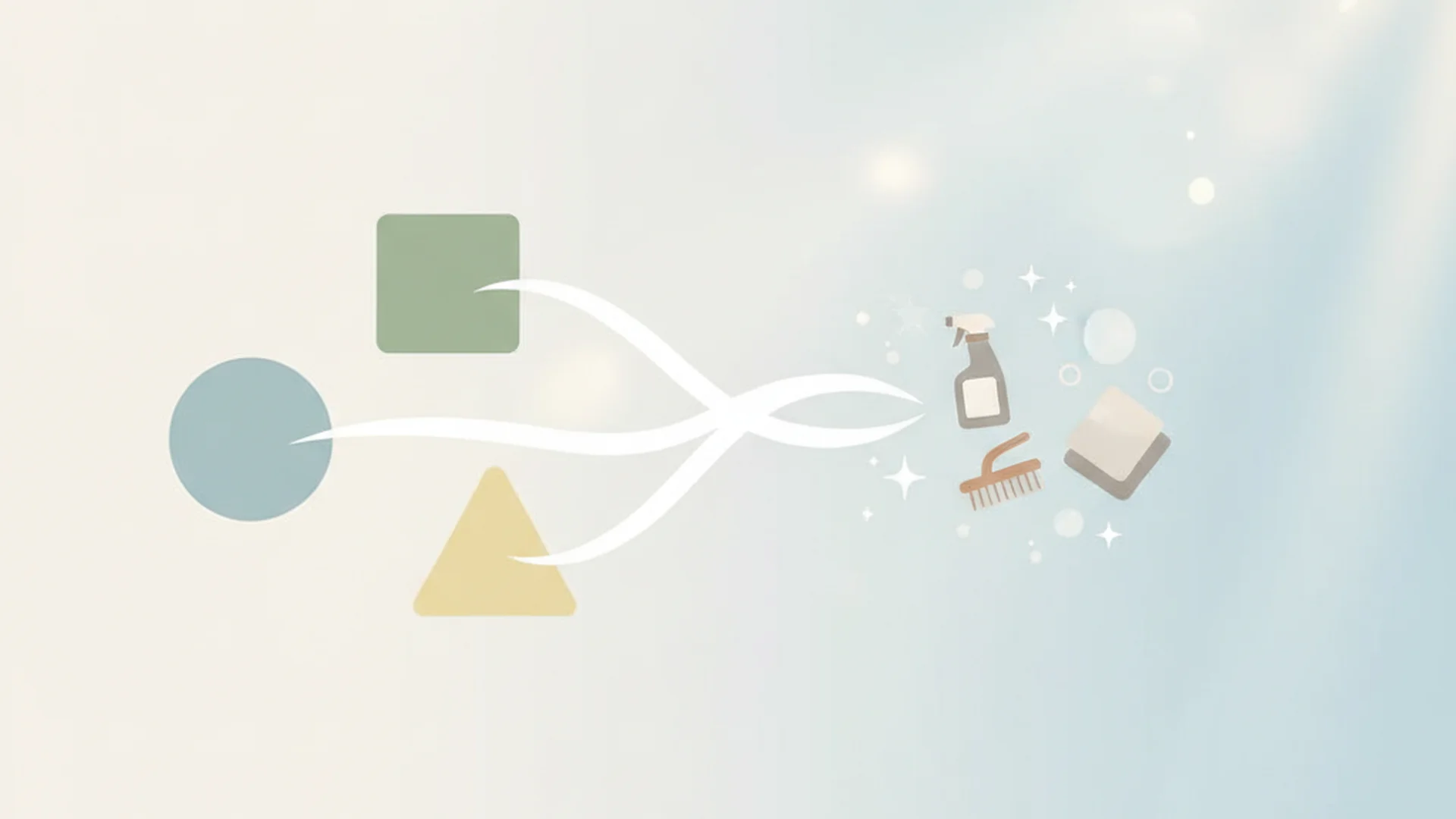
The beauty of this rule lies in its simplicity, but it actually stems from two distinct schools of productivity thought. Understanding both will help you decide which approach fits your lifestyle best.
The David Allen Approach: The "Do It Now" Rule
Originally popularized in the book Getting Things Done, David Allen’s interpretation is focused on pure efficiency. The logic is simple: if a task takes less than two minutes, the "cost" of adding it to a to-do list, remembering it, and revisiting it later is higher than just doing it right now. In a cleaning context, this means hanging up your coat the moment you walk in or putting a stray glass directly into the dishwasher rather than leaving it in the sink.
The James Clear Approach: The "Starter Habit" Rule
In Atomic Habits, James Clear uses the two-minute rule as a way to overcome the barrier to entry for new habits. Instead of saying "I need to clean the whole house," you tell yourself "I will spend two minutes tidying the entryway." The goal here isn't necessarily to finish the job in two minutes, but to master the art of "showing up." Once you start, you often find the momentum to continue.
| Feature | David Allen's Rule | James Clear's Rule |
|---|---|---|
| Focus | Efficiency (Do it now) | Consistency (Start the habit) |
| Best For | Mail, dishes, hanging coats | Exercise, reading, deep cleaning |
| Goal | Clear the mental "to-do" list | Master the art of "showing up" |
| 2026 Trend | AI-prompted "micro-tasks" | "Cleaning as a self-care ritual" |
The Science and Psychology of Micro-Cleaning
Why is it so much easier to clean for two minutes than it is to commit to an hour of scrubbing? The answer lies in the "Newton's First Law of Productivity." Just as an object in motion stays in motion, a person who starts a small, non-threatening task like wiping a counter is likely to find the "dopamine hit" needed to tackle the next task.
Plenty of people notice how much this matters for their health. Many of us simply feel better mentally and physically when the home is clean, and a tidy environment often makes it easier to concentrate and get things done. By using the two-minute rule, you aren't just cleaning a surface; you are clearing your mind.
Note: For neurodivergent individuals, especially those with ADHD, this rule provides a manageable "on-ramp" to chores that might otherwise feel overwhelming or cause executive dysfunction.
How to Use Two Minute Rule Cleaning in Your Daily Routine
Implementing this strategy requires more than just a timer; it requires a shift in how you view your home. Here is a step-by-step breakdown of how to integrate this habit into your life.
1. Identify Your "Hotspots"
Every home has hotspots—areas where clutter naturally accumulates. It might be the kitchen island, the bottom step of the stairs, or your bedside table. Identify these areas as your primary zones for two-minute interventions.
2. Practice Habit Stacking
The most effective way to ensure you actually use the rule is to "stack" it with an existing habit. This is a core tenant of modern productivity.
- While the coffee brews: Clear the dishwasher or wipe down the primary kitchen counters.
- After brushing your teeth: Use a microfiber cloth to wipe the bathroom faucet and sink.
- While on a work call (on mute): Straighten the pillows on the sofa or fold a small pile of towels.
Tip: Keep your cleaning supplies visible and accessible. If you have to go to the garage to get a spray bottle, the task already takes more than two minutes.
3. The "One-Action" Storage Rule
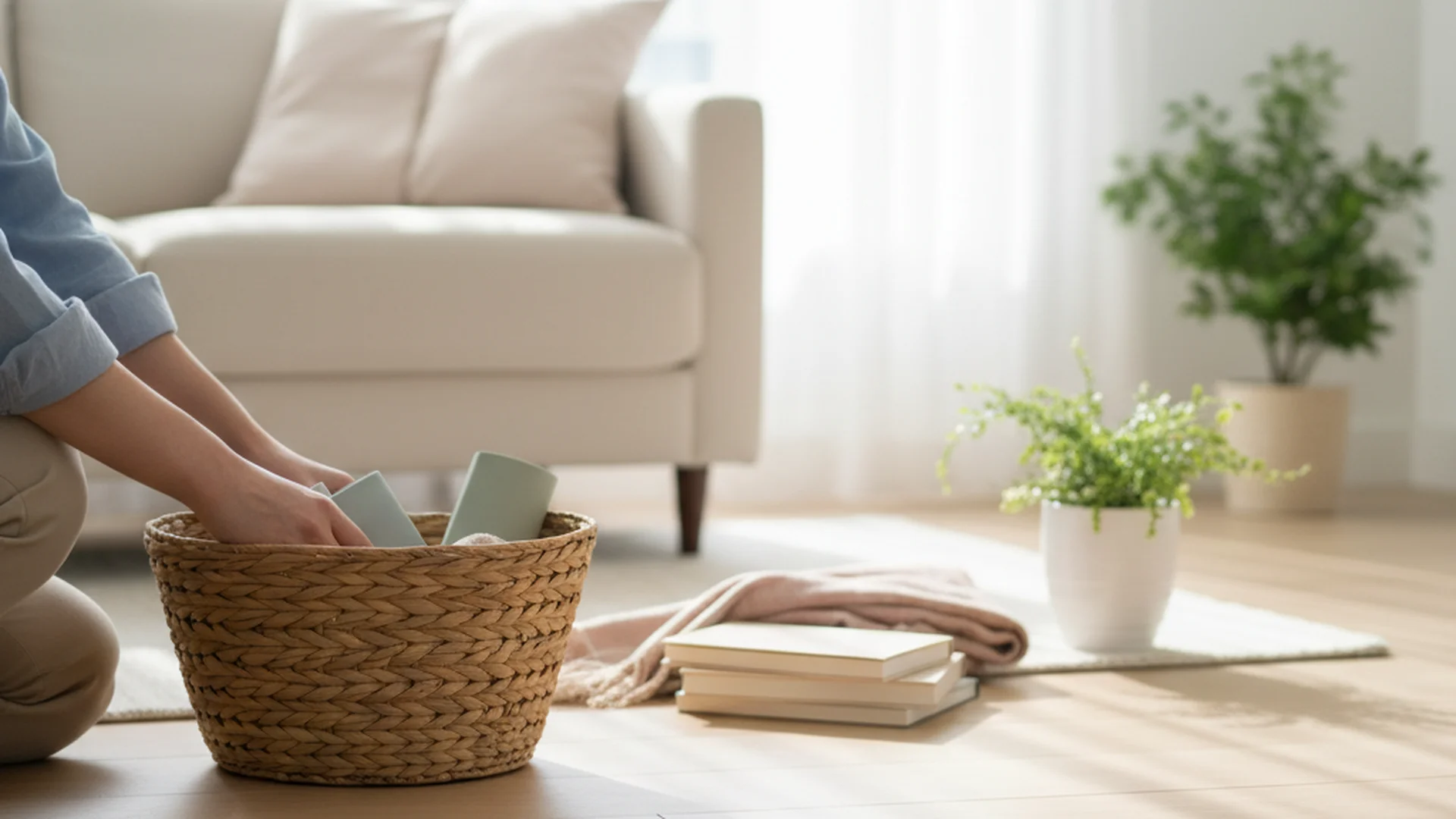
Professional organizers in 2025 are leaning heavily into "one-action" storage. This means setting up your home so that putting something away requires only one movement. For example, use an open bin for shoes instead of a box with a lid. This ensures that the act of "putting away" stays well within the two-minute threshold.
Real-World Examples of the Two-Minute Rule
To truly understand how this works, let’s look at three common scenarios where two minutes can change the entire "vibe" of a room.
Example 1: The Kitchen Reset
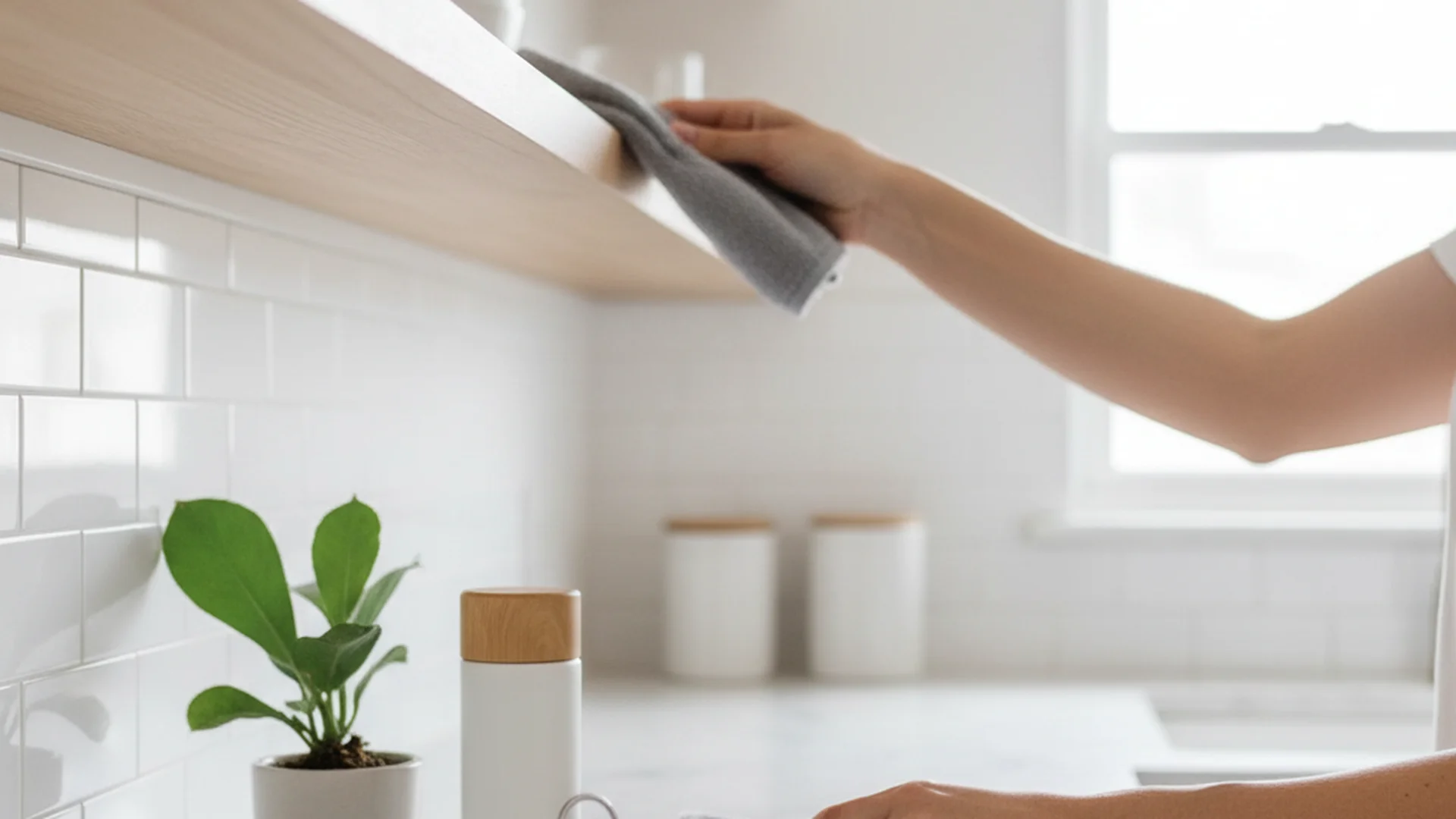
The kitchen is usually the most frequently cleaned room in the house. Instead of one massive scrub, use two-minute bursts. When you finish a meal, immediately put your plate in the dishwasher. While the microwave is running, wipe the crumbs off the counter. These tiny actions prevent the "kitchen fatigue" that leads to a week's worth of crusty dishes.
Example 2: The Entryway Transition
As soon as you walk through the door, you have a choice. You can drop your keys, mail, and coat on the nearest surface, or you can spend two minutes putting them in their designated spots. By choosing the latter, you prevent the "clutter creep" that makes coming home feel stressful rather than relaxing.
Example 3: The Bathroom Refresh
Keep a pack of biodegradable wipes (or a probiotic spray) under the sink. Every morning after you finish your skincare routine, take 60 seconds to wipe the mirror and the counter. It keeps the room guest-ready at all times without ever requiring a "deep clean" of the vanity.
Success: Consistent two-minute cleaning cuts down the time you spend on deep cleaning, because dirt and grime never get the chance to bond to surfaces.
2026 Trends: The Future of Micro-Cleaning
The landscape of home maintenance is shifting rapidly. In 2026, we are seeing three major trends that complement the two-minute rule.
Probiotic and "Microbiome-Friendly" Cleaning
A major trend for 2026 is the shift toward probiotic cleaners. Unlike traditional disinfectants that kill 99.9% of everything, probiotic cleaners leave behind "good" bacteria that continue to clean surfaces for up to 72 hours. This makes your two-minute wipe-down significantly more effective, as the microscopic "cleaners" continue to work long after you’ve put the cloth away.
AI and Smart Home Prompts
New smart home integrations now use occupancy sensors and "usage timers" to suggest two-minute tasks. Imagine your smart speaker gently suggesting, "You’ve used the kitchen for 30 minutes; would you like to do a two-minute counter reset?" These prompts help overcome the "forgetfulness" factor that often plagues new habit formation.
Cleaning as Mindfulness
In 2026, cleaning is being rebranded as a self-care ritual. High-end, sensory-focused cleaning products—think surface mists with scents like "Sandalwood and Rain"—are used to "reset" the brain between work-from-home tasks. Taking two minutes to clean becomes a mental break rather than a chore.
Warning: Be careful of "procrastincleaning"—using small cleaning tasks to avoid a high-priority work project or a difficult conversation.
Common Mistakes to Avoid
While the rule is simple, there are several traps that can render it ineffective.
The "Task Cascade" Trap
This is the most common pitfall, especially for those with ADHD. You start by putting one dish in the dishwasher, notice the filter is dirty, decide to clean the filter, realize you're out of dish soap, and suddenly you're at the store buying soap while the kitchen is still a mess.
- The Fix: If a task starts to grow, stop. If you can't finish it in two minutes, add it to a "Weekend List" and walk away.
Thinking It Replaces Professional or Deep Cleaning
The Two-Minute Rule is a maintenance tool, not a total solution. While it keeps your home looking tidy, it won’t address the dust in your vents or the grime behind the refrigerator. You still need a schedule for those heavy-duty tasks.
Neglecting Systems
The rule fails if you don't have a "home" for every item. If you spend 90 seconds of your two minutes wondering where a pair of scissors goes, the system breaks down. Organization must precede the Two-Minute Rule.
The "Edit, Remove, Done" Policy
When decluttering using the two-minute rule, don't just move items to a "to-donate" pile inside your house. The task isn't "done" until the item is in your car or the bin. Moving clutter from one room to another is just "shuffling," not cleaning.
Frequently Asked Questions
Does the Two-Minute Rule actually work for deep cleaning?
Is it helpful for people with ADHD?
What are the best "gateway" tasks?
Can I do multiple two-minute tasks in a row?
What if my house is already a total disaster?
Conclusion
The two minute rule cleaning strategy is more than just a productivity hack; it is a sustainable way to live in a world that feels increasingly overwhelming. By breaking down the monumental task of "cleaning the house" into bite-sized, 120-second segments, you remove the psychological barriers to entry.
As we move through 2026, leveraging technology like AI prompts and advanced probiotic cleaners will only make these micro-moments more powerful. Remember, a clean home isn't the result of a single heroic effort; it's the result of a thousand tiny, two-minute choices.
Success: By adopting this rule today, you are reclaiming your time and significantly reducing your daily stress levels.
Cleaning that keeps score
Every task earns points, every streak multiplies them, and Premium adds a household leaderboard plus a monthly Dustagorgon to beat.
- Free forever
- 30 badges to earn
- Up to 6 in a household
No card needed. Set up your rooms in a couple of minutes.