In this article
What you’ll learn
- Avoid ammonia, bleach, and phenols which are highly toxic to pets.
- Enzymatic cleaners are the gold standard for removing organic pet messes.
- Probiotic cleaning is the top emerging trend for 2026 home hygiene.
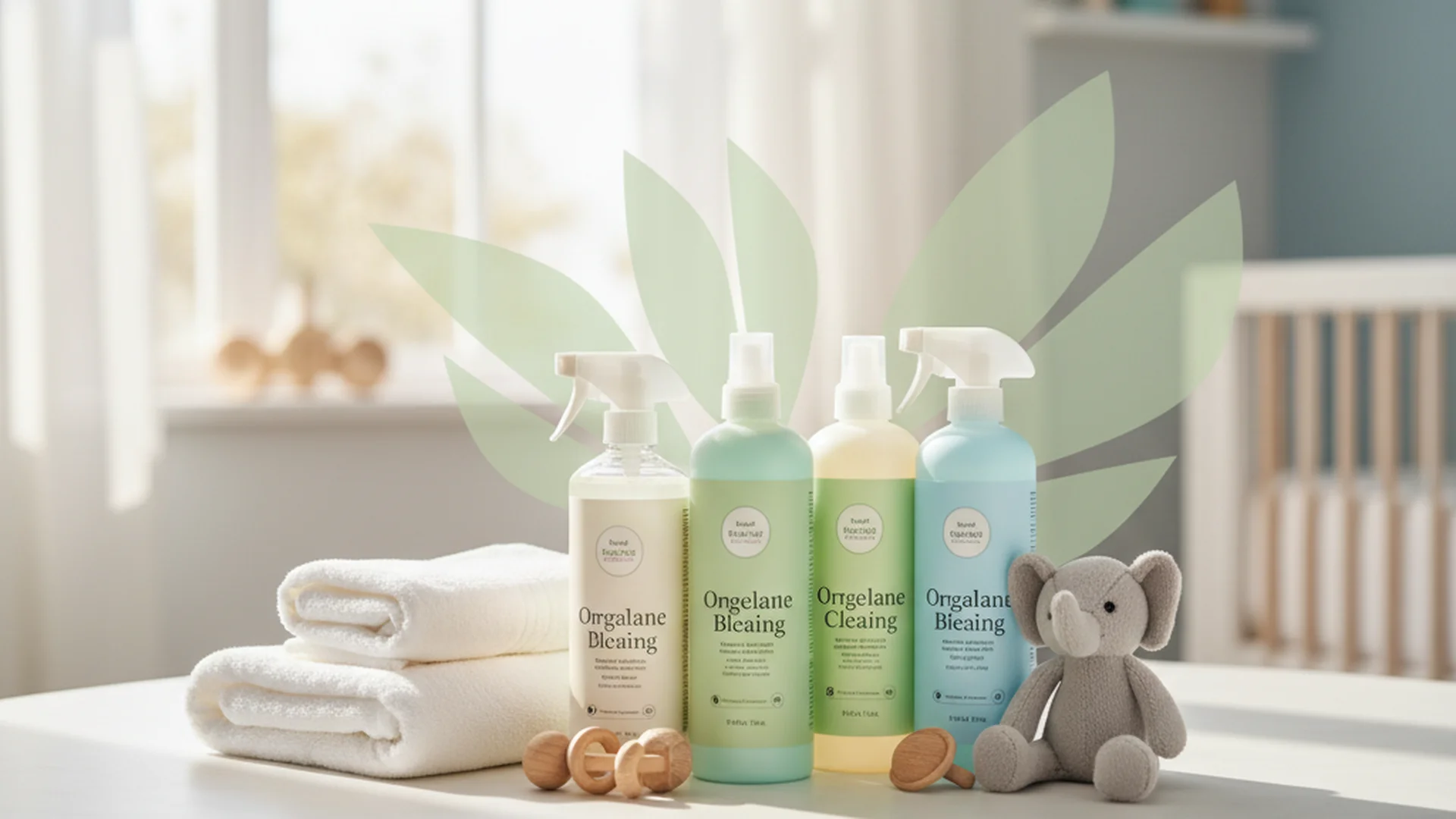
As we move into 2025, the way we maintain our homes is undergoing a radical shift, driven largely by the "humanization of pets." Our dogs and cats are no longer just animals that live outside; they are integral family members who share our sofas, carpets, and even our beds. However, many owners are unaware that their standard cleaning routine might be stressing their pet’s liver or causing chronic respiratory issues. Choosing high-quality pet safe cleaning products is no longer a luxury—it is a fundamental part of responsible pet ownership in a world increasingly aware of household toxins.
Why Your Current Cleaners Might Be Dangerous
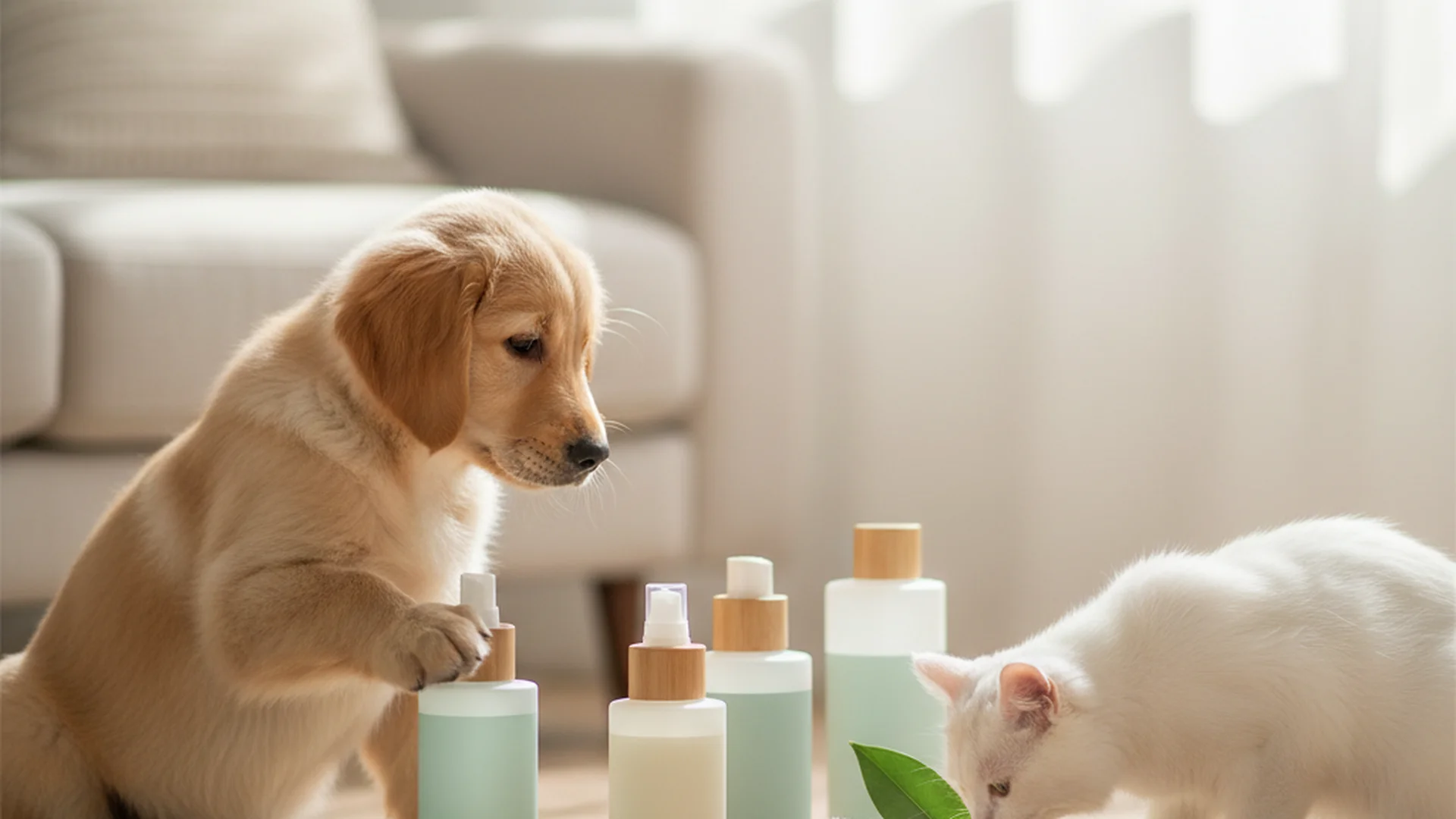
Pets are significantly more vulnerable to household chemicals than humans for several physiological reasons. First, their proximity to the ground means they are constantly inhaling vapors from floor cleaners and picking up residues on their paws. Second, because of their smaller body mass, even a tiny amount of a toxic substance can reach a dangerous concentration in their bloodstream quickly.
Perhaps the most critical factor is self-grooming. When a cat walks across a damp, bleached floor and later licks its paws, it is directly ingesting those chemicals. Research from 2024 suggests that roughly 6.5% of all calls to the ASPCA Animal Poison Control Center were related to common household cleaning agents. Understanding these risks is the first step in finding the best way pet safe cleaning products can be integrated into your home.
| Toxic Ingredient | Why It Is Dangerous | Pet-Safe Alternative |
|---|---|---|
| Ammonia | Irritates lungs; smells like urine (encourages marking). | Distilled White Vinegar |
| Bleach | Corrosive to skin, eyes, and respiratory tract. | Hydrogen Peroxide (diluted) |
| Phenols | Highly toxic to cats; causes liver failure. | Citric Acid-based cleaners |
| Phthalates | Endocrine disruptors found in artificial scents. | Fragrance-free or essential oil-free options |
Warning: Never mix bleach with ammonia-based glass cleaners. This creates chloramine gas, which can be fatal to both humans and pets within minutes.
The Best Way to Use Pet-Safe Cleaning Products
Simply buying a product with a "green" label isn't enough. You must also implement professional-grade protocols to ensure maximum safety. As a professional cleaning consultant, I always recommend the "Double-Dry" rule.
The "Double-Dry" Rule
Even when using certified pet safe cleaning products, you should keep your pets out of the room until the surface is completely dry. Once dry, if the surface is a high-traffic area for your pet (like a feeding station or a favorite lounging spot), give it a quick wipe with a cloth dampened with plain water. This removes any lingering surfactants that could cause mild skin irritation.
Ventilation is Vital
Airborne particles, known as Volatile Organic Compounds (VOCs), can linger in a room long after the floor looks dry. Always open windows and use fans during and after your cleaning session. For pets with flat faces (brachycephalic breeds like Pugs or Persian cats), proper ventilation is even more critical as they are already prone to respiratory distress.
Tip: If you can still smell the cleaning product ten minutes after you’ve finished, your ventilation is insufficient.
Cleaning Pet-Safe Cleaning Products Naturally
Many owners prefer to manage their pet safe cleaning products naturally by using pantry staples. This is often the safest and most cost-effective route, provided you understand the chemistry involved.
Distilled White Vinegar
Vinegar is a powerhouse for breaking down mineral deposits and killing most common household bacteria. Its acidic nature makes it perfect for cleaning glass and hard floors. However, avoid using it on natural stone like marble, as it can etch the surface.
Baking Soda (Sodium Bicarbonate)
Baking soda is the ultimate deodorizer. It works by neutralizing acidic odor molecules rather than just covering them up. It also provides a gentle abrasive quality for scrubbing stuck-on messes in pet bowls or around litter boxes.
Hydrogen Peroxide
If you need a disinfectant that mimics the power of bleach without the toxicity, 3% hydrogen peroxide is an excellent choice. It breaks down into water and oxygen, leaving no harmful residue behind.
Note: While vinegar and hydrogen peroxide are great individually, never mix them in the same bottle. They create peracetic acid, which is highly irritating to the skin and lungs.
The Rise of Enzymatic Cleaners
For organic messes like urine, vomit, or drool, standard soap and water are insufficient. These messes contain proteins and fats that bond to carpet fibers. To truly clean these spots, you must use enzymatic cleaners.
These products contain specific biological catalysts:
- Proteases: Break down protein-based stains (blood, grass).
- Lipases: Break down fat-based stains (oils, certain foods).
- Amylases: Break down starch-based stains.
Real-World Example: Products like Rocco & Roxie or Nature’s Miracle don't just mask the scent of urine; they digest the uric acid crystals. This is vital because if a dog can still smell a trace of their previous mess (even if you can't), they are instinctually driven to "re-mark" that exact spot.
Success: Using an enzymatic cleaner within the first 30 minutes of an accident significantly reduces the chance of permanent staining or behavioral re-marking.
2025–2026 Trends in Pet-Safe Cleaning
The industry is evolving rapidly with new technologies designed to make pet ownership easier and safer.
Probiotic Cleaning
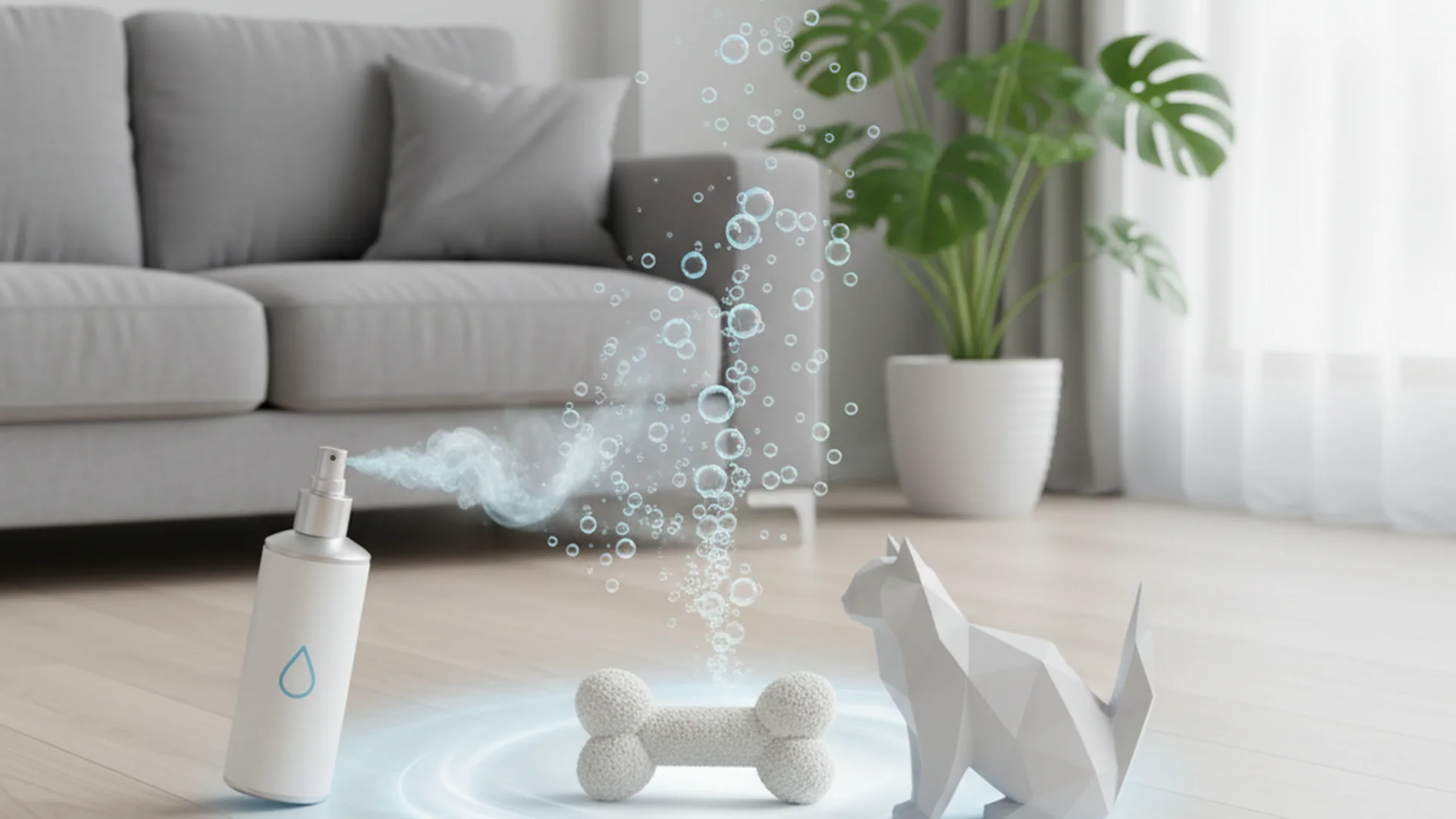
A massive trend for 2026 is the rise of "microbiome-friendly" cleaners. Instead of killing 99.9% of all bacteria (including the good ones), these cleaners apply beneficial probiotics to your surfaces. These "good" bacteria continue to consume pathogens and organic odors for up to 72 hours after you finish wiping.
Smart Home Integration
We are seeing a new generation of robotic vacuums equipped with AI specifically trained to recognize "pet accidents." Instead of dragging a mess across the house, these vacuums avoid the area and alert the owner. Furthermore, many 2025 models now feature steam-only sanitization modules, eliminating the need for chemical floor cleaners entirely.
Concentrated and Plastic-Free Formats
To combat plastic waste, many pet-safe brands are moving toward dissolvable tablets. You simply drop a tablet into a reusable glass spray bottle and add water. This ensures the product is always fresh and reduces the carbon footprint of shipping heavy, water-filled bottles.
Common Mistakes to Avoid
Even well-intentioned pet owners often fall into these common traps:
- The "Clean" Smell Trap: We are conditioned to think a home should smell like "Spring Meadow" or "Pine Forest." In reality, a clean home should have no scent at all. Artificial fragrances are often just chemical signals that can trigger asthma or allergies in pets.
- Using Human Wipes on Pets: Never use standard disinfectant wipes (like Clorox or Lysol) to wipe your dog’s paws. These contain chemicals that can cause chemical burns on sensitive paw pads. Always use dedicated "Pet Grooming Wipes."
- The "Natural" Marketing Trap: Just because an ingredient is natural doesn't mean it's safe. For example, tea tree oil and peppermint oil are natural but can be neurotoxic to cats if used in high concentrations.
- Ignoring Laundry Detergent: Many owners use heavy-duty detergent and fabric softeners on pet beds. These contain cationic surfactants that can cause drooling and mouth ulcers if the pet chews on their bed. Stick to "Free and Clear" detergents.
Frequently Asked Questions
Does fragrance-free really work?
Is 'Natural' always safe?
Can I use regular laundry detergent for pet beds?
Are essential oils okay for cleaning?
Conclusion
Creating a clean home shouldn't come at the cost of your pet's health. By moving away from "heavy-hitter" toxins like ammonia and bleach and embracing enzymatic and probiotic solutions, you create a safer environment for everyone. Remember that the best way pet safe cleaning products are used is with patience—letting surfaces dry completely and ensuring proper airflow. Transitioning to pet safe cleaning products naturally with vinegar and baking soda can also save you money while providing peace of mind.
Success: A toxin-free home leads to fewer vet visits, less skin irritation for your pets, and a fresher living space for you.
Cleaning that keeps score
Every task earns points, every streak multiplies them, and Premium adds a household leaderboard plus a monthly Dustagorgon to beat.
- Free forever
- 30 badges to earn
- Up to 6 in a household
No card needed. Set up your rooms in a couple of minutes.