In this article
What you’ll learn
- Non-toxic products now match conventional cleaners in efficacy thanks to green chemistry.
- Look for "Gold Standard" certifications like EWG Verified and EPA Safer Choice.
- Probiotic and "solid-state" cleaners are the leading trends for 2025-2026.
For decades, the standard for a "clean" home was defined by the sharp, stinging scent of bleach and ammonia. We associated chemical odors with hygiene, assuming that if it didn't smell like a laboratory, it wasn't truly disinfected. However, as we move through 2025, the narrative has shifted. The rise of non toxic cleaning products is no longer a niche movement reserved for the eco-conscious; it is a fundamental market transformation driven by health data, environmental necessity, and advanced "Green Chemistry."
Today’s households are prioritizing safety without sacrificing performance. Whether you are looking for non toxic cleaning products 2025 reviews or trying to understand the science behind plant-based surfactants, this guide provides a deep dive into the modern era of domestic efficiency.
The State of the Industry in 2025
The transition to non-toxic living has reached a tipping point. This growth isn't just about "going green"—it’s a response to a growing body of evidence regarding indoor air quality and long-term health. The EPA has noted that indoor levels of volatile organic compounds (VOCs) are significantly higher than outdoor levels, a direct result of the conventional cleaning agents we use daily.
With roughly $2.3 billion in annual healthcare costs linked to household chemical complications, the demand for transparency has never been higher. Interestingly, while there are approximately 85,000 chemicals in industrial use in the U.S., the Environmental Working Group (EWG) reports that only about 1% have been thoroughly tested for long-term safety. This "testing gap" is the primary reason why modern consumers are flocking to verified non-toxic alternatives.
Note: Many modern non-toxic cleaners now utilize AI-optimized formulations to ensure that botanical ingredients perform at the same level as industrial solvents.
The Science of Green Chemistry
One of the most common questions when reading non toxic cleaning products reviews is: "Do they actually work?" In the past, plant-based cleaners were often viewed as inferior. However, 2025 has seen a revolution in "Green Chemistry."
Plant-Derived Surfactants
Traditional cleaners use petroleum-based surfactants to break down grease. Modern non-toxic alternatives use surfactants derived from coconut, corn, or sugar. These molecules are designed to be "amphiphilic," meaning one end attaches to water and the other to oil, allowing grease to be rinsed away just as effectively as traditional methods.
Enzyme-Based Cleaning
Enzymes are biological catalysts that "eat" specific types of stains. For example, proteases break down protein-based stains (like blood or grass), while lipases tackle fats and oils. Because enzymes are highly specific, they provide a surgical level of cleaning without the need for corrosive acids.
Probiotic Integration
A major trend for 2025-2026 is "Microbiome-Friendly" cleaning. Brands are now incorporating "good" bacteria—probiotics—into their formulas. Unlike traditional disinfectants that kill 99.9% of all bacteria (including the good ones), probiotic cleaners leave behind a layer of beneficial microbes that continue to consume organic matter and odors for up to five days after the initial wipe.
Success: Using probiotic cleaners in high-traffic areas like kitchens can create a self-sustaining "clean" environment that works even when you aren't actively scrubbing.
Identifying the Best Non-Toxic Cleaning Products 2025
Navigating the cleaning aisle can be a minefield of "greenwashing"—the practice of using misleading labels to appear environmentally friendly. To find the best non toxic cleaning products 2025, you must look beyond the "natural" or "earth-friendly" marketing and look for third-party certifications.
| Certification | What It Verifies | Rigor Level |
|---|---|---|
| EWG Verified | Full transparency; no ingredients on EWG's "Unacceptable" list. | High |
| EPA Safer Choice | Every ingredient is the safest in its functional class. | Moderate/High |
| MADE SAFE | Screens against 6,500+ known harmful chemicals. | Exceptional |
| Leaping Bunny | Verifies the product and ingredients are 100% cruelty-free. | Specialized |
Warning: Labels like "Natural" or "Green" are unregulated. A product can be labeled "Natural" and still contain phthalates, which are known endocrine disruptors.
Key Trends for 2025 and 2026
The industry is moving toward a more holistic view of home care. Here are the leading trends we are seeing this year:
1. The "Solid-State" Revolution
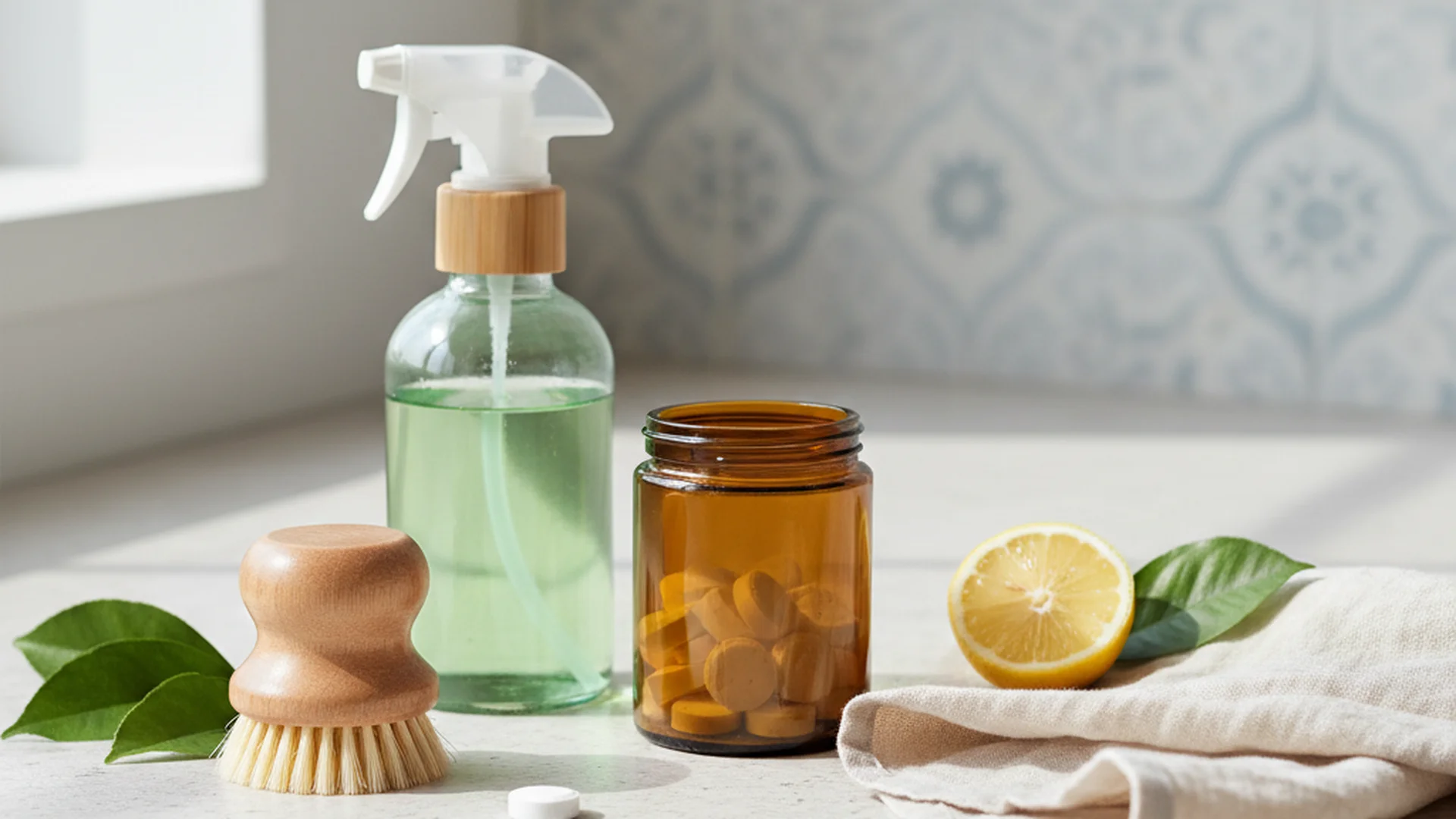
To reduce the carbon footprint associated with shipping heavy water-based liquids, brands have shifted toward ultra-concentrated solids. This includes dissolvable tablets, dry powders, and even cleaning bars. Consumers simply add their own tap water to a "forever bottle" made of glass or stainless steel.
2. Scent-Scaping as Wellness
Cleaning is no longer just a chore; it’s being rebranded as a self-care ritual. 2026 products feature "functional fragrances." These aren't just scents; they are ethically sourced essential oils designed to lower cortisol levels or improve mental focus. Imagine a floor cleaner that doesn't just remove dirt but also helps you de-stress after a long work day.
3. AI-Optimized Performance
Manufacturers are now using AI to screen millions of botanical molecular combinations. This has led to the creation of "high-performance" non-toxic cleaners that can tackle specific, difficult stains—like red wine on marble or pet accidents on wool—more effectively than conventional chemicals ever could.
Tip: When using ultra-concentrates, always follow the dilution instructions precisely. Using too much product can leave a sticky residue that attracts more dirt.
Real-World Examples of Non-Toxic Success
Example 1: The Probiotic Kitchen
A family in Seattle switched to a probiotic-based multi-surface cleaner. Unlike their previous ammonia-based cleaner, which required daily applications to keep smells at bay, the probiotic cleaner continued to break down food particles in the cracks of their tile grout for days. They reported a significant reduction in "kitchen odor" and felt safer having their toddlers play on the floor.
Example 2: The Refillable Bathroom
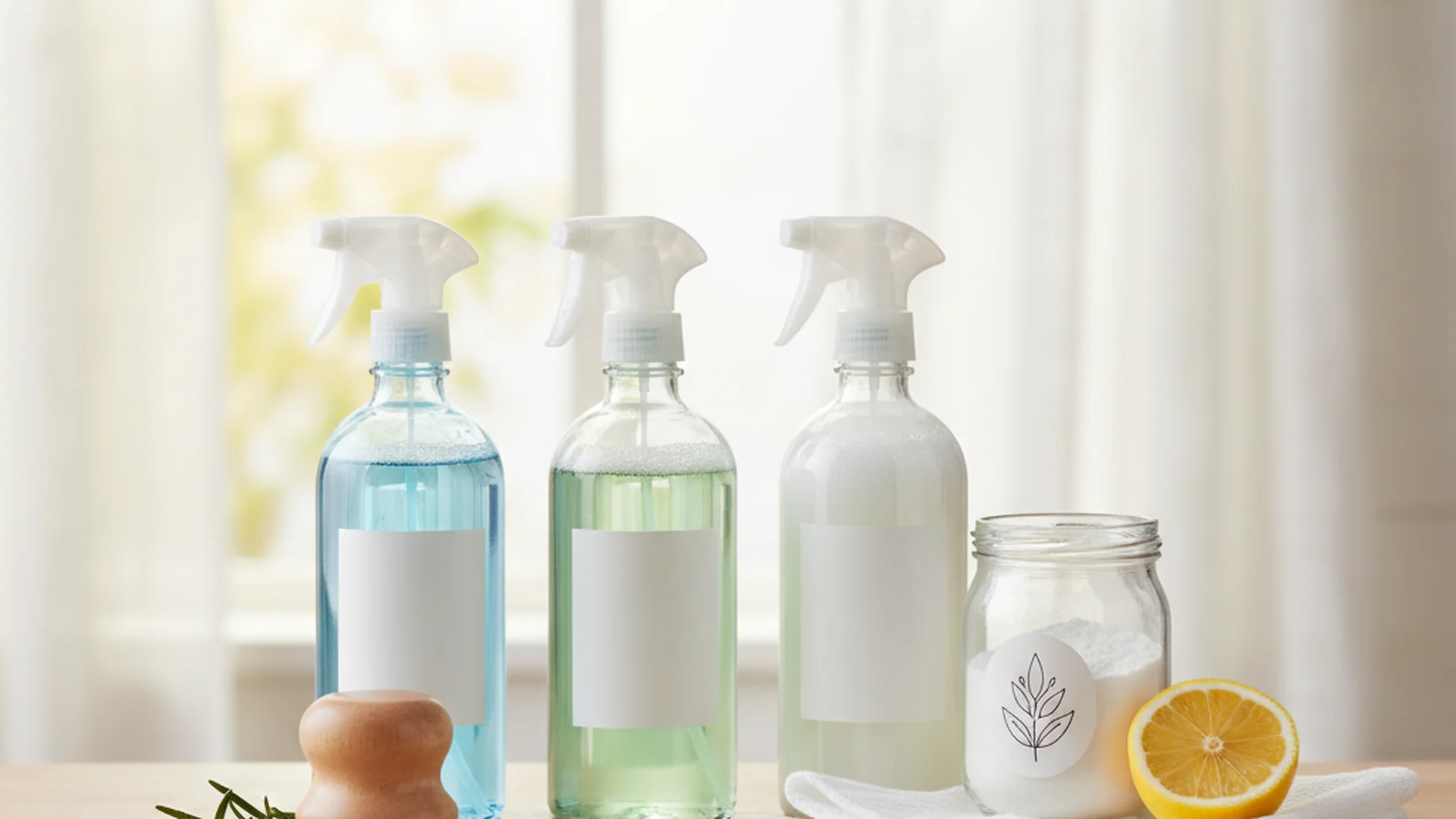
A professional organizer transitioned an entire apartment complex to "solid-state" bathroom cleaners. By using citric acid-based tablets in glass spray bottles, the complex reduced its plastic waste by 90% in a single year, while successfully managing hard water stains that previously required harsh descalers.
Example 3: The Fragrance-Free Sanctuary
An individual with chronic asthma switched to EWG-Verified, fragrance-free cleaners. Within three weeks, they reported fewer respiratory "flares" and improved sleep quality, likely due to the reduction of VOCs and synthetic musks in their bedroom environment.
Common Mistakes to Avoid
Even when using non toxic cleaning products, there are several pitfalls that can compromise your safety or the efficacy of the product.
The Greenwashing Trap
Don't be fooled by leafy green packaging or the word "Earth." Many "green" cleaners still contain methylisothiazolinone, a potent allergen, or synthetic fragrances containing phthalates. Always check for the "Gold Standard" seals mentioned above.
Dangerous DIY Mixing
Just because ingredients are "natural" doesn't mean they are safe to combine.
- Vinegar + Bleach: Creates toxic chlorine gas.
- Vinegar + Hydrogen Peroxide: Creates peracetic acid, which is highly corrosive and can irritate the lungs.
- Vinegar + Baking Soda: While not dangerous, they neutralize each other, essentially leaving you with salty water that has no cleaning power.
Ignoring Contact Time
This is the most frequent mistake. For a non-toxic disinfectant (like those using citric acid or thymol) to kill germs, it must remain wet on the surface for the time specified on the label—usually 5 to 10 minutes. Wiping it off immediately only removes visible dirt; it does not disinfect.
Overusing Product
Plant-based surfactants are highly efficient. Using half a bottle of cleaner won't make the counter "twice as clean." In fact, it often leaves a film that traps dust and bacteria.
Warning: Never mix different cleaning products, even if they are both labeled "non-toxic." Chemical reactions can still occur.
Frequently Asked Questions
Do non-toxic cleaners actually work against tough grease and germs?
Are they more expensive than regular cleaners?
Can I just use vinegar for everything?
Are 'natural' fragrances safe?
What is the "Home Microbiome"?
Conclusion
The shift toward non toxic cleaning products in 2025 represents a more sophisticated understanding of how our home environment affects our health. By moving away from volatile chemicals and embracing green chemistry, probiotic technology, and the refillable "solid-state" model, we are creating homes that are not just clean to the eye, but healthy for the body.
Whether you are just starting your journey or looking for the latest non toxic cleaning products 2025 innovations, remember that transparency is your best tool. Look for third-party certifications, respect contact times, and embrace the power of plants to keep your home truly spotless.
Success: Transitioning to a non-toxic cleaning routine can reduce indoor VOC levels by up to 60% in just thirty days.
Cleaning that keeps score
Every task earns points, every streak multiplies them, and Premium adds a household leaderboard plus a monthly Dustagorgon to beat.
- Free forever
- 30 badges to earn
- Up to 6 in a household
No card needed. Set up your rooms in a couple of minutes.